





Contents
Where Most Solo Female Backpackers Start: Bali
For many women, Bali becomes their introduction to solo female travel in Indonesia, and honestly, it’s easy to see why.
The island already has a huge backpacker and digital nomad scene, so meeting people rarely feels difficult. Cafés fill with travelers working remotely, hostels organize social events almost every night, and wellness retreats fill places like Ubud and Canggu.
Compared to other parts of Indonesia, Bali feels much easier to settle into. It’s common to meet other travelers in cafés, yoga studios, coworking spaces, and social hostels around Canggu and Ubud.
Where to Stay in Bali
Different parts of Bali attract completely different crowds.
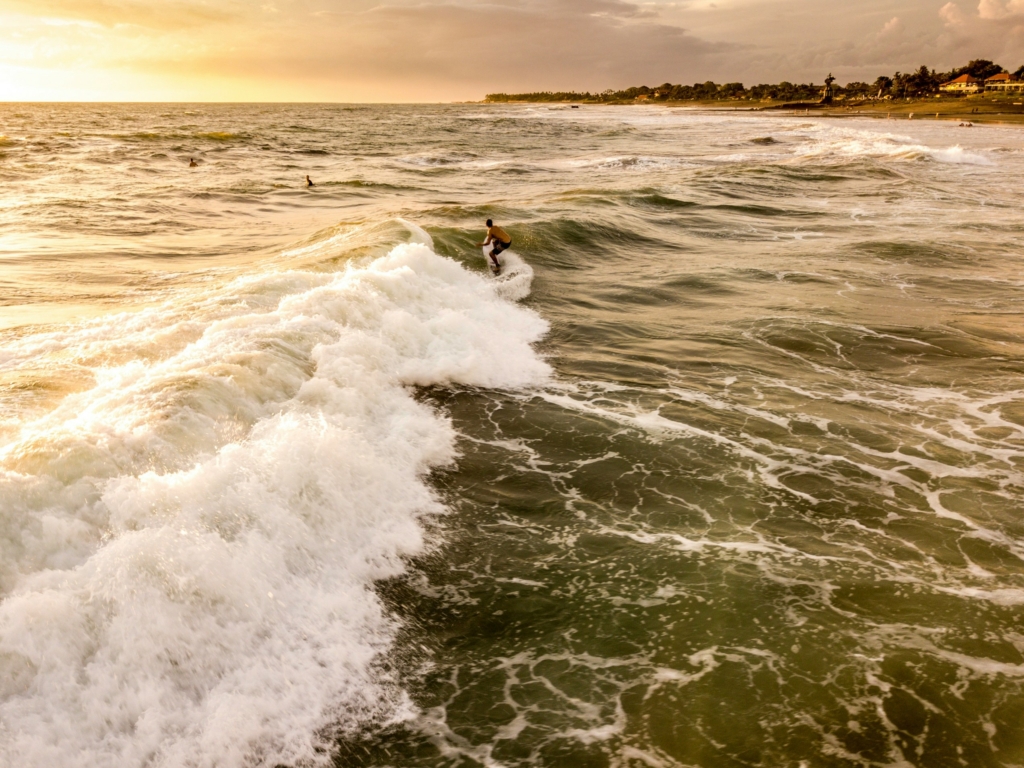
Canggu attracts surfers, remote workers, nightlife lovers, and backpackers looking for social hostels. Ubud feels slower and more focused on wellness, culture, yoga classes, and rice field views. Uluwatu draws surfers chasing cliffside beaches and sunset sessions after long days in the water.
For first-time solo travelers, hostels with female dorms, good security, and organized group activities often make the experience feel far less intimidating.
Backpacker Costs in Bali
- Hostel dorms: IDR 130,000 to 325,000 ($8 to $20 USD)
- Grab rides: IDR 40,000 to 120,000 ($2.50 to $7 USD)
- Local meals: IDR 25,000 to 70,000 ($1.50 to $4 USD)
Between travel days, local warungs often serve some of the best cheap meals in Indonesia. Dishes like nasi goreng, mie goreng, and gado-gado usually cost far less than tourist cafés while giving you a much more local experience.
Backpacker Tips for Bali
If you arrive late at night, avoid accepting random taxi offers outside the airport. Booking a Grab or arranging hostel pickup beforehand usually feels safer and far less stressful after a long flight alone.
Many travelers now set up an eSIM before arriving so they can immediately access maps and ride-hailing apps after landing.
One thing worth taking seriously here is scooter safety. Bali traffic can feel chaotic, especially around Canggu. If you’ve never driven a scooter before, this probably isn’t the place to learn. Late at night, booking a Grab or Gojek usually feels far safer than riding alone through unfamiliar roads.
You could easily spend weeks exploring Bali, from waterfalls in the north to sunset views near Tanah Lot.
For Culture, Temples & Slower Days: Yogyakarta
Yogyakarta, often called Jogja, feels completely different from Bali.
The city feels far more rooted in history, art, and tradition than in beaches and nightlife. Street food stalls spill onto busy roads at night, local artists sell handmade batik pieces, and travelers wake up before sunrise to explore ancient temples shrouded in mist and jungle.
Backpacker Experiences in Jogja
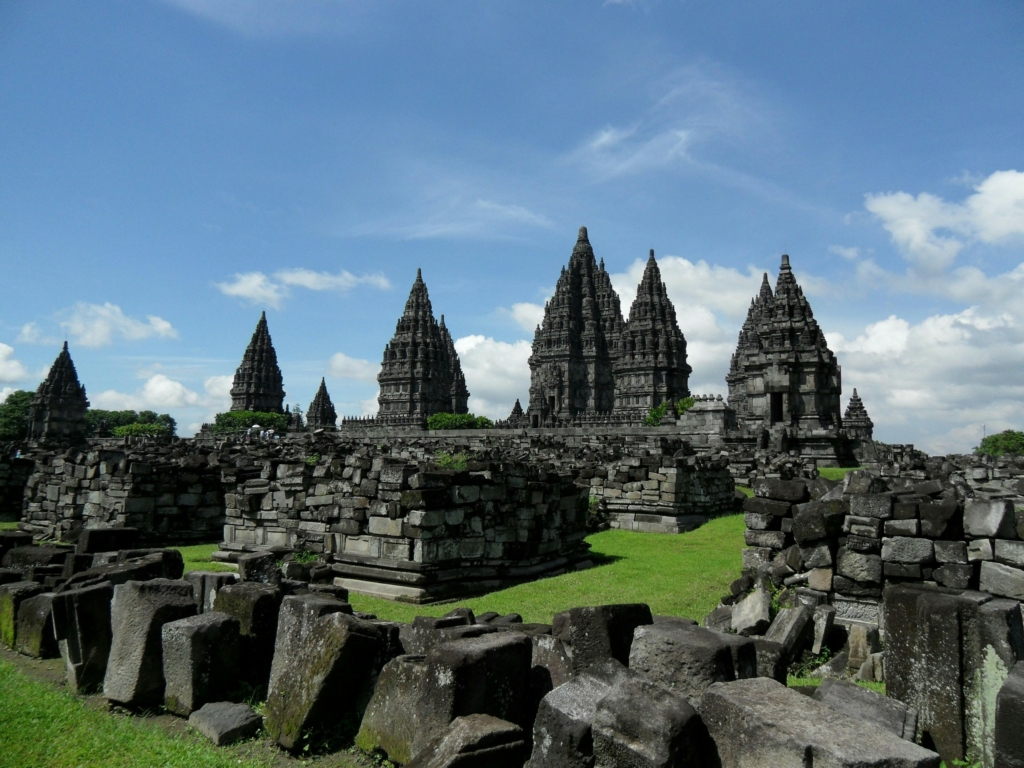
Watching sunrise at Borobudur feels surreal the first time you see it.
Nearby, Prambanan offers a completely different atmosphere with towering Hindu temple structures glowing in late afternoon light.
Most shared sunrise tours to Borobudur cost around IDR 300,000 to 600,000 ($18 to $36 USD), depending on transport and entrance fees.
Tips for Solo Travelers in Jogja
Compared to Bali, Jogja feels more conservative.
Dressing modestly often helps travelers avoid unwanted attention and feel more comfortable while exploring the city.
If someone approaches offering “free tours,” it’s usually better to politely decline and stick with trusted operators instead. At night, sticking to busier streets and avoiding isolated alleys around unfamiliar areas usually feels safer.
For Slower Island Life: Lombok & the Gili Islands
Some travelers fall in love with Bali. Others eventually need a break from the crowds, traffic, and nonstop energy.
That’s usually when Lombok starts sounding very appealing. The beaches are quieter, the roads are calmer, and life moves at a much slower pace compared to Bali.
Choosing the Right Gili Island
Each of the Gili Islands attracts a different kind of traveler.
Gili Trawangan draws backpackers looking for beach parties, social hostels, and nightlife. Gili Air usually strikes the best balance between social and relaxed. Gili Meno feels quieter, slower, and far more isolated.
The islands have few motorized vehicles, so people get around by walking, on bicycles, or in horse carts.
Getting Around Lombok & the Gilis
- Fast boat tickets: IDR 250,000 to 650,000 ($15 to $40 USD) one way.
- Surf lessons in Lombok: IDR 350,000 to 700,000 ($21 to $43 USD)
During rough weather, boat rides can feel intense. If you get seasick easily, bring motion sickness tablets before boarding.
ATMs on smaller islands also occasionally run out of cash during busy periods, so carrying backup cash helps.
Where Backpackers Stay in Lombok & the Gilis
Kuta Lombok and the Gili Islands both attract backpackers seeking a slower, more social alternative to Bali.
In Kuta Lombok, many travelers stay close to the surf beaches and café areas, so it’s easier to join surf lessons, meet other backpackers, and explore nearby beaches. If you’re planning a trip there, this guide to Kuta Lombok’s surf beaches and coastal scene can help you plan.
In Gili Trawangan, most backpackers stay near the main social areas close to beach bars, snorkeling tours, and nightlife spots. This guide to the best things to do in Gili Trawangan is useful if you want to know what the island is actually like before booking your stay.
Social hostels around Lombok and the Gili islands make it easier to meet people through shared dinners, group activities, and island tours. Places like Mad Monkey often attract backpackers looking for a social atmosphere while traveling through Indonesia.
Safety Tips for Lombok & the Gilis
Some beaches and roads feel extremely isolated after dark. At night, stick closer to busier areas where there are still people around.

For Adventure & Wildlife: Komodo National Park
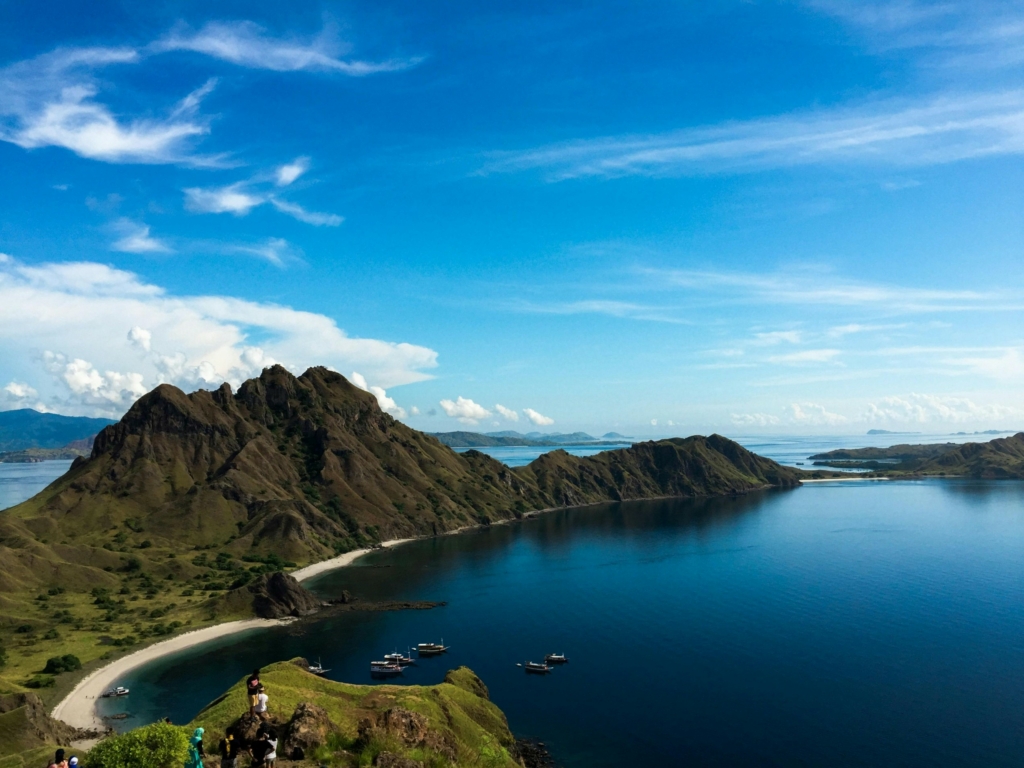
There’s something slightly unreal about Komodo National Park.
The islands look prehistoric from a distance, the water shifts between deep blue and bright turquoise, and some viewpoints barely look real in photos.
Most travelers start from Labuan Bajo before joining island-hopping boat tours around the national park.
Day Trips vs Liveaboards
- Day tours: IDR 1,000,000 to 2,500,000 ($60 to $150 USD)
- Multi-day liveaboards: prices vary depending on comfort and cabin type
Some backpackers choose day trips, while others spend several nights on liveaboard boats between islands. Here, it’s worth booking tours through verified operators with strong recent reviews.
Backpacker Safety Tips for Komodo
Komodo dragons are genuinely dangerous wild animals. Always stay close to official guides and follow ranger instructions carefully.
For Jungle Trekking & Remote Travel: Sumatra
Sumatra feels rougher around the edges compared to Bali. Transport takes longer, and rough roads quickly become exhausting. Infrastructure isn’t always smooth.
For many backpackers, though, that’s part of the adventure.
Backpacking Through Sumatra
Travel between destinations can take far longer than expected, so trying to move too quickly across the island usually becomes exhausting fast.
Internet connections often become unreliable in remote areas. This part of Indonesia is more challenging than Bali or the Gilis, especially in remote areas where tourism infrastructure feels less developed.
Jungle Trekking in Bukit Lawang
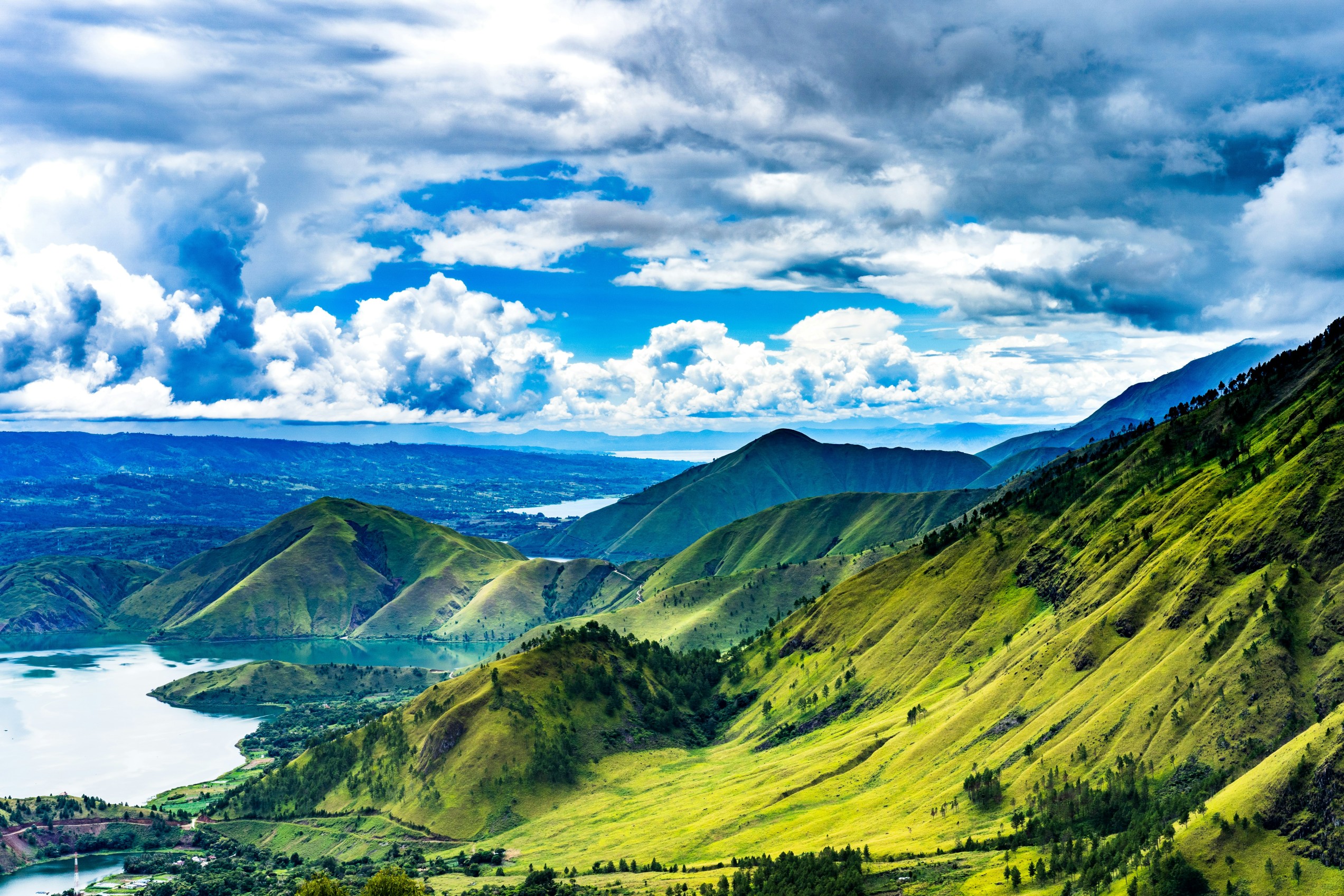
In Gunung Leuser National Park, jungle treks feel less like a casual walk and more like getting dropped straight into the wild. Trails cut through thick rainforest, river crossings turn muddy fast, and if you’re lucky, you might spot wild orangutans swinging high above the trees while the jungle hums around you.
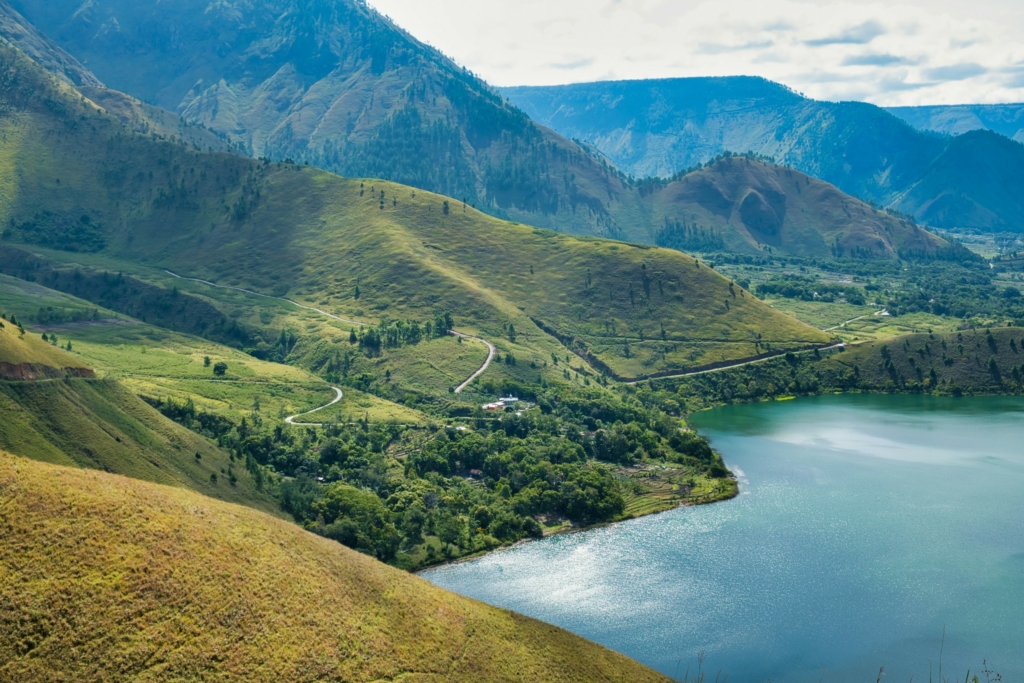
After a few sweaty days deep in the rainforest, Lake Toba feels like the perfect reset. The pace slows, the views stretch across the massive volcanic lake, and many backpackers end up staying longer than planned just to recover, recharge, and take a break from nonstop travel.
- Multi-day jungle treks: IDR 1,500,000 to 4,000,000 ($90 to $240 USD)
If you’re trekking through this part of Sumatra, experienced local guides matter. Trails can get rough quickly, especially in remote jungle areas where getting lost is a very real possibility.
Backpacker Tips for Solo Female Travel in Indonesia
Staying Connected
Staying connected in Indonesia makes travel days way less stressful, especially when you’re moving between islands or landing somewhere late at night.
A lot of backpackers now sort out their eSIM before arriving, so maps, Grab, Gojek, and hostel bookings work straight away. Options like Mad Monkey’s eSIM make it easier to stay connected from the moment you land instead of trying to find a local SIM shop after a long flight.
- eSIM packages usually range from around IDR 100,000 to 250,000 ($6 to $15 USD), depending on your data plan and trip length
Having mobile data ready from the start makes getting around Indonesia much smoother, especially when plans change at the last minute.
Respect Local Culture
Bali feels more relaxed, but areas in Java and Sumatra often feel more conservative. Dressing respectfully often helps travelers avoid unwanted attention and feel more comfortable during interactions.
Carrying a light scarf or sarong also helps for temple visits and conservative areas.
Plan for Delays
Ferry schedules, weather, and transport delays can change plans quickly in Indonesia, especially when you’re moving between islands.
Instead of planning tight same-day connections, leave extra time between ferries, flights, and long-distance transfers whenever possible.
For checking transport schedules and booking tickets, many backpackers use apps and platforms like 12Go Asia for ferries, buses, and shuttle routes between major destinations like Bali, Lombok, and the Gili Islands. Grab and Gojek also help with local transport once you arrive in bigger towns and cities.
Before heading to smaller islands or remote areas, double-check ferry schedules directly with your hostel or local operators, too. Weather conditions can delay or cancel boats with very little notice.
Read Reviews Before Booking
Before booking hostels, guesthouses, tours, or transport, spend time reading recent reviews from other travelers. They often reveal the details you won’t find in photos, like safety concerns, noisy locations, unreliable transport pickups, uncomfortable dorm setups, or whether a place actually feels social and welcoming.
For solo travelers, reviews can also help you figure out which areas feel safer at night, which hostels make it easier to meet people, and which tours travelers genuinely trust.
Why So Many Solo Female Backpackers Stay Longer in Indonesia
Backpacking through Indonesia rarely goes exactly as planned. Somehow, that’s what makes it unforgettable.
A short stay can easily turn into weeks after meeting new people, changing routes at the last minute, or finding islands you never meant to visit in the first place.
For solo female travelers, the experience often feels equal parts exciting, messy, challenging, and rewarding.
Stay aware, trust your instincts, and leave room for unexpected detours along the way. Indonesia has a way of turning simple travel plans into stories you’ll still talk about long after the trip ends.
FAQ About Solo Female Travel in Indonesia
Overall, yes — most solo female travelers in Indonesia experience far more kindness than danger, especially in places like Bali, Lombok, and the Gili Islands, where it’s easier to find reliable transport, social hostels, and other travelers nearby.
Solo female travel in Indonesia feels exciting, unpredictable, social, and slightly chaotic at times, with ferry delays, spontaneous travel plans, and last-minute adventures quickly becoming part of the experience.
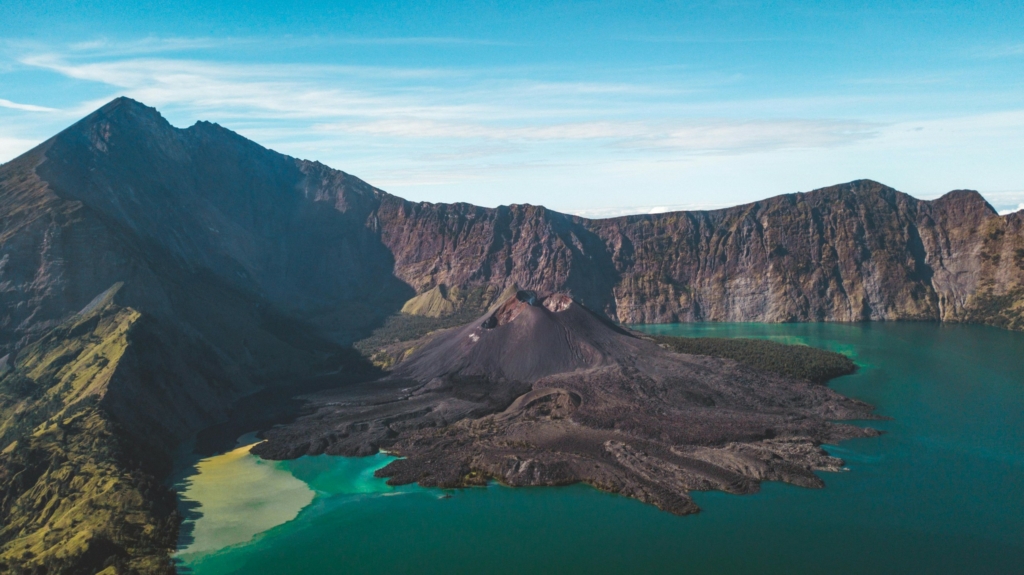
Many travelers come to Bali but end up staying longer to explore surf towns in Lombok, island life in the Gilis, volcano hikes in Java, and jungle trekking in Sumatra.
Traveling around Indonesia usually takes more time and flexibility than expected, so leaving extra buffer days, checking ferry schedules through platforms like 12Go Asia, carrying backup cash, and setting up mobile data before arriving can make the trip much smoother.
More Solo Female Travel Guides in Indonesia
Indonesia Solo Female Travel Safety Tips and Advice – by Solo Female Travelers
The ultimate solo travel guide to Indonesia: Everything you need to know – by Flash Pack
Pin Now. Read Later.