







Contents
FOR IMMEDIATE RELEASE
SOUTHEAST ASIA – As the travel industry enters the second half of 2026, a fundamental shift is occurring in how young people move across the globe. The era of the curated itinerary is being replaced by a desire for unscripted, human-centric experiences. Mad Monkey Hostels has identified this shift as the primary driver behind a significant increase in guest stay durations across Southeast Asia and Australia.
Recent data from American Express and Amadeus confirms that 83% of Gen Z now prioritize unique, authentic experiences over popular tourist attractions. At Mad Monkey, this isn’t just a statistic; it’s a daily reality. The brand is reporting that travelers are increasingly bypassing “must-see” landmarks to stay longer in one location, build genuine community, and participate in local social impact projects.
Rejecting the Performative
“The travel industry has spent a decade selling a fantasy designed for a phone,” says Kyle Kenny, Commercial Director at Mad Monkey. “But travelers in 2026 are experiencing digital fatigue. They are rejecting performative travel—the kind done just for social media—and are instead seeking to connect in real life. They want to meet people who challenge their perspectives, not just people who like their photos.”
This shift toward regenerative travel marks a turning point for the industry. Rather than treating a destination as a backdrop for content, Mad Monkey guests are increasingly engaging in:
- Extended Community Integration: Staying two to three weeks in a single location to build deeper roots.
- Active CSR Participation: Swapping traditional tours for hands-on involvement in education, clean water initiatives, and local economic development.
- Unmediated Socializing: A return to communal dining and shared social rituals that prioritize spontaneous conversation over digital interaction.
The New Currency: Community over Luxury
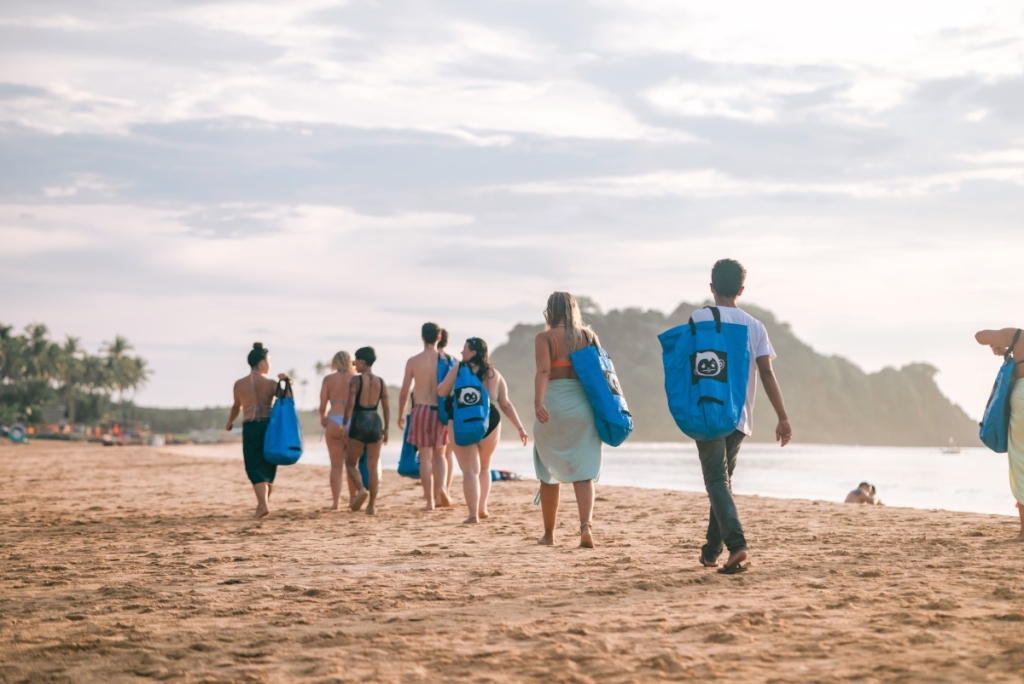
While traditional hospitality brands have doubled down on luxury and aesthetics, Mad Monkey’s growth suggests that the new traveller’s currency is belonging. Modern travel is less about where you go and more about the quality of the people you meet once you arrive.
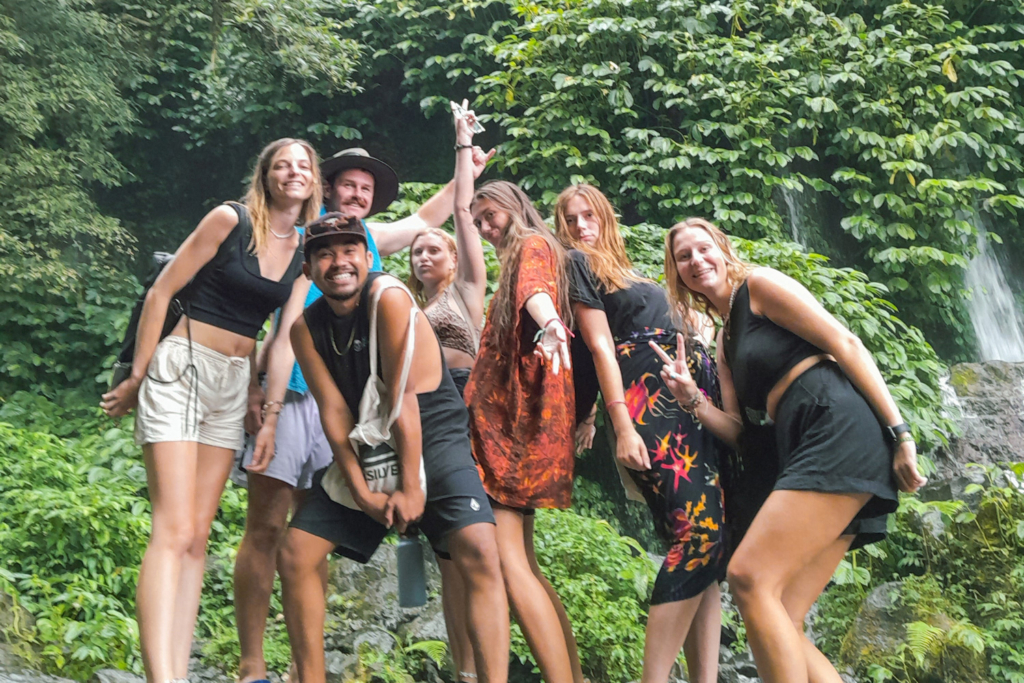
“The brands that will thrive in 2026 are those that provide the infrastructure for human connection,” continues Kenny. “Our guests aren’t looking for a perfect sunset; they’re looking for someone to watch it with. That’s a subtle but massive difference in how we approach hospitality.”
Key 2026 Travel Insights:
- Authenticity Over Attractions: 73% of global travelers now seek cultural immersion over traditional sightseeing.
- The Rise of Real-Life Connection: Amadeus research identifies the desire to connect in person as a defining trend of the 2025–2026 travel cycle.
- Impact-Driven Stays: Travelers are three times more likely to book accommodations that offer transparent, direct-to-community social responsibility programs.
As Mad Monkey continues to expand its footprint across Southeast Asia and Australia, it remains committed to being the home of the authentic traveller—the one who seeks the real, the raw, and the unscripted.
About Mad Monkey Hostels
Mad Monkey is a leading hostel operator in Southeast Asia, known for experience-driven stays that blend affordable accommodation with community, adventure, and unforgettable social energy. With locations across Cambodia, Vietnam, the Philippines, Thailand, Indonesia, Laos, and Australia, Mad Monkey is more than a place to stay – it’s a place to belong.
