





Contents
TL;DR
- Follow this 30 Days Itinerary in Thailand from Bangkok to Koh Tao for a well-paced backpacking route.
- Experience a mix of historic temples, mountain towns, street food, island hopping, diving, and nightlife without spending most of the trip in transit.
- Budget around ฿900-1,500 ($25-42 USD) per day for hostels, local transport, food, and activities, excluding international flights.
- November to February offers the most comfortable weather for sightseeing, hiking, and exploring Thailand’s islands.
This 30-Day Itinerary in Thailand takes you from Bangkok’s bustling streets to the mountains of Northern Thailand before ending on the country’s tropical islands. Over one month, you’ll experience dynamic cities, ancient temples, mountain landscapes, and world-famous beaches at a pace that leaves room to explore rather than rush from place to place.
This itinerary follows a practical north-to-south route, starting in Bangkok before heading to Ayutthaya, Chiang Mai, Pai, and Chiang Rai, then continuing south to Krabi, Koh Lanta, Phuket, and Koh Tao before returning to Bangkok. Along the way, you’ll discover Thailand’s food culture, historic landmarks, national parks, beaches, and social hostels that connect independent travelers along the route.
| Days | Destination | Highlights |
|---|---|---|
| Days 1-4 | Bangkok | Temples, street food, Khao San Road, markets |
| Days 5-6 | Ayutthaya | UNESCO ruins, cycling, river tours |
| Days 7-10 | Chiang Mai | Temples, night markets, elephant sanctuary |
| Days 11-13 | Pai | Hot springs, waterfalls, Pai Canyon |
| Days 14-16 | Chiang Rai | White Temple, Blue Temple, Baan Dam Museum |
| Days 17-20 | Krabi | Railay Beach, island hopping, Tiger Cave Temple |
| Days 21-23 | Koh Lanta | Beaches, snorkeling, national park |
| Days 24-26 | Phuket | Old Town, beaches, Phi Phi Islands |
| Days 27-29 | Koh Tao | Diving, snorkeling, Koh Nang Yuan |
| Day 30 | Bangkok | Departure and last-minute exploring |
Days 1-4: Bangkok – Start Your 30-Day Thailand Itinerary
Bangkok is the ideal place to begin a 30-Day Itinerary in Thailand. As Thailand’s main international gateway, it offers easy connections to every major backpacker destination while introducing travelers to the country’s street food, historic temples, riverfront neighborhoods, and nightlife. Four days is enough time to explore the city’s cultural landmarks before continuing north to Ayutthaya.
Top Things to Do in Bangkok
Visit the Grand Palace and Wat Pho
Thailand’s most famous royal landmark is home to the Emerald Buddha, while neighboring Wat Pho houses the 46-meter Reclining Buddha and is considered the birthplace of traditional Thai massage.
Explore Khao San Road
Khao San Road remains one of Bangkok’s best-known backpacker districts. Browse market stalls, sample affordable street food, visit rooftop bars, or meet other travelers before continuing across Thailand.
Cruise the Chao Phraya River
Skip Bangkok’s traffic by taking a river boat between attractions like Wat Arun, Tha Tien Pier, and IconSiam while seeing another side of the city.
Shop at Chatuchak Weekend Market
If visiting on a Saturday or Sunday, Chatuchak Weekend Market is worth adding to the itinerary. With thousands of vendors selling clothing, local crafts, vintage goods, and street food, it’s one of the world’s largest weekend markets.
How Long to Stay in Bangkok
Four days gives you enough time to experience Bangkok’s iconic landmarks, explore local neighborhoods, sample the street food scene, and ease into a month-long backpacking route.
Where to Stay in Bangkok
Located just a short walk from Khao San Road, Mad Monkey Bangkok offers easy access to Bangkok’s street food scene, historic temples, and Chao Phraya River ferries, making it a convenient starting point for a journey through Thailand.
Days 5-6: Ayutthaya – A Must-Visit Stop on Your Thailand Backpacking Itinerary
Just 80 kilometers north of Bangkok, Ayutthaya was once the capital of the Kingdom of Siam and is now one of Thailand’s most important UNESCO World Heritage Sites. Two days is enough to cycle between centuries-old temple ruins, take a river cruise around the historic island, and experience a quieter side of the country before continuing north to Chiang Mai.
Top Things to Do in Ayutthaya
Explore Ayutthaya Historical Park
The best way to explore the ancient city is by bicycle. Ride between iconic temples including Wat Mahathat, famous for the Buddha head entwined in tree roots, Wat Phra Si Sanphet, and Wat Ratchaburana, all within the UNESCO-listed historical park.
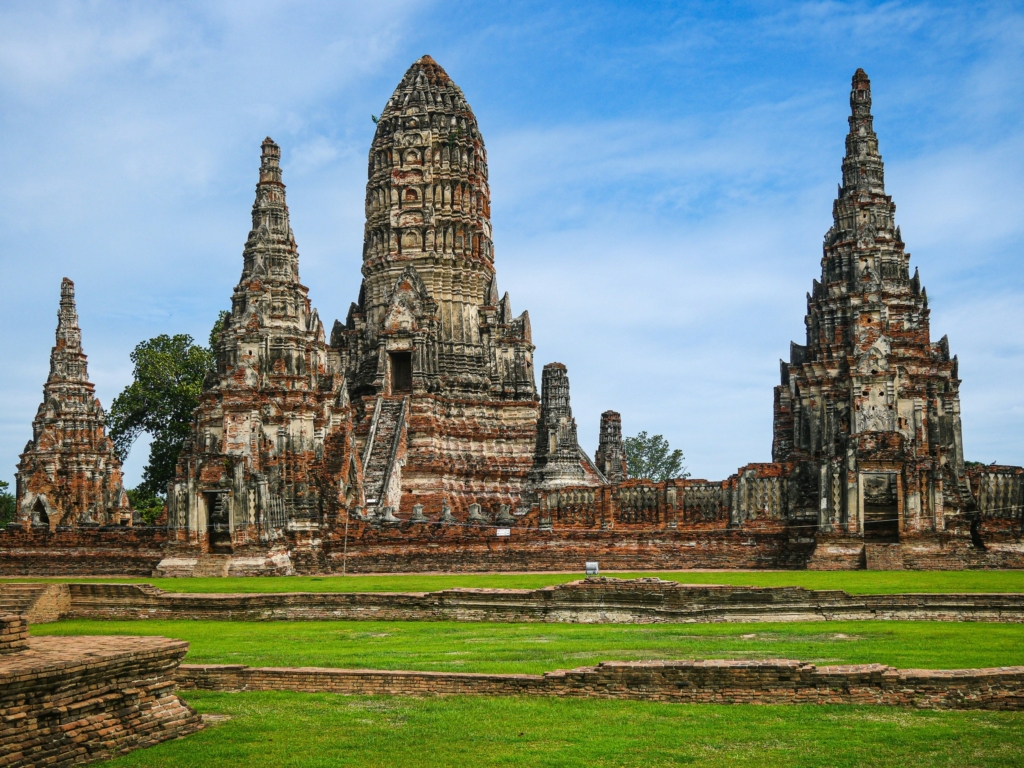
Visit Wat Chaiwatthanaram
Located on the banks of the Chao Phraya River, Wat Chaiwatthanaram is one of Ayutthaya’s most photographed temples. Visit in the late afternoon when the golden light highlights the Khmer-style architecture and riverside setting.
Take a River Cruise
See Ayutthaya from a different perspective on a boat tour around the island. Many cruises pass historic temples, local communities, and riverside monasteries while offering insight into how the city’s waterways shaped its history.
How Long to Stay in Ayutthaya
Two days gives you enough time to visit Ayutthaya’s major temple complexes, cycle through the historical park, and enjoy a slower pace before taking the train or bus to Chiang Mai.
Local Insight: Rent a bicycle early in the morning to avoid the midday heat, and dress respectfully when visiting temple grounds by covering shoulders and knees.
Getting to Chiang Mai
Chiang Mai is around 9 to 11 hours by overnight train from Ayutthaya, making it one of Thailand’s most popular sleeper train routes. Travelers short on time can also return to Bangkok and take a domestic flight.
Days 7-10: Chiang Mai, Northern Thailand’s Cultural Hub
Chiang Mai offers a slower pace than Bangkok while serving as Northern Thailand’s cultural center. Surrounded by mountains, the city is known for its centuries-old temples, lively night markets, renowned food scene, and easy access to nature. Four days is enough time to explore the Old City, visit ethical elephant sanctuaries, and sample some of Thailand’s best northern cuisine.
Top Things to Do in Chiang Mai
Visit Doi Suthep Temple
Perched on a mountainside overlooking the city, Wat Phra That Doi Suthep is Chiang Mai’s most famous temple. Climb the Naga staircase or take the tram to admire the golden chedi and panoramic views across the city.
Explore Chiang Mai’s Old City
The Old City is home to some of Northern Thailand’s most significant temples, including Wat Phra Singh, Wat Chedi Luang, and Wat Chiang Man. Wander its historic streets to discover cafés, local markets, and traditional architecture.
Visit an Ethical Elephant Sanctuary
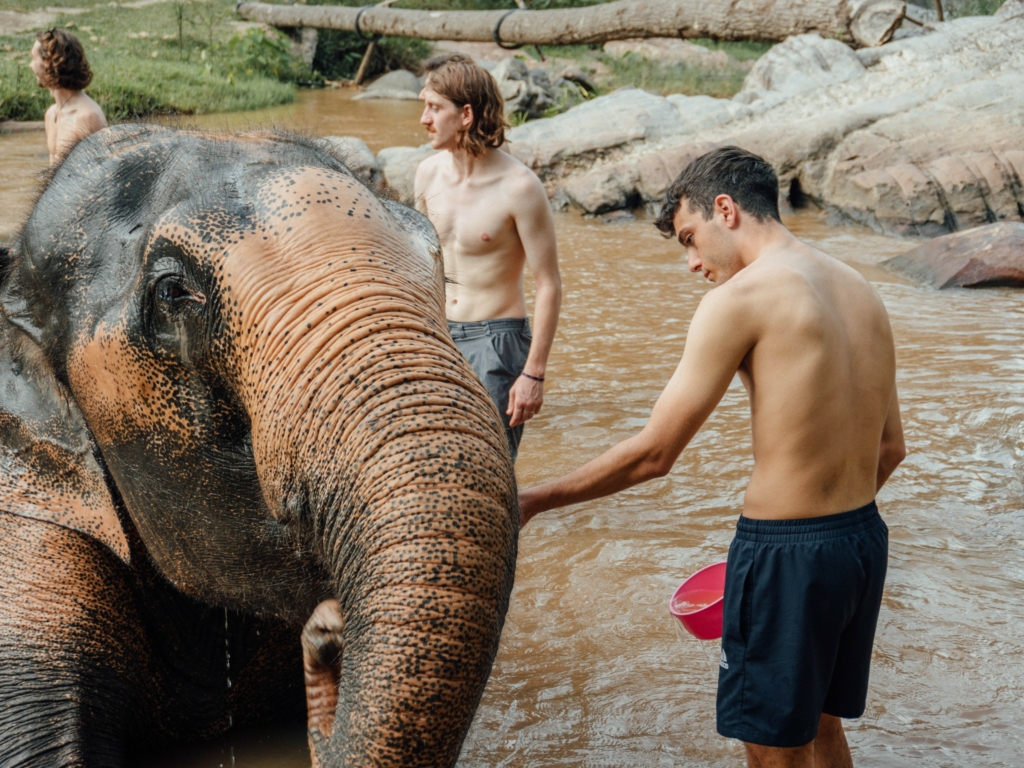
Northern Thailand is one of the best places to learn about elephant conservation. Spend a day at an ethical sanctuary such as Elephant Nature Park, where rescued elephants roam freely, and visitors can observe them without riding or performances.
Wander Through the Sunday Walking Street
If visiting on a Sunday, the Sunday Walking Street Market transforms Ratchadamnoen Road into one of Chiang Mai’s largest open-air markets. Browse handmade crafts, watch local performers, and try northern specialties like khao soi, sai ua, and mango sticky rice.
How Long to Stay in Chiang Mai
Four days gives you time to experience Chiang Mai’s historic temples, markets, mountain scenery, and local food while leaving room for a day trip beyond the city.
Local Insight: Visit Doi Suthep early in the morning for cooler temperatures, fewer tour groups, and clear views over Chiang Mai before the afternoon haze sets in.
Where to Stay in Chiang Mai
To experience Chiang Mai beyond its landmarks, consider staying at Mad Monkey Chiang Mai on Ratchamanka Road, where you’re within walking distance of historic temples, neighborhood cafés, and the Old City’s vibrant night markets.
Getting to Pai
Pai is around 3 to 4 hours from Chiang Mai by minivan, following the famous route with 762 curves through Northern Thailand’s mountains. Travelers planning to rent a scooter in Pai generally find it easier to arrange one after arriving rather than riding the mountain road themselves.
Days 11-13: Pai, Northern Thailand’s Mountain Escape
Just a few hours from Chiang Mai, Pai is a small mountain town known for its scenic viewpoints, waterfalls, hot springs, and relaxed atmosphere. Three days is enough time to explore the surrounding countryside by scooter, visit natural attractions, and experience one of Northern Thailand’s most popular backpacker stops.
Top Things to Do in Pai
Watch Sunset at Pai Canyon
Pai Canyon is one of the town’s most iconic viewpoints. Arrive before sunset to walk the narrow ridgelines and enjoy panoramic views across the surrounding mountains.
Relax at Tha Pai Hot Springs
Located inside Huai Nam Dang National Park, Tha Pai Hot Springs features naturally heated mineral pools surrounded by forest, making it an ideal stop after a day of exploring.
Visit Pai’s Waterfalls
Rent a scooter and spend the day exploring nearby waterfalls like Pam Bok Waterfall, Mo Paeng Waterfall, and Mae Yen Waterfall. Each offers a different experience, from swimming holes to short jungle hikes.
Explore Pai Walking Street
Every evening, Pai Walking Street comes alive with food vendors, handmade crafts, live music, and local artists. It’s one of the best places to sample Northern Thai street food and meet fellow travelers.
Go Tubing on the Pai River
One of Pai’s popular backpacker experiences combines a leisurely float down the Pai River with riverside stops, music, and opportunities to meet other travelers during the dry season.
How Long to Stay in Pai
Three days gives you enough time to explore Pai’s natural attractions, enjoy its evening markets, and slow the pace before continuing to Chiang Rai.
Safety Note: Renting a scooter is the easiest way to explore Pai’s viewpoints and waterfalls, but only ride if you’re comfortable on mountain roads. Always wear a helmet and carry an international driving permit if required.
Where to Stay in Pai
If you want to experience Pai beyond its viewpoints and waterfalls, consider staying at Mad Monkey Pai on Wiang Tai Road, just a short walk from Pai Walking Street, where food stalls, live music, and independent cafés bring the town together each evening.
Getting to Chiang Rai
There are no direct buses from Pai to Chiang Rai. Most travelers return to Chiang Mai by minivan before transferring to a bus for Chiang Rai. The journey typically takes 6 to 8 hours, depending on connections.

Days 14-16: Chiang Rai, Home to Thailand’s Most Distinctive Temples
Chiang Rai is known for its contemporary temples, public art, and slower pace compared to Chiang Mai. Three days here give travelers time to explore some of Thailand’s most distinctive landmarks, visit local cafés and markets, and experience another side of Northern Thailand before heading south to the beaches.
Top Things to Do in Chiang Rai
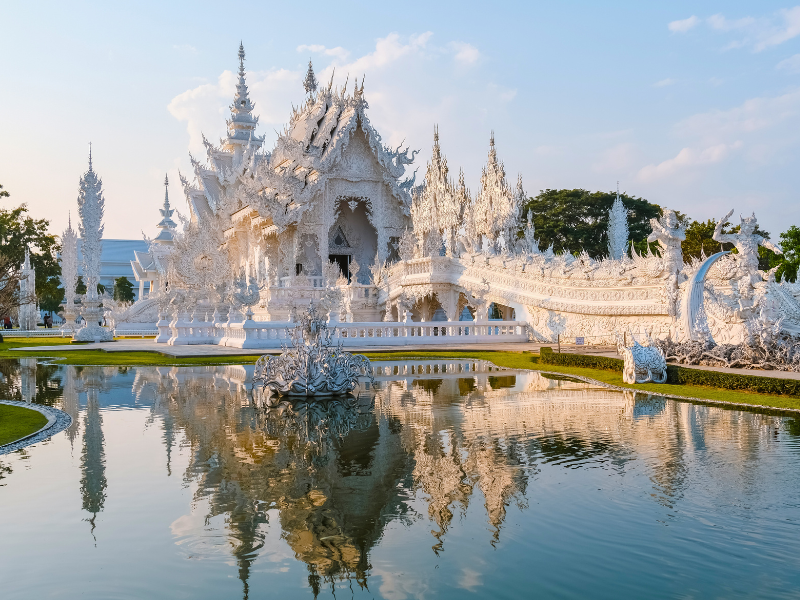
Visit the White Temple (Wat Rong Khun)
Designed by Thai artist Chalermchai Kositpipat, the White Temple is one of Thailand’s most recognizable landmarks. Its all-white exterior, mirrored mosaics, and symbolic artwork blend traditional Buddhist architecture with modern artistic expression.
Explore the Blue Temple (Wat Rong Suea Ten)
Known for its vivid blue interiors and intricate gold detailing, Wat Rong Suea Ten offers a striking contrast to the White Temple. The peaceful atmosphere and smaller crowds make it a worthwhile stop while exploring the city.
Wander Through Baan Dam Museum
Often called the Black House, Baan Dam Museum is a collection of buildings created by artist Thawan Duchanee. The museum combines traditional Lanna architecture with contemporary art, sculptures, and thought-provoking exhibits.
Visit the Chiang Rai Night Bazaar
Spend an evening browsing local handicrafts, sampling Northern Thai dishes, and watching live cultural performances at the Chiang Rai Night Bazaar, one of the best places to experience the city’s relaxed evening atmosphere.
How Long to Stay in Chiang Rai
Three days allows travelers to visit Chiang Rai’s major cultural attractions, enjoy the city’s slower pace, and prepare for the journey south to Krabi.
Local Insight: Most of Chiang Rai’s major attractions are located outside the city center. Renting a scooter or joining a half-day tour is often the most efficient way to visit the White Temple, Blue Temple, and Baan Dam Museum in one day.
Getting to Krabi
There are no direct flights from Chiang Rai to Krabi. Most routes connect through Bangkok, with a total travel time of around 4 to 6 hours, depending on the layover. Booking flights a few weeks in advance often secures the best fares, especially during high season.
Days 17-20: Krabi, Gateway to Thailand’s Andaman Coast
Krabi is the perfect base for exploring Southern Thailand’s limestone cliffs, island-hopping routes, and turquoise waters. Four days is enough time to visit Railay Beach, explore nearby islands, and experience some of the region’s most iconic coastal landscapes before continuing to Koh Lanta.
Top Things to Do in Krabi
Visit Railay Beach
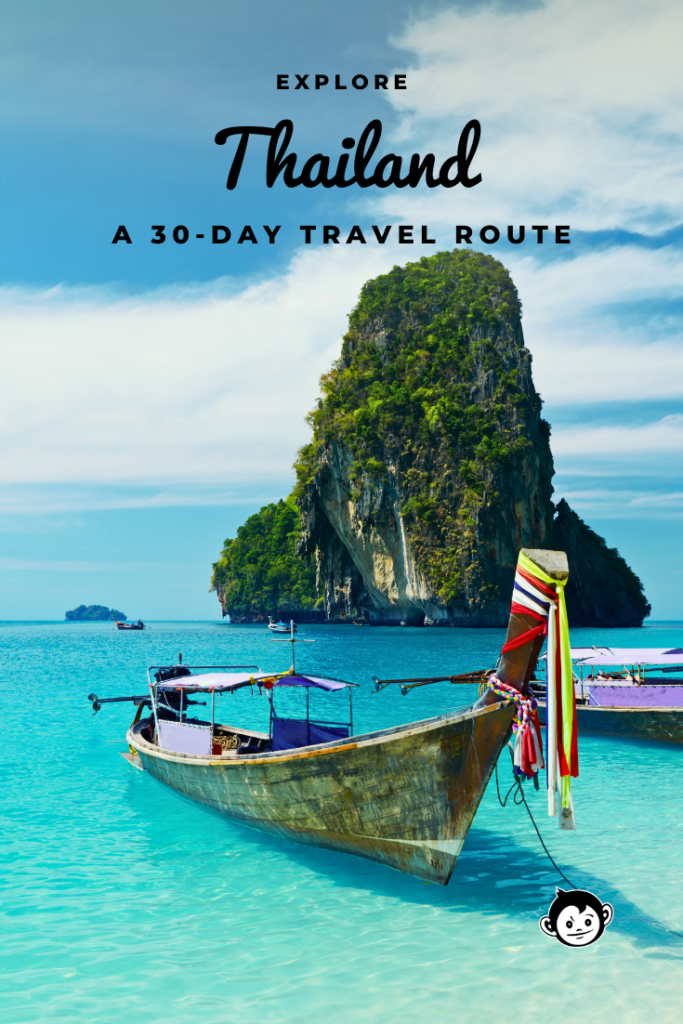
Accessible only by longtail boat from Ao Nang, Railay Beach is known for its towering limestone cliffs, white sand, and clear water. Whether relaxing on the beach or trying rock climbing, it’s one of Krabi’s must-visit destinations.
Climb Tiger Cave Temple
The 1,260-step climb to Tiger Cave Temple (Wat Tham Suea) rewards travelers with panoramic views across Krabi’s limestone karsts and surrounding countryside. Visit early in the morning to avoid the hottest part of the day.
Join a Four Islands Tour
A classic Krabi experience, the Four Islands Tour visits Chicken Island, Poda Island, Tup Island, and Phra Nang Cave Beach. Expect snorkeling, sandbars that appear at low tide, and plenty of opportunities to swim.
Explore Ao Nang
Ao Nang serves as Krabi’s main beach town and transport hub. Spend an evening browsing local shops, enjoying fresh seafood, or catching the sunset along the beachfront promenade before the next island adventure.
How Long to Stay in Krabi
Four days gives you enough time to explore Krabi’s beaches, take an island-hopping tour, visit Railay Beach, and enjoy the area’s outdoor activities without rushing.
Local Insight: Island tours are highly weather dependent. If the forecast looks uncertain, keep the itinerary flexible and book tours one or two days in advance rather than before arriving.
Where to Stay in Krabi
Ao Nang is the most convenient area to stay in Krabi. It offers easy access to longtail boats for Railay Beach, island-hopping tours, restaurants, cafés, and transport connections to Koh Lanta, making it an ideal base for exploring the Andaman Coast.
Getting to Koh Lanta
Ferries and speedboats connect Krabi to Koh Lanta during high season, while minivans operate year-round via the mainland bridge. The journey usually takes 2 to 3 hours, depending on the mode of transport.
Days 21-23: Koh Lanta, A Slower Pace on the Andaman Coast
After the energy of Krabi, Koh Lanta offers a slower pace with long stretches of sand, quiet sunsets, and easy access to some of Thailand’s best snorkeling spots. Three days is enough to explore the island by scooter, relax on its beaches, and take a day trip into the surrounding marine parks before continuing to Phuket.
Top Things to Do in Koh Lanta
Explore Long Beach and Kantiang Bay
Koh Lanta is home to several beautiful beaches, but Long Beach (Phra Ae Beach) and Kantiang Bay are among the island’s most popular. Spend the day swimming, watching the sunset, or stopping at beachfront cafés along the coast.
Visit Mu Ko Lanta National Park
Located at the southern tip of the island, Mu Ko Lanta National Park features jungle hiking trails, secluded beaches, and the iconic lighthouse overlooking the Andaman Sea. Keep an eye out for monkeys along the walking trails.
Snorkel Around Koh Rok
A day trip to Koh Rok offers some of the clearest water in Southern Thailand. The surrounding coral reefs are home to colorful tropical fish, making it one of the region’s best snorkeling destinations.
Explore Lanta Old Town
Once a trading port for Chinese and Muslim merchants, Lanta Old Town is lined with wooden stilt houses, waterfront cafés, local restaurants, and small artisan shops, a great place to experience a quieter side of island life beyond the beaches.
How Long to Stay in Koh Lanta
Three days gives you time to relax on Koh Lanta’s beaches, explore the island’s southern coastline, and take a snorkeling trip before continuing the journey.
Local Insight: Renting a scooter is one of the easiest ways to explore Koh Lanta, but roads become quieter heading south. Fill up the fuel tank before visiting the national park, as petrol stations are less frequent beyond Klong Nin.
Getting to Phuket
During high season, ferries connect Koh Lanta and Phuket in around 2 to 4 hours, depending on the route. Outside the ferry season, minivan transfers via the mainland are available year-round.
Days 24-26: Phuket, Thailand’s Largest Island
Phuket combines lively beach towns, historic neighborhoods, cultural landmarks, and easy access to some of Thailand’s most famous islands. Three days here give travelers time to explore Phuket Old Town, relax on the beach, and take a day trip to the Phi Phi Islands before crossing to the Gulf of Thailand.
Top Things to Do in Phuket
Explore Phuket Old Town
Walk through the colorful streets of Phuket Old Town, where restored Sino-Portuguese buildings house independent cafés, local restaurants, boutiques, and galleries. Thalang Road is one of the island’s most photographed streets.
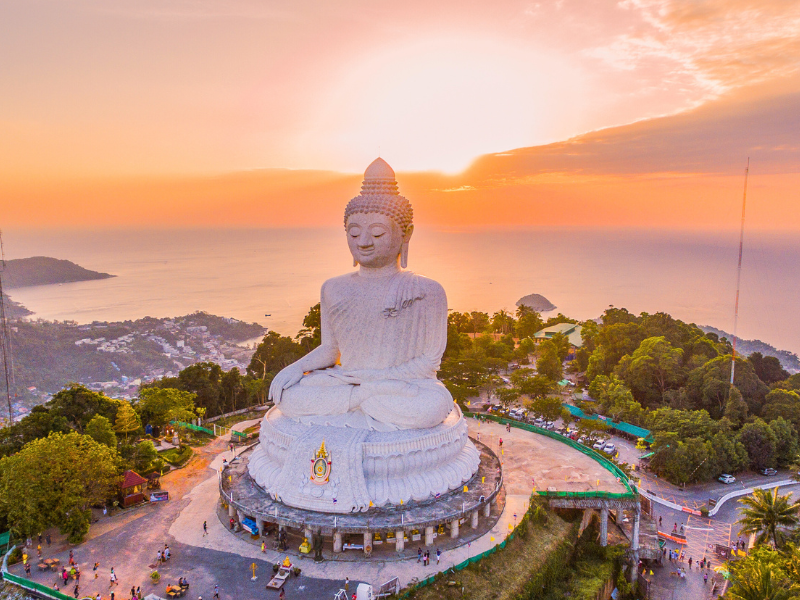
Visit the Big Buddha
Perched on Nakkerd Hill, the Big Buddha overlooks southern Phuket and offers panoramic views across the island. Restoration work may occasionally affect access, so it’s worth checking conditions before a visit.
Relax at Patong Beach
Patong Beach is Phuket’s busiest beach, known for its mix of watersports, restaurants, beach clubs, and nightlife. Whether spending the day on the sand or exploring nearby Bangla Road after sunset, it’s one of the island’s most popular areas.
Take a Phi Phi Islands Day Trip
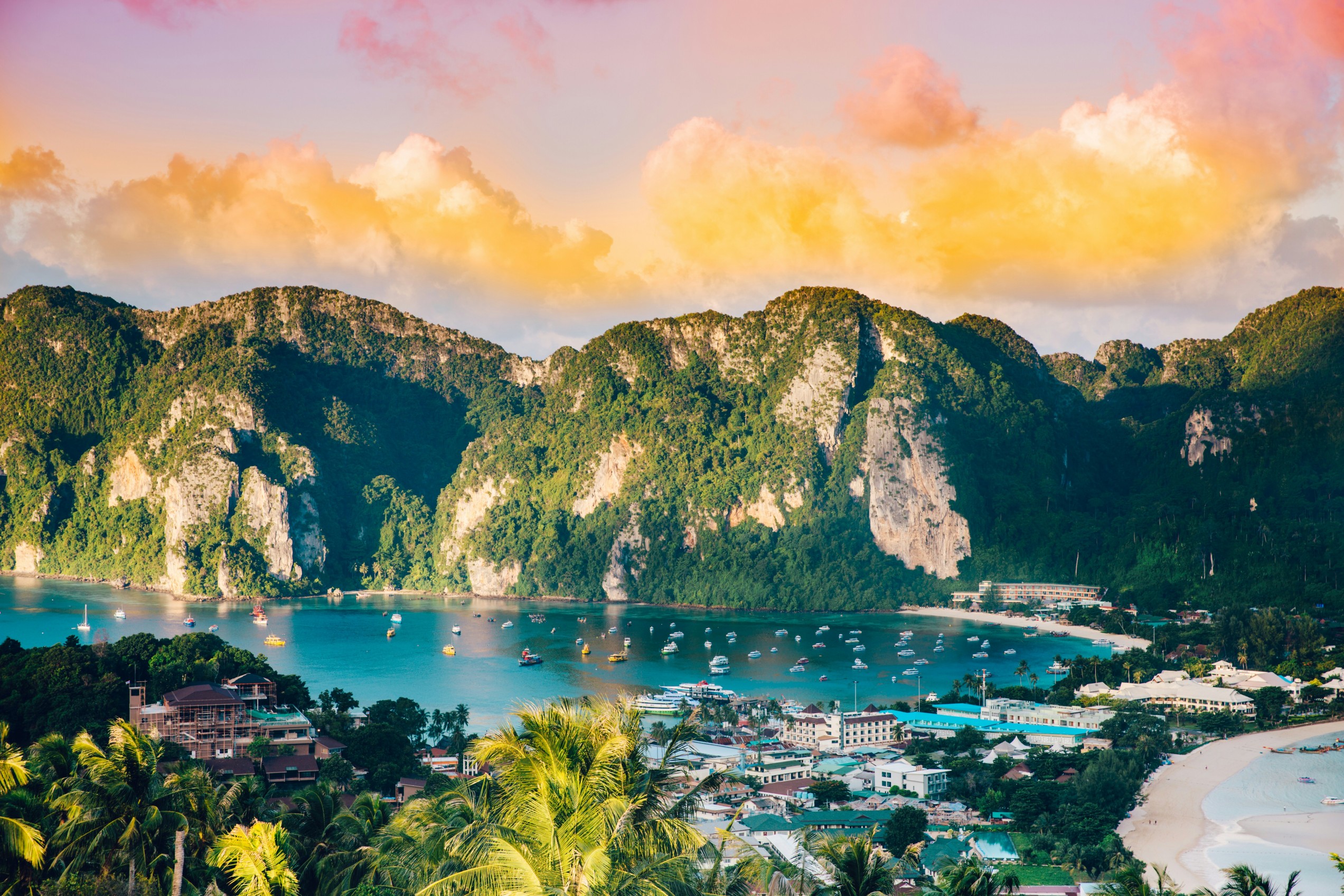
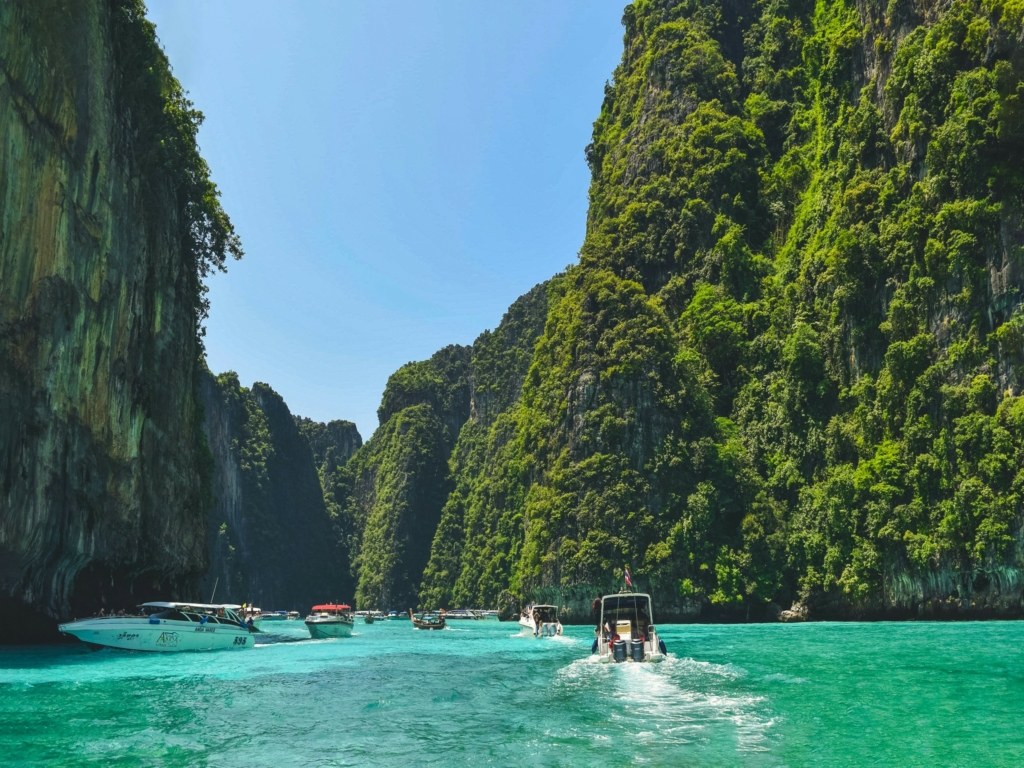
One of Phuket’s most popular excursions is a boat trip to the Phi Phi Islands, visiting turquoise lagoons, limestone cliffs, and snorkeling spots around Maya Bay, Pileh Lagoon, and Monkey Beach, depending on the tour itinerary.
How Long to Stay in Phuket
Three days gives you enough time to experience Phuket’s beaches, historic Old Town, and nearby islands before continuing to Koh Tao.
Local Insight: Phuket’s traffic can be heavy, especially around Patong and during the late afternoon. Travelers planning to visit the Big Buddha and Phuket Old Town on the same day should start early to make the most of their time.
Where to Stay in Phuket
If you’re planning to experience both Phuket’s beaches and nightlife, staying at Mad Monkey Phuket keeps you close to Patong Beach while making it easy to explore the island’s cultural landmarks and day trips.
Getting to Koh Tao
The fastest route is to travel from Phuket to Koh Samui by flight, then continue by high-speed ferry to Koh Tao. Depending on connections, the journey typically takes 5 to 7 hours. Budget travelers can also travel overland and by ferry, although the trip takes considerably longer.
Days 27-29: Koh Tao, Thailand’s Underwater World
Koh Tao is one of Thailand’s top diving destinations, attracting travelers with its coral reefs, clear waters, and relaxed island atmosphere. Whether earning a first scuba certification or simply looking to snorkel and enjoy the beaches, three days is enough time to experience the island before returning to Bangkok.
Top Things to Do in Koh Tao
Learn to Scuba Dive
Koh Tao is one of the world’s most popular places to earn an Open Water Diver certification, thanks to its calm conditions, abundant marine life, and wide selection of dive schools. Certified divers can also explore deeper sites filled with coral reefs, turtles, and reef fish.
Snorkel at Shark Bay
Shark Bay (Thian Og Bay) is one of Koh Tao’s best snorkeling spots and is known for sightings of blacktip reef sharks and green sea turtles. Visit early in the morning when the water is typically calmer and visibility is at its best.
Visit Koh Nang Yuan
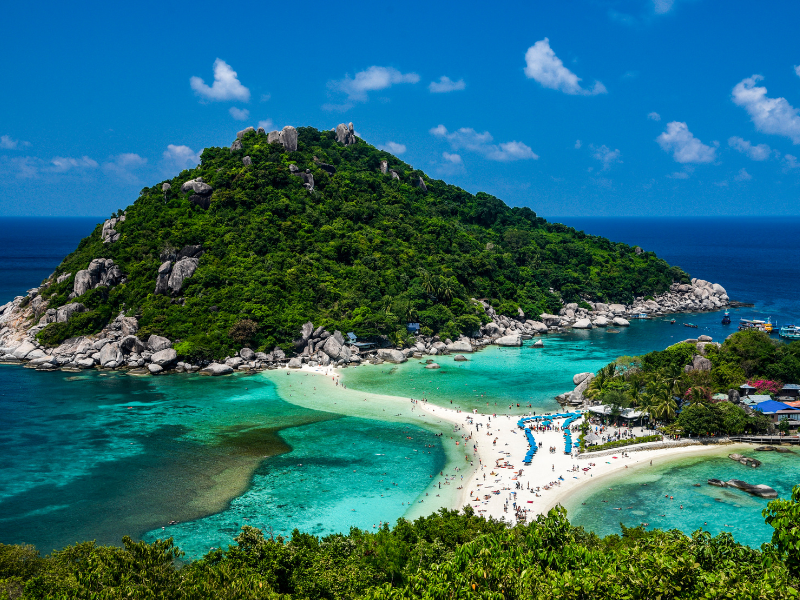
Just a short boat ride from Koh Tao, Koh Nang Yuan is famous for its three small islands connected by a white sandbar. Climb to the viewpoint for one of Southern Thailand’s most recognizable island views before spending time snorkeling around the surrounding reefs.
Watch Sunset at Sairee Beach
End the day at Sairee Beach, Koh Tao’s longest beach, where beachfront cafés and restaurants provide the setting to watch the sunset after a day on the water.
How Long to Stay in Koh Tao
Three days gives you enough time to dive or snorkel, explore Koh Tao’s beaches, and enjoy a slower pace before returning to Bangkok.
Safety Note: Travelers planning to dive should schedule their certification course or fun dives early in the stay. This allows enough time to complete the recommended 18 to 24-hour no-fly interval before boarding a flight from Koh Samui.
Getting Back to Bangkok
Travel back to Koh Samui by ferry, then catch a domestic flight to Bangkok. Depending on ferry schedules and flight connections, the journey usually takes 4 to 6 hours, making it the quickest way to finish a 30-day Thailand itinerary.
Day 30: Return to Bangkok
Return to Bangkok for the final day in Thailand. If the departure flight leaves later in the day, use the extra time to explore a neighborhood missed earlier, shop for souvenirs at a local market, or enjoy one last plate of pad thai before heading to the airport.
Travelers flying internationally should allow extra time to reach Suvarnabhumi Airport (BKK) or Don Mueang International Airport (DMK), especially during peak traffic hours.

Travel Tips for Backpacking Around Thailand
Budgeting for Domestic Transport
Thailand has an extensive network of trains, buses, ferries, and low-cost airlines, making it easy to travel between destinations. Overnight trains are a popular option between Ayutthaya and Chiang Mai, while domestic flights can save time on longer routes like Chiang Rai to Krabi or Koh Samui to Bangkok.
Carrying Cash and Cards
Credit cards are widely accepted in cities and larger businesses, but many street food vendors, local markets, and smaller cafés still prefer cash. ATMs are easy to find throughout Thailand, although most charge a withdrawal fee for international cards.
Respecting Local Customs
When visiting temples, wear clothing that covers shoulders and knees, and remove shoes before entering temple buildings to help preserve these important cultural sites.
Staying Connected
Buying an eSIM makes it easier to book transport, use navigation apps, and communicate with accommodation providers throughout the trip. Coverage is reliable across most of Thailand, including many islands.
Planning Island Travel Around the Weather
Ferry schedules and island tours can change because of sea conditions, particularly during monsoon season. Leave some flexibility in the itinerary and confirm departure times with the ferry operator a day before traveling.
Renting Scooters Responsibly
Scooters are a convenient way to explore destinations like Pai and Koh Lanta, but only for experienced riders. Always wear a helmet, carry the correct licence or international driving permit where required, and confirm travel insurance covers motorcycle use.
Learn a Few Thai Phrases
Knowing basic phrases like “sawadee” (hello) and “khob khun” (thank you) can go a long way and make locals appreciate your effort! Check out this article to learn some Thai phrases.

Make the Most of 30 Days in Thailand
A month in Thailand gives travelers the chance to experience far more than the country’s famous beaches. From Bangkok’s historic temples and Chiang Mai’s mountain culture to Krabi’s limestone coastline and Koh Tao’s underwater world, this itinerary showcases the diversity that makes Thailand one of Southeast Asia’s most popular backpacking destinations.
Following this route keeps travel time manageable while balancing cities, mountains, and islands, allowing travelers to experience each destination without constantly moving. Whether traveling solo or with friends, staying at Mad Monkey hostels along the way makes it easy to connect with other travelers, swap recommendations, and share the journey across Thailand.
Frequently Asked Questions
Yes. Thirty days gives travelers enough time to experience Thailand’s major cities, northern mountains, and southern islands without feeling rushed. This itinerary balances sightseeing with travel days and includes time to slow down in destinations like Pai and Koh Lanta.
Budget backpackers typically spend around ฿900-1,500 per day, covering hostel accommodation, local transport, street food, and many activities. Costs increase with scuba diving, island tours, or domestic flights.
A north-to-south route is one of the most practical options. Starting in Bangkok before traveling through Ayutthaya, Chiang Mai, Pai, Chiang Rai, Krabi, Koh Lanta, Phuket, and Koh Tao reduces unnecessary backtracking and makes transport easier.
The most popular time to travel is between November and February, when cooler temperatures and lower humidity create comfortable conditions for sightseeing, hiking, and island hopping. The shoulder seasons can also be rewarding with fewer crowds.
Yes. Most destinations are well connected by public transport, ferries, songthaews, taxis, and organized tours. While scooters offer more flexibility in places like Pai and Koh Lanta, they’re not essential for completing this itinerary.
Pin Now. Read Later.