





Contents
TL;DR
- Lombok offers five distinct regions, from the surf beaches of the south and the hiking trails of Mount Rinjani to the Gili Islands just off the northwest coast.
- You can reach Lombok by direct flight from Bali or Jakarta, or by ferry from Padang Bai Harbour in Bali.
- The dry season (April to September) is the best time for hiking, surfing, and beach-hopping, while the wetter months bring greener landscapes and fewer crowds
Lombok at a Glance
| Location | West Nusa Tenggara, Indonesia |
| Airport | Lombok International Airport (LOP) |
| Currency | Indonesian Rupiah (IDR) |
| Language | Bahasa Indonesia and Sasak |
| Time Zone | WITA (UTC+8) |
| Best Time to Visit | April to September |
| Suggested Stay | 4-7 days |
Which Region of Lombok Is Right for You
Before planning your itinerary, it helps to understand how Lombok is divided. Each region has its own character, and choosing the right base can make getting around much easier.
| Region | Best For | Stay | Highlights |
|---|---|---|---|
| West Lombok | Ferry arrivals, culture, city conveniences | 1–2 nights | Senggigi, Mataram, Lembar Harbour |
| North Lombok | Hiking & waterfalls | 2–3 nights | Mount Rinjani, Senaru, Tiu Kelep |
| Central Lombok | Sasak culture and airport access | Half–1 day | Praya, traditional villages |
| East Lombok | Nature & slow travel | 1–2 nights | Tetebatu, Labuhan Lombok |
| South Lombok | Surfing, beaches, cafés | 3–5 nights | Kuta, Tanjung Aan, Selong Belanak |
| Gili Islands | Diving & island escape | 2–4 nights | Gili Trawangan, Gili Air, Gili Meno |
Explore Lombok’s Different Regions
Every region offers something different, whether you’re looking for surf breaks, mountain trails, cultural experiences, or quieter countryside. Understanding what each area is known for will help you build an itinerary that matches your travel style and avoid spending more time on the road than you need to.
West Lombok
West Lombok serves as the island’s gateway, connecting visitors arriving from Bali with destinations across Lombok. The region includes Mataram, Senggigi, and Lembar Harbour, bringing together transport links, shopping, local markets, and cultural landmarks in one area.
Senggigi suits travelers looking for beachfront resorts, sunset viewpoints, and a quieter coastal atmosphere, while nearby Mataram provides a closer look at everyday life through traditional markets, local restaurants, and historic sites. If you’re arriving late or catching an early ferry, spending a night here breaks up the journey before heading north or south.
North Lombok
Rainforest-covered hills, dramatic waterfalls, and the towering slopes of Mount Rinjani define North Lombok. This is the island’s adventure region, where hiking trails replace surf breaks and mountain villages sit beneath Indonesia’s second-highest volcano.
Senaru and Sembalun mark the starting points for Rinjani treks, while Sendang Gile and Tiu Kelep reward visitors with cooler temperatures and forest scenery. Setting aside two or three days gives you time to experience the waterfalls or prepare for a multi-day climb.
Central Lombok
Central Lombok introduces travelers to the island long before they reach the beach. Home to Lombok International Airport (LOP) and the town of Praya, the region is more than a transport hub, with traditional Sasak villages preserving weaving traditions, architecture, and customs that continue to shape local life.
Its central position makes it a natural stop between the south coast, East Lombok, and the mountain regions, particularly if you’re exploring by scooter or private driver.
East Lombok
Life slows noticeably in East Lombok. Rice terraces replace busy roads, farming villages outnumber cafés, and the landscape shifts towards rolling countryside and forested hills.
The village of Tetebatu has earned a reputation for walking trails, waterfalls, and sweeping views across the island, while Labuhan Lombok connects travelers with ferries bound for Sumbawa. Spending a night or two here suits anyone looking to experience a quieter side of Lombok or continue east through the Indonesian archipelago.
South Lombok
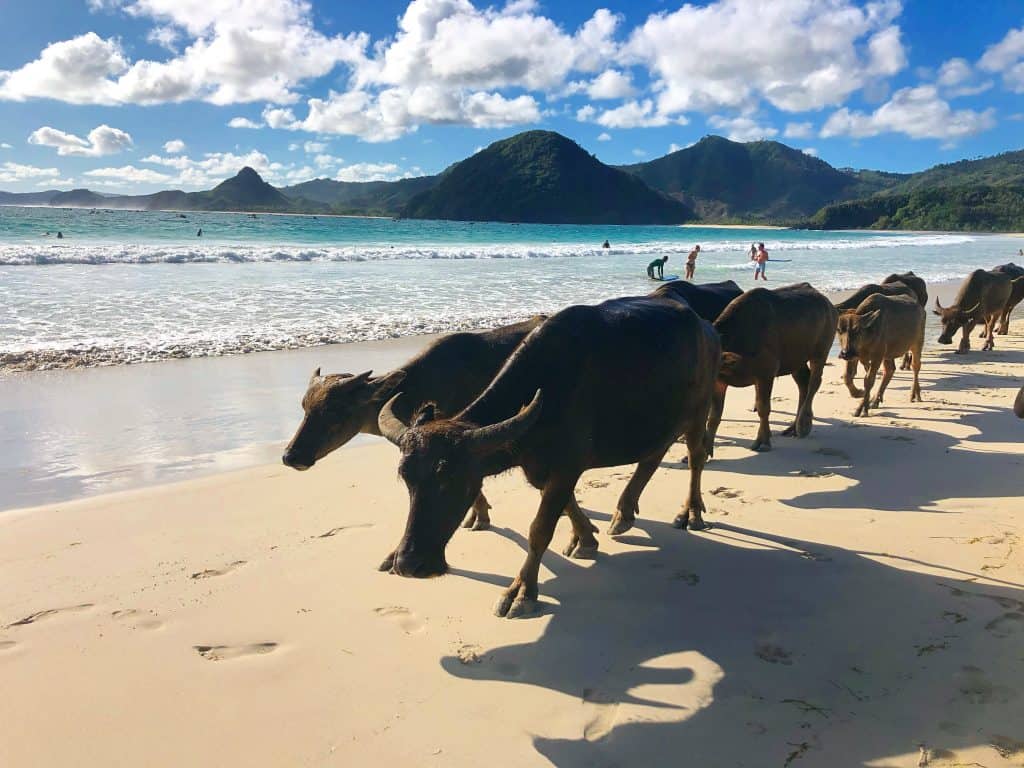
South Lombok draws surfers, beach lovers, and road trippers with a coastline that rewards exploration. Around Kuta Lombok, white-sand beaches, cafés, scenic drives, and surf breaks sit within a short scooter ride of one another, making it an ideal base for discovering the island’s southern coast.
From Tanjung Aan and Selong Belanak to Mawun and Gerupuk, each beach offers a different atmosphere, whether you’re learning to surf, swimming, or watching the sunset. Accommodation ranges from surf camps and hostels to boutique hotels, placing everything you need within easy reach.
Among the accommodation options, Mad Monkey Kuta Lombok, on Jl. Pariwisata Pantai Kuta, sits about a 10-minute walk from Kuta Beach and close to cafés, restaurants, and the town’s weekly market.
The Gili Islands
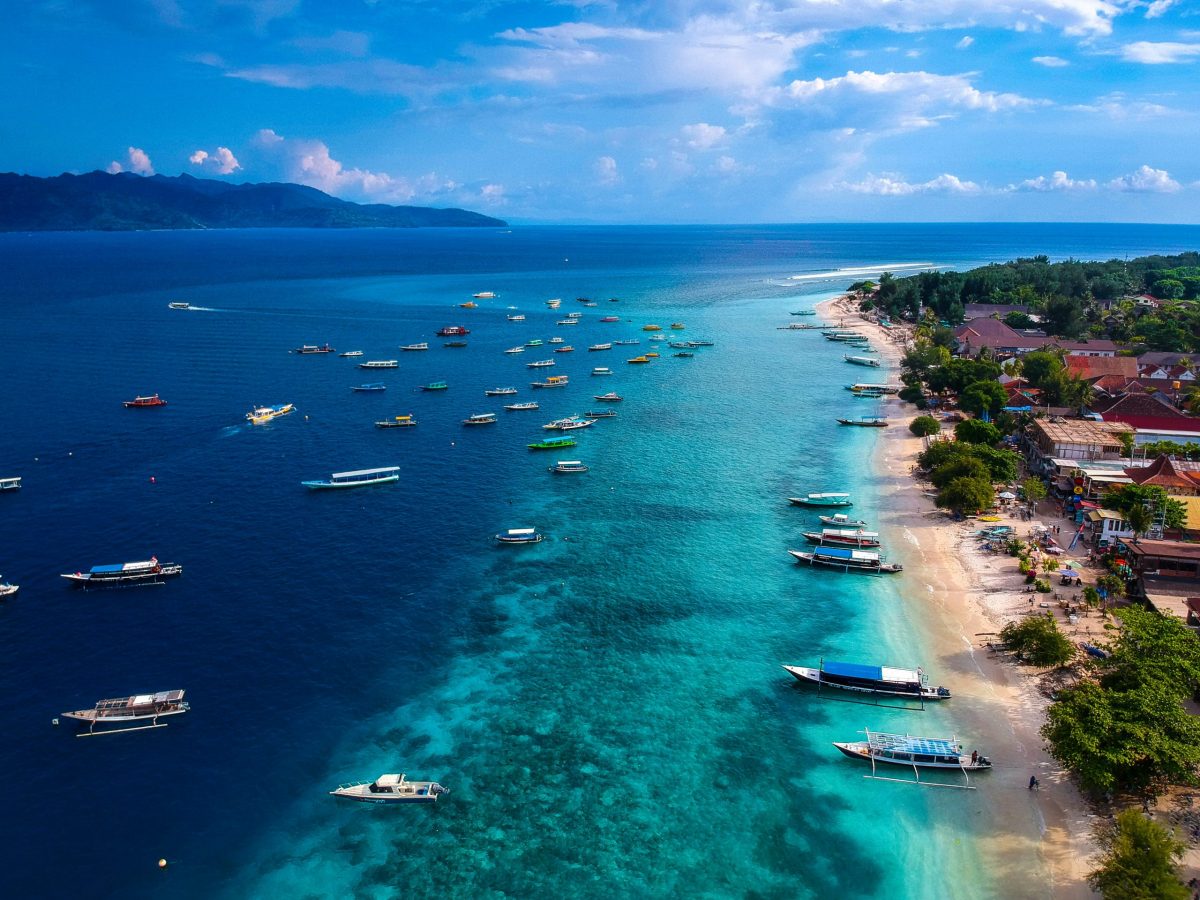
Just off Lombok’s northwest coast, Gili Trawangan, Gili Air, and Gili Meno offer a change of pace from the mainland. With no cars or motorbikes, the rhythm shifts to walking, cycling, and slow afternoons by the sea.
Each island has its own character. Gili Trawangan attracts divers and a lively social scene, Gili Air balances relaxation with cafés and snorkeling, while Gili Meno appeals to those seeking quieter beaches. A stay of two to four nights leaves plenty of time to snorkel, dive, cycle around the islands, and settle into island life before returning to Lombok or continuing to Bali.
What Are the Best Things to Do in Lombok
Every trip to Lombok looks a little different. Some travelers arrive for the surf, others come to climb Mount Rinjani or escape to the Gili Islands. Beyond the beaches, you’ll find rainforest waterfalls, traditional Sasak villages, and coastal roads that invite unplanned detours. The key is choosing experiences that match the pace of your trip rather than trying to fit everything into a few days.
Climb Mount Rinjani
Rising 3,726 metres above sea level, Mount Rinjani dominates Lombok’s skyline and shapes much of the island’s landscape. Guided treks begin in Senaru or Sembalun and typically last two to four days, with packages covering permits, camping equipment, meals, guides, and porters.
The route winds through forest, volcanic ridges, and the shores of Segara Anak Crater Lake before reaching sunrise viewpoints near the summit. Expect to pay between IDR 2,500,000 and 5,000,000, depending on the route, group size, and inclusions. If a multi-day trek isn’t on your itinerary, the national park still has scenic walks and viewpoints that can be enjoyed in a single day.
Beach-Hop Along South Lombok’s Coast
South Lombok rewards curiosity. Instead of settling on one stretch of sand, rent a scooter and follow the coastline from one beach to the next, stopping at local cafés or roadside warungs whenever something catches your eye.
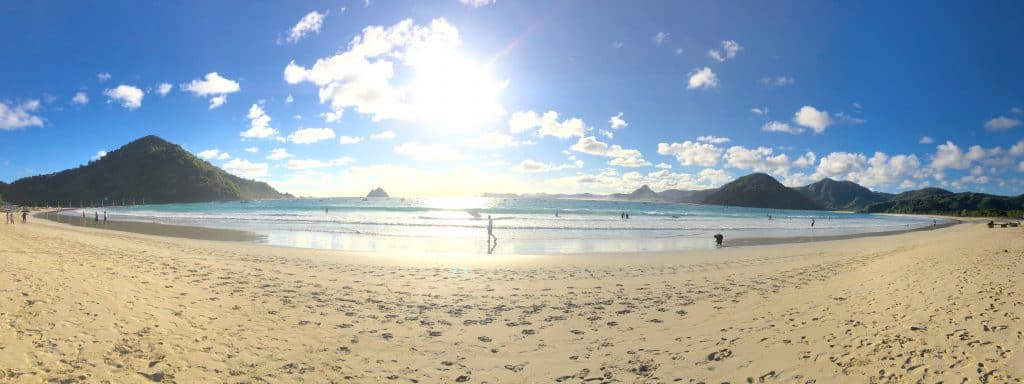
Tanjung Aan is known for calm turquoise water and powdery white sand, Selong Belanak has gentle waves for beginner surfers, while Mawun and Mawi attract visitors searching for quieter surroundings and stronger swells. Parking generally costs IDR 5,000 to 10,000, and fresh coconuts are never far away.
Catch Your First Wave
Surf culture runs deep in South Lombok, with breaks suited to complete beginners as well as experienced riders. Selong Belanak is a favourite for lessons, while Gerupuk, Mawi, and Are Guling provide more challenging reef breaks as conditions change throughout the year.
Group lessons usually range from IDR 350,000 to 600,000, while private instruction starts around IDR 600,000. Board hire is widely available from approximately IDR 75,000 per day.
Step Beyond the Coast
The beaches may draw visitors to Lombok, but the island’s cultural and natural landscapes deserve equal attention. Sendang Gile and Tiu Kelep waterfalls tumble through rainforest in the north, while Tetebatu offers walking trails across rice terraces with views towards Mount Rinjani.
Closer to Kuta, villages such as Sade and Ende preserve Sasak weaving traditions, distinctive architecture, and customs that continue to shape daily life. Spending time in these communities adds another dimension to a Lombok itinerary beyond surfing and beach days.
Spend Time in the Gili Islands
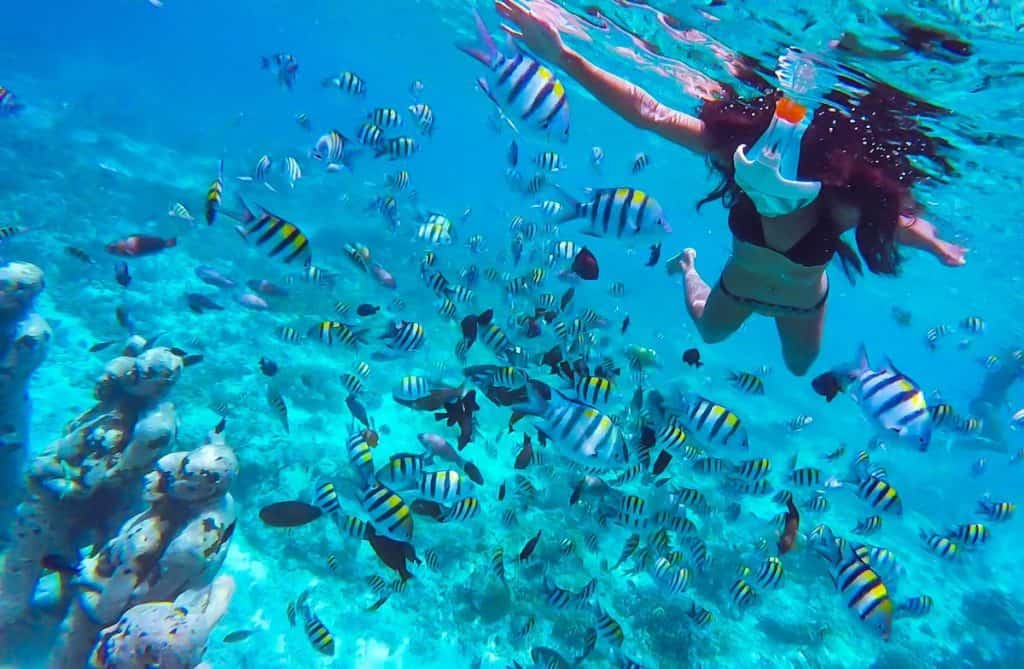
Just off Lombok’s northwest coast, Gili Trawangan, Gili Air, and Gili Meno bring a slower rhythm built around coral reefs, bicycles, and sunsets rather than traffic.
Whether you’re diving with sea turtles, snorkeling straight from the beach, or cycling around the islands before dinner, spending two to four nights allows enough time to settle into island life before continuing your journey through Indonesia.
How to Get to Lombok
Reaching Lombok is straightforward, whether you’re arriving from another part of Indonesia or crossing from Bali. Flights save time, ferries suit slower itineraries, and each route has its own advantages depending on your budget, schedule, and onward plans.
Fly into Lombok
Flying is the fastest way to reach the island. Lombok International Airport (LOP), near Praya, receives daily domestic flights from Bali, Jakarta, Surabaya, and Yogyakarta, placing visitors around 30 to 40 minutes from Kuta Lombok by road.
A taxi to Kuta generally costs IDR 120,000 to 180,000, and many accommodation providers can arrange airport transfers before arrival. Choosing a flight makes the most sense if you’re heading straight to South Lombok or working with a shorter itinerary.
Cross from Bali by Ferry
Travelling by sea remains a favourite among backpackers, road trippers, and anyone bringing a scooter or motorbike across to Lombok.
The ASDP public ferry operates between Padang Bai Harbour in Bali and Lembar Harbour in West Lombok. Crossings generally take four to five hours, with passenger fares starting from around IDR 80,000. Tickets can be booked through the official Ferizy platform before arriving at the port, which is recommended during weekends, public holidays, and peak travel periods.
If you’re looking for a faster journey, several private operators run fast boats from Padang Bai to Bangsal Harbour or Teluk Nare in North Lombok. Depending on sea conditions and the operator, the crossing takes 1.5 to 3 hours, with fares typically ranging from IDR 300,000 to 700,000.
Before booking, check which harbour your ferry uses. Bangsal Harbour is the closest gateway to the Gili Islands, whereas Lembar Harbour provides easier access to Mataram, Senggigi, and South Lombok. The cheapest ticket isn’t always the quickest route to your final destination.
Getting Around Lombok
Public transport is limited, so getting around usually means choosing among a scooter, a taxi, or a private driver.
Scooters (Most Flexible): Ideal for exploring beaches and villages around Kuta Lombok. Cost: IDR 75,000–150,000/day + IDR 15,000–30,000 fuel.
Private Drivers & Taxis: Drivers cost ~IDR 700,000/day for trips. Taxis operate around the airport, Mataram, and Senggigi.
Ride-Hailing Apps: Grab and Gojek operate in parts of Lombok, though local transport cooperatives restrict them around Kuta.
Travel Time: Plan for extra time—winding mountain and coastal roads make journeys take longer than map distances suggest.
When Is the Best Time to Visit Lombok?
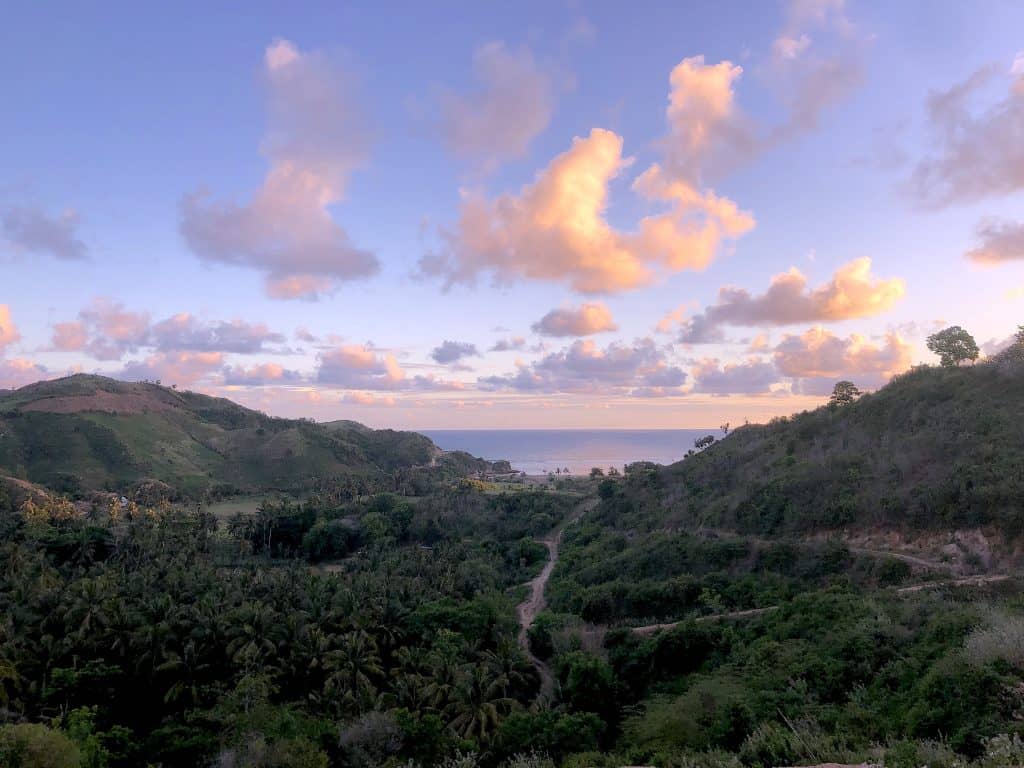
Lombok is a year-round destination, but the experience changes with the seasons. The dry months are ideal for beach days, hiking, and island-hopping, while the wetter months bring greener landscapes, quieter attractions, and a different side of the island.
| Season | What to Expect | Best For |
|---|---|---|
| April to September | Dry weather, sunny days, lower humidity, busier tourist season | Beach-hopping, Mount Rinjani, snorkeling, diving, road trips |
| October to March | Tropical showers, greener scenery, fewer visitors | Surfing, waterfalls, quieter travel, lower accommodation prices |
April to September: Sunshine and Outdoor Adventures
Clear skies and calmer conditions make the dry season a favourite for exploring Lombok’s coastline. It’s an excellent time for beach-hopping around South Lombok, snorkeling in the Gili Islands, scenic scooter rides, and trekking Mount Rinjani, which is typically open from April until late December, subject to weather conditions and national park regulations.
Visitor numbers increase during July and August, so booking accommodation, ferry tickets, and flights well in advance is recommended, particularly if you’re staying in Kuta Lombok or visiting the Gili Islands.
October to March: Greener Landscapes and Fewer Crowds
Rain becomes more frequent during these months, although showers are often short-lived rather than lasting all day. Rice terraces turn a vibrant green, waterfalls flow at their strongest, and many parts of the island settle into a slower rhythm.
This season suits travelers who prefer fewer crowds and greater flexibility when booking accommodation. Surfers also benefit from changing swells throughout the year, making Lombok a destination worth visiting beyond the dry season.
Local Tip: Set out early when visiting beaches such as Tanjung Aan or waterfalls like Sendang Gile and Tiu Kelep. Cooler temperatures, lighter traffic, and quieter trails make mornings one of the best times to explore.
What Should You Know About Local Culture and Etiquette
Understanding a little about Lombok’s culture will make your trip more rewarding. The island is the homeland of the Sasak people, whose traditions continue to influence everything from architecture and weaving to festivals and everyday life. Alongside this strong cultural identity, Lombok is predominantly Muslim, giving the island a rhythm that feels distinct from neighbouring Bali.
You’ll hear the call to prayer several times a day, particularly in towns and villages, and it’s a reminder that daily life here follows traditions that have been part of the community for generations. Visitors aren’t expected to change how they travel, but a little cultural awareness is always appreciated.
Dress for the Setting
Swimwear is fine at beaches and pools, but cover your shoulders and knees when visiting villages, markets, or religious sites. Remove your shoes before entering a mosque, where modest clothing and head coverings for women are required.
Small Gestures Go a Long Way
A warm smile and a simple greeting often open more doors than perfect language skills. Use your right hand when giving or receiving money, ask permission before taking photos, and approach interactions with a smile. Respectful observation is appreciated when visiting traditional villages or local homes.
Travel Thoughtfully
Support local communities by dining at family-run warungs and hiring local guides. Protect the island by using reusable water bottles, staying on marked trails, and avoiding touching coral reefs while diving or snorkeling.
Local Tip: If you’re invited into someone’s home or a traditional Sasak village, take a moment to observe before reaching for your camera. Genuine curiosity and respectful conversation are often appreciated far more than a quick photograph.
Do You Need to Speak Indonesian in Lombok
Around Kuta Lombok, Senggigi, and the Gili Islands, you’ll have little trouble communicating in English at hotels, cafés, surf schools, dive centres, and many restaurants. Outside the main tourist areas, however, conversations are more likely to happen in Bahasa Indonesia or Sasak, the island’s indigenous language.
You don’t need to become fluent before your trip, but learning a few everyday phrases can make interactions at markets, family-run warungs, and smaller villages more enjoyable. Even a simple “terima kasih” (thank you) is often greeted with a smile.
Useful Phrases in Sasak Language
| Hello | Helo |
| How are you? | Jekem kembe |
| Fine, thank you. | Matur tampi asih |
| What is your name? | Sai aranm side |
| My name is ______ . | Arank aku______ (informal) Arank tiang ______ (formal) |
| Nice to meet you | Demen bedait dait side |
| Please | Silak |
| Thank you. | Tampiasih |
| You’re welcome. | Pade pade |
| Yes | Aoq |
| No | Ndeq |
| Do you speak English? | Side bau base inggris? |
| How much is this? | Pire ajin |
| Where is the toilet? | Mbe taoq wc |
If you hear Aoq (yes), Ndeq (no), or Tampiasih (thank you), you’re hearing Sasak, a language that remains an important part of Lombok’s cultural identity.
Traveler Tip: Save a few essential Indonesian phrases or download an offline translation app before your trip. They’ll come in handy when exploring villages and more remote parts of the island.
What to Eat in Lombok
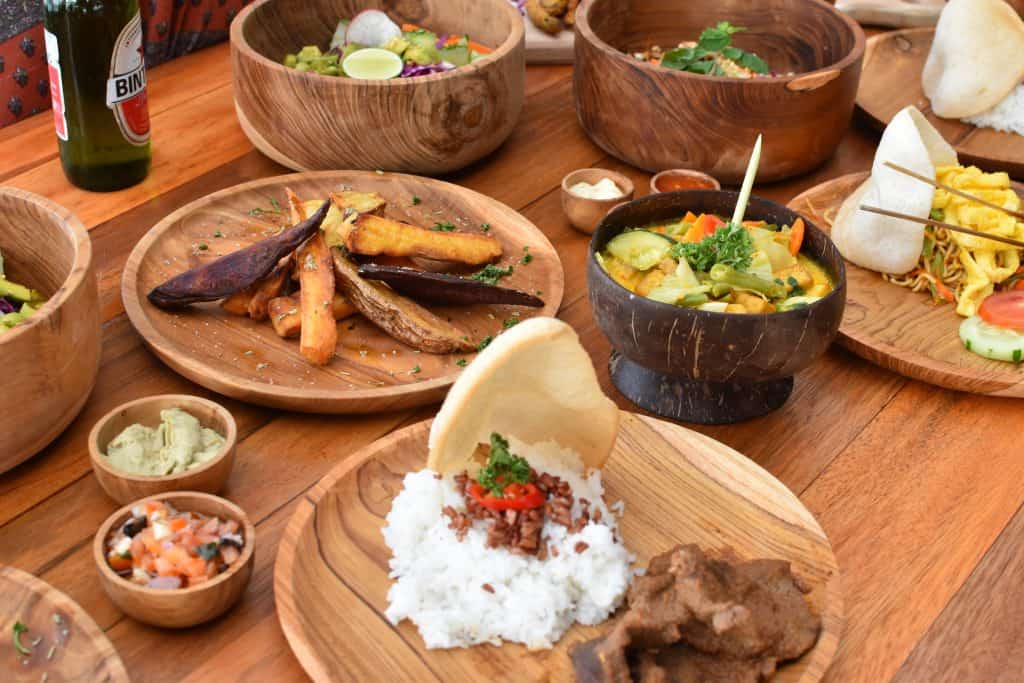
Food is one of the easiest ways to understand Lombok’s identity. Rooted in Sasak cuisine, many dishes are built around grilled meat, freshly caught seafood, aromatic spices, and fiery sambal. If you’re used to eating in Bali, don’t be surprised if the chilli packs a little more heat here.
Street-side warungs remain the heart of the island’s dining scene, serving generous meals at affordable prices. In Kuta Lombok, you’ll also find cafés and contemporary restaurants that reinterpret regional recipes alongside international favourites. Expect to spend IDR 30,000 to 80,000 for a meal at a warung, or IDR 80,000 to 200,000 at a café or restaurant.
Dishes Worth Trying
- Ayam Taliwang: grilled chicken served with rice and vegetables, usually with water spinach
- Nasi Balap Puyung: steamed rice served with several side dishes such as shredded chicken cooked with chili, soybeans, or shrimp
- Sate Bulayak: skewered beef meat served with peanut sauce or curry sauce
- Bebalung: soup made with beef and herbs such as chili, garlic, onion, galangal, and turmeric
- Sate Rembiga: skewed beef meat that is marinated with sweet soy sauce, garlic, and brown sugar
- Sate Pusut: spicy minced beef served with grated coconut
Local Tip: If you prefer milder flavours, ask for “tidak pedas” (not spicy) or “sedikit pedas” (a little spicy). Sambal in Lombok has a well-earned reputation for being hotter than many visitors expect.
How Much Does a Trip to Lombok Cost
Compared with many of Indonesia’s better-known destinations, Lombok delivers excellent value without limiting your options. Backpackers, surfers, families, and longer-term travelers can all adjust their spending based on where they stay, how they get around, and the activities they choose.
Eating at family-run warungs, travelling by scooter, and joining small-group tours will stretch your budget further, while boutique resorts, private drivers, and guided adventures naturally increase daily costs.
| Expense | Estimated Cost |
|---|---|
| Hostel dorm | IDR 150,000-350,000 (USD $9-22) per night |
| Budget hotel | IDR 350,000-800,000 (USD $22-49) per night |
| Meal at a warung | IDR 30,000-80,000 (USD $2-5) |
| Café or restaurant | IDR 80,000-200,000 (USD $5-12) |
| Scooter rental | IDR 75,000-150,000 (USD $5-9) per day |
| Airport taxi to Kuta | IDR 120,000-180,000 (USD $7-11) |
| Surf lesson | IDR 350,000-600,000 (USD $22-37) |
Travel costs rise during July, August, Christmas, and New Year, particularly in Kuta Lombok and the Gili Islands. Reserving flights, accommodation, and ferry tickets ahead of time can help secure better prices and a wider choice of availability.
Start Planning Your Lombok Itinerary
By now, you should have a clearer picture of how Lombok fits together. From choosing between the surf towns of the south and the mountain landscapes of the north to deciding whether to add the Gili Islands or continue east towards Sumbawa, a little planning goes a long way.
If it’s your first visit, give yourself enough time to experience more than one side of the island. A few extra days can mean the difference between simply ticking off landmarks and discovering roadside warungs, quiet beaches, village cafés, and scenic coastal drives that rarely make it into guidebooks.
FAQs: About Lombok
Absolutely. Lombok combines surf beaches, volcanic landscapes, traditional Sasak culture, rainforest waterfalls, and easy access to the Gili Islands in one destination. If you’re looking for a slower pace than Bali without giving up adventure or good food, it’s well worth adding to your Indonesia itinerary.
A stay of four to seven days gives you enough time to enjoy South Lombok’s beaches, discover a few cultural or natural attractions, and unwind without rushing between places. Planning to hike Mount Rinjani or spend time in the Gili Islands? Set aside at least a week.
In many cases, yes. Meals at family-run warungs, scooter rentals, and accommodation often cost less than comparable options in Bali. Prices in Kuta Lombok can be higher during peak travel periods, though the island still delivers excellent value overall.
Not necessarily. Renting a scooter gives you the greatest freedom, particularly along the south coast, but taxis, private drivers, and organised tours are available if you’d rather not ride. Choose the option that matches your confidence and travel plans.
No. Stick to bottled or filtered drinking water throughout your trip. Many cafés, hotels, and hostels now provide refill stations, making it easy to top up a reusable bottle and reduce single-use plastic.
Lombok has earned a reputation as a welcoming destination for solo travel, including solo female travelers. Common-sense precautions still apply: keep valuables secure, use licensed tour operators, and stay aware of your surroundings, particularly after dark.
More Useful Information About Lombok
Are you already excited for your trip to Lombok and looking for more information about the island? Here are some useful websites that will be helpful for your holiday:
- Lombok: Things to Know Before You Go by Mana Lombok
- Lombok: What You Need to Know Before You Go by Hotels.com
- The Ultimate Travel Guide to Lombok, Indonesia by the Culture Trip
- Lombok and Gili Islands Travel Guide by Rough Guides
Pin Now. Read Later.