


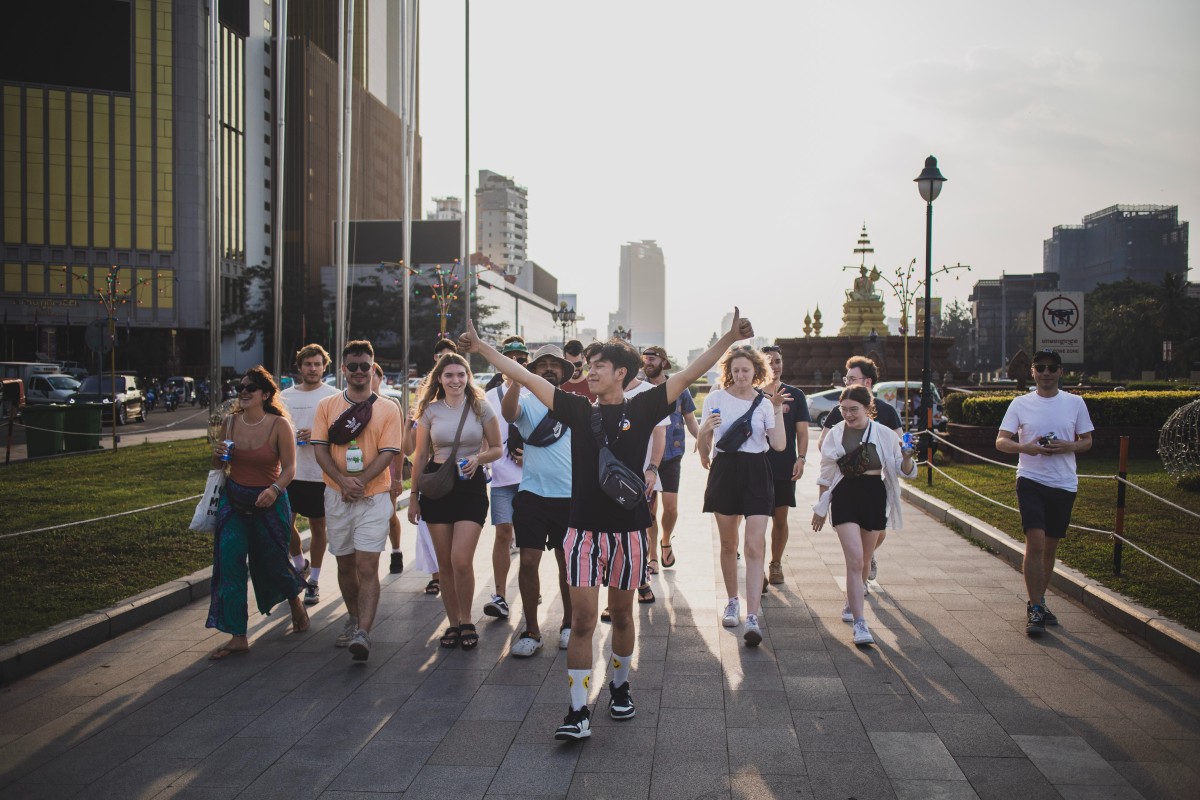




For the better part of a decade, the ultimate travel flex was the “Lonely Nomad”—the hyper-independent remote worker typing away on a secluded beach, totally detached from the real world. But as we head deeper into 2026, the vibe has completely shifted. The romanticized idea of traveling alone to “find yourself” is losing its shine. Instead, young travelers are deliberately choosing a different path: they’re prioritizing shared experiences and genuine human connection over solitude.
The data behind this shift is pretty sobering. According to the Global Web Index, a massive 80% of Gen Z report feeling lonely over the past year (compared to just 45% of Boomers). Years of remote work, endless scrolling, and post-pandemic isolation have fundamentally changed why young people pack their bags. They aren’t just hunting for cheap beds or Instagrammable sunsets anymore. They are actively seeking out built-in communities as a very real form of mental health intervention.
This craving for connection is completely rewiring the hospitality industry, especially across the classic backpacker trails of Southeast Asia and Australia. Hostels—once stereotyped as gritty, budget crash pads for broke students—are having a major renaissance. They are evolving into wellness and social hubs. Brands like Mad Monkey Hostels are leading the charge, intentionally designing spaces that act as an antidote to modern isolation.
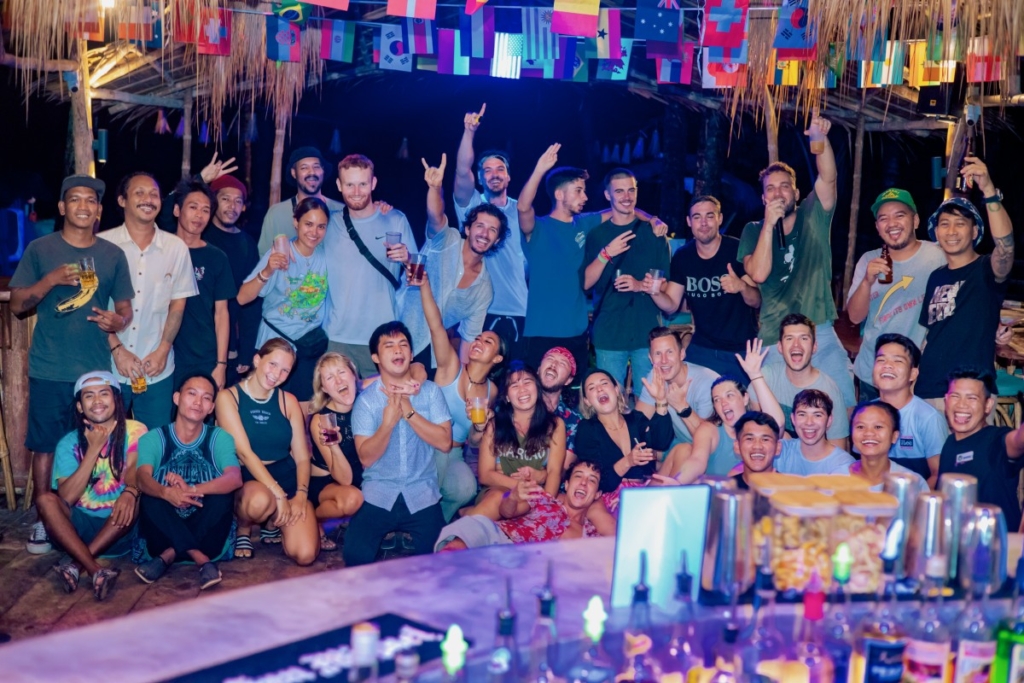
“The mindset of our guests has completely flipped compared to five years ago,” says Kyle Kenny, Commercial Director at Mad Monkey. “They don’t just want a place to sleep; they want a place to belong. They are actively trading the privacy of a hotel for the messy, beautiful reality of communal living. They want the spontaneous late-night chats in the common room, the family-style dinners, and the shared adventures.”
What defines this shift is the deliberate choice to travel slowly, stay longer, and prioritize social infrastructure over traditional luxury. For this generation, true luxury isn’t a private infinity pool—it’s the chance for immediate, unfiltered human interaction. You can see this reflected in how modern hostels are built: expansive co-working spaces, massive communal kitchens, and daily social events specifically designed to break the ice and fast-track friendships.
This movement is also a direct backlash against the exhausting “hustle culture” that defined the early 2020s. After years of being told that success means total independence and self-reliance, Gen Z is feeling the emotional burnout of that narrative. They are rejecting the isolation of the solo grind in favor of shared experiences. Travel is no longer just an escape from reality; it’s a deliberate strategy to build a better, more connected one.
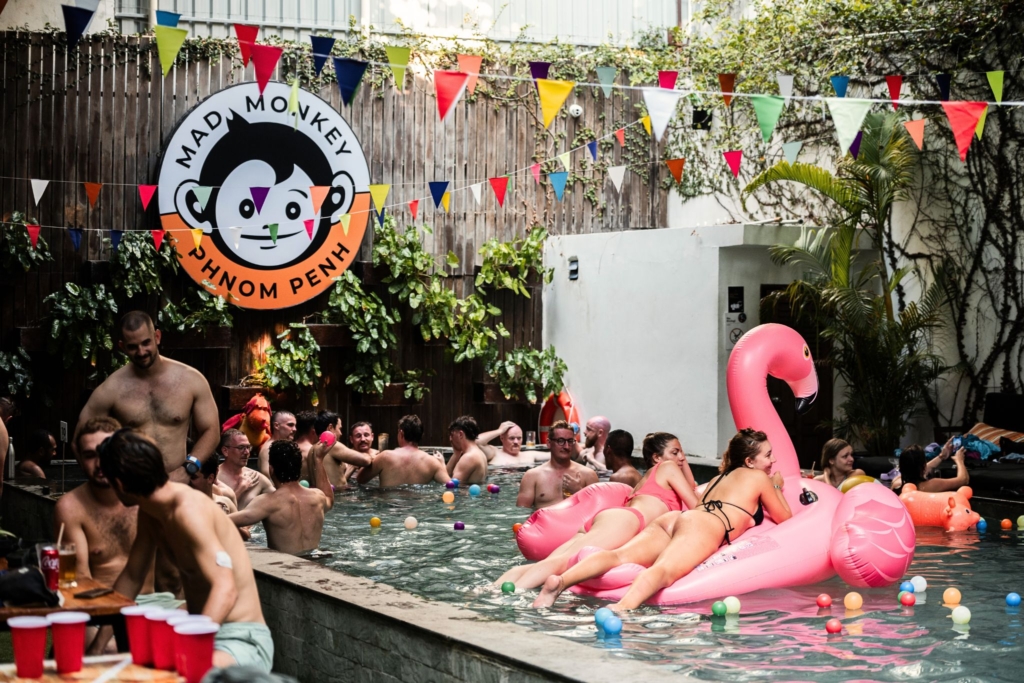
As the travel industry scrambles to adapt, the brands that win will be the ones that actually understand the emotional needs of their guests. This isn’t a fleeting TikTok trend; it’s an entire generation’s response to a crisis of connection. By providing the physical spaces and the social infrastructure for authentic community, modern hostels are proving that sometimes, the best way to discover who you are is to do it alongside other people.
About Mad Monkey Hostels
Mad Monkey is a leading hostel operator in Southeast Asia, known for experience-driven stays that blend affordable accommodation with community, adventure, and unforgettable social energy. With locations across Cambodia, Vietnam, the Philippines, Thailand, Indonesia, Laos, and Australia, Mad Monkey is more than a place to stay – it’s a place to belong.
