






Contents
Northern Highs & The Trek (Vietnam)
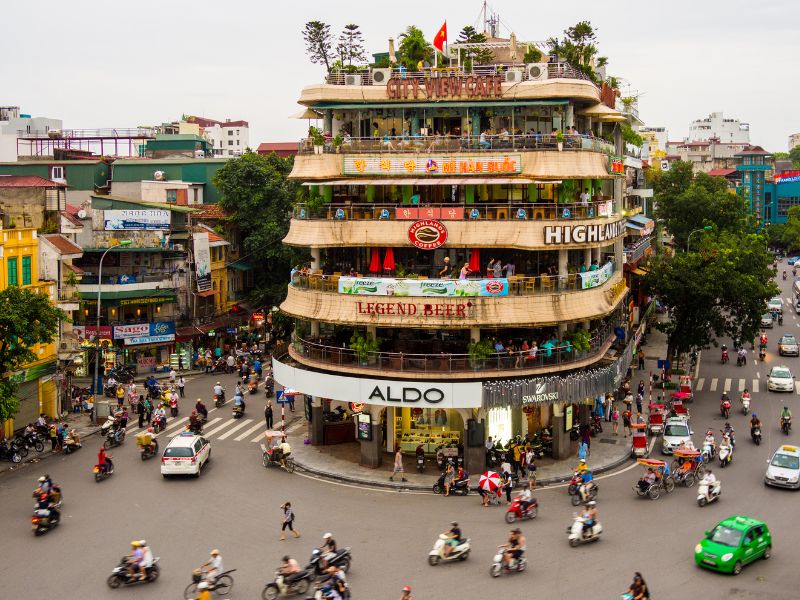
Your journey kicks off in Hanoi, the chaotic cultural heart of the North. After acclimating with world-class street food, head into the clouds for the Ha Giang Loop, which has solidified itself as the #1 must-do adventure for travelers in 2026.
- Hanoi Old Quarter: Base yourself at social hubs like Old Quarter View for easy loop bookings and nightly walking street food tours. To navigate the city like a local, check out this article when getting around Hanoi.
- The Ha Giang Loop: Opt for a 3-day “Easy Rider” tour to navigate the sheer limestone cliffs and the legendary Ma Pi Leng Pass. For a full breakdown of the route, safety, and stops, check out this article when planning your Ha Giang Loop adventure
- Cultural Immersion: Stay in a local ethnic minority homestay in Du Gia to experience authentic mountain life away from the main tourist trail.
- The Pivot: Take the Reunification Express overnight train from Hanoi to Da Nang; it’s an eco-friendly way to save on a night’s hostel while catching the sunrise over the coast.
The Central Hub (Vietnam)
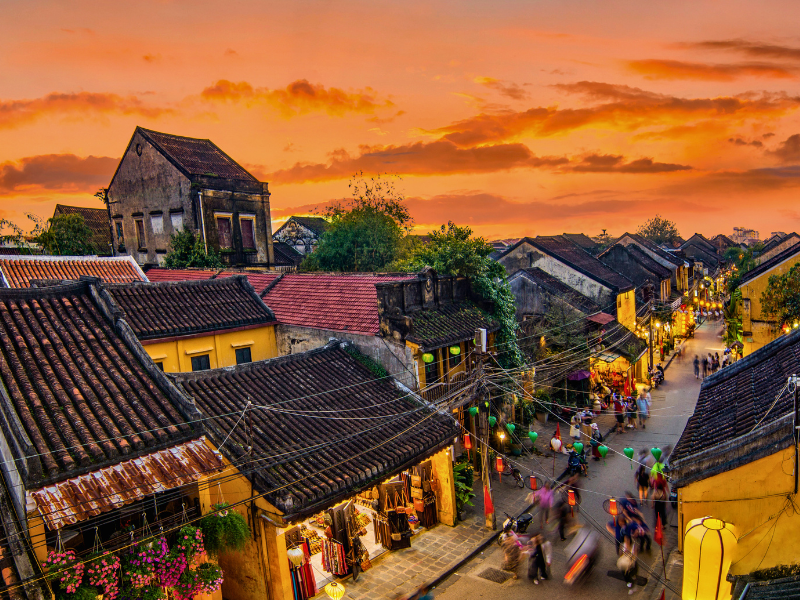
Central Vietnam is where the “speed” of the North meets the “chill” of the South. Stay in Hoi An, specifically the An Bang Beach area, which has become a favorite for its mix of boutique cafes, surf spots, and ancient yellow-walled streets.
- An Bang Beach: Grab a day bed at a beach club—the perfect preview of the Bali lifestyle at half the price.
- Hoi An Ancient Town: Get custom-tailored clothes at high-speed shops like Bebe or A Dong Silk and visit the night market for iconic lantern photos.
- Ba Na Hills: Take a sunrise trip from Da Nang to walk the Golden Bridge (the giant hands) before the midday tour groups arrive.
Whether you’re renting a bike to explore or cruising the river by boat, check out this article when getting around Hoi An.
The Shortcut: Bridging Vietnam and Bali
The ultimate “travel hack” for 2026 is the strategic leap across the South China Sea, bypassing the traditional 12-hour layover journeys. This direct link connects two of Asia’s most iconic destinations in a single afternoon.
- The Da Nang Direct (The 2026 Gamechanger): Indonesia AirAsia now operates a direct flight from Da Nang (DAD) to Bali (DPS). Launched in March 2026, this 4-hour flight runs 4x weekly (Mon, Wed, Fri, Sun), eliminating the need to backtrack to Saigon.
- The Saigon Route: If you find yourself in the South, VietJet Air continues to run daily direct flights from Ho Chi Minh City (SGN) to Bali for roughly $80–$115.
- Logistics Prep: Pre-pay your Indonesian e-VoA ($32) and Bali Tourist Levy ($10) online to use the biometric “Autogates” at Bali airport, cutting your arrival time from hours to minutes.
The Indonesia Island Reset (Bali)
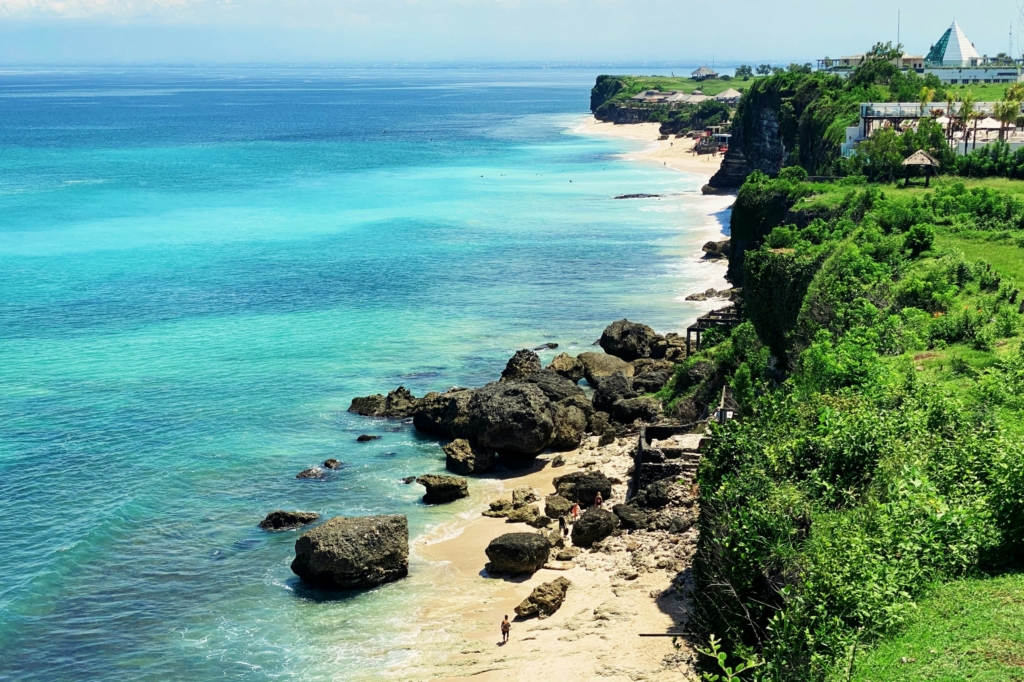
Once you touch down in Bali, swap the Vietnamese coffee for a fresh coconut. This phase is about “Wellness & Waves,” focusing on the jungle interior of Ubud and the dramatic clifftop views of Uluwatu.
- Ubud Jungles: Hike the Campuhan Ridge at sunrise and visit Tegalalang Rice Terraces for the world-famous jungle swing shots.
- Water Purification: Visit Tirta Empul Temple to take part in a traditional Balinese cleansing ritual in the holy springs.
- Uluwatu Cliffs: Watch the Kecak Fire Dance at the clifftop temple during sunset—it’s a hypnotic, instrument-free performance.
- Uluwatu Adventures: From surfing legendary breaks at Padang Padang to beach club hopping, check out this article for the top things to do in Uluwatu.
- Beach Clubs: End your trip at Single Fin or Ulu Cliffhouse to watch world-class surfers tackle the Indian Ocean swells.
Essential 2026 Backpacker Tips
- Digital Entry Hacks: Don’t get stuck in queues. Use the official gov portals for your Vietnam E-Visa and the Indonesia e-VoA. For Bali, pay the $10 Tourist Levy via the Love Bali app before you land to get your QR code early.
- The eSIM Strategy: Physical SIM cards are a 2020 vibe. Use an eSIM to have data the second your plane touches the tarmac. It makes booking your first Grab or Gojek ride significantly less stressful.
- Ride-Hailing Mastery: Download Grab for Vietnam and Gojek for Bali. Link your card to avoid the “no change” scam often used by street taxis. Motorbike taxis (GrabBike/GoRide) are the fastest way to beat heavy traffic in Hanoi and Canggu.
- Eco-Conscious Gear: Both countries are moving away from single-use plastics. Bring a filtered water bottle to safely drink tap water and save roughly $50 on plastic bottles over the course of your trip.
- Temple Etiquette: Always carry a lightweight sarong in your day bag. You’ll need it to cover your legs for temple entries in both Vietnam and Bali, and having your own saves you from overpriced rentals at the gates.
Final Thoughts
Backpacking in 2026 is no longer about suffering through 20-hour buses to prove your “traveler cred.” It’s about experiential value. By utilizing the Da Nang-to-Bali shortcut, you aren’t just saving time; you’re preserving your energy for the things that actually matter—like the sunrise over the Ma Pi Leng Pass or your first successful surf session in Uluwatu. This route is the perfect blend of Vietnam’s high-octane cultural history and Indonesia’s laid-back spiritual vibes.
Pin Now. Read Later.