






Contents
Why Backpacking Southeast Asia Is Perfect for First-Time Travelers in 2026
Southeast Asia continues to dominate the global backpacker circuit, welcoming over 198 million international visitors in 2025—surpassing pre-pandemic levels by 12% [1]. For first-time travelers, the region offers a welcoming environment with excellent value for money, warm hospitality, and English-friendly tourism infrastructure.
In 2026, navigating Southeast Asia has become even more seamless. The expansion of digital visa systems, such as Thailand’s mandatory Digital Arrival Card (TDAC) and Cambodia’s e-Arrival platform, has streamlined entry processes. Furthermore, improved regional transport networks, including the China-Laos high-speed railway, make overland travel more accessible and affordable than ever before.
— Alex Baker, Mad Monkey Hostels Operations Manager“Southeast Asia is the perfect training ground for new backpackers. The infrastructure is there, the locals are incredibly welcoming, and you can live comfortably on a budget that wouldn’t even cover a hostel bed in Western Europe.“
Planning Your Southeast Asia Backpacking Itinerary
When planning your first trip, the most common mistake is trying to see too much in too little time. For a first visit, a 10 to 14-day trip is the sweet spot, allowing for a deep, relaxed experience in one or two countries.
The 2-Week “Classic Route” Itinerary
For those with limited time, focusing on the well-trodden path between Thailand and Cambodia offers a perfect introduction to the region.
| Days | Destination | Key Activities | Accommodation Recommendation |
| 1-3 | Bangkok, Thailand | Explore the Grand Palace, eat street food, and experience Khao San Road | Mad Monkey Bangkok |
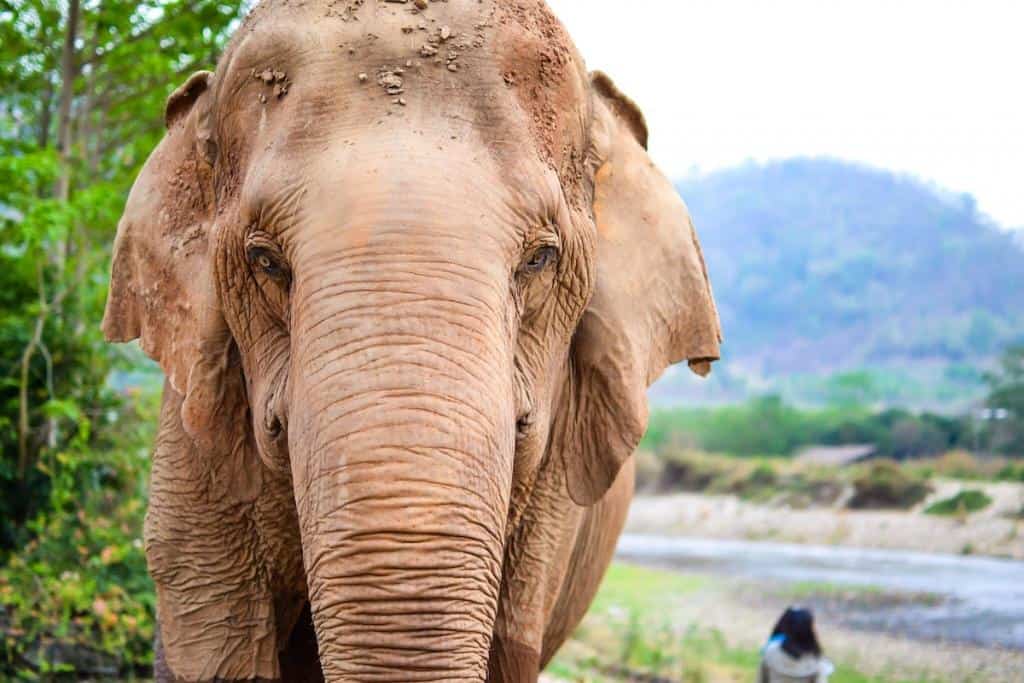
| 4-6 | Chiang Mai, Thailand | Visit ethical elephant sanctuaries, explore night markets, and temple hopping | Mad Monkey Chiang Mai |
| 7-9 | Siem Reap, Cambodia | Sunrise at Angkor Wat, explore the floating villages | Mad Monkey Siem Reap |
| 10-12 | Phnom Penh, Cambodia | Visit the Royal Palace, learn about Cambodian history | Mad Monkey Phnom Penh |
| 13-14 | Koh Rong, Cambodia | Relax on pristine beaches, bioluminescent plankton tour | Mad Monkey Koh Rong |
The 1-Month “Grand Tour” Itinerary
With a full month, you can comfortably explore three countries, experiencing a diverse range of landscapes and cultures.
| Week | Country | Route Highlights | Transport Mode |
| Week 1 | Vietnam | Hanoi → Ha Long Bay → Hoi An | Domestic flights or sleeper trains |
| Week 2 | Vietnam to Cambodia | Ho Chi Minh City → Phnom Penh → Siem Reap | Cross-border bus |
| Week 3 | Thailand (North) | Bangkok → Ayutthaya → Chiang Mai | Sleeper train |
| Week 4 | Thailand (South) | Phuket → Koh Phi Phi → Krabi | Domestic flight and ferries |
How Much Does Backpacking Southeast Asia Cost in 2026?
Southeast Asia remains incredibly affordable, but costs vary significantly between countries. A 30-day trip through the region on a strict budget runs between $550 and $750 USD, while a comfortable mid-range month costs $1,200 to $2,000 USD.
Daily Budget Breakdown by Country
| Country | Budget Daily (USD) | Mid-Range Daily (USD) | Biggest Expense |
| Laos | $14–$22 | $30–$45 | Overland transport |
| Cambodia | $17–$25 | $35–$55 | Angkor Wat pass |
| Vietnam | $18–$26 | $40–$60 | Accommodation (peak season) |
| Indonesia | $22–$32 | $50–$80 | Island-hopping boats |
| Thailand | $23–$35 | $55–$90 | Food in tourist zones |
Accommodation Costs
Hostels remain the most budget-friendly and social option for backpackers. In 2026, dorm beds range from $3 to $6 USD in Cambodia to around $5.70 USD in popular Thai hubs like Chiang Mai. Staying at Mad Monkey Hostels not only guarantees a clean, safe bed but also provides instant access to a community of like-minded travelers, daily events, and local tours.
Food and Drink
Street food is where Southeast Asia truly shines. You can eat incredibly well for under $10 USD a day.
- Thailand: A plate of Pad Thai from a street vendor costs around $1.40 to $2.00 USD.
- Vietnam: A steaming bowl of Pho runs $1.20 to $1.80 USD, while Banh Mi sandwiches are the ultimate budget meal at $0.60 to $1.00 USD.
- Cambodia: Local dishes like Amok (coconut curry) cost $2 to $3 USD at local restaurants.
- Laos: Sticky rice with laap is a staple for $0.75 to $1.25 USD.
- Indonesia: Nasi Goreng (fried rice) at a local warung costs roughly $0.95 to $1.60 USD
The golden rule for budget dining: walk a few streets away from major tourist areas, and prices often drop significantly for the same quality food.
Navigating Southeast Asia: Transportation Tips
Getting around Southeast Asia is an adventure in itself, with a wide range of transport options.
Budget Airlines:
Carriers like AirAsia, VietJet, and Lion Air offer affordable regional flights. Booking 3 to 6 weeks in advance usually gives the best prices. Most tickets include only 7kg of cabin baggage.
Trains:
Sleeper trains are a great way to save on accommodation while traveling long distances. The journey from Bangkok to Chiang Mai typically costs $15 to $35 USD.
Buses:
Cross-border buses remain one of the cheapest ways to travel. For example, the bus from Bangkok to Siem Reap usually costs around $15 to $30 USD.
Essential Pre-Trip Preparation for 2026
Visa Requirements and Digital Arrival Cards
The landscape of entry requirements has shifted towards digital platforms in 2026.
- Thailand: The Thailand Digital Arrival Card (TDAC) is mandatory for all foreign arrivals. You must submit your passport information, travel plan, and health declaration online before your flight.
- Cambodia: All travelers arriving by air must complete the Cambodia e-Arrival Card, which combines the visa on arrival, immigration form, and health declaration.
- Vietnam: The government has extended its e-visa access to all nationalities, making entry significantly easier.
Always check the specific immigration rules for your nationality well in advance of your trip.
Health and Vaccinations
While no vaccines are strictly mandatory for entry, several are highly recommended by health professionals for travel to Southeast Asia.
- Ensure you are up to date on routine vaccines, including the MMR (measles-mumps-rubella) vaccine.
- Vaccinations for Typhoid, Rabies, and Japanese Encephalitis are commonly recommended for the region.
- Be aware of mosquito-borne illnesses like Dengue fever; pack high-quality insect repellent and consider antimalarial medication if visiting remote areas like Flores or West Papua in Indonesia.
Final Thoughts: Just Book the Ticket
It’s normal to overthink that first trip — “What if I get lost?” “What if no one talks to me?” “What if I can’t handle spicy food?”
You’ll adapt, you’ll laugh, you’ll collect stories that don’t fit in a caption. Southeast Asia always takes care of its travelers, especially first-timers.
Pack your courage, an open mind, and a sense of humor. The rest will fall into place — one street meal, hostel event, and night bus at a time.
Frequently Asked Questions (FAQ)
The best time to visit most of Southeast Asia is during the dry season, which runs from November to February. During these months, you’ll experience less humidity and slightly cooler weather. However, Indonesia is an exception, with its best weather occurring between mid-April and the end of October.
Yes, Southeast Asia is generally considered very safe for solo female travelers. The well-established backpacker trail means you are rarely truly alone. Staying in social accommodations like Mad Monkey Hostels makes it incredibly easy to meet other travelers and form groups for activities and onward travel.
In 2026, it is highly recommended to book your first few nights of accommodation in advance, especially if you are arriving during the peak season (November to February). For popular spots like Mad Monkey Hostels, booking ahead ensures you secure a bed in the most social environments
While digital payments and cards are becoming more common, cash is still king in Southeast Asia, especially for street food, local markets, and small transport operators. It’s best to withdraw local currency from ATMs as needed rather than carrying large amounts of USD or Euros.
Pack light! The climate is hot and humid year-round. Bring lightweight, breathable clothing, a reliable pair of walking shoes, a universal power adapter, and a reusable water bottle. Remember to cover your shoulders and knees when visiting temples, so a lightweight sarong or scarf is essential.
Pin Now. Read Later.


