






Contents
Most people spend more time planning where to go in Thailand than figuring out how to get in. That’s understandable, but spending a few minutes on your visa before you book that first hostel or island tour can save you a lot of hassle later.
Thailand’s entry requirements have changed in 2026, with updated stay limits and the introduction of the Thailand Digital Arrival Card (TDAC). Whether you’re coming for a couple of weeks or planning a longer backpacking trip, this guide explains your visa options, what you’ll need before you fly, and how to make arriving in Thailand as smooth as possible.
Mad Monkey Thailand Visa Options for Backpackers
Thailand offers several visa options depending on your nationality and how long you plan to stay. If you’re only squeezing Thailand into a bigger Southeast Asia trip, a visa exemption might be all you need. But if you’re hoping to explore beyond the usual highlights, slow down for a while, or experience both the mountains and the islands, choosing the right visa from the start gives you much more flexibility.
1. How to Get a Thailand Visa Exemption
This is the most common way to enter Thailand for citizens of countries such as the UK, the United States, Australia, and many European nations. While temporary changes were introduced in previous years, most eligible travelers receive a 30-day stay as of mid-2026.
Cost: No fee.
Duration: 30 days (extendable by 30 days).
Ideal for: Short trips or travelers continuing their journey through Southeast Asia.
Requirements: A passport with at least six months’ validity and, ideally, proof of onward travel. While immigration officers don’t always ask for it, airlines may request it before boarding, so it’s worth having your onward travel plans ready before you check in.
2. Thailand Tourist Visa (TR) for Longer Stays
If 30 days doesn’t feel like enough time, you’re not alone. Plenty of backpackers arrive thinking they’ll be in Thailand for a few weeks, only to realize there’s still another island, another city, or another recommendation from someone they met at the hostel.
A Single-Entry Tourist Visa (SETV) gives you more breathing room. It’s a good option if you want to experience Bangkok, head north to Chiang Mai and Pai, then work your way south without constantly checking the calendar.
Cost: Approximately 1,000 THB to 1,300 THB (around USD $35 to $40).
Duration: 60 days (extendable by 30 days).
Ideal for: Travelers planning to spend two to three months exploring Thailand.
Process: Apply online through Thailand’s E-Visa system or at a Thai embassy or consulate in your home country before departure.
3. Thailand Visa on Arrival: Who Qualifies
If your nationality qualifies for a Visa on Arrival (VoA), you can apply upon arrival at major international airports such as Bangkok’s Suvarnabhumi (BKK) or Phuket (HKT). Travelers from countries including India, China, Kazakhstan, Mexico, Saudi Arabia, Taiwan, and Uzbekistan may be eligible. Since the list of qualifying nationalities and permitted stay periods can change, it’s always worth checking the latest requirements before you fly. You can find the complete and most up-to-date list on the official Thailand e-Visa website or through your nearest Thai embassy or consulate.
Cost: 2,000 THB (approximately USD $60), payable in cash in Thai Baht.
Duration: 15 to 30 days, depending on your nationality.
Requirements: A confirmed return or onward ticket within your permitted stay, a passport-sized photograph, and a passport that meets Thailand’s validity requirements.
How to Extend Your Thailand Visa (1,900 THB)
Thirty days go by faster than most travelers expect. It might be the friends you made on a walking tour, the island you decided to stay on a little longer, or simply realizing there’s still plenty left to see.
If that happens, the good news is that most tourist entries can be extended once. Visit a local Immigration Office, such as the offices at IT Square Laksi in Bangkok or Phuket Town, and bring:
- 1,900 THB in cash.
- One passport-sized photograph.
- Copies of your passport and latest entry stamp.
- A completed TM.7 application form.
This process grants an additional 30 days, extending a standard exemption stay to 60 days or a Tourist Visa stay to 90 days.
Backpacker tip: If you already know you’ll be extending your stay, don’t leave it until the last day. Immigration offices can get busy, especially during peak travel seasons.
How to Complete the Thailand Digital Arrival Card (TDAC)
Regardless of which visa you use, every traveler entering Thailand in 2026 must complete the Thailand Digital Arrival Card (TDAC).
Complete the Thailand Digital Arrival Card (TDAC) within three days before your arrival. Once submitted, it generates a QR code that immigration officers will scan when you enter the country. It only takes a few minutes to complete, but doing it before your flight will make your arrival much smoother.
Mad Monkey Hostels: Your Base for Exploring Thailand
Once you’ve cleared immigration, the only thing left to do is start exploring.
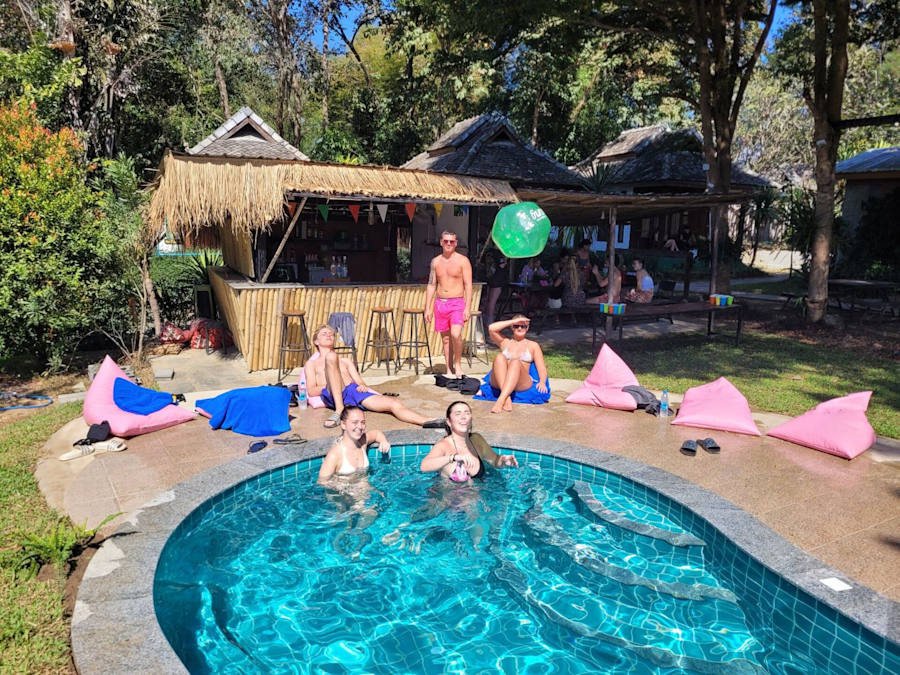
Many backpackers begin in Bangkok before making their way north to Chiang Mai and Pai or heading south to Thailand’s islands. Wherever your route takes you, Mad Monkey hostels make it easy to meet other travelers, swap recommendations, and find people to explore with. Some of the best travel tips you’ll hear in Thailand won’t come from a guidebook—they’ll come from someone you’ve just met over dinner or during a hostel event.
Mad Monkey Bangkok: Just a three-minute walk from Khao San Road, it’s a great place to settle into the city’s backpacker scene before heading deeper into Thailand.
Mad Monkey Chiang Mai: Close to Nimman, it’s an ideal base for exploring the temples, cafés, markets, and mountain scenery that make northern Thailand so memorable.
Mad Monkey Phuket: Stay close to the beaches, nightlife, and island-hopping tours while meeting travelers heading to the same destinations.
Mad Monkey Pai: Slow things down with mountain views, hot springs, live music, and one of Thailand’s most laid-back backpacker communities.
Conclusion: Your Gateway to Thai Adventures
A visa isn’t the reason you’re traveling to Thailand, but getting it sorted early saves time and stress later. Once the paperwork is behind you, it’s time to enjoy the trip you’ve been planning.
Whether you’re staying for a few weeks or a few months, Thailand has a way of changing your plans. You might arrive for the beaches, the food, or the nightlife. You’ll probably leave with unforgettable stories, new friends, and a few reasons to come back. And somewhere along the way, you’ll likely find yourself at a Mad Monkey. It’s where travelers swap stories, share local tips, and find people to explore with. Don’t be surprised if one night turns into a few more.
Thailand Visa FAQs
Visa runs are still possible in some situations, but Thai immigration has become stricter with frequent border crossings. Entering through a land border multiple times within the same year may result in additional questions from immigration officers. Planning a longer stay? The Destination Thailand Visa (DTV) may be a better option.
Overstaying your visa is never recommended. The penalty is 500 THB per day, up to a maximum of 20,000 THB. If you overstay for longer, Thai immigration may detain or deport you and ban you from returning to Thailand. If you want to stay longer, apply for an extension before your current permission expires.
Most travelers can enter Thailand under the Visa Exemption program or with a standard tourist visa without travel insurance. Even so, carrying comprehensive coverage is one of the smartest decisions you can make before your trip. Unexpected medical expenses, flight disruptions, or lost belongings can quickly become expensive. Travel insurance gives you valuable peace of mind throughout your trip.
Pin Now. Read Later.


