







Contents
TL;DR
- A complete Southeast Asia backpacking route can combine Thailand, Laos, Vietnam, Cambodia, the Philippines, and Indonesia, starting with an overland mainland journey before continuing into the islands.
- Allow around six to eight weeks for the mainland route, four to six weeks for the island route, or roughly ten to fourteen weeks to combine both without rushing between destinations.
- Weather varies across the region. November to February generally works well for Thailand, Laos, and Cambodia, while Indonesia’s drier months typically fall between April and October.
- Mad Monkey connects key backpacking stops across the route, including Bangkok, Luang Prabang, Hanoi, Siem Reap, Siargao, Uluwatu, and several islands along the way.
Why Backpack Southeast Asia in 2026?
Southeast Asia’s backpacking trail changes character as you move through it. Thailand, Laos, Vietnam, and Cambodia create a connected mainland journey of trains, buses, and border crossings, while the Philippines and Indonesia take the route offshore through ferries, flights, and island communities.
The experience changes with every border crossing. Bangkok and Hanoi bring street food, busy neighborhoods, and late-night social scenes, while Luang Prabang and Siem Reap slow the pace around temples and centuries of history. Ha Giang takes the journey into the mountains before Koh Rong, Siargao, Gili Trawangan, and Nusa Lembongan pull it toward the coast.
The route can be scaled around both your schedule and your budget. A shorter mainland itinerary keeps transport costs and travel days down, while ten to fourteen weeks gives you enough time to travel more slowly and add the flight- and ferry-heavy Philippines and Indonesia legs.
Many of the route’s key stops also have a Mad Monkey location, giving backpackers opportunities to reconnect with the social travel scene as they move between countries. What surrounds each stay, from night markets and temple towns to surf breaks and island communities, remains distinctly local.
Travel Tip: If your trip is shorter than six weeks, keep the route focused. Sticking to the mainland or choosing a smaller island circuit reduces flights, border crossings, and overnight journeys while giving you more time in each destination..
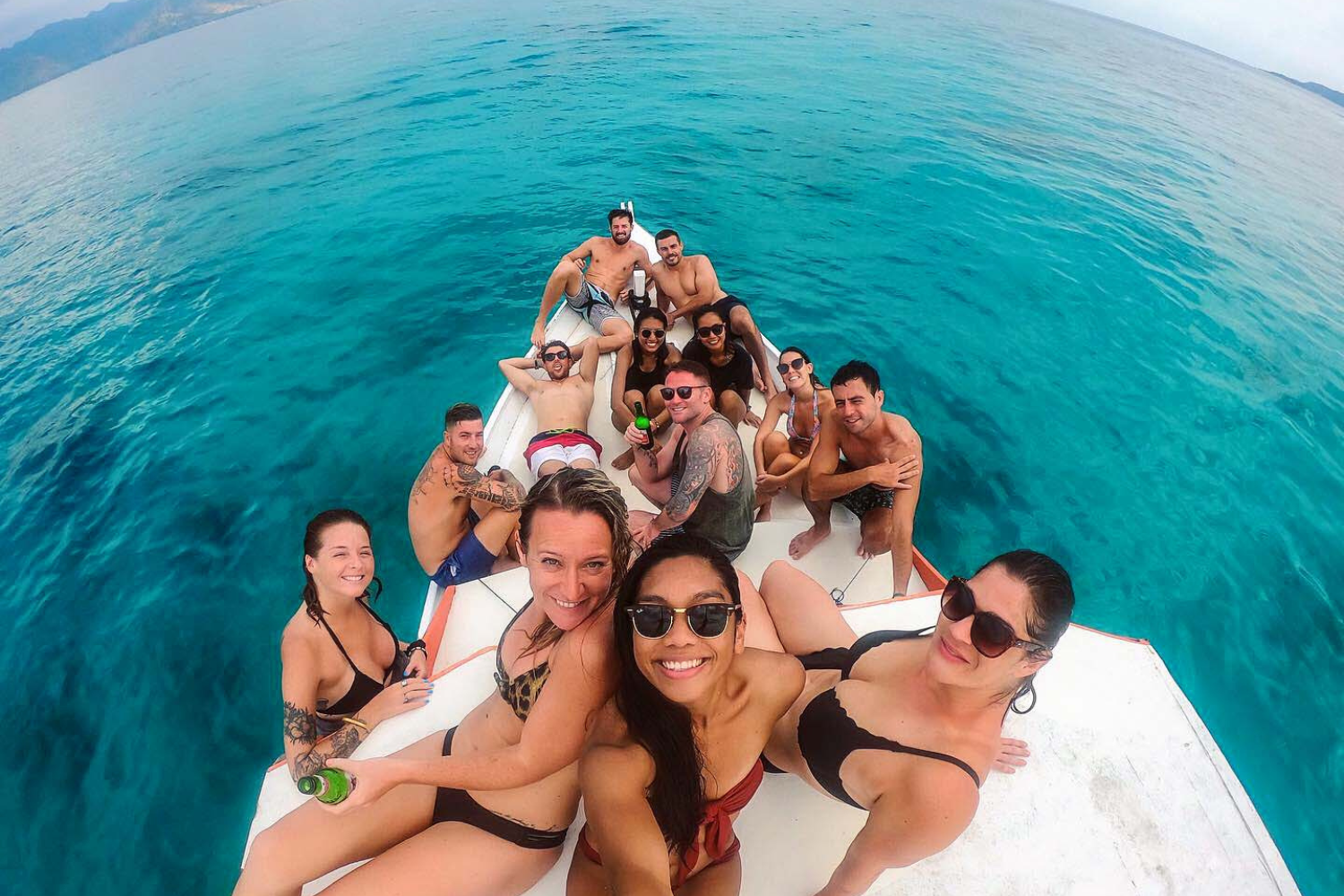
Southeast Asia Backpacking Route at a Glance
For a longer Southeast Asia backpacking trip, the mainland makes a natural starting point. Travel through Thailand, Laos, Vietnam, and Cambodia before shifting from overland journeys to flights and ferries across the Philippines and Indonesia.
| Backpacking Route | Countries | Route & Key Stops | Recommended Time |
|---|---|---|---|
| Mainland Southeast Asia | Thailand, Laos, Vietnam, Cambodia | Bangkok → Chiang Mai → Luang Prabang → Vang Vieng → Hanoi → Hoi An → Ho Chi Minh City → Phnom Penh → Siem Reap → Koh Rong | 6–8 weeks |
| Island Southeast Asia | Philippines, Indonesia | Manila → Nacpan Beach → Siargao → Panglao → Siquijor → Dumaguete → Uluwatu → Gili Trawangan → Nusa Lembongan | 4–6 weeks |
| The Full Beyond SEA Route | All six countries | Mainland Southeast Asia → Philippines → Indonesia | 10–14+ weeks |
Start with the social pulse of the mainland, where overnight trains, buses, and border crossings connect one backpacker hub to the next. Then take the route offshore, swapping long-distance roads for ferries, surf breaks, dive sites, and island communities across the Philippines and Indonesia.
Some of the best stops are the ones that weren’t supposed to last very long. Keep the route flexible enough to stay an extra few nights, take an unexpected detour, or continue traveling with people you meet along the way.
What Is the Best Southeast Asia Backpacking Route for 2026?
For first-time backpackers, the easiest route starts on the mainland before continuing to the islands. Thailand, Laos, Vietnam, and Cambodia are well connected by trains, buses, short flights, and established border crossings, making it possible to travel through all four countries without constantly backtracking.
Mainland Southeast Asia Backpacking Route: Thailand → Laos → Vietnam → Cambodia
Bangkok → Chiang Mai → Luang Prabang → Vang Vieng → Hanoi → Ha Giang → Hoi An → Ho Chi Minh City → Phnom Penh → Siem Reap → Koh Rong
Allow around six to eight weeks for the full mainland route. That gives you enough time to spend several days in each destination, take on longer experiences like the Ha Giang Loop, and account for overnight journeys and border crossings.
Thailand: Bangkok → Chiang Mai
Suggested time: 7–10 days
Start in Bangkok before traveling north to Chiang Mai, either by overnight sleeper train, bus, or a short domestic flight. Travelers with more time can add Pai before continuing toward Laos.
From northern Thailand, you can reach Luang Prabang by air or travel toward the Thai-Lao border and continue through Laos.
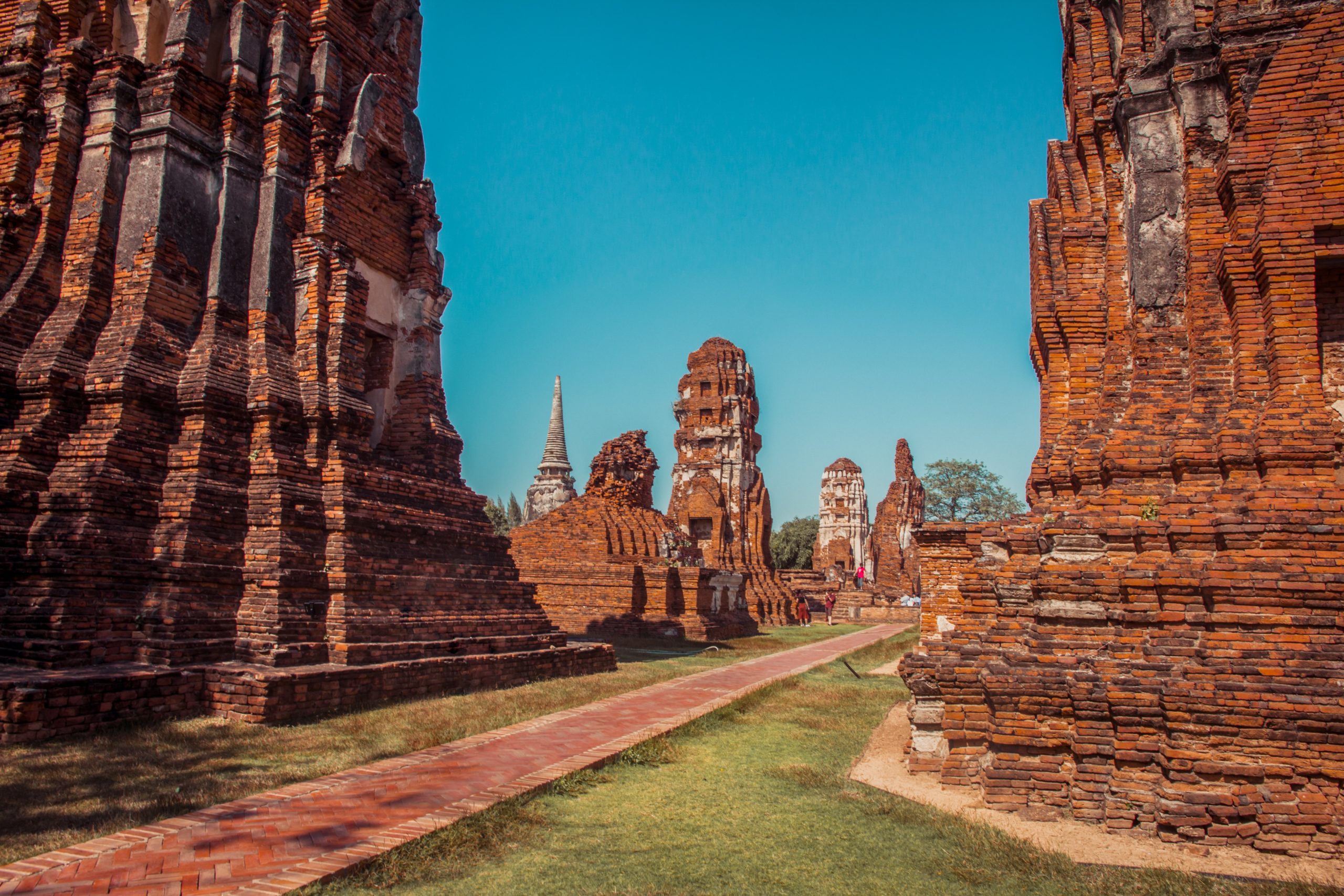
Laos: Luang Prabang → Vang Vieng
Suggested time: 5–7 days
Start the Laos leg in Luang Prabang before heading south to Vang Vieng. Travelers coming overland from northern Thailand can also take the two-day Mekong slow boat from Huay Xai to Luang Prabang.
From Vang Vieng, continue toward Vietnam. Depending on your schedule, this can mean an overland journey or connecting onward by air.
Vietnam: Hanoi → Ha Giang → Hoi An → Ho Chi Minh City
Suggested time: 2–3 weeks
Vietnam takes up the longest stretch of the mainland route. Start in Hanoi and allow an additional three to four days if you’re adding the Ha Giang Loop.
Return to Hanoi before continuing south toward Hoi An and eventually Ho Chi Minh City. Traveling in one direction keeps backtracking to a minimum and leaves you in southern Vietnam for the onward journey into Cambodia.
Cambodia: Phnom Penh → Siem Reap → Koh Rong
Suggested time: 10–14 days
Enter Cambodia and continue through Phnom Penh and Siem Reap before heading south toward the coast. From Sihanoukville, ferries connect the mainland with Koh Rong for the final island stop of this leg.
Koh Rong makes a natural finish to the mainland journey before flying onward to the Philippines and Indonesia or ending the trip in Cambodia.
Travel Tip: Leave some flexibility around border crossings, overnight transport, and island transfers. A route this long works better with buffer days than with every journey booked back-to-back.
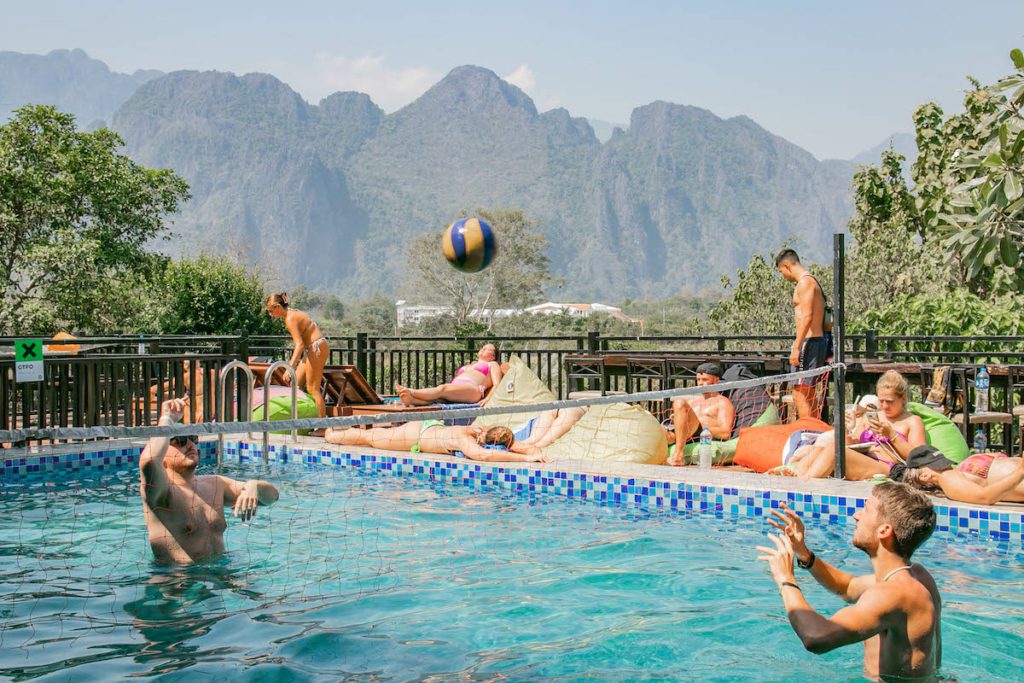
What Are the Best Places to Visit in Mainland Southeast Asia
The best places to visit in mainland Southeast Asia combine major cultural landmarks with mountain landscapes, historic cities, food districts, and coastal escapes. Along this route, Bangkok, Chiang Mai, Luang Prabang, Vang Vieng, Hanoi, Hoi An, Phnom Penh, Siem Reap, and Koh Rong are the key stops worth building time around.
| Stop | Must-See Attraction | Why Go |
|---|---|---|
| Bangkok, TH | Grand Palace, Wat Pho & Wat Arun | Explore Bangkok’s historic centre through its royal complex and landmark temples, with the Chao Phraya River connecting much of the old city experience. |
| Bangkok, TH | Yaowarat Road | Head into Chinatown after dark for street-food stalls, restaurants, markets, and a different social pulse from the backpacker scene around Khao San Road. |
| Chiang Mai, TH | Wat Phra That Doi Suthep | Head into the mountains above Chiang Mai for one of northern Thailand’s best-known temples and wide views across the city below. |
| Luang Prabang, LA | Old Town & Kuang Si Waterfalls | Explore the UNESCO-listed centre’s Buddhist temples, traditional architecture, markets, and Mekong River setting before heading outside town for Kuang Si’s turquoise pools and forested cascades. |
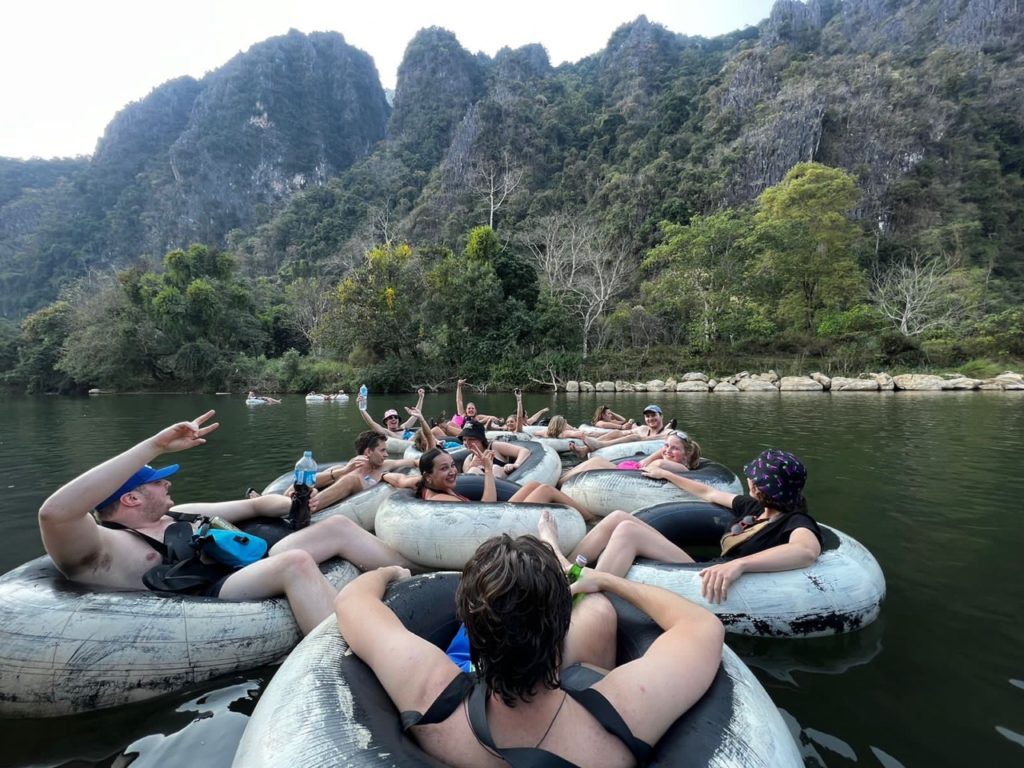
| Vang Vieng, LA | Lagoons & Viewpoints | Explore the limestone karst landscape through swimming lagoons, caves, hiking trails, viewpoints, and days around the Nam Song River. |
| Hanoi, VN | Old Quarter & Ha Long Bay | Explore Hanoi’s street-food stalls, coffee shops, markets, and Hoan Kiem Lake before heading out to see the limestone islands of Ha Long Bay. |
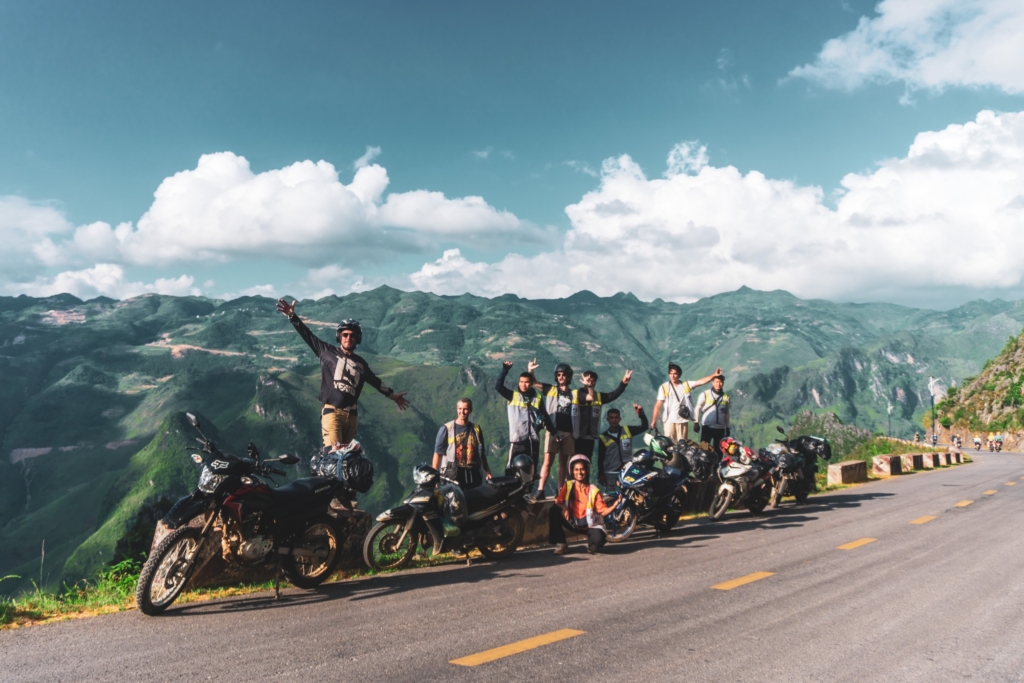
| Ha Giang, VN | Ha Giang Loop | Follow the multi-day route through mountain passes, valleys, rice terraces, and remote communities. Allow at least three to four days rather than squeezing it into a quick Hanoi side trip. |
| Hoi An, VN | Hoi An Ancient Town | Slow the pace among lantern-lined streets, historic shophouses, riverside cafés, local food, and the tailoring culture that shapes this central Vietnam stop. |
| Phnom Penh, KH | Tuol Sleng & Choeung Ek | Visit two important memorial sites that document the Khmer Rouge period and provide essential context for understanding Cambodia’s recent history. Both should be approached as places of remembrance. |
| Siem Reap, KH | Angkor Archaeological Park | Go beyond Angkor Wat to explore Bayon, Ta Prohm, Angkor Thom, and the wider temple complex. Give the archaeological park at least a full day. |
| Koh Rong, KH | Longset Beach | Finish the mainland leg with a change of pace, trading cities and overland transfers for sand, clear water, and time exploring Cambodia’s island coastline. |
Local Insight: Popular attractions like Angkor Wat and Kuang Si Waterfalls are significantly quieter in the first hour after opening. Arriving early isn’t just about avoiding heat, it’s the difference between an empty frame and a crowded one.
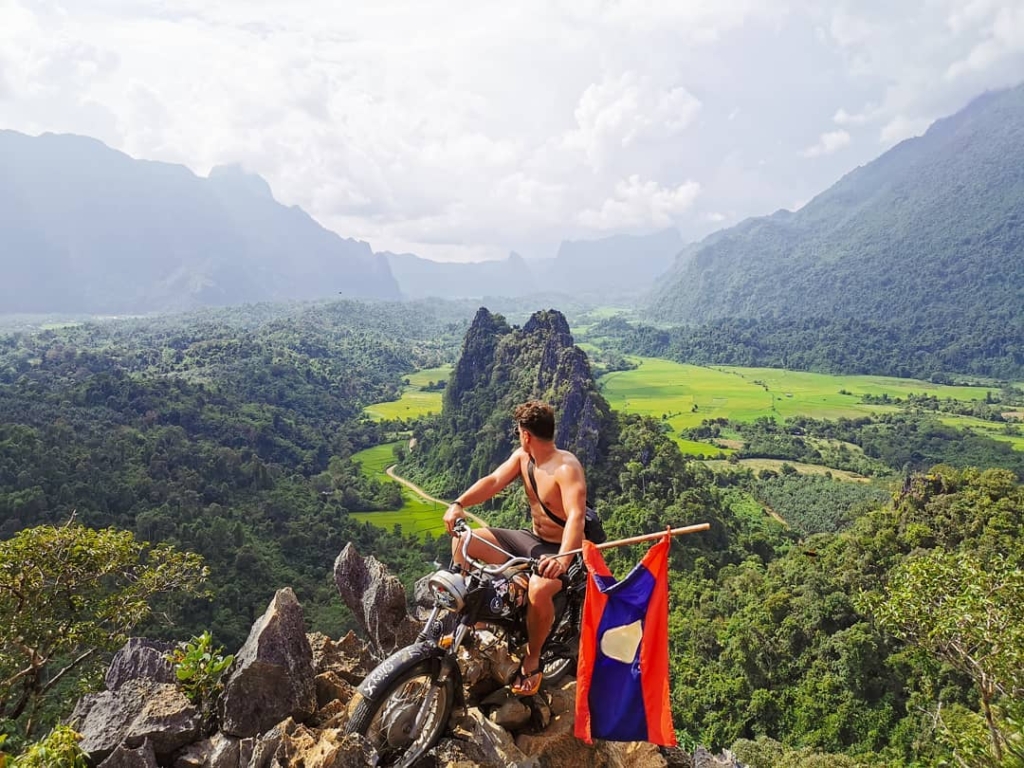
Where to Stay in Mainland Southeast Asia
Where you stay can change the rhythm of a backpacking trip. Social hostels work well for solo travelers looking to meet people, while boutique hotels and smaller local stays offer more privacy and a quieter reset between long travel days. Across the mainland route, these three-way picks give travelers a choice without losing the social thread that connects many Mad Monkey stops.
Where to Stay in Bangkok
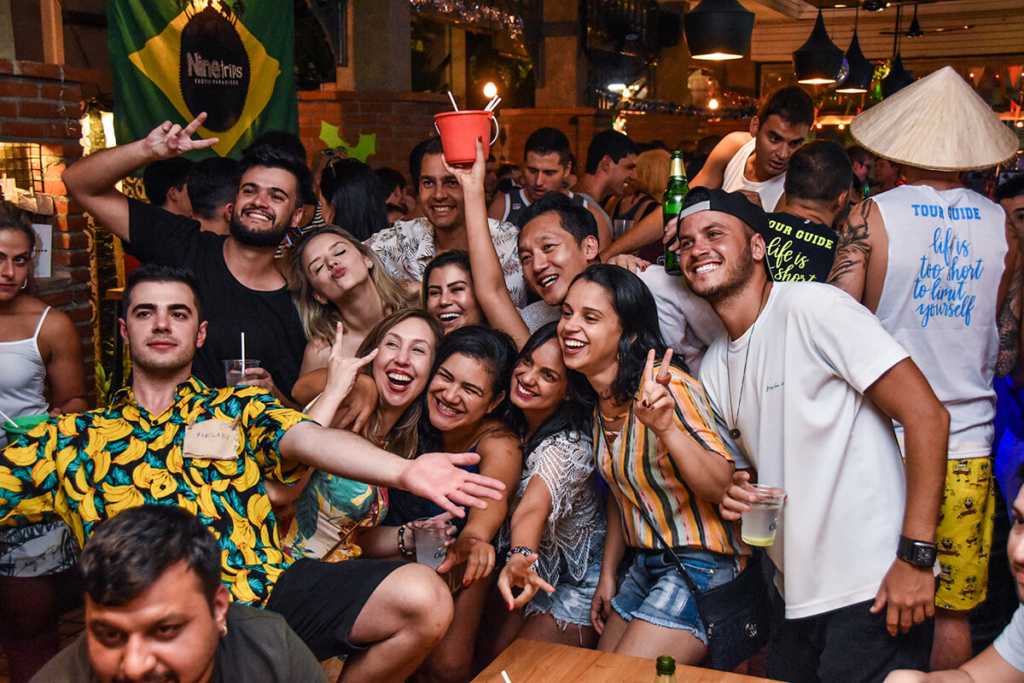
Mad Monkey Bangkok
Mad Monkey Bangkok sits a short walk from Khao San Road, with Bangkok’s old city, riverside temples, local food spots, and Chao Phraya ferries close by. Back at the hostel, communal spaces and social activities make it easy to connect with travelers heading north through Thailand or onward into the wider Southeast Asia route.
Location: 55 Phra Sumen Rd, Chana Songkhram, Phra Nakhon, Bangkok 10200, Thailand – MAP
Contact: +66 2 161 0486 | Book NOW
The Greens Boutique Hotel
The Greens Boutique Hotel offers private rooms on Rambuttri Alley, within walking distance of Khao San Road and Bangkok’s historic center. It’s a convenient option for travelers prioritizing location and privacy.
Location: 12 Ram Buttri Aly, Chana Songkhram, Phra Nakhon, Bangkok 10200, Thailand – MAP
Contact: +66 63 221 86793 | Instagram
Where to Stay in Chiang Mai
Mad Monkey Chiang Mai
Set in the vibrant Chang Khlan district, Mad Monkey Chiang Mai keeps the social pulse going between temple mornings, night-market evenings, and trips into the mountains. It’s particularly suited to solo travelers looking to connect with backpackers heading toward Pai, Laos, and beyond.
Location: Chang Moi Sub-district, Amphoe Mueang Chiang Mai, Chiang Mai 50100, Thailand – MAP
Contact: +66 65 587 1222 | Book NOW
The Chiang Mai Old Town
The Chiang Mai Old Town places travelers inside the city’s historic core, where temple-lined streets, local cafés, and markets shape the neighborhood. The hotel offers a quieter setting for travelers who want more privacy between days out exploring northern Thailand.
Location: Mueang Chiang Mai District, Chiang Mai 50200, Thailand – MAP
Contact: +66 53 278 780 | Website
Where to Stay in Luang Prabang
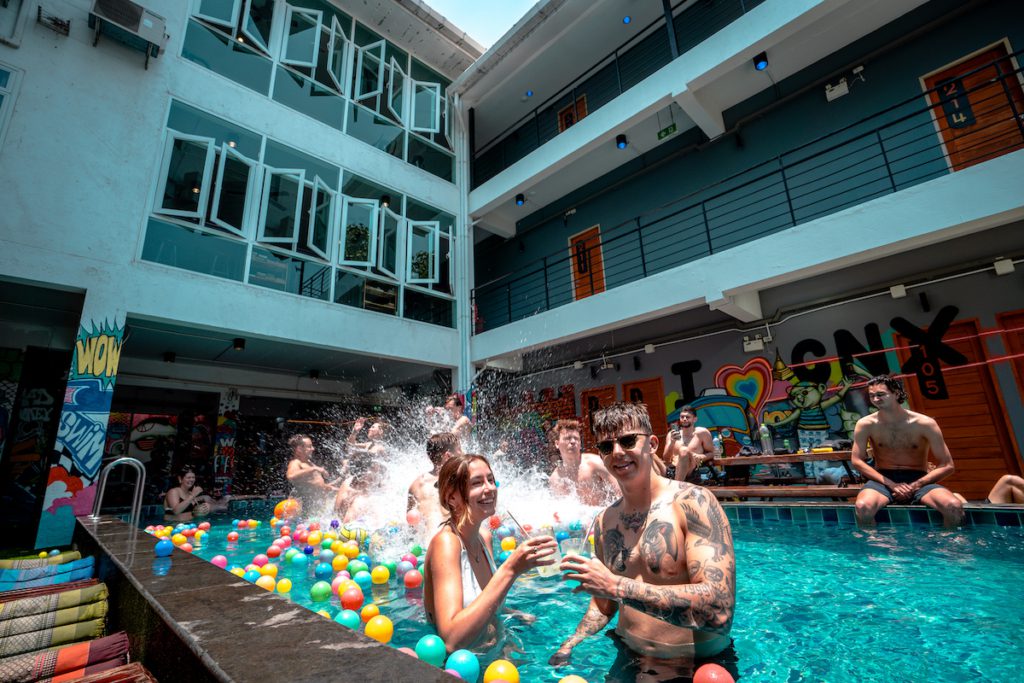
Mad Monkey Luang Prabang
Temple mornings, waterfall days, and Mekong sunsets shape the Luang Prabang experience, while Mad Monkey Luang Prabang keeps the social side of the journey going back at the hostel. Positioned just minutes from the Night Market, it’s a natural meeting point for solo backpackers before the route continues toward Vang Vieng.
Location: Luang Prabang, Laos – MAP
Contact: +856 20 99 611 604 | Book NOW
Elegant Boutique Hotel Luang Prabang
Elegant Boutique Hotel Luang Prabang sits on Kounxoau Road, giving travelers a private base for exploring the city’s temples, night markets, and riverside streets. Its relaxed setting works well for slower days between sightseeing and onward journeys.
Location: Kounxoau Rd, Luang Prabang 06000, Laos – MAP
Contact: +856 20 99 982 229 | Website
Where to Stay in Vang Vieng
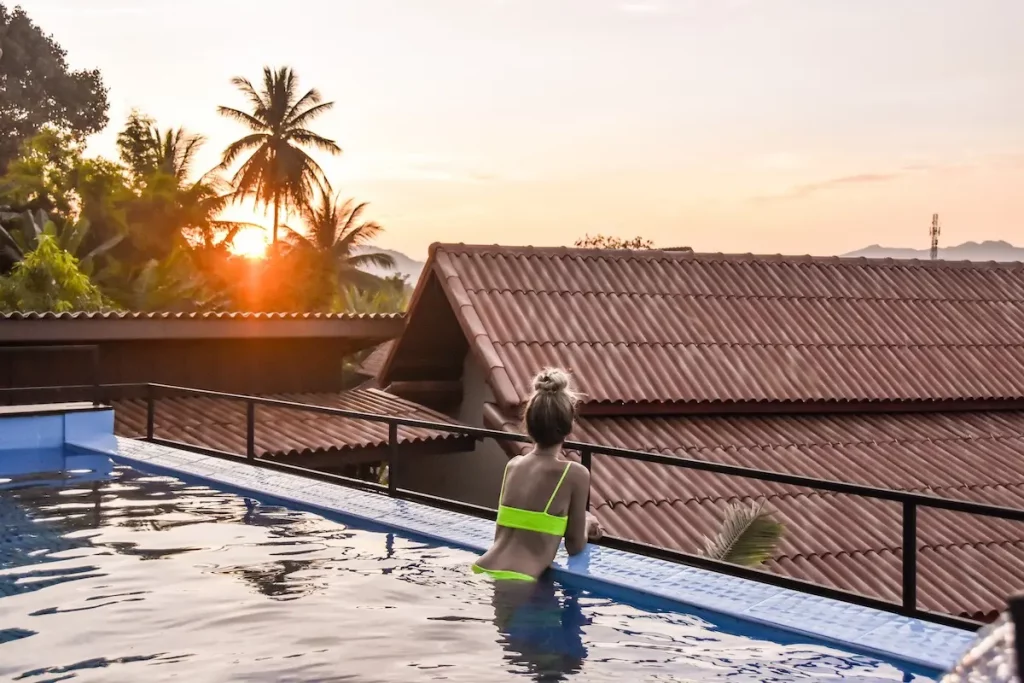
Mad Monkey Vang Vieng
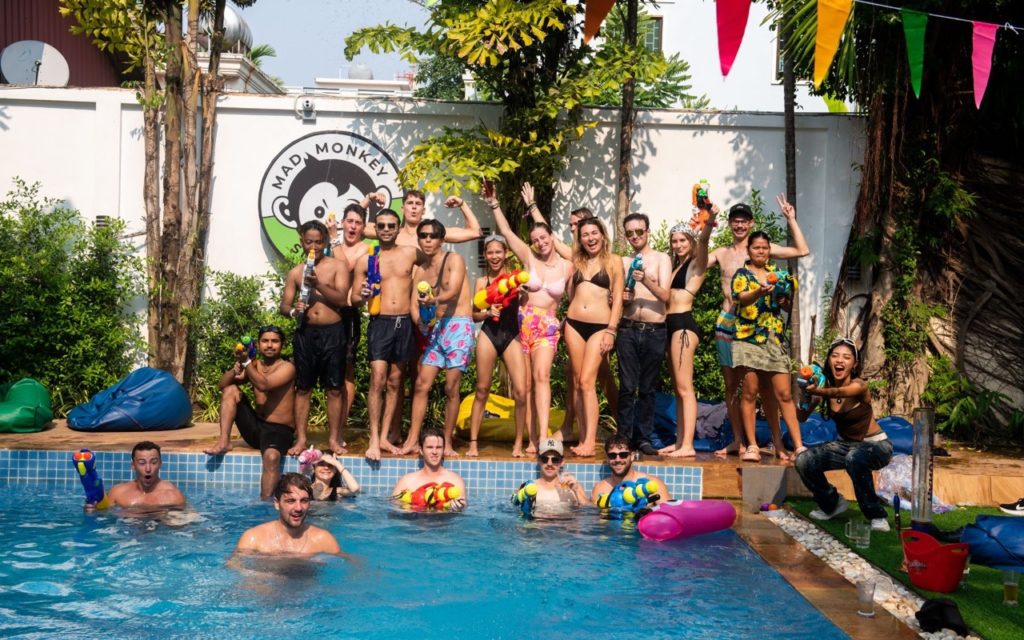
Surrounded by Vang Vieng’s limestone landscape, Mad Monkey Vang Vieng gives backpackers a social base between days spent exploring lagoons, caves, viewpoints, and the Nam Song River. The pool and regular activities add plenty of opportunities for solo travelers to connect.
Location: Laos, Vang Vieng, 20/1 Ban Vang Vieng, Vang Vieng, Muang, 10000, Laos – MAP
Contact: +856 20 52 796 205 | Website
Vang Vieng Charming Boutique Hotel
Located along Vang Vieng’s main street, this smaller boutique hotel keeps the town’s everyday rhythm close, from cafés and restaurants to the starting points for outdoor excursions. It suits travelers looking for a central stay with more privacy.
Location: 121 Main Street, Vang Vieng 00856, Laos – MAP
Contact: +856 20 91 137 088
Where to Stay in Hanoi
Mad Monkey Hanoi
From its base at 9 Pho Ma May, Mad Monkey Hanoi drops backpackers into the everyday rhythm of the Old Quarter, from pavement cafés and street-food stalls to markets and late-night streets. For those heading further north, it also makes an easy starting point for the Ha Giang Loop.
Location: 11 Mã Mây, Phố cổ Hà Nội, Hoàn Kiếm, Hà Nội 111000, Vietnam – MAP
Contact: +84 24 3233 3039 | Website
Hanoi Lion Boutique Hotel
Hanoi Lion Boutique Hotel sits among the busy streets of the Old Quarter, where local food spots, coffee shops, markets, and historic landmarks fill the surrounding blocks. Private accommodation offers a quieter place to return to after exploring the city.
Location: 22-24 P. Nguyễn Văn Tố, Phố cổ Hà Nội, Hoàn Kiếm, Hà Nội 10000, Vietnam – MAP
Contact: +84 24 3930 3555 | Website
Where to Stay in Hoi An
Mad Monkey Hoi An
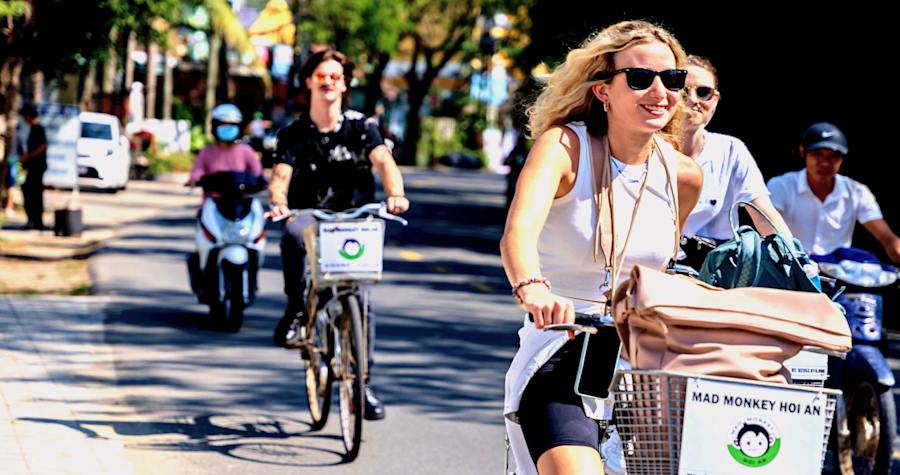
Located along Cua Dai Road near Ba Le Market, Mad Monkey Hoi An adds a social thread to a destination known for its lantern-lined streets, food culture, riverside cafés, and nearby coastline. It suits solo backpackers who want to explore Hoi An by day and connect with other travelers between adventures.
Location: 250 Cửa Đại, Hội An Đông, Đà Nẵng 51000, Vietnam – MAP
Contact: +84 934 916 617 | Website
H Boutique Hoi An
Set on Nguyễn Trường Tộ, H Boutique Hoi An offers a quieter private stay within easy reach of the Ancient Town, local cafés, restaurants, and Hoi An’s riverside streets.
Location: 97 Nguyễn Trường Tộ, Hội An, Đà Nẵng, Vietnam – MAP
Contact: +84 913 822 525 | Website
Where to Stay in Ho Chi Minh City
Ho Chi Minh City has accommodation across its central districts, from social backpacker stays to boutique hotels and more comfortable private rooms. Choosing the right area depends on whether you want to stay close to major sights, food streets, nightlife, or onward transport.
Little Saigon Boutique Hotel
Little Saigon Boutique Hotel sits on Lê Lợi, placing travelers within easy reach of central markets, local food spots, historic landmarks, and the energy of downtown Ho Chi Minh City.
Location: 2 Lê Lợi, Sài Gòn, Hồ Chí Minh, Vietnam – MAP
Contact: +84 28 3521 8464 | Website
Me Saigon Boutique Hotel
Me Saigon Boutique Hotel brings a more design-focused feel to a central Ho Chi Minh City stay. Its location keeps the city’s food scene, cafés, shopping, and major landmarks within easy reach.
Location: 280 Lê Thánh Tôn, Bến Thành, Hồ Chí Minh 700000, Vietnam – MAP
Contact: +84 28 3622 2283 | Website
Where to Stay in Phnom Penh
Mad Monkey Phnom Penh
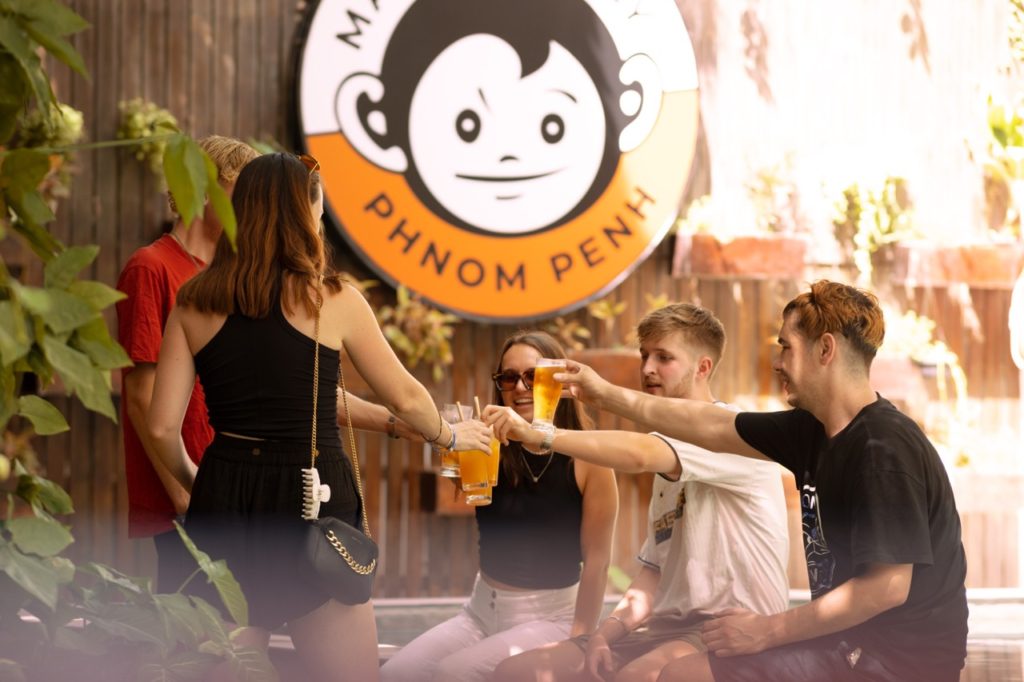
Located just a 5-minute walk from the Independence Monument on Street 242, Mad Monkey Phnom Penh gives backpackers a social place to reconnect between days exploring the capital and the next leg of the journey. Phnom Penh moves between riverside energy, a growing café scene, local markets, and powerful reminders of Cambodia’s recent history.
Location: Street 242, No. 32, Phnom Penh, Oknha Pich St. (242), Phnom Penh 12200, Cambodia – MAP
Contact: +855 23 901 556 | Website
House Boutique
Located on Street 57, House Boutique places travelers within BKK1’s evolving mix of independent cafés, restaurants, and neighbourhood spots. The smaller-scale setting offers a quieter way to experience this side of Phnom Penh.
Location: 76 ផ្លូវលេខ ៥៧, Phnom Penh, Cambodia – MAP
Contact: +855 23 220 884 | Website
Where to Stay in Siem Reap
Mad Monkey Siem Reap
Located on Rose Apple Road in the heart of central Siem Reap, Mad Monkey Siem Reap adds a social thread to days shaped by Angkor’s temples, local markets, Khmer food, and the city’s growing nightlife scene. It’s particularly suited to solo backpackers looking to connect while exploring this part of Cambodia.
Location: Rose Apple Rd, Krong Siem Reap 12402, Cambodia – MAP
Contact: +855 93 888 203 | Website
Khmer House Boutique
With private accommodation and convenient access to central Siem Reap, this smaller hotel suits travelers looking for a quieter base between temple visits and time exploring the city.
Location: Street 26, Krong Siem Reap 17254, Cambodia – MAP
Contact: +855 10 272 000 | Website
Where to Stay in Koh Rong
Mad Monkey Koh Rong
On Long Set Beach, Mad Monkey Koh Rong puts backpackers close to the rhythms of island life, from slow beach mornings to days spent out on the water. The hostel’s communal spaces add a social thread without taking the focus away from the coastline itself.
Location: Koh Rong, Long Set Beach, Preah Sihanouk, Cambodia – MAP
Contact: Website
BeachWalk Koh Rong
BeachWalk Koh Rong sits along Long Set Beach, giving travelers direct access to the coastline from a quieter, private setting. It’s a good fit for slower beach days before continuing the journey or leaving Cambodia.
Location: Long Set Beach, Koh Rong, 18205, Cambodia – MAP
Contact: +855 17 810 619 | Website
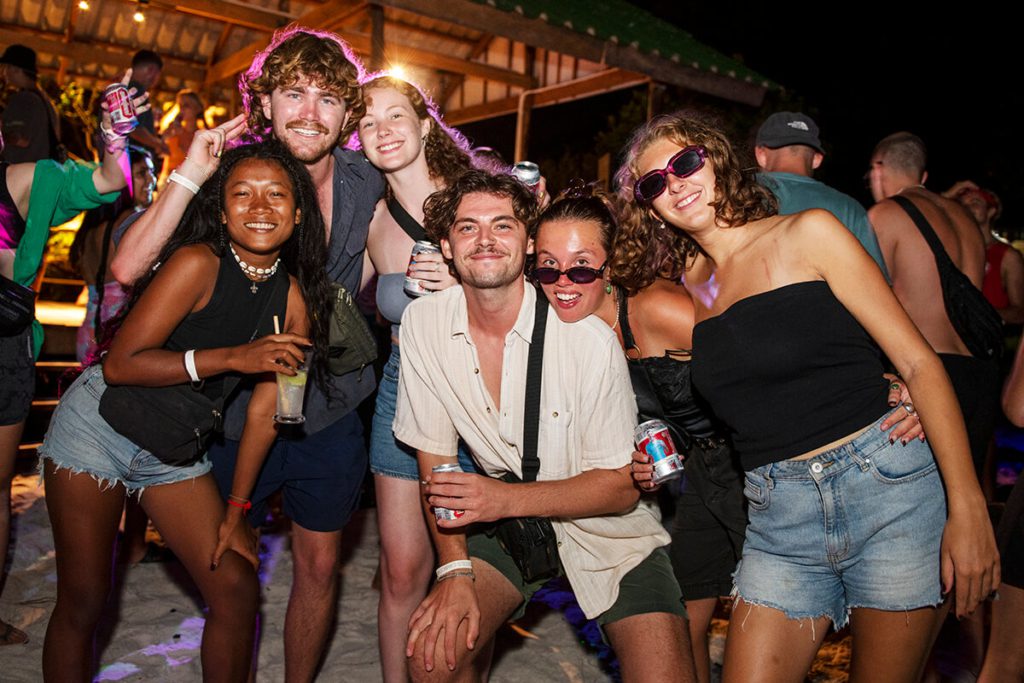
Island Southeast Asia Backpacking Route: Philippines → Indonesia
Manila → Nacpan Beach → Siargao → Panglao → Siquijor → Dumaguete → Uluwatu → Gili Trawangan → Nusa Lembongan
After the overland-heavy mainland route, the Philippines and Indonesia shift the journey toward domestic flights, ferries, surf towns, diving hubs, and smaller islands. Allow around four to six weeks for this leg, with extra time if surfing, diving, or slower island stays are part of the plan.
Travel here requires more flexibility than on the mainland. Flights cover the longer distances, while ferries and local transfers connect neighboring islands, making buffer days particularly useful when moving between regions.
Philippines: Manila → Nacpan Beach → Siargao → Panglao → Siquijor → Dumaguete
Suggested time: 3–4 weeks
Start in Manila, the country’s main international gateway and a practical launch point for domestic flights. A few days here gives you time to explore the capital before swapping city streets for the islands.
From Manila, fly to Palawan and continue north toward El Nido and Nacpan Beach. This stretch brings limestone coastlines, lagoons, boat trips, and long beach days into the route before the journey moves east.
Continue to Siargao, where several days give you enough time to settle into the island rather than treating it as a quick surf stop. From surf breaks and coastal roads to nearby islands, Siargao is worth giving one of the longer stays on the Philippines leg.
Next, head toward Panglao in Bohol, which works as a base for beaches, diving, and exploring the wider island. From Bohol, ferry connections allow you to continue through Central Visayas without returning to Manila.
Siquijor shifts the pace again with coastal roads, waterfalls, swimming spots, and a smaller-island rhythm. Give yourself a few days here before making the relatively short onward journey toward Negros.
Finish in Dumaguete, a practical gateway to Dauin’s dive sites, nearby marine sanctuaries, and Apo Island. Its position also makes it a natural final stop before beginning the Indonesia leg of the route.
Travel Tip: The Philippines rewards a shorter island list. Rather than squeezing five or six destinations into two weeks, choose a few places that match what you actually want to do and give each one enough time for beach days, boat trips, surf sessions, or slower local exploring.
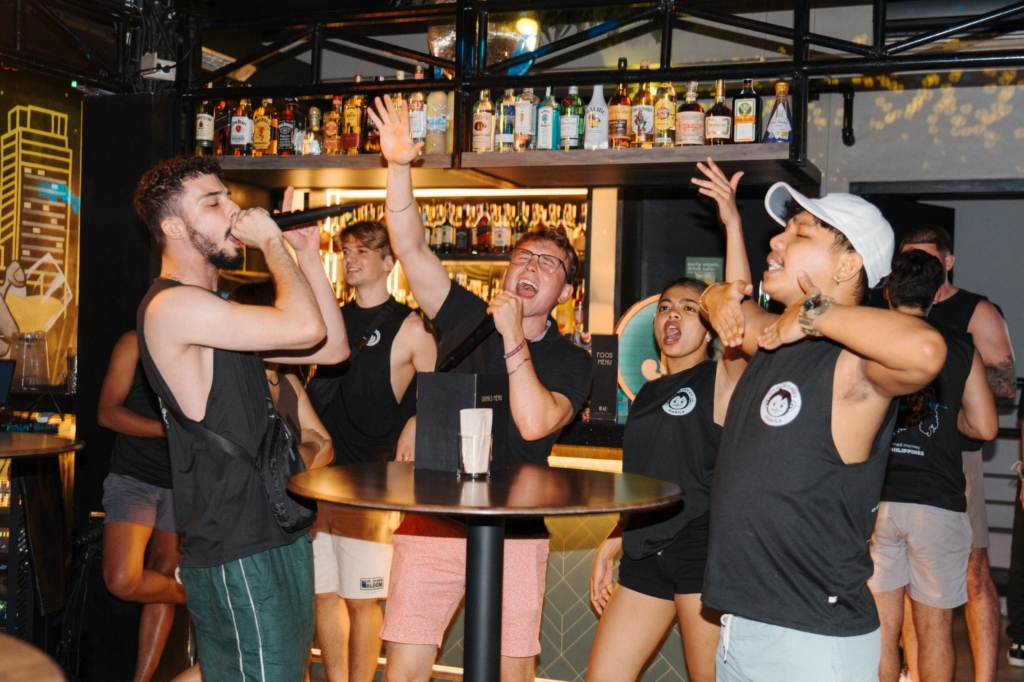
Indonesia: Uluwatu → Gili Trawangan → Nusa Lembongan
Suggested time: 1–2 weeks
Continue into Indonesia with Uluwatu as the starting point for the final stretch. Southern Bali brings clifftop scenery, surf culture, and easy access to the Bukit Peninsula before the route moves offshore.
From Bali, continue to Gili Trawangan, where the pace shifts to a car-free island built around beaches, snorkeling, diving, and getting around on foot or by bicycle.
The final stop is Nusa Lembongan, a smaller island southeast of Bali where reef trips, coastal viewpoints, and neighboring Nusa Ceningan offer a slower finish to the wider Southeast Asia journey.
From Nusa Lembongan, return to Bali for onward travel or add a few extra days before flying home.
Travel Tip: Sea conditions can affect fast-boat services between Bali and the surrounding islands. If you have an international flight to catch, return to Bali ahead of time rather than relying on a same-day boat connection to the airport.
What Are the Best Places to Visit in the Philippines and Indonesia?
The best places to visit in the Philippines and Indonesia combine historic city districts, surf breaks, limestone coastlines, waterfalls, coral reefs, and smaller islands. Along this route, Manila, Nacpan Beach, Siargao, Panglao, Siquijor, Dumaguete, Uluwatu, Gili Trawangan, and Nusa Lembongan each bring something distinct to the island leg.
| Stop | Must-See Attraction | Why Go |
|---|---|---|
| Manila, PH | Intramuros | Explore Manila’s historic walled city, including Fort Santiago, San Agustin Church, and streets shaped by the capital’s Spanish-colonial history. |
| Nacpan Beach, PH | Nacpan Beach & Bacuit Bay | Slow down on Nacpan’s coastline, then explore Bacuit Bay’s limestone cliffs, lagoons, and island-hopping routes. |
| Siargao, PH | Cloud 9 & the Siargao Coast | See the island’s best-known surf break, then explore coastal roads, rock pools, palm-lined landscapes, and nearby islands beyond the surf scene. |
| Panglao, PH | Panglao & the Chocolate Hills | Combine Panglao’s beaches and dive sites with an inland trip through Bohol to see the Chocolate Hills and surrounding countryside. |
| Siquijor, PH | Cambugahay Falls | Swim in tiered freshwater pools, then follow Siquijor’s coastal roads between beaches, waterfalls, and smaller island communities. |
| Dumaguete, PH | Valencia & Casaroro Falls | Head into the highlands outside Dumaguete to explore Valencia’s cooler landscapes, with Casaroro Falls adding a jungle-framed waterfall adventure to the journey through Negros Oriental. |
| Uluwatu, ID | Uluwatu Temple & the Bukit Peninsula | Visit the clifftop temple above the Indian Ocean, then explore the Bukit Peninsula’s surf breaks, beaches, viewpoints, and sunset spots. |
| Gili Trawangan, ID | Gili Trawangan’s Reefs | Snorkel or dive around the island’s reefs, then explore the car-free island on foot or by bicycle between days on the water. |
| Nusa Lembongan & Nusa Ceningan, ID | Beaches, Reefs & the Yellow Bridge | Explore beaches, mangroves, reef trips, and coastal scenery before crossing the Yellow Bridge to neighbouring Nusa Ceningan. |
| Nusa Lembongan, ID | Devil’s Tear | Watch waves hit Lembongan’s rocky coastline at one of the island’s most dramatic viewpoints, while staying behind barriers and away from exposed edges. |
Travel Tip: Island travel across the Philippines and Indonesia works best with some flexibility. Ferries, flights, boat trips, and water activities can shift with weather and sea conditions, so avoid packing too many islands into a short itinerary. Give each stop enough time to explore properly, and follow local guidance when heading out on the water.
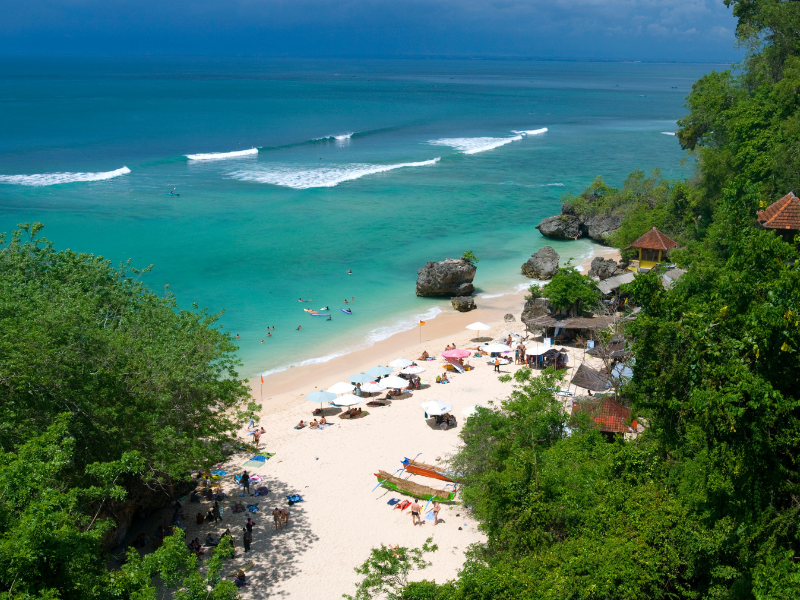
Where to Stay in the Philippines and Indonesia
Island hopping doesn’t require sticking to one accommodation style. Follow the social pulse at some stops, choose a locally run guesthouse at others, or slow things down with a private beachfront stay. The picks below reflect that mix across the Philippines and Indonesia.
Where to Stay in Manila
Mad Monkey Manila
Treat Manila as more than a connection between flights. A layover gives you a window into the capital’s food, culture, and after-dark social pulse, with Mad Monkey Manila in Makati providing a base between journeys. This half-day Manila layover guide maps out what you can experience when you only have a few hours in the city.
Location: 5665 Don Pedro Street, Cor Alfonso, Poblacion, Makati, Makati City, 1210 Metro Manila – MAP
Contact: +63 956 439 6158 | Website
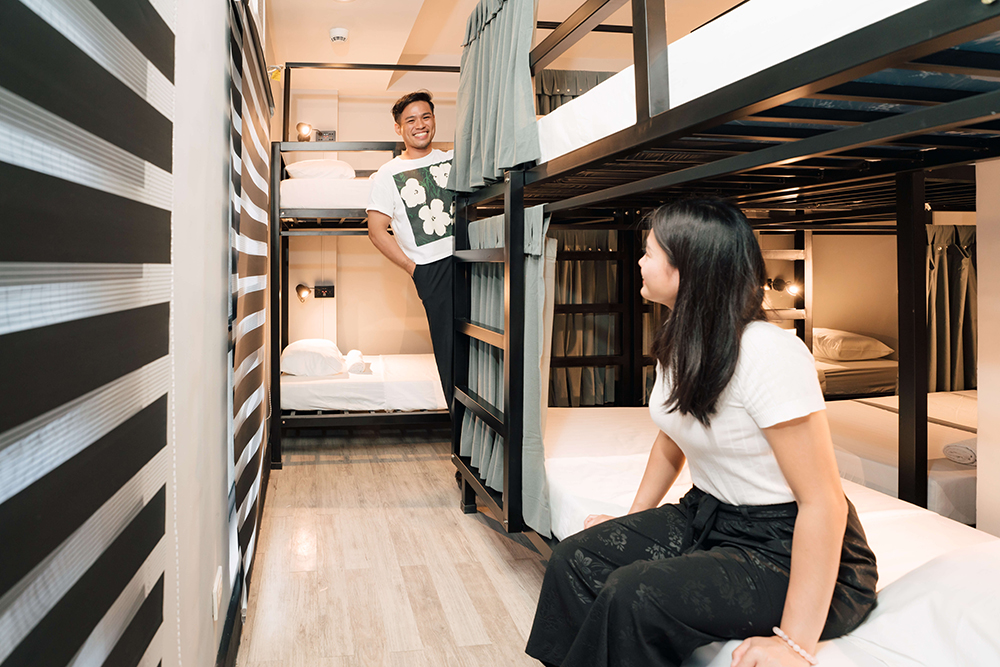
Where to Stay in Nacpan Beach
Mad Monkey Nacpan Beach
Wake up by the coast, spend the day discovering more of Palawan on an island tour, then come back to the comfort and collective energy of Mad Monkey Nacpan Beach. It’s a stay built around nature, exploration, and having somewhere social to return to after a day on the water.
Location: Nacpan Beach, Sitio Calitang, Barangay Bucana, El Nido, 5313 Palawan – MAP
Contact: +63 945 298 0734 | Website
Eco Sanctuaries Nature Lodge Nacpan Beach
For travelers looking for a quieter stay around Nacpan, Eco Sanctuaries Nature Lodge provides a comfortable base for beach days and exploring the surrounding coastline.
Location: Nacpan Beach, El Nido, 5313 Palawan – MAP
Contact: +63 993 915 8457 | Website
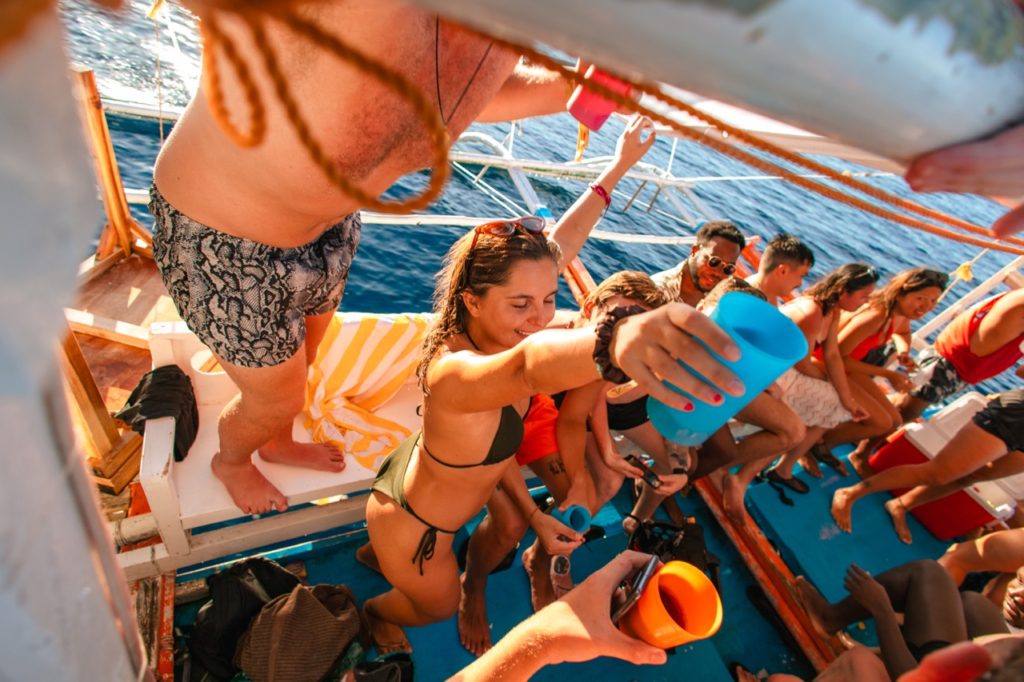
Where to Stay in Siargao
Mad Monkey Siargao
Located just minutes from Cloud 9 in General Luna, Mad Monkey Siargao taps into the island’s surf culture and easygoing social pulse, giving backpackers a meeting place between waves, island adventures, and nights out in General Luna. Whether you arrive solo or with friends, it’s the kind of base where plans for the next surf session or island trip often start with someone you just met.
Location: Lot 2903 Brgy, General Luna, 8419 Surigao del Norte – MAP
Contact: +63 995 816 8750 | Website
Soultribe Beach Retreat
Set in Malinao, Soultribe Beach Retreat offers a slower side of Siargao, where tropical surroundings, beachfront downtime, and wellness-focused experiences take the lead. It’s a natural fit for travelers looking to recharge between days exploring the island.
Location: General Luna, Surigao del Norte – MAP
Contact: +63 999 645 3324 | Website
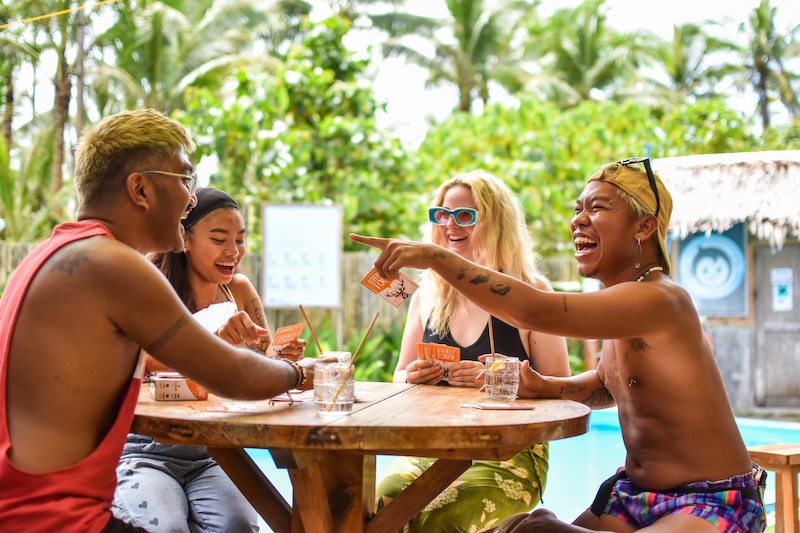
Where to Stay in Panglao
Mad Monkey Panglao
Located just minutes from Alona Beach, Mad Monkey Panglao gives backpackers a social base for experiencing Bohol above and below the water, from Panglao’s beaches and dive sites to island trips and adventures across the mainland. Back at the hostel, shared spaces make it easy to meet people and turn tomorrow’s plans into a group adventure.
Location: Bgy, Sitio Daorong Blvd, Danao, Panglao, Bohol – MAP
Contact: +63 906 034 1393 | Website
Bohol Coastal View Hotel
Bohol Coastal View Hotel offers private accommodation with coastal views, providing a comfortable base within reach of Panglao’s beaches and island activities.
Location: Island, Panglao Island Circumferential Rd, Panglao, 6300 Bohol – MAP
Contact: +63 906 034 1393 | Website
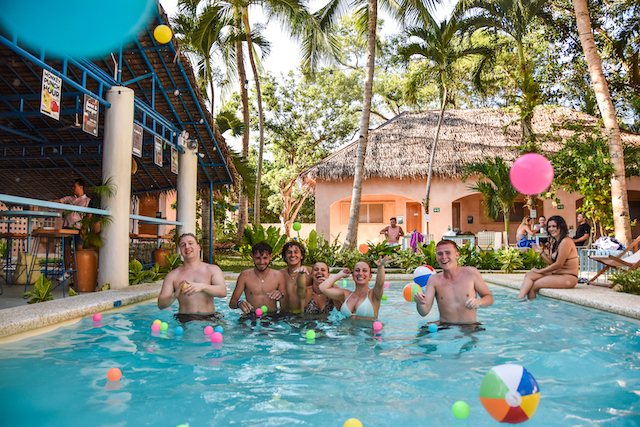
Where to Stay in Siquijor
Mad Monkey Siquijor
Set in Lazi near Cambugahay Falls and the Old Balete Tree, staying at Mad Monkey Siquijor puts the island’s waterfalls, beaches, and coastal adventures at the heart of the experience. Days are less about ticking off attractions and more about getting on a scooter, picking a direction, and discovering what’s around the next bend.
Location: Lazi, 6228 Siquijor – MAP
Contact: +63 956 520 7746 | Website
Mahika Guest House
Mahika offers a relaxed stay in San Juan, well placed for exploring Siquijor’s beaches and surrounding coastline.
Location: San Juan, 6227 Siquijor – MAP
Contact: +63 915 598 6149

Where to Stay in Dumaguete
Mad Monkey Dumaguete
Staying at Mad Monkey Dumaguete gives backpackers a starting point for exploring beyond the city, with tours to Valencia for waterfalls and natural landscapes alongside experiences that dig into Dumaguete’s local history and culture.
Location: Brgy 10, Amigo, Piapi, Subdivision, Dumaguete City, 6200 Negros Oriental – MAP
Contact: +63 962 563 3866 | Website

Where to Stay in Uluwatu
Mad Monkey Uluwatu
Mad Monkey Uluwatu taps into the Bukit Peninsula’s distinct mix of surf culture, beach days, clifftop sunsets, and after-dark energy. It gives backpackers an easy way into the lifestyle that has made southern Bali one of the island’s most dynamic corners.
Location: Jl. Labuansait, Pecatu, Kec. Kuta Sel., Kabupaten Badung, Bali, Indonesia – MAP
Contact: +62 823 4096 3095 | Website
Mû Bungalows Boutique Resort
Mû Bungalows offers a more intimate stay near Bingin, combining thoughtful design with easy access to the beaches and coastal scenery of the Bukit Peninsula.
Location: Jl. Pantai Bingin, Pecatu, Kec. Kuta Sel., Kabupaten Badung, Bali 80364, Indonesia – MAP
Contact: +62 853 3816 7746 | Website
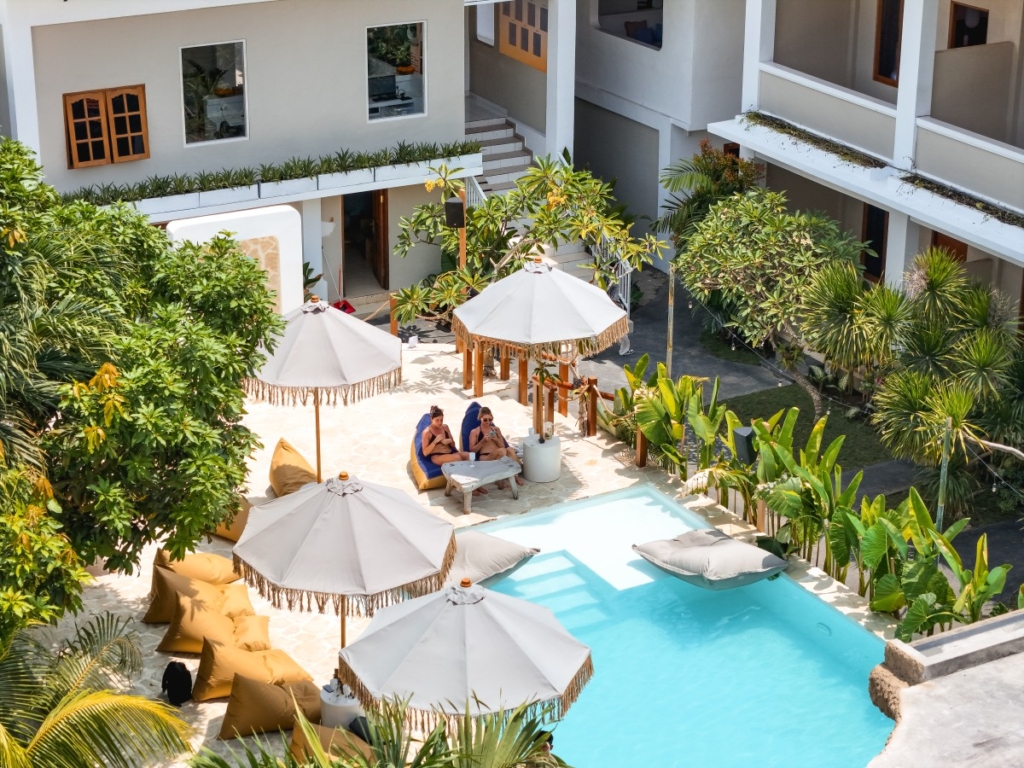
Where to Stay in Gili Trawangan
Mad Monkey Gili Trawangan
Situated along the island’s quieter northwest beach, Mad Monkey Gili Trawangan brings backpackers into the island’s underwater world, with snorkeling and diving experiences alongside easygoing days on a car-free island. Its setting away from the busiest stretch gives you room to enjoy Gili T at a slower pace without losing the energy that draws travelers here.
Location: Jl. Pantai Gili Trawangan, Nusa Tenggara Bar. 83352, Indonesia – MAP
Contact: +62 821 4793 6583 | Website
Kaleydo Villas Boutique Hotel
Kaleydo Villas offers a comfortable setting for slower days on Gili Trawangan, with the island’s beaches and activities within easy reach.
Location: Jalan Ikan Duyung, Gili Trawangan, Gili Indah, Indonesia – MAP
Contact: +62 812 4669 7290

Where to Stay in Nusa Lembongan
Mad Monkey Nusa Lembongan
Clear water, reef adventures, beach days, and Nusa Ceningan just across the Yellow Bridge set the pace at Mad Monkey Nusa Lembongan. There’s always another corner of the islands to explore, whether you’re heading underwater or following the coastline.
Location: Jungutbatu, Kec. Nusa Penida, Kabupaten Klungkung, Bali 80771, Indonesia – MAP
Contact: +62 853 3399 9608 | Website
Tiny House Nusa Lembongan
Tiny House Nusa Lembongan offers a smaller-scale stay for travelers looking for a relaxed base while exploring the island’s beaches, coastal scenery, and nearby attractions.
Location: Jungutbatu, Kec. Nusa Penida, Kabupaten Klungkung, Bali, Indonesia – MAP
Contact: +62 812 9925 4065
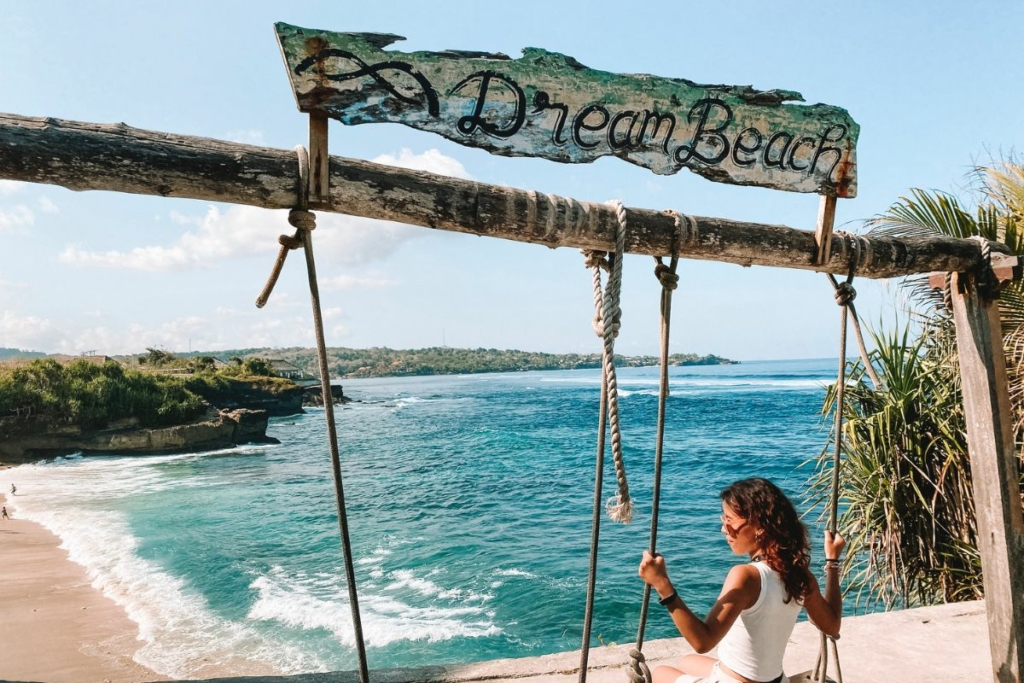
When Is the Best Time to Visit Southeast Asia?
There is no single perfect season for the entire Southeast Asia route. Weather shifts between the mainland, Vietnam, the Philippines, and Indonesia, so the best approach is to plan around the parts of the trip where conditions matter most, particularly island transfers, diving, surfing, and multi-day outdoor adventures.
| Region | Generally Favourable Period | What to Know |
|---|---|---|
| Thailand, Laos & Cambodia | November–February | Cooler, drier conditions make this a popular period for overland travel and outdoor activities, but it also brings higher demand. |
| Vietnam | Varies by region | Northern, central, and southern Vietnam have different weather patterns, so check conditions for each stop rather than relying on one national season. |
| Philippines | December–May | Drier conditions generally favour beaches and island travel, while the wetter months can bring storms and transport disruptions. |
| Indonesia | April–October | Bali, the Gilis, and Nusa Islands generally see drier weather suited to surfing, diving, beach days, and boat transfers. |
Travel Tip: On a 10-to-14-week route, don’t try to chase perfect weather at every stop. Build some flexibility into the itinerary and pay closer attention to conditions when ferries, mountain routes, diving, or other weather-dependent activities are involved.
How Much Does It Cost to Backpack Southeast Asia in 2026?
Backpacking Southeast Asia can still be relatively affordable in 2026, but your budget will depend heavily on the route. Mainland Southeast Asia is generally easier to travel on a tighter budget, while the Philippines and Indonesia can cost more once domestic flights, ferries, diving, and island accommodation are added.
As a broad planning range, budget around $30–$50 USD per day on the mainland and $40–$70 USD per day through the islands, excluding major international flights and higher-cost experiences such as multi-day diving trips.
| Budget Category | Mainland Route: Thailand, Laos, Vietnam & Cambodia | Island Route: Philippines & Indonesia |
|---|---|---|
| Accommodation | Thailand: ฿220–฿730 ($6–$20) Laos: ₭130,000–₭440,000 ($6–$20) Vietnam: ₫160,000–₫520,000 ($6–$20) Cambodia: ៛25,000–៛82,000 ($6–$20) | Philippines: ₱570–₱1,700+ ($10–$30+) Indonesia: Rp165,000–Rp495,000+ ($10–$30+) |
| Food | Thailand: ฿290–฿550 ($8–$15) Laos: ₭175,000–₭330,000 ($8–$15) Vietnam: ₫210,000–₫390,000 ($8–$15) Cambodia: ៛33,000–៛62,000 ($8–$15) | Philippines: ₱570–₱1,150 ($10–$20) Indonesia: Rp165,000–Rp330,000 ($10–$20) |
| Local Transport | Roughly $3–$10/day, or the local-currency equivalent, for buses, trains, tuk-tuks, ride-hailing, and short journeys | Roughly ₱170–₱860 / Rp50,000–Rp250,000 ($3–$15) depending on scooters, tricycles, taxis, ride-hailing, and transfers |
| Activities | Roughly $10–$40+, or the local-currency equivalent, depending on entrance fees, tours, and destination | Philippines: ₱860–₱2,900+ ($15–$50+) Indonesia: Rp250,000–Rp825,000+ ($15–$50+) for island hopping, surfing, snorkeling, diving, and excursions |
| Long-Distance Transport | Budget separately for sleeper trains, cross-border buses, and occasional flights | Budget separately for domestic flights, ferries, and fast boats between islands |
| Big-Ticket Experiences | Keep a separate allowance for experiences such as the Ha Giang Loop, Angkor Archaeological Park, and multi-day tours | Keep a separate allowance for diving, surf lessons, island-hopping tours, and private boat trips |
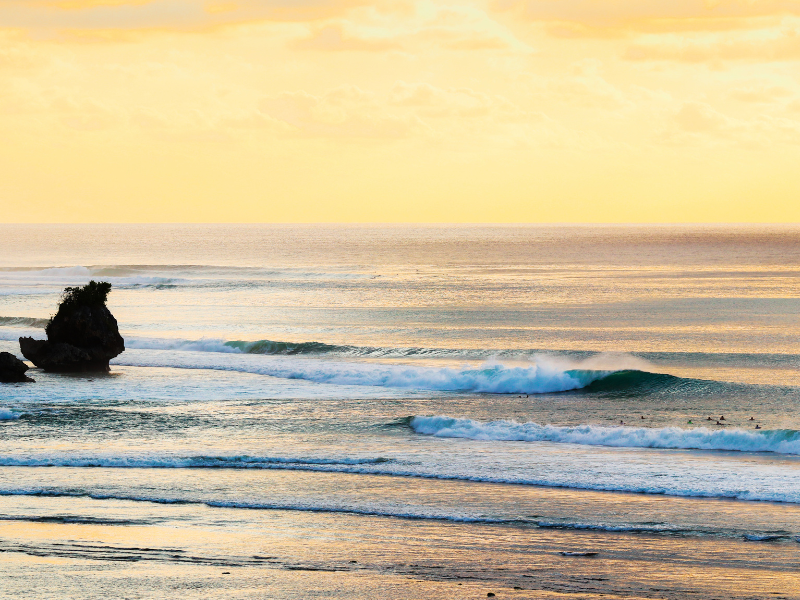
How Can You Backpack Southeast Asia on a Budget?
The easiest way to stretch your budget across a 10-to-14-week Southeast Asia trip is to slow the pace. Spending several nights in each destination cuts down on repeated flights, ferries, and transfers, while overnight buses and sleeper trains on the mainland can sometimes cover both transport and a night’s accommodation.
Daily spending also adds up differently over a trip this long. Local restaurants, public transport, refill stations, and carefully chosen tours can keep everyday costs manageable, particularly across Thailand, Laos, Vietnam, and Cambodia. For a closer look at what a lower daily budget can realistically cover, see Mad Monkey’s guide to travelling Southeast Asia on $30 a day.
Once the route reaches the Philippines and Indonesia, leave more room for transport. Domestic flights, ferries, fast boats, diving, surf lessons, and island tours can quickly push individual days above a mainland backpacking budget.
Over 10 to 14 weeks, the goal shouldn’t be to hit the lowest possible number every day. Build an emergency buffer for missed connections, medical needs, weather disruptions, replacement transport, and the destinations where staying another couple of days turns out to be worth the extra spend.
Budget Tip: Keep international and domestic flights, travel insurance, major tours, diving, and other big-ticket experiences separate from your daily backpacking allowance. It gives you a much clearer picture of what you can actually spend on accommodation, food, local transport, and everyday experiences over a 10-to-14-week trip.
Is Southeast Asia Safe for Backpackers?
The backpacking trail across Southeast Asia is well established, but familiarity shouldn’t replace awareness. Roads, weather, sea conditions, border rules, and transport standards shift throughout the route, making good preparation and flexible planning more useful than treating any destination as simply “safe” or “unsafe.”
Take Scooter and Road Safety Seriously
Scooters are a common way to get around destinations such as Thailand, Vietnam, Siargao, Siquijor, Bali, and the Gili Islands, but road conditions and traffic rules vary considerably.
Wear a helmet, check the condition of a rental before leaving, and confirm that your license and travel insurance actually cover the vehicle you’re using. If you aren’t an experienced rider, use local transport or join a tour with a qualified driver instead.
This is especially important for mountain routes such as the Ha Giang Loop, where steep roads and changing conditions require considerably more riding experience than a short trip around an island.
Check Visa and Entry Rules Before Every Border Crossing
Thailand, Laos, Vietnam, Cambodia, the Philippines, and Indonesia maintain separate immigration requirements. Visa exemptions, permitted lengths of stay, arrival procedures, and overland entry rules can also change independently.
Check official immigration guidance for your passport before traveling rather than assuming the rules that applied in the previous country will carry over to the next.
Keep Your Travel Documents Backed Up
Keep digital copies of your passport, visas, insurance policy, flight details, and other important documents somewhere you can access without your phone.
A physical photocopy stored separately from your passport can also be useful if your belongings are lost or stolen.
Use Reputable Transport and Tour Operators
Book long-distance buses, ferries, diving trips, motorbike tours, and other activities through established operators. Be particularly cautious around unofficial transport offers at airports, ferry ports, and land borders.
If you’re unsure, your accommodation can usually help confirm legitimate transport options or arrange a transfer.
Keep an Eye on Your Drinks and Belongings
Keep your drink with you in bars and nightlife venues, avoid accepting open drinks from strangers, and choose established venues when heading out at night.
Use hostel lockers or hotel safes for passports, backup cards, and valuables rather than carrying everything with you. A small padlock is worth keeping in your backpack for properties that don’t provide one.
Plan Around Weather and Island Transfers
Weather becomes especially important once the route reaches islands and ferry connections. Tropical storms can disrupt travel in the Philippines, while rough seas and heavy rain can affect boat services across Cambodia and Indonesia. Check conditions before transfer days and leave some flexibility around flights, ferries, and fixed connections.
Give yourself breathing room between island transfers and international flights. Spending a buffer night on the mainland or a major island can protect the rest of your itinerary if ferries are delayed, cancelled, or rerouted by changing conditions.
Get Travel Insurance Before the Trip
Travel insurance should cover the countries and activities included in your itinerary. Read the policy details carefully if you plan to ride scooters, dive, surf, trek, or join other adventure activities, since coverage and exclusions vary.
Keep your policy details accessible throughout the trip rather than leaving them buried in an email account you may not be able to access offline.
Safety Tip: Keep a backup bank card, some emergency cash, and copies of your important documents separate from your everyday wallet. Losing one bag is much easier to deal with when it doesn’t contain every way you have to access money and identification.
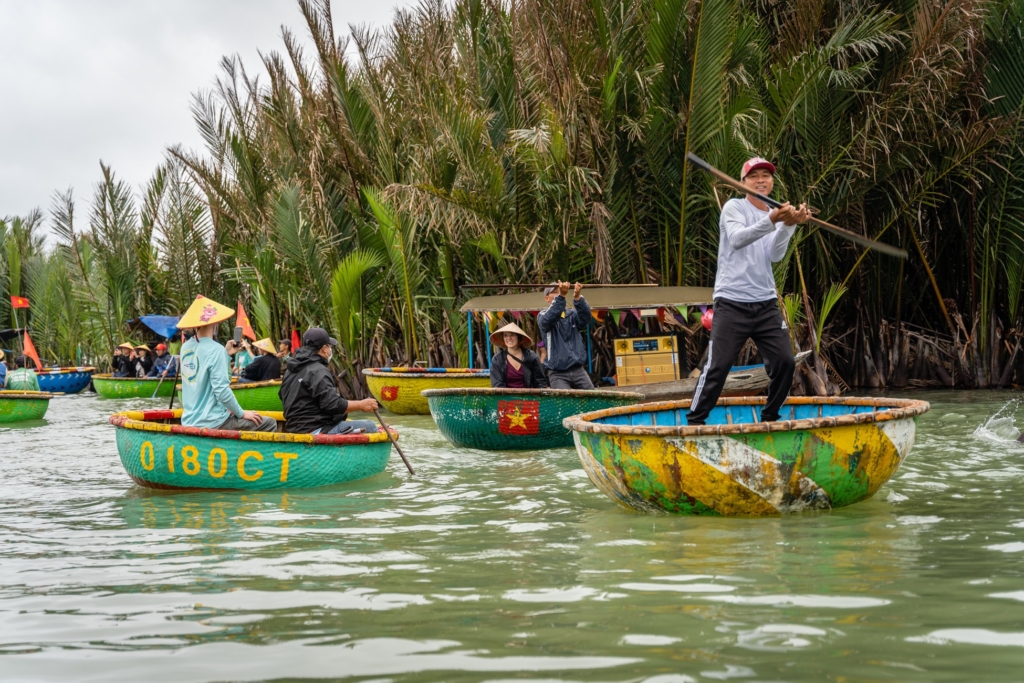
How Can You Backpack Southeast Asia Responsibly?
Responsible backpacking in Southeast Asia comes down to making intentional choices about where you spend, how you interact with local communities, and the impact you leave behind. Supporting locally owned businesses, reducing unnecessary waste, respecting cultural norms, and choosing responsible tour operators can make a long trip more considered without changing the experience that brought you there.
Spend Locally Where You Can
Some of the strongest connections to a destination happen through the businesses rooted in it. Eat at family-run restaurants, browse local markets, book independent guides, and support neighbourhood cafés to put more of your travel spending directly into the local economy.
Cut Down on Single-Use Plastic
What you carry onto an island eventually has to go somewhere. Use refill stations where safe drinking water is available, pack reusable essentials, and avoid unnecessary single-use plastics that add pressure to smaller local waste systems.
Choose Wildlife Experiences Carefully
Support wildlife tourism that protects rather than disrupts. Choose operators with clear animal-welfare and conservation practices, and avoid experiences that rely on handling, feeding, riding, or staged interactions.
Protect Reefs and Marine Life
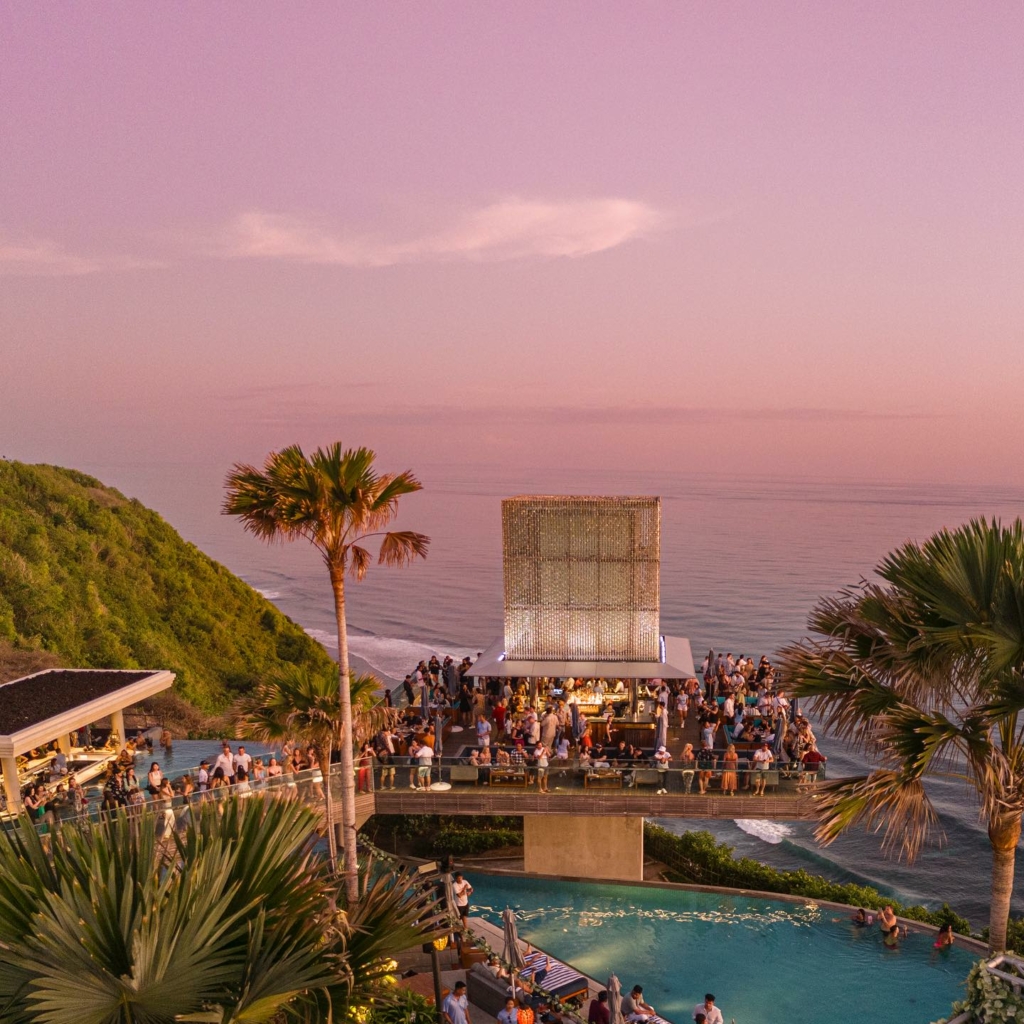
Snorkeling and diving are major parts of the route through Koh Rong, Siargao, Panglao, Apo Island, Gili Trawangan, and Nusa Lembongan.
Responsible reef travel starts with minimal impact. Avoid touching or standing on coral, keep a respectful distance from wildlife, and leave shells and marine life where you find them. Local dive and snorkeling guides can also help you explore without damaging fragile reef systems
Respect Local Customs and Sacred Places
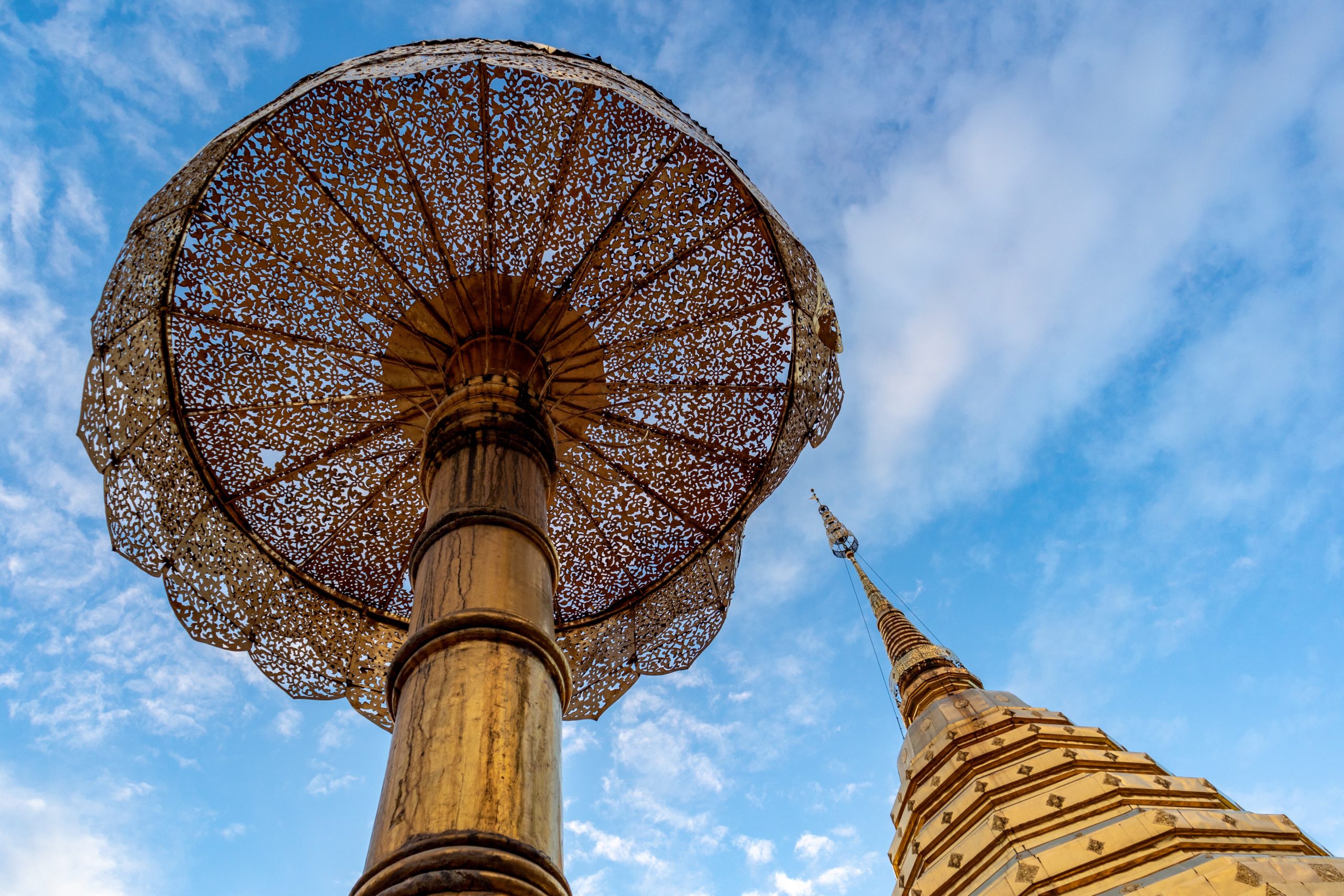
Temple etiquette varies between countries, but modest clothing and respectful behavior are expected at many religious sites across Thailand, Laos, Vietnam, Cambodia, the Philippines, and Indonesia.
Follow posted rules, ask before photographing people during religious ceremonies, and remember that places such as temples, memorials, and sacred sites are active cultural spaces rather than just sightseeing stops.
Responsible Travel Tip: Slowing down can be one of the simplest ways to travel more intentionally. Spending longer in fewer destinations reduces constant transfers while giving you more time to support local businesses and understand the places you’re moving through.
Start Planning Your Southeast Asia Backpacking Route
Southeast Asia is the kind of backpacking route that rarely goes exactly as planned. You might start in Bangkok and stay longer than expected in Laos. Maybe you meet backpackers heading through Vietnam or turn a few days on Siargao into a week.
The route moves from mountain roads and historic cities to surf breaks, reefs, and island communities. Give yourself enough time to experience each place instead of rushing to the next stop.
For travelers looking for a social base along the way, Mad Monkey has locations at many of the stops covered in this guide, as well as boutique hotels, guesthouses, resorts, and locally run stays for the quieter parts of the journey.
Plan the major connections, leave room for detours, meet new people, and let the route evolve as you travel.
FAQs: Southeast Asia Backpacking
Allow around ten to fourteen weeks for a route covering both mainland and island Southeast Asia at a comfortable pace. If you only have four to six weeks, don’t try to cover the entire route. Focus on Thailand, Laos, Vietnam, and Cambodia or choose a smaller selection of islands in the Philippines and Indonesia.
A good first-time route is Thailand → Laos → Vietnam → Cambodia. Start in Bangkok and travel through the mainland. If time and budget allow, extend the trip into the Philippines or Indonesia. The mainland has established backpacker routes and plenty of overland transport between major stops.
A useful starting budget for mainland Southeast Asia is around $30–$50 USD per day. For the Philippines and Indonesia, plan around $40–$70 USD per day. These estimates exclude international flights and major activities. Island hopping, domestic flights, diving, private rooms, and frequent tours can increase the overall cost considerably.
Yes. Southeast Asia has a well-established solo backpacking scene. Social accommodation, group tours, shared transport routes, and popular backpacker hubs make it relatively easy to meet other travelers. Standard precautions around road safety, drinks, valuables, weather, and travel insurance still apply.
Pack light, breathable clothing, comfortable shoes or sandals, and a lightweight rain jacket. Bring a reusable water bottle, power bank, padlock, and basic first-aid supplies. You’ll also need clothing that covers your shoulders and knees for temples and religious sites. Leave some space in your backpack, as basic travel supplies are widely available along the route.
Pin Now. Read Later.


