






Contents
If you’re mapping out a two-week backpacking route through Cambodia right now, your search history is probably an absolute mess.
Half the people on Reddit swear you can’t miss the history in the capital, while the other half tell you to skip the city entirely and just go touch grass down by the river.
So, should you skip Phnom Penh for Kampot? A lot of backpackers planning Cambodia trips end up asking the same thing.
Don’t pick one over the other. They are two completely different worlds. The trick to a solid itinerary isn’t skipping places; it’s figuring out how to pair them so you get the essential history and the ultimate nature adventure without burning out.
Here’s the quick, no-BS breakdown of how they compare, why you’ll probably need both, and how to switch between them without the stress.
Phnom Penh vs Kampot: Which One Fits Your Cambodia Trip?
To see why you need both, simply look at the difference in energy.
| Feature | Phnom Penh | Kampot |
| The Vibe | Chaotic, fast-paced capital city | Slow riverside backpacker town |
| Best For | History, nightlife, city energy | Nature, scooters, slow travel |
| What Days Feel Like | Museums, markets, pub crawls | River sunsets, cafés, scooter rides |
| Nightlife | Rooftop bars and busy streets | Riverside beers and hostel hangs |
| Ideal Stay | 2 to 3 nights | 3 to 4 nights |
Why Phnom Penh Is Worth Visiting
Phnom Penh is the kind of city that completely changes the mood of your Cambodia trip.
One minute you’re navigating chaotic streets and heavy history at the Tuol Sleng Genocide Museum (S-21) and the Killing Fields. Later that night, you’re eating noodles on plastic chairs or somehow ending up on a pub crawl with backpackers you just met.
That emotional switch-up is kind of what makes Phnom Penh stick with people.
Giving Phnom Penh 2 to 3 nights feels worth it because trying to rush everything in one day usually just leaves people overwhelmed.
Phnom Penh usually hits hardest for travelers who love nightlife, history, and chaotic city energy.
Most backpackers stay around BKK1, especially at Mad Monkey Phnom Penh, where the family dinners and social nights make it easy to meet people before exploring the capital together the next day.

What Kampot Feels Like for Backpackers
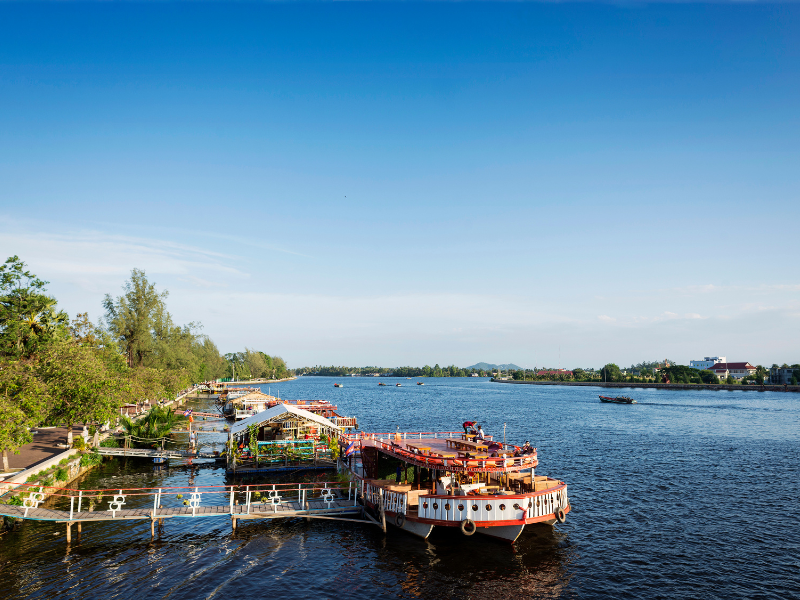
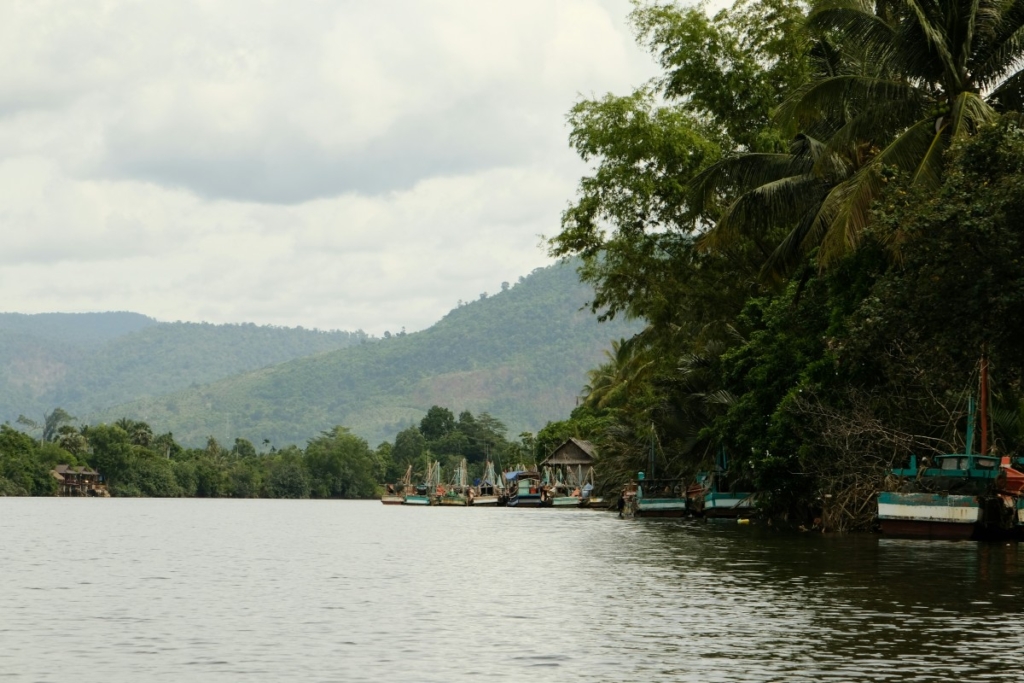
If Phnom Penh gives you the history, Kampot gives you the adventure. Located right along the Preaek Tuek Chhu river, Kampot is that classic spot where backpackers show up for two days and accidentally stay for two weeks.
Kampot is the kind of place where nobody seems too worried about what day it is anymore.
You spend your days renting a $5 bike to cruise up the misty roads of Bokor Mountain, kayaking through the mangrove loops of the Green Cathedral, or eating fresh local pepper squid by the water.
The social scene down here feels way slower, too. Riverside beers, hostel hangs, and somehow everybody convincing each other to stay one more night.
Kampot makes way more sense for backpackers craving slower days, nature, and a break from nonstop moving.
At Mad Monkey Kampot, located right on River Road, the vibe is all about tropical chill during the day. Think paddleboarding at sunrise or hitting the ice plunge and sauna—mixed with a massive bar crowd under the stars at night.
Why You Absolutely Need to Visit Both
If you cut one of these places out, you miss a huge part of what makes Cambodia hit so differently from the rest of Southeast Asia.
If you only go to Kampot, you’re treating Cambodia like a generic tropical playground without learning anything about its deep cultural resilience. If you only visit Phnom Penh, you risk leaving the country feeling completely overwhelmed by its tragic past without ever seeing the beautiful, serene nature and adventure it has to offer today.
That’s kind of why this route works so well.
The sweet spot: Give Phnom Penh 2 to 3 nights to properly take in the city, then head south to Kampot for another 3 to 4 days of riverside hangs, scooter rides, and “just one more night” turning into way more than planned.
Getting From Phnom Penh to Kampot
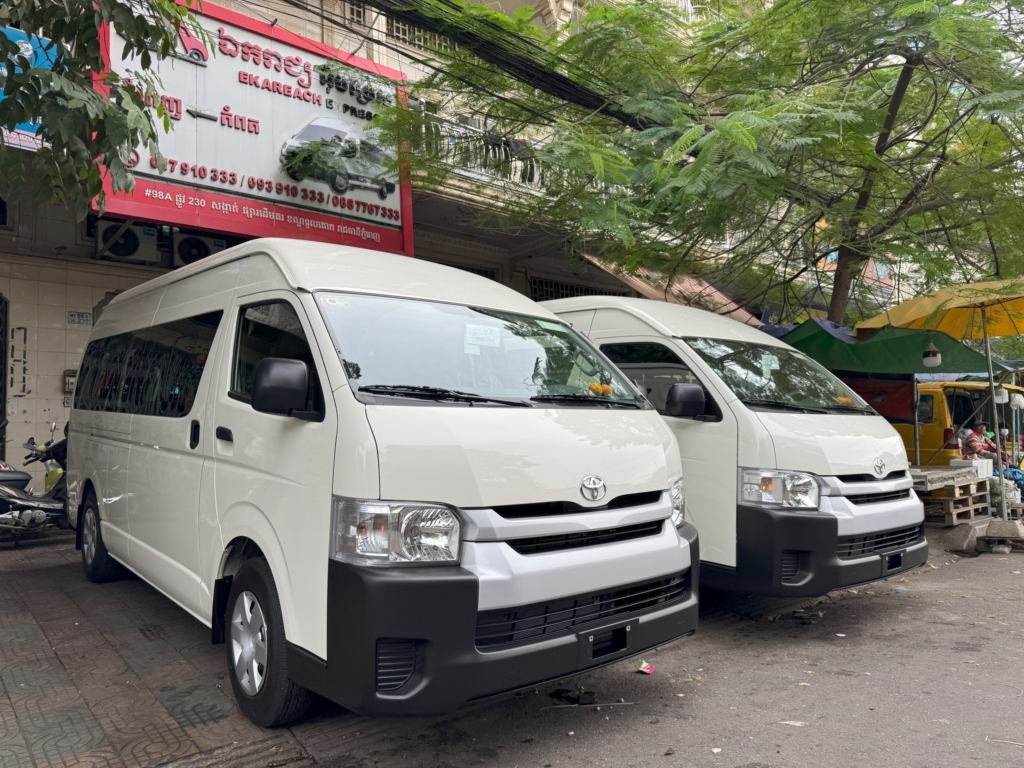
The Phnom Penh to Kampot route is basically a Cambodia backpacker rite of passage. Most people either jump on a minivan or take the Royal Railway train south. The trip usually takes around 3.5 to 5 hours, depending on traffic and road conditions. Prices normally range from 32,000 to 48,000 KHR ($8 to $12 USD). Minivans run throughout the day, while the train usually leaves once in the morning.
One thing backpackers learn fast, though: don’t gamble on random mystery vans just because they’re cheaper. Cambodia still has a talent for chaotic transfers and roadside drop-offs nobody asked for, which is why most backpackers stick with operators like Giant Ibis or Champa Mekong and book ahead through 12Go Asia.
If you want the full breakdown of routes, schedules, prices, and what the trip actually feels like, check out our guide on How to Get From Phnom Penh to Kampot.
Should You Skip Phnom Penh for Kampot?
Honestly, no. Cambodia hits differently when you experience both Phnom Penh and Kampot in the same trip.
Don’t let forum gatekeepers force you to choose between culture and chill. Your Cambodia trip hits differently when you experience Phnom Penh first, then slow everything down by the Kampot River.
Start in Phnom Penh for the history and chaos, then head south to Kampot once you’re ready to slow everything down again. Then head south to Mad Monkey Kampot for riverside sunsets, scooter rides, and “just one more night” energy.
FAQs: Things Worth Knowing Before You Go
2 to 3 nights is perfect. It gives you one full day for the Killing Fields and S-21, and another day to see the Royal Palace, markets, and city culture without rushing.
No, it’s highly affordable. Backpacker dorm beds usually cost around 24,000 to 40,000 KHR ($6 to $10 USD), local meals sit around 8,000 to 16,000 KHR ($2 to $4 USD), and daily scooter rentals are typically about 20,000 KHR ($5 USD).
The minivan ride usually takes 3.5 to 4 hours, covering about 150 kilometers via National Road 3.
The dry season from November to April offers the best weather for biking and swimming. May to October brings the wet season, which means fewer crowds and lush green scenery.
Pin Now. Read Later.


