






Contents
TL;DR
- Best for: Travelers with 5 to 7 days who want to experience both Luang Prabang and Vang Vieng without rushing.
- The route: Spend two to three days in Luang Prabang before taking the 52-minute Laos-China Railway to Vang Vieng for the second half of your trip.
- What you’ll experience: Temple mornings, Kuang Si Falls, Luang Prabang’s Night Market, Tipsy Tubing, Blue Lagoon, and limestone landscapes.
- How Mad Monkey fits in: The itinerary combines free time with optional hostel experiences, making it easy to explore independently or join activities along the way.
- Where next: Continue south to Vientiane or explore more of northern Laos after Vang Vieng.
At sunrise, monks in saffron robes quietly make their way along Sakkaline Road as locals prepare offerings for Luang Prabang’s daily alms-giving ceremony. Less than an hour away by train, the Nam Song River is already coming to life as travelers prepare for a day on the water beneath towering limestone cliffs.
These two destinations couldn’t feel more different, yet together they create one of Laos’ most rewarding backpacking routes.
If you’re following Mad Monkey’s Laos itinerary, this is where temple mornings give way to river days. It starts among centuries-old temples and riverside cafés in Luang Prabang before shifting south to Vang Vieng, where limestone peaks, lazy afternoons on the Nam Song River, and spontaneous adventures take over. The route is planned, but the best moments rarely are.
Whether it’s your first time visiting Laos or you’re returning to see more of the country, this route strikes a balance between culture, adventure, and the spontaneous moments that often become the most memorable part of backpacking.
How Many Days You Need for This Laos Itinerary
To experience both destinations at a comfortable pace, plan for 5 to 7 days.
A typical itinerary looks like this:
| Day | Destination | Highlights |
|---|---|---|
| 1–3 | Luang Prabang | Temples, Kuang Si Falls, the Night Market, cafés, and riverside walks |
| 4 | Travel Day | Laos-China Railway to Vang Vieng |
| 5–7 | Vang Vieng | Tipsy Tubing, Blue Lagoon, caves, viewpoints, and countryside adventures |
Four days is possible if you’re short on time, but adding an extra day or two gives you more flexibility to slow down, join optional activities, and enjoy each destination without constantly moving on to the next.
Traveler Tip: Between November and February, activities like Kuang Si Falls excursions and Tipsy Tubing are especially popular. If you’re planning to join them, it’s worth checking availability after you arrive.
Why This Route Works
Planning a trip through Laos usually comes down to one question: should you choose Luang Prabang or Vang Vieng?
Luang Prabang and Vang Vieng are often compared, but they offer completely different experiences. Luang Prabang is all about slowing down, with historic temples, quiet cafés, and cultural landmarks around every corner. Vang Vieng, meanwhile, is where Laos becomes more adventurous, with rivers, caves, lagoons, and dramatic limestone mountains waiting just beyond town.
Because the two destinations are connected by the Laos-China Railway, you can experience both without losing an entire day to travel. The result is an itinerary that flows naturally from culture to adventure while keeping transport simple.
If you’re staying with Mad Monkey, you’ll also find it’s easy to mix independent exploring with optional hostel experiences. You might spend one morning wandering Luang Prabang’s Old Town at your own pace, then join a waterfall trip in the afternoon.
In Vang Vieng, you could dedicate a day to Tipsy Tubing before using the next to rent a buggy or relax by the pool. Think of it as a framework rather than a fixed schedule. Join the experiences that interest you, skip the ones that don’t, and leave enough room for Laos to surprise you.
First Stop: Luang Prabang
Every great Laos itinerary starts by slowing down.
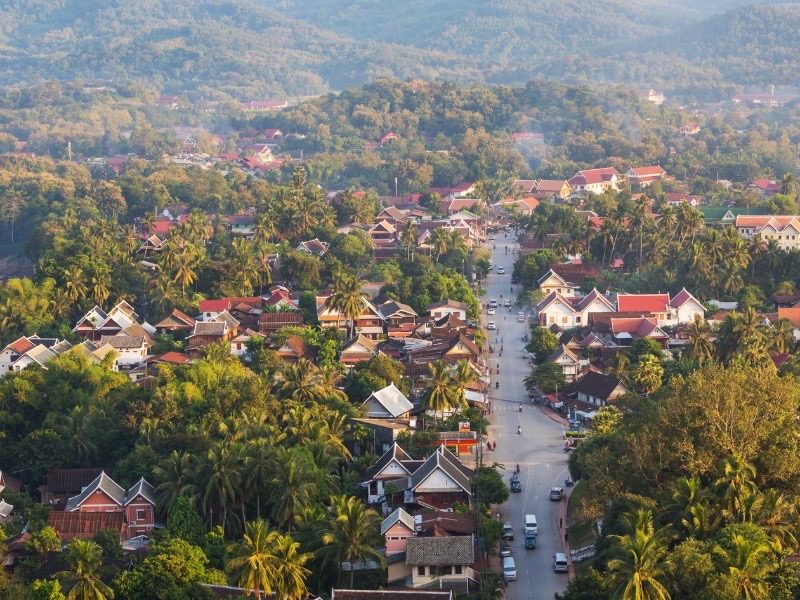
Set between the Mekong and Nam Khan Rivers, Luang Prabang is a city that rewards curiosity more than speed. Mornings begin with monks collecting alms beneath the first light of day, afternoons are spent exploring temple grounds and shaded cafés, and evenings bring the energy of the Night Market as locals and travelers gather along Sisavangvong Road.
As a UNESCO World Heritage Site, it’s one of Southeast Asia’s most walkable cities, where French colonial buildings sit alongside centuries-old Buddhist temples and everyday life unfolds at an unhurried pace.
Starting your trip here gives you time to settle into Laos before heading south, creating a natural contrast with the outdoor adventures waiting in Vang Vieng.
Stay Close to Luang Prabang’s Highlights
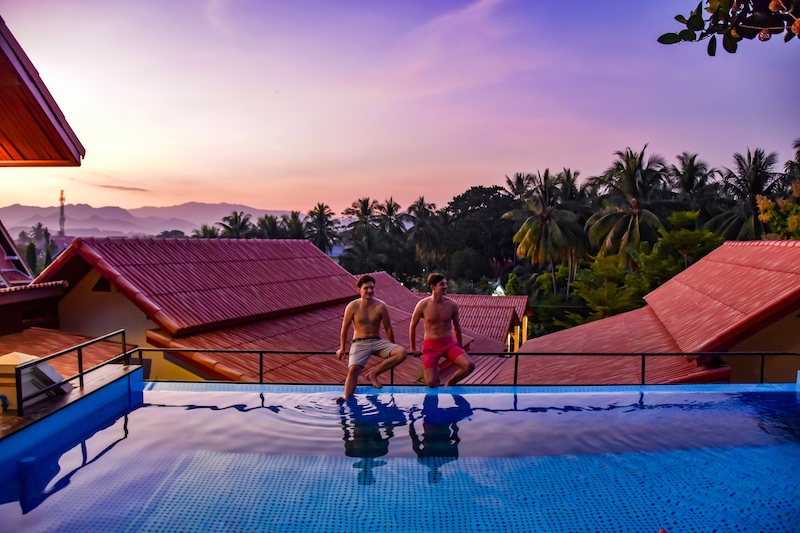
Mad Monkey Luang Prabang is located at Unit 18, Nr. 274 Naviengkham Village Soi 8, around a seven-minute walk from the Chao Anouvong Monument and roughly two kilometers from the Ock Pop Tok Living Crafts Centre.
The location makes it easy to explore the city’s historic center on foot while offering a quieter place to return to at the end of the day. Your first afternoon is best spent settling in, swapping travel stories over a drink, and deciding what to explore first. It won’t take long before someone suggests heading to Kuang Si Falls the next morning.
Whether you’re joining a day trip or simply wandering wherever the streets lead, Luang Prabang has an easy way of setting the pace for the rest of your trip.
Experience Luang Prabang Beyond the Temples
Spending a few days in Luang Prabang means you never have to rush. The city’s biggest highlights sit close enough together that you can wander between temples, cafés, and riverside viewpoints while still leaving plenty of time to slow down simply. It’s the kind of place where the best plans often start with, “Let’s just keep walking.”
You can set your own pace, joining an optional experience one day and wandering the Old Town on your own the next.
Spend a Morning at Kuang Si Falls
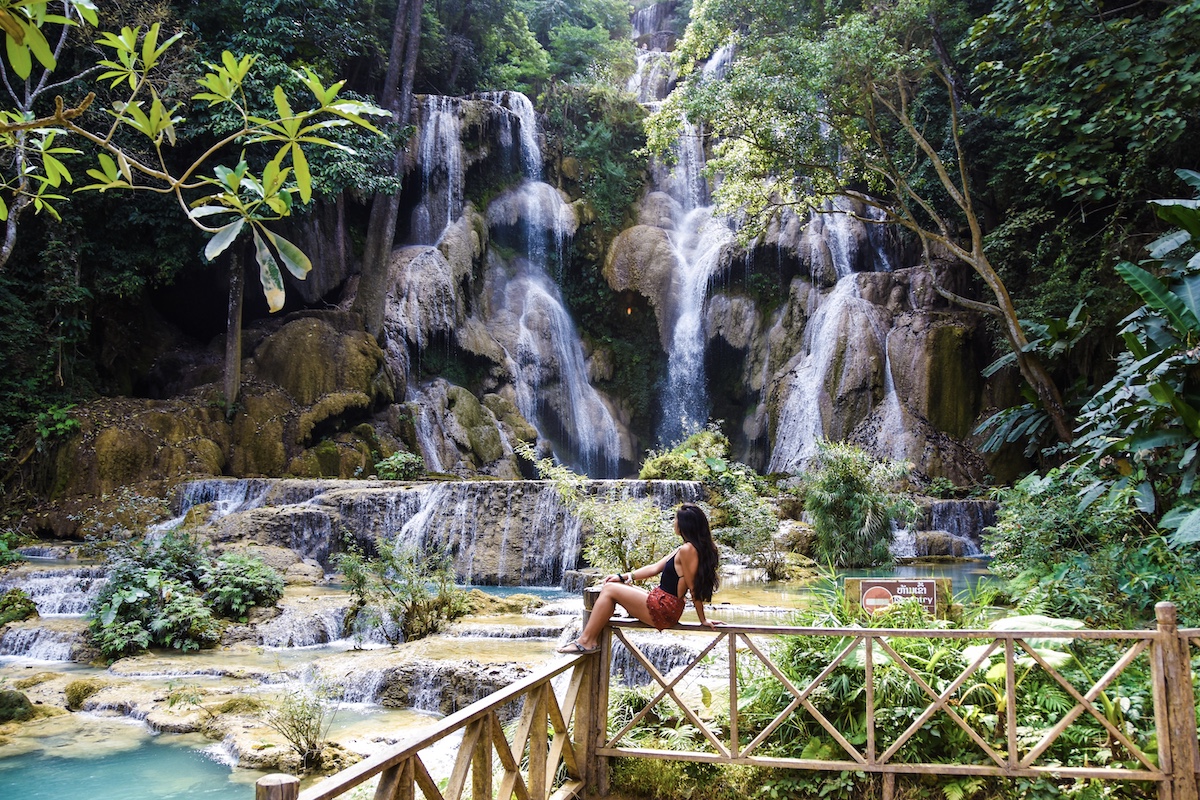
Around 40 minutes from the city, Kuang Si Falls is one of Laos’ most iconic natural attractions and an easy day trip from Luang Prabang.
Fed by mineral-rich limestone, the waterfalls spill into a series of vivid turquoise pools that remain striking throughout the year. Wooden walkways connect several viewing platforms, while forest trails lead visitors further upstream for quieter viewpoints away from the main swimming areas.
Arriving early means quieter trails, cooler temperatures, and more time to enjoy the falls before the crowds arrive. If you’re staying at Mad Monkey, Kuang Si Falls is one of the optional experiences available during your stay, making it easy to visit without arranging separate transport.
Don’t rush this stop. Jump into the cool turquoise pools, wander the forest trails, or simply stretch out beneath the trees for a while. Laos has a habit of making you slow down, and Kuang Si Falls is one of the best places to let it happen.
Wander Through Luang Prabang Night Market
As daylight fades, Sisavangvong Road transforms into one of Laos’ most vibrant evening markets.
Hundreds of stalls line the street selling handwoven textiles, locally made ceramics, silver jewelry, bamboo crafts, paintings, and souvenirs produced by artisans from surrounding villages. Between shopping, you’ll also find food vendors serving grilled meats, sticky rice, fresh fruit shakes, and Lao desserts.
Forget the checklist for a while. Grab a fruit shake, try a few Lao snacks you’ve never heard of, browse handmade crafts, and let the evening unfold at its own pace.
Mad Monkey offers an evening shuttle to the Night Market, although it’s equally easy to explore independently if you prefer spending more time in town before returning later.
Local Insight: The Night Market is one of the best places to support local artisans. If you’re shopping for textiles or handicrafts, buying directly from vendors helps support small family businesses throughout the region.
Experience Luang Prabang’s Morning Tradition Respectfully
Long before cafés open and tour buses arrive, Luang Prabang quietly begins another day.
Every morning at sunrise, monks walk through the historic streets collecting alms from residents in a centuries-old Buddhist tradition known as Tak Bat.
Watching the ceremony can be a memorable experience, but it’s important to remember that this is an active religious practice rather than a performance for visitors.
If you plan to observe:
- Arrive before sunrise.
- Dress modestly.
- Keep a respectful distance.
- Avoid using flash photography.
- Never interrupt the procession.
A quiet, respectful approach allows everyone to experience one of Luang Prabang’s most meaningful cultural traditions.
Travel from Luang Prabang to Vang Vieng
The journey between Luang Prabang and Vang Vieng has become one of the easiest travel days in Southeast Asia.
Thanks to the Laos-China Railway, the trip now takes around 52 minutes. What was once a long and tiring journey by road has become one of the easiest travel days in Laos. Second-class tickets typically cost around 360,000 LAK (about USD $16), although prices vary depending on the service.
Seats can sell out quickly during peak season, especially between November and February. It’s worth arranging your ticket a few days in advance.
The short travel time also changes the pace of the itinerary. Leave Luang Prabang after breakfast and you’ll still reach Vang Vieng with plenty of time to explore. There’s even enough time to settle in or join an afternoon activity.
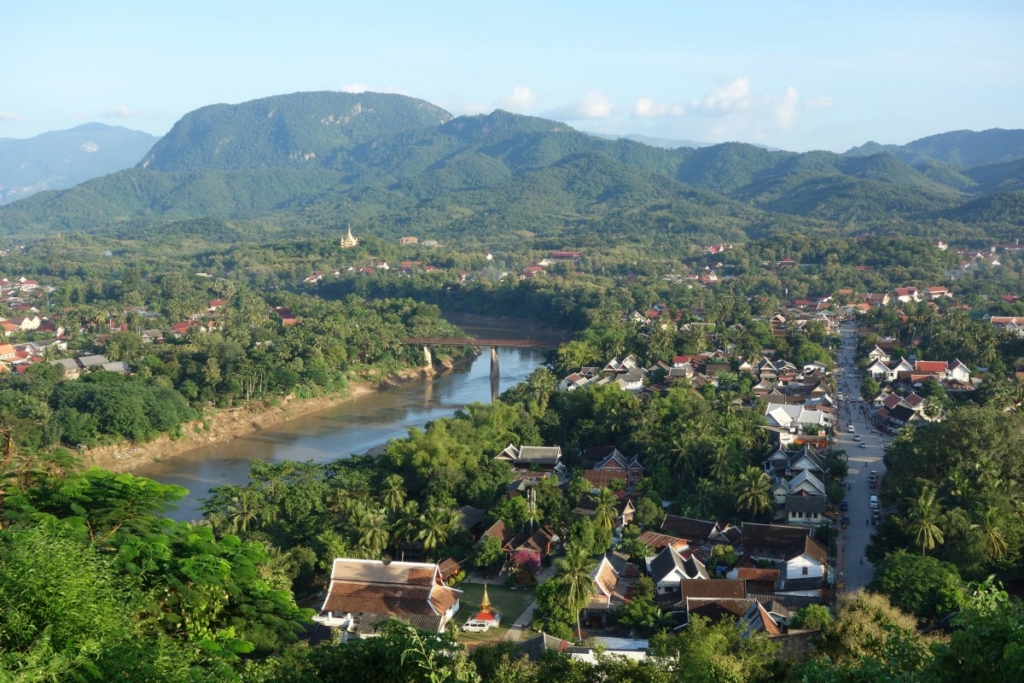
By the time the train rolls into Vang Vieng, the atmosphere has changed completely. Temple roofs give way to towering limestone cliffs, and the second half of the adventure is ready to begin.
Next Stop: Vang Vieng
If Luang Prabang teaches you to slow down, Vang Vieng invites you to pick up the pace. Surrounded by limestone mountains, rice fields, and the Nam Song River, Vang Vieng brings a different kind of energy. Days revolve around tubing, hiking, cave exploring, and saying “why not?” a little more often.
Settle Into Vang Vieng’s Outdoor Lifestyle
Arriving in Vang Vieng feels like stepping into a completely different side of Laos.
Gone are the quiet temple streets and riverside cafés of Luang Prabang. Instead, towering limestone karsts rise above the Nam Song River. Hikers, kayakers, and cyclists head out early to make the most of the cooler morning temperatures.
Mad Monkey Vang Vieng sits on the east side of town, within easy walking distance of the Nam Song River, local cafés, and the town center. From here, it’s easy to reach the river, cafés, and many of Vang Vieng’s best outdoor experiences.
One day you might be floating down the Nam Song River. The next day, you’re off chasing viewpoints or cooling off in a blue lagoon. By evening, you might be swapping stories at a café you discovered by chance. That’s what makes Vang Vieng so much fun. No two days have to look the same, and that’s exactly the point.
Float Down the Nam Song River
No visit to Vang Vieng feels complete without spending time on the Nam Song River.
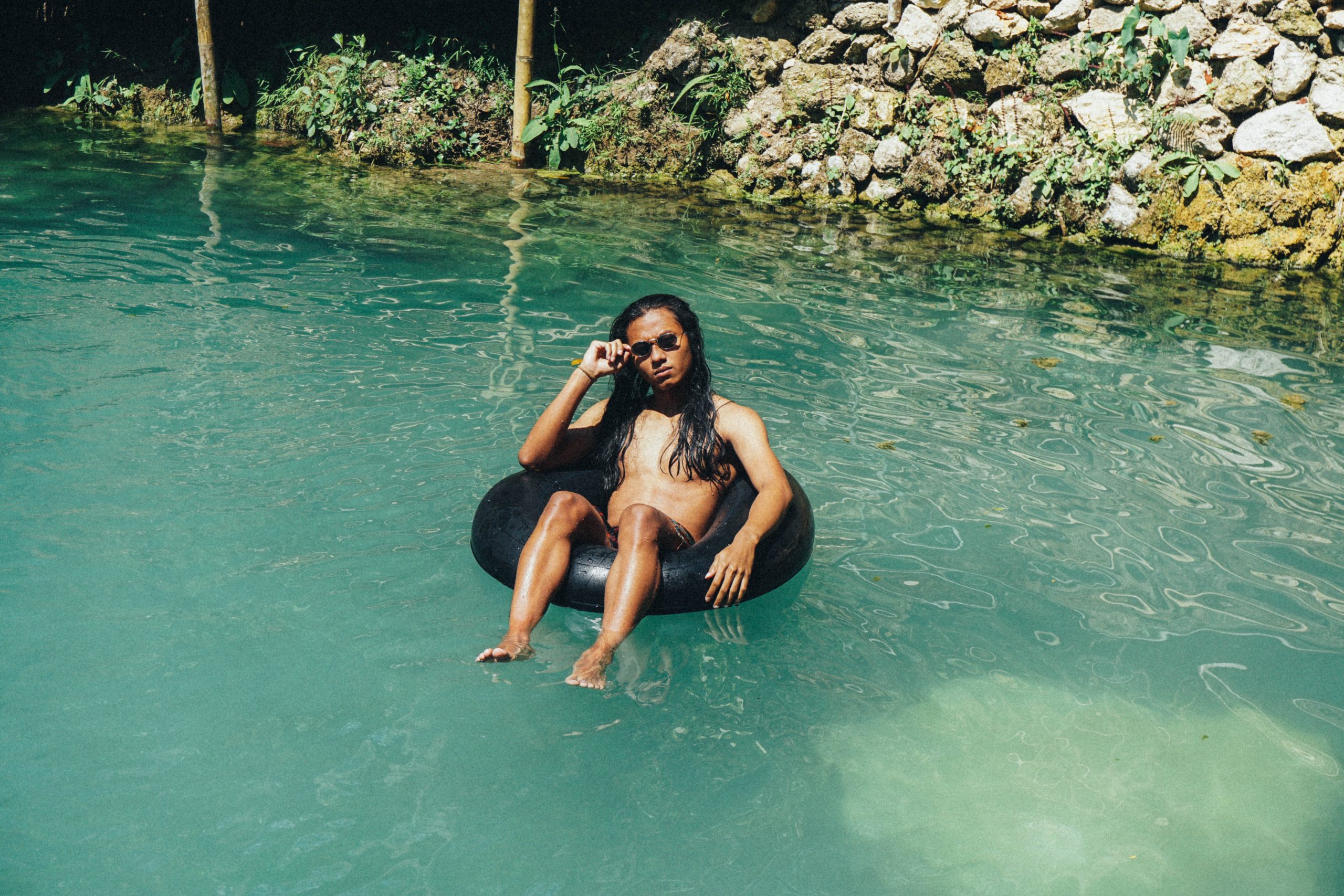
Surrounded by towering limestone mountains and lush countryside, the river has become one of the region’s defining experiences. While some travelers prefer kayaking or paddleboarding, others choose to drift downstream on an inflatable tube, taking in the scenery at a slower pace.
Tipsy Tubing has become a backpacker classic in Vang Vieng, a Madventures activity that combines one of Vang Vieng’s signature experiences with a social afternoon on the water. Along the route, you’ll float past dramatic karst landscapes, riverside viewpoints, and a handful of lively stops before returning to town.
Whether you join Tipsy Tubing or rent a tube on your own, don’t be surprised if a few hours on the river turns into one of the stories you keep telling long after you’ve left Laos.
Traveler Tip: River conditions change throughout the year. During the wet season, usually from May to October, currents can be much stronger than in the dry season. Always wear the life jacket provided and follow your guide’s safety instructions if you’re joining an organized activity.
Cool Off at Blue Lagoon and Explore Tham Phu Kham Cave
Just outside town, one of Vang Vieng’s best-known day trips combines two of the area’s most famous attractions.
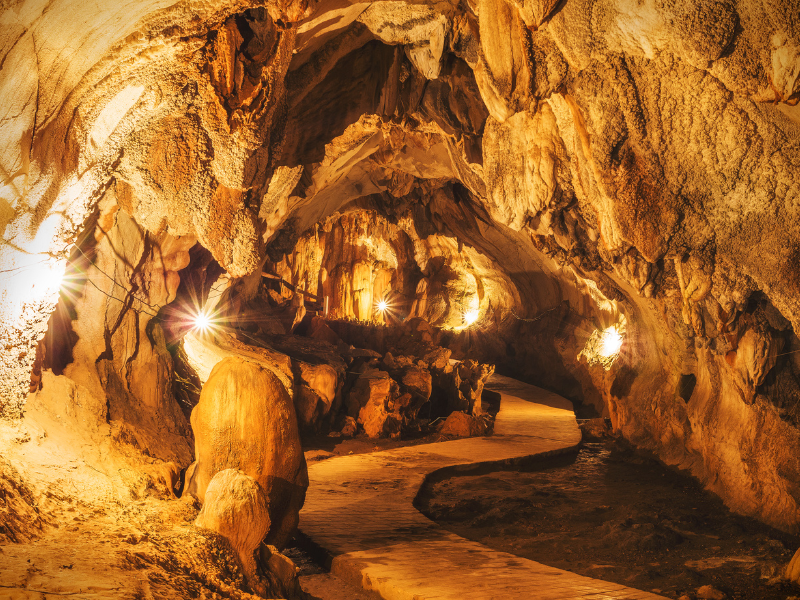
Blue Lagoon is known for its clear, refreshing water and laid-back atmosphere, making it a popular place to swim after a morning of exploring. A short uphill walk from the lagoon leads to Tham Phu Kham Cave, where a reclining Buddha sits inside a vast limestone chamber illuminated by natural light filtering through the cave entrance.
Hiring a buggy or scooter is the most flexible way to reach the lagoon, although local tours and arranged transport are also widely available.
The drive itself is part of the experience, passing rice fields, grazing water buffalo, and some of the most recognizable mountain scenery in Laos.
Discover More Than the Main Attractions
Venture beyond the main street and Vang Vieng quickly becomes much quieter.
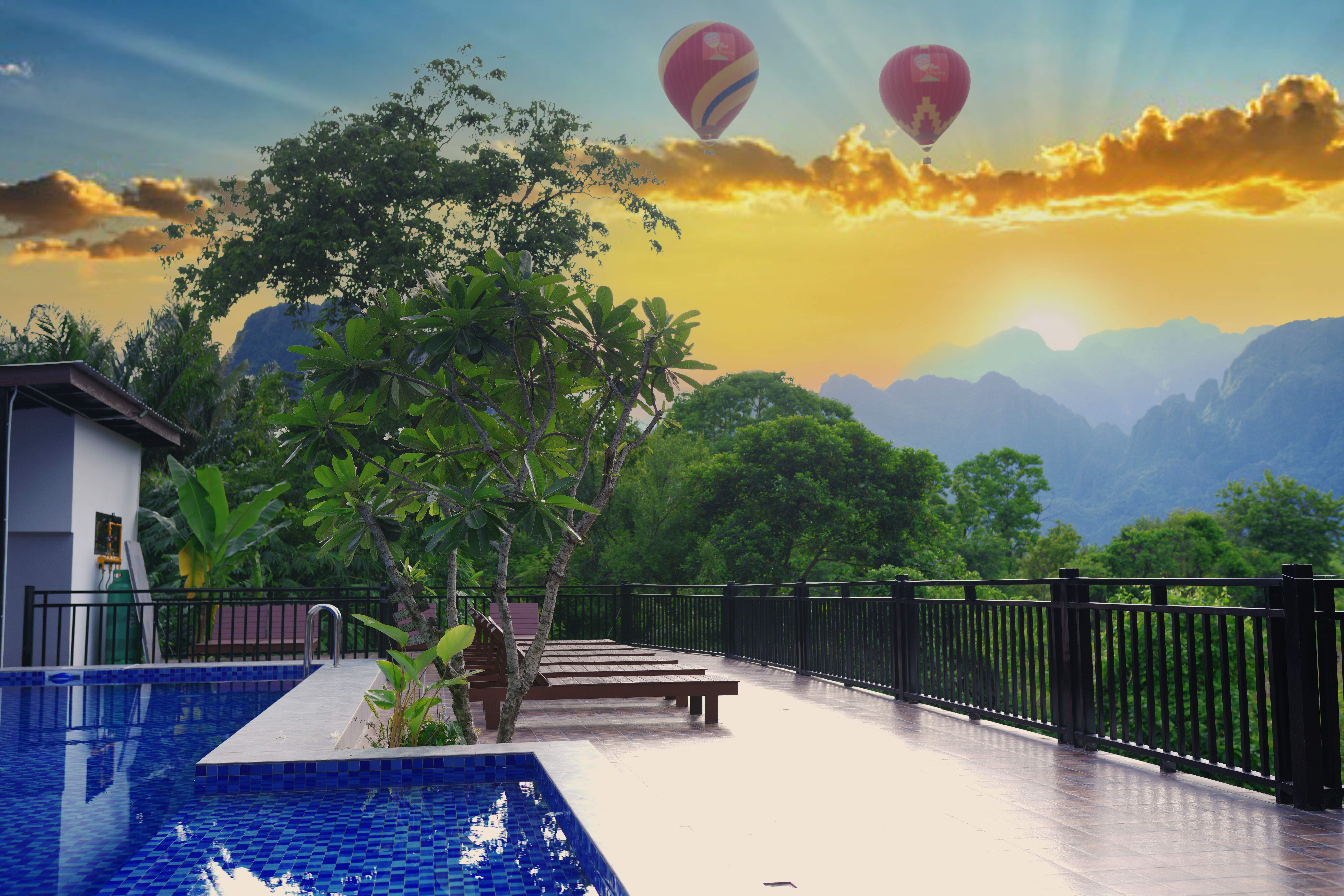
Cycling through nearby villages, watching hot air balloons rise above the valley at sunrise, or simply enjoying a slower afternoon beside the river often become just as memorable as the headline attractions.
If you have an extra day, it’s worth leaving some space in your itinerary. Some of the best moments in Vang Vieng happen when you’re not following a schedule at all.
Travel That Gives Back
Beyond the waterfalls and river adventures, this route also offers a chance to learn more about the communities that call Laos home.
Around Vang Vieng, Mad Monkey supports local initiatives through its Mad Monkey Foundation, helping ensure that tourism creates a positive impact beyond the hostel walls.
Projects include supporting Abundant Water Laos, which has helped install clean water filtration systems at Naduang Primary School, improving access to safe drinking water for students and teachers. The foundation also works alongside the SAE Lao Project, which focuses on education and sustainable community development in nearby Nathong Village.
They’re not extra stops on the itinerary, but they’re an important reminder that travel leaves an impact. Supporting local communities is part of how Mad Monkey approaches every destination, helping ensure the places we love continue to thrive long after we’ve moved on.
Where to Go After Vang Vieng
If you’re not ready for the adventure to end just yet, Vang Vieng is the perfect jumping-off point for exploring more of Laos.
The most common next stop is Vientiane, which is connected by the Laos-China Railway in around 52 minutes. Laos’ relaxed capital offers riverside cafés, Buddhist temples, and historic landmarks before onward flights or overland travel into neighboring Thailand.
If you have more time, northern Laos also rewards slower travel, with destinations like Nong Khiaw offering mountain landscapes, hiking trails, and a quieter alternative to the country’s better-known backpacking route.
Wherever you head next, the journey between Luang Prabang and Vang Vieng provides a well-rounded introduction to Laos, blending culture, nature, and adventure into a route that’s easy to follow without feeling rushed.
Bringing Temple Mornings and River Days Together
From the quiet streets of Luang Prabang to the limestone landscapes of Vang Vieng, this itinerary shows just how much of Laos you can experience in less than a week.
Rather than rushing from one destination to the next, you’ll have time to settle into each place. Spend your mornings wandering centuries-old temples, your afternoons chasing waterfalls or floating down the Nam Song River, and your evenings seeing where the night takes you.
Mad Monkey’s itinerary simply helps bring it all together. Join optional experiences when they match your travel style, explore independently whenever curiosity takes over, and leave plenty of room for the unexpected. After all, some of the best travel memories come from the moments you never planned.
By the time you leave Vang Vieng, temple mornings and river days won’t feel like separate trips. They’ll feel like two connected chapters of the same Laos story.
FAQs: Laos Itinerary
Yes. Five days is enough to experience both destinations. Spend two to three days in Luang Prabang before taking the train to Vang Vieng. Then enjoy another two to three days exploring its rivers, caves, and lagoons. If you have a full week, you’ll have more flexibility to travel at a slower pace.
No. The itinerary is designed to be flexible. You can mix optional Madventures experiences with independent exploring, depending on how you prefer to travel. Many backpackers join a few organized activities. They also leave plenty of free time to discover each destination at their own pace. Some backpackers join organized activities, while others prefer exploring each destination on their own.
The fastest option is the Laos-China Railway, which connects both destinations in about 52 minutes. Tickets are released a few days before departure. During the peak season from November to February, they often sell out quickly. Booking in advance is recommended.
Absolutely. Both Luang Prabang and Vang Vieng are popular stops on the Southeast Asia backpacking route. That makes it easy to meet other travelers. Staying at Mad Monkey makes it easy to join social activities and day trips. It’s a great option if you’d rather explore with a group.
The dry season, from November to February, is the most popular time to visit. Cooler temperatures make it ideal for sightseeing, waterfalls, and outdoor adventures. The green season, from May to October, brings fewer crowds and lush landscapes. However, river conditions can change after heavy rain.
Yes. Vientiane is the next major stop on the Laos-China Railway and can be reached in around 52 minutes. Many travelers spend a day or two exploring the capital before flying home or continuing into Thailand.
The itinerary is especially popular with backpackers and solo travelers. It also works well for couples and friends looking for a flexible, social way to experience Laos.
Pin Now. Read Later.


