






Contents
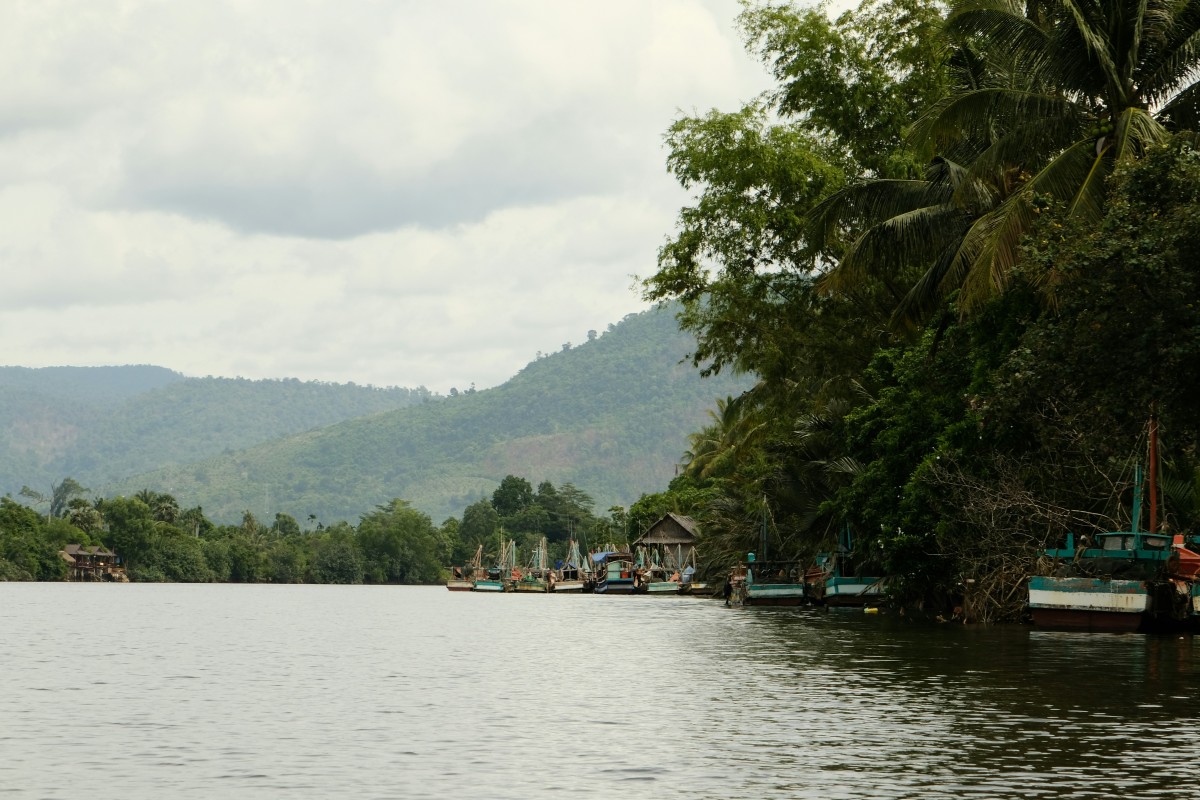
This Kampot travel guide starts with a warning: you’ll probably stay longer than planned. It’s one of those towns where you book two nights and accidentally stay for two weeks, pulled in by slow river mornings, cheap sunset beers, and long scooter rides past pepper farms.
But don’t let the sleepy pace fool you into underestimating the logistics. Between trickier border crossings, cash-only businesses, sudden tropical downpours, and pitch-black countryside roads at night, there are definitely a few things you need to know before you show up.
Visas and Border Crossings: Don’t Mess This Up
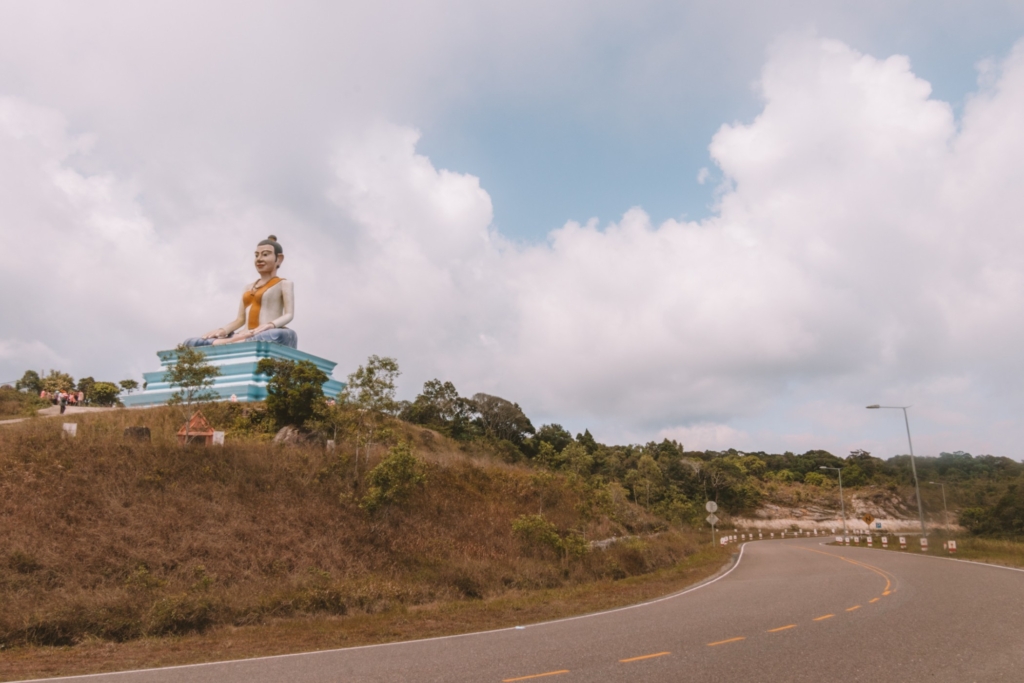
Getting into Cambodia is pretty straightforward, but you still need to know the drill before reaching the border. Most nationalities need a visa, which you can get online (eVisa) or on arrival at major airports and land borders. Tourist visas cost around $30 USD (120,000 KHR) and give you 30 days in the country.
Just a heads up: if you are flying in, you also need to submit a quick, free Cambodia e-Arrival (CeA) form online within 7 days before landing to pass through immigration.
You’ll usually need:
- a passport valid for at least 6 months
- blank passport pages
- one passport-sized photo
If you forget the photo, border officials will often scan your passport photo for an extra fee. It’s not a disaster, but it can slow things down when you’re already stuck sweating in a long immigration queue.
Once you are in, 30 days feels like more than enough time—until Cambodia slows you down in the best way possible. Somewhere between the slow mornings and late-night riverside hangs, you’ll definitely find yourself trying to figure out how to stretch your trip a little longer.
The Vietnam Border Warning Most Travelers Learn Too Late
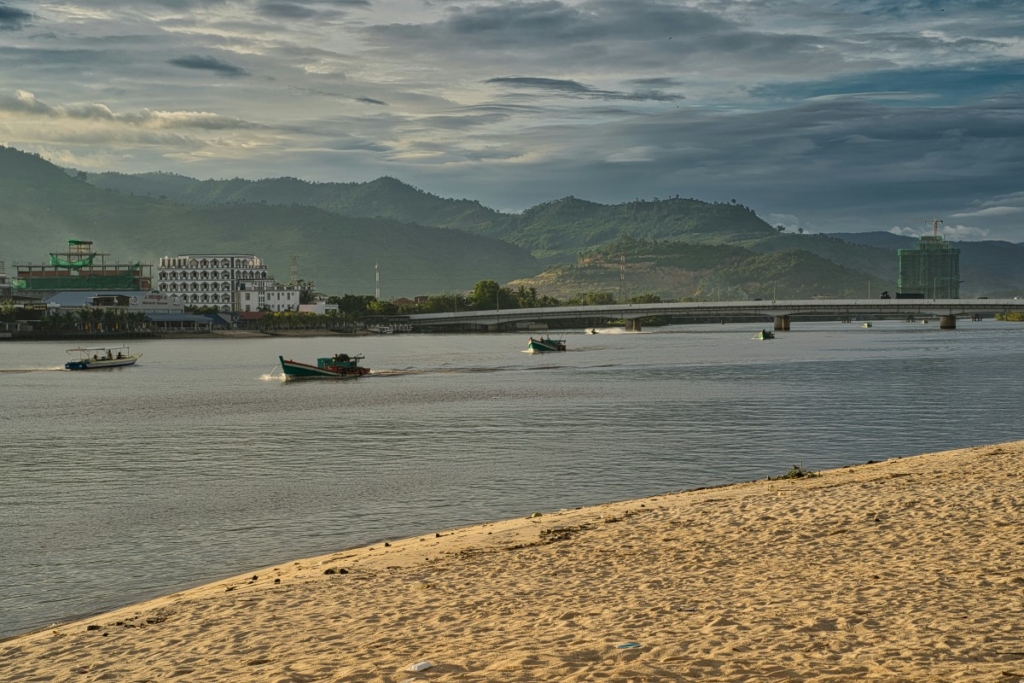
Heading across the Vietnam border at Ha Tien? Sort your Vietnam eVisa before you leave. This crossing does not do visas-on-arrival, and plenty of unprepared backpackers end up stranded on the Cambodian side with nowhere to go.
Traveller tip: Download offline copies of your passport and visa docs before you head out—border checkpoints are pure chaos, and your mobile data will cut out right when you need to show your paperwork.
Money: The Two-Currency Hustle
Cambodia uses a mix of Cambodian Riel (KHR) and US Dollars, so get ready for some confusing math. A $3 beer might cost 12,000 KHR, or you’ll pay with a $10 bill and get a handful of crumpled Riel notes and small USD back as change. The exchange rate always hovers right around 4,000 to 4,100 KHR to $1 USD, which most local spots just round off to an even 4,000 KHR to keep things simple.
Bring Clean USD Bills
Cambodia takes USD seriously—even a tiny tear, pen mark, or heavy crease means your bill will get rejected. Nothing kills the mood faster than trying to pay for dinner only to find out nobody wants your “damaged” cash, so always keep your greenbacks crisp and pristine
Small Bills Rule
While small USD bills still float around, Riel is now the king for everyday purchases and loose change in Cambodia. You’ll still want small dollars for tuk-tuks and cafes around Kampot, but expect your change to come back in Riel. After a few days, your wallet will definitely just be a messy, glorious mix of both.
ATMs in Kampot
You’ll find plenty of ATMs around central Kampot, especially near the riverside and markets. The catch? Most machines hit you with a $4 to $5 USD (16,000–20,000 KHR) fee every single time you pull cash. Those fees add up fast, so do yourself a favor and withdraw larger amounts at once instead of getting bled dry by repeated ATM charges.
Kampot Weather: Best Time to Visit
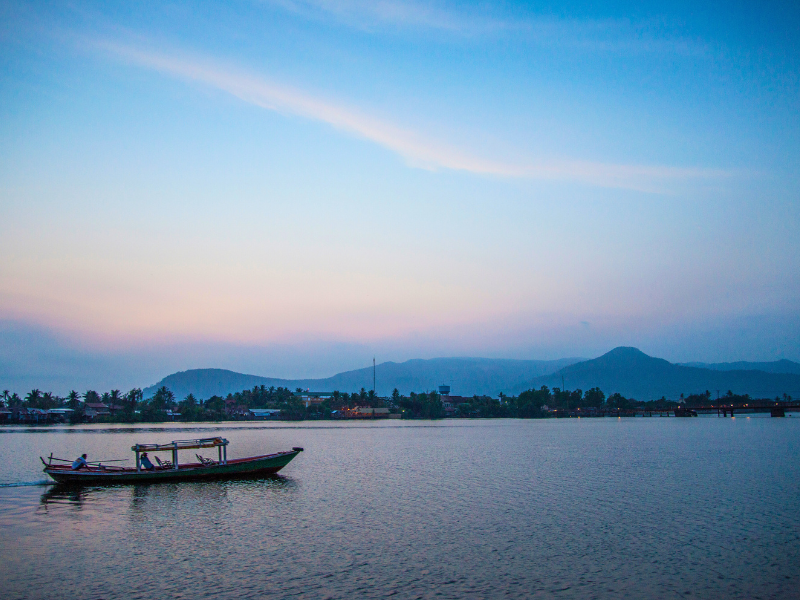
No matter when you visit, expect heat. The real difference comes down to whether you want sunny days, greener landscapes, or fewer crowds.
The Dry Season (November to April)
This is peak backpacking season in Kampot. The skies are blue, the river is prime for swimming, and the humidity actually drops to a manageable level. Just brace yourself if you’re visiting in March or April—temperatures regularly crush 35°C to 40°C, and the midday heat is so relentless you’ll sweat through your shirt just thinking about walking outside.
The Wet Season (May to October)
Don’t sleep on the rainy season here. Sure, it pours, but it’s usually just one massive afternoon dump followed by clear skies. Plus, the countryside turns an intense, vibrant green, the waterfalls actually flow, and the hostel bars pack out with travelers drinking away the storm together. Hit the dry season for guaranteed sunshine, but if you want fewer crowds, epic landscapes, and a peak laid-back vibe, the rainy season is secretly where it’s at.
How to Travel to Kampot
Kampot is brilliantly located. It’s the perfect pitstop between the Cambodian islands and the capital, or a great launchpad into Vietnam.
Getting to Kampot From Phnom Penh
Most travelers take a minivan from Phnom Penh to Kampot. Minivans run frequently throughout the day and usually get you there faster than the train.
Typical travel time:
- 3.5 to 4 hours
Typical price:
- around 40,000 KHR ($10 USD)
Taking the Train to Kampot From Phnom Penh
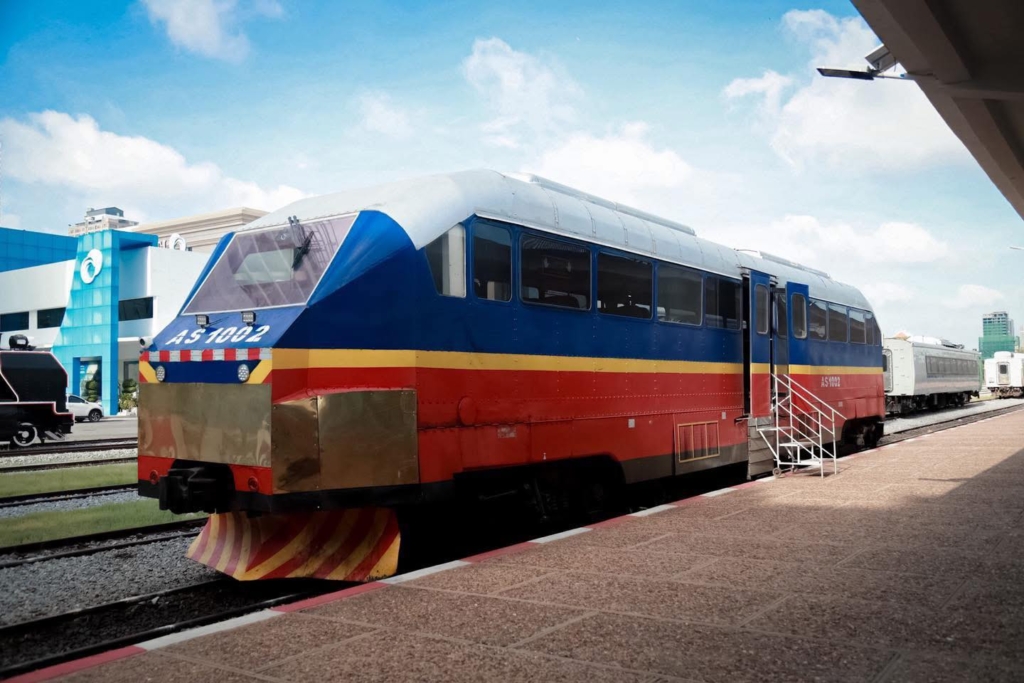
If you’re not in a rush, the train from Phnom Penh to Kampot is a total vibe. It takes longer than a minivan, but it chugs through scenic rice fields, tiny villages, and stretches of countryside you’d completely miss from the highway. Tickets only set you back about $8 to $12 USD (32,000–48,000 KHR) depending on your seat, making it the perfect, lazy way to travel slow and soak in the views.
Coming From Sihanoukville or the Cambodian Islands
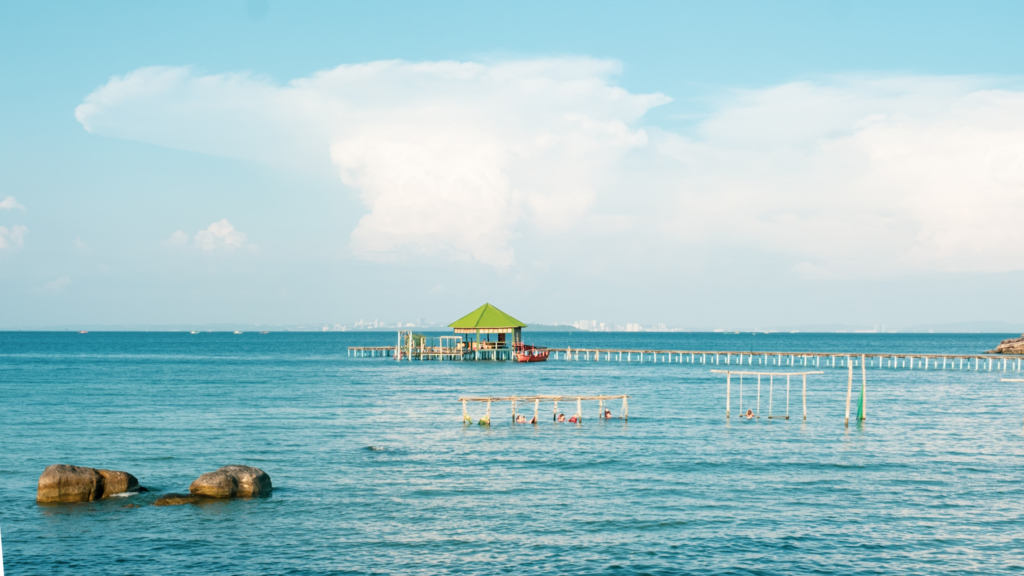
Traveling to Kampot from Koh Rong or Koh Rong Samloem usually starts with a ferry back to Sihanoukville, where most travelers continue the journey by minivan to Kampot. The drive usually takes around two hours, depending on traffic and road conditions.
Typical minivan price:
- 40,000 to 60,000 KHR ($10 to $15 USD)
If you’re traveling from the islands, give yourself extra time for ferry delays, port transfers, and long waits between connections, especially during busy travel periods or rough weather.
Getting Around Kampot
You can easily hoof it around central Kampot, but grabbing a scooter unlocks the real magic of the surrounding countryside. Rentals cost a cheap $5 to $8 USD (20,000–32,000 KHR) a day, giving you total freedom to hit the pepper farms, cruise up Bokor Mountain, or day-trip to Kep. Not confident on two wheels? Tuk-tuks are everywhere. Just remember there’s no Grab or Uber here, so always lock in a price before you hop in—a quick zip across town should only run you $1 to $2 USD (4,000–8,000 KHR).
Planning to explore beyond the riverside? Check out our full guide to getting around Kampot for scooter tips, tuk-tuk advice, and local transport hacks.
Heads Up: Before renting a scooter, photograph every scratch and dent on the bike. It can save you from arguments later.
Internet and eSIM Tips for Travelers in Kampot
Most cafés, hostels, and guesthouses in Kampot offer reliable WiFi, which makes the town popular with long-term travelers and remote workers.
That said, heavy storms can occasionally knock out power or slow internet connections for a few hours, especially during the rainy season.
Worth Knowing: Buy a local SIM card or eSIM after arriving in Cambodia. Mobile data makes it much easier to navigate rural roads, contact guesthouses, and deal with transport delays or border crossings.
Safety Tips for Traveling Around Kampot
Most travelers find Kampot safe and easy to navigate. The biggest danger you’ll face is a nasty sunburn or a scooter exhaust burn on your calf (the classic “Cambodian tattoo”).
- Water: Do not drink the tap water. Bottled water usually costs around 2,000 KHR ($0.50 USD) and is easy to find all over Kampot.
- Bugs: Malaria isn’t a massive issue in Kampot town, but dengue fever exists. Buy local mosquito repellent with DEET and actually use it, especially around sunset by the river.
- Scooters: Most roads around Kampot are decent during the day, but watch out for massive potholes on the unlit side streets at night. And seriously, don’t drink and ride. A 4,000 to 8,000 KHR ($1 to $2 USD) tuk-tuk ride costs a lot less than a hospital visit.
Final Kampot Travel Tips
Kampot isn’t a place you need to over-plan. The beauty of this town is that you can show up with a rough idea of what you want to do, meet a crew at the hostel bar, and completely change your itinerary by breakfast. Sort your visa, bring crisp US Dollars, pack some decent mosquito spray, and let the town do the rest. And when Mad Monkey Kampot opens its doors on the river in June 2026, you’ll already know exactly where the party is starting.
Frequently Asked Questions About Kampot
During the peak dry season (December to February), absolutely. The best spots fill up fast. During the wet season, you can usually wing it, but booking your first two nights is always a smart move so you’re not wandering around with your backpack in the heat.
Yes. Kampot has become a massive hub for digital nomads. Most cafes and hostels have solid fiber-optic connections pulling 30-40 Mbps. Just buy an eSIM as a backup for when the power occasionally drops out.
No. Major hotels and some upscale restaurants will take cards (often with a 3% surcharge), but Kampot runs on cash. Street food, local bars, tuk-tuks, and market stalls are 100% cash only.
Cambodia is a Buddhist country. If you’re visiting any temples or pagodas around Kampot, you need to cover your shoulders and your knees. Keep a lightweight sarong or t-shirt in your day bag to throw on over your singlet.
Explore More of Kampot
Backpacking Cambodia: BEST Travel Tips For 2026 by Tasha Amy
About the ride from Kampot to Ha Tien by Book A Way
When’s the best time to visit Cambodia by Selective Asia
Kampot Travel Guide: Tips For Cambodia’s Chillest Riverside Town by Dustin Kemp
Pin Now. Read Later.


