


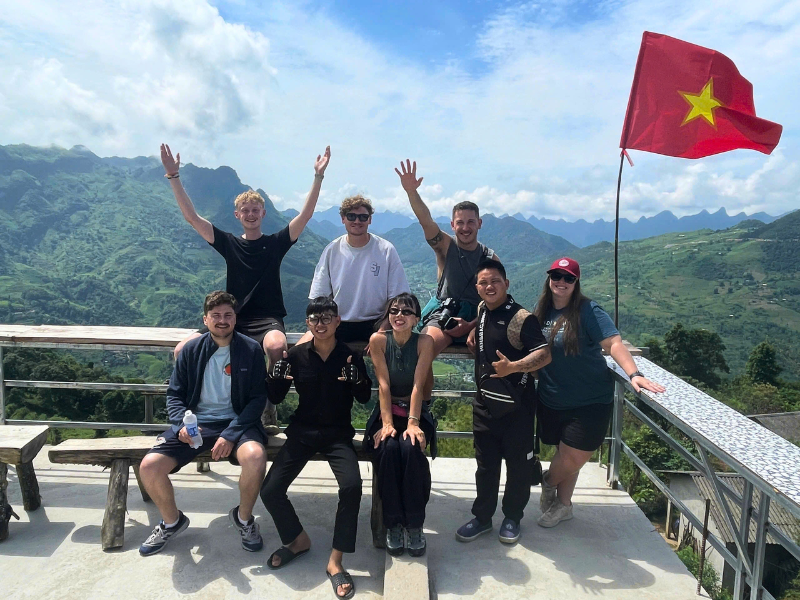




Contents
TL;DR
- Most Ha Giang Loop accidents come from a small set of avoidable decisions, not the road itself: self-riding without the correct license and permit, riding fast on wet descents, and skipping proper gear.
- Dry season (October to April) offers the most stable riding conditions; rainy season (May to September) brings landslide risk and demands more caution, especially for self-drive riders.
- Choosing between Easy Rider and self-riding should be based on honest self-assessment of riding experience, not on saving a day’s rental fee.
Why Riding the Ha Giang Loop Without the Right License Is a Mistake
Your home-country driver’s license alone won’t cut it on the Ha Giang Loop. To self-drive legally, you need a valid International Driving Permit recognized under the relevant convention, plus a home-country license that covers motorcycles.
Vietnam’s current traffic rules set different penalties depending on the motorcycle and the violation. For motorcycles up to 125cc, certain licensing violations can mean a fine of ₫2,000,000 to ₫4,000,000 ($33–$67 USD). For motorcycles over 125cc, the same type of violations can carry fines of ₫6,000,000 to ₫8,000,000 ($100–$133 USD). The rules also specifically require holders of a foreign-issued 1968 Vienna Convention IDP to carry the corresponding national driving license.
Before setting off, make sure you have:
- Your passport
- A home-country license that covers motorcycles
- A recognized International Driving Permit
- Your rental or tour paperwork
If you are involved in an accident while riding without the required license or permit, your travel insurer may question or deny a claim. On the Ha Giang Loop, some sections are remote and medical facilities can be limited, so it is worth getting your paperwork in order before leaving Ha Giang City.
Not sure whether you should go self-riding or go with an Easy Rider? Read our guide to Ha Giang Loop Easy Rider vs. self-driving for a closer look at both options.
Local tip: If you are not confident on a manual or semi-automatic bike, or you do not have the correct IDP sorted before arriving, Easy Rider takes much of the riding and navigation burden off your shoulders. You get the same mountain passes and views from the back seat.
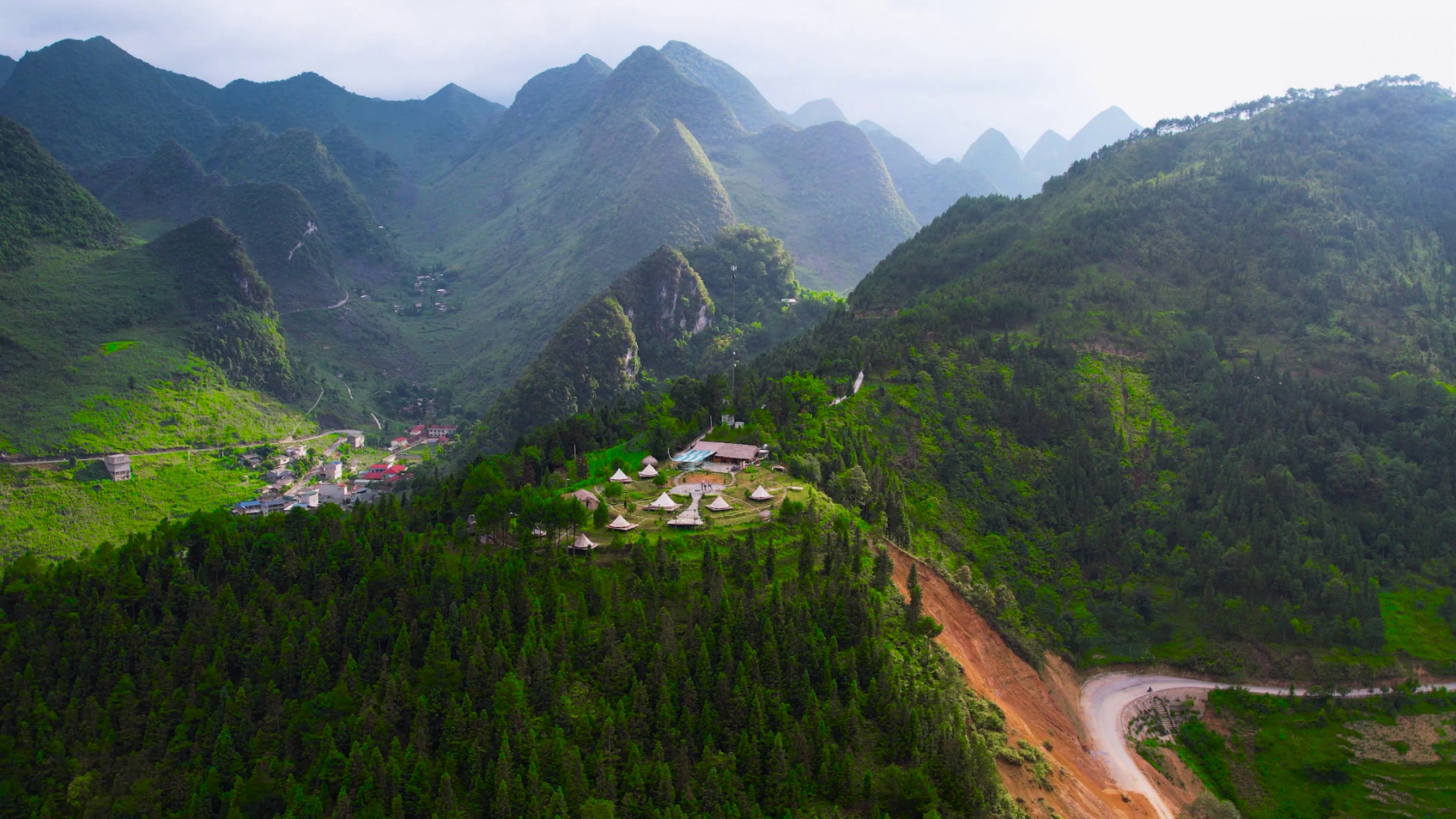
How Does Rainy Season Affect the Ha Giang Loop
The Ha Giang Loop is rideable year-round, but the season changes what the ride demands. October through April generally brings drier conditions, with clearer visibility often found from October to December. May through September brings regular rain, sometimes sustained, and a higher risk of landslides on certain mountain sections after prolonged downpours.
Rain does not just mean wet gear. It can make road surfaces slick, wash gravel onto corners, and reduce traction on steep sections. Riders planning a rainy-season trip should allow more time for each day’s route and treat descents with extra caution.
Use engine braking to help control speed on descents rather than relying heavily on the brakes, and leave more space between yourself and other bikes.
Safety note: Fog can reduce visibility dramatically on exposed mountain sections, particularly around higher passes. If you cannot clearly see the road ahead, slow down or stop somewhere safe rather than continuing into a blind corner.
Why Skipping Proper Riding Gear Backfires on the Passes
Mountain roads leave much less room for error than city streets, making proper riding gear worth prioritizing.
For the Ha Giang Loop, pack or arrange:
- Full-face or three-quarter helmet with a visor
- Riding gloves for grip and hand protection
- Closed shoes instead of sandals
- Two-piece rain suit for sudden downpours
- Lightweight layers for changing temperatures between valleys and higher passes
Sandals offer little protection if the bike tips or a foot catches the road.
Check your rental helmet before leaving. If it is loose, visibly damaged, poorly fitted, or has a cracked visor, ask for another one. A rain jacket is useful even outside the wettest months, while layers are more practical than relying on one heavy jacket when temperatures change throughout the route.
How Booking Late Limits Your Ha Giang Loop Options
The loop’s popularity has grown fast, and homestays, Easy Rider drivers, and reliable rental bikes can book out during peak weeks and national holidays. One of the easiest Ha Giang Loop mistakes to avoid is leaving your bike or Easy Rider booking until the last minute.
Sorting out the main logistics before you arrive means less time comparing operators in Ha Giang City and more time getting ready for the road. Mad Monkey Hanoi runs scheduled Ha Giang Loop trips with both Easy Rider and self-riding options, so you can have your departure and route sorted before heading north.
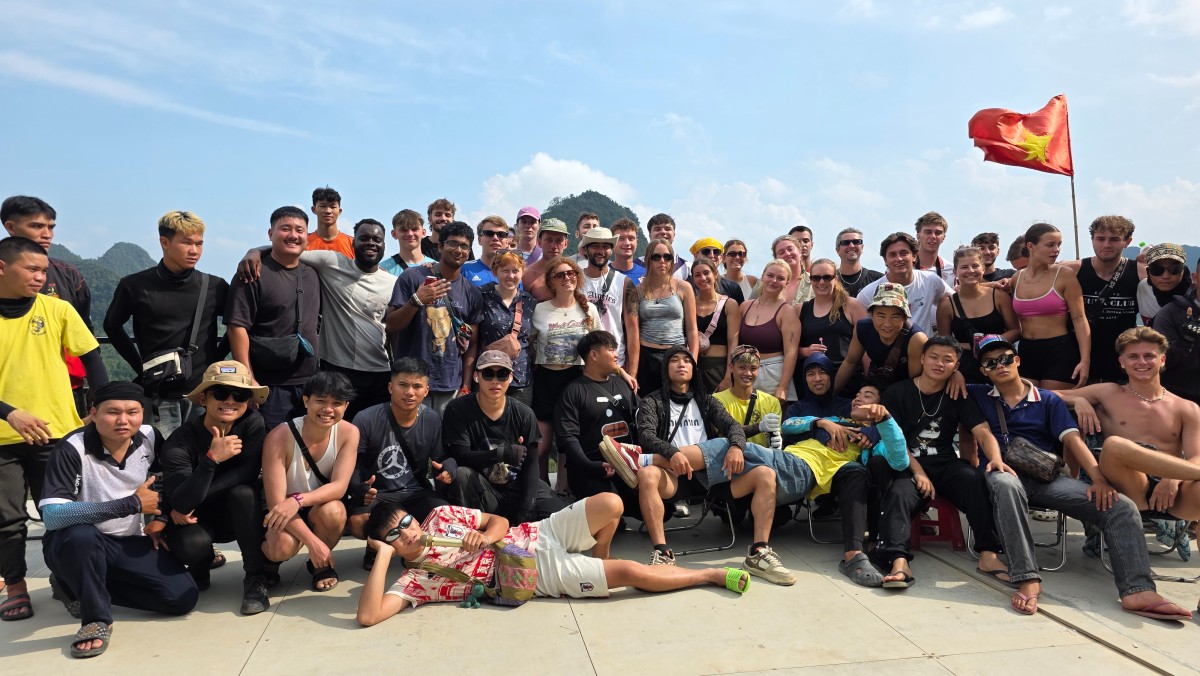
Why Overpacking Slows Down Every Corner
A large suitcase is awkward on a motorbike and adds weight where you least want it on narrow mountain roads. Over three or four days, that extra bulk can make the ride more tiring, especially when you’re getting on and off the bike throughout the day.
A small duffel or backpack is easier to secure and carry into homestays. For the loop, you really only need:
- Layered clothing for temperature changes between valleys and mountain passes
- A rain jacket or light rain gear for sudden showers
- Basic toiletries rather than your entire bathroom cabinet
- A compact first-aid kit for the usual bumps and scrapes
- A few changes of clothes, including something dry and comfortable for the evening
Homestays along the route are comfortable but basic, so there is no need to pack for every possible outfit. Keep the bag light, easy to secure, and small enough to carry without a second thought.
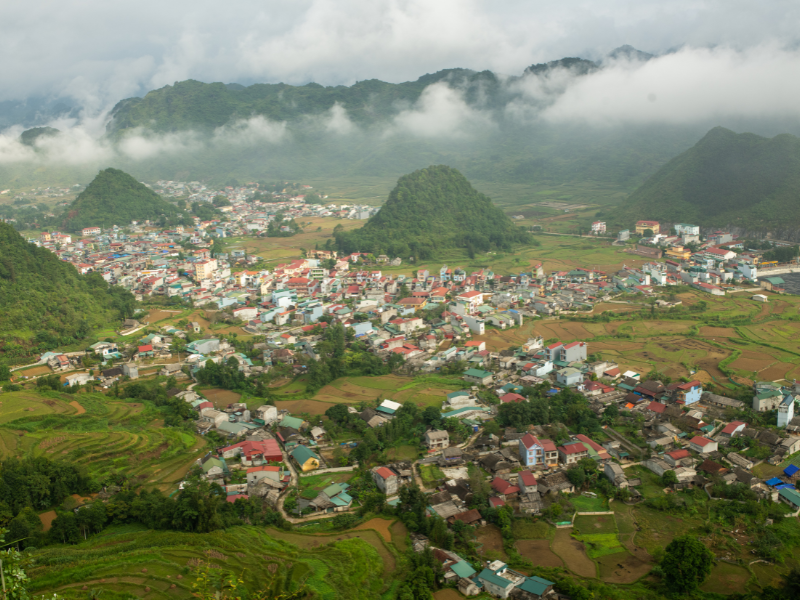
What Happens When Riders Push Speed on Descents
Descending is where small riding mistakes can become serious quickly. Problems often start when a rider brakes hard and late before a corner, follows a faster group too closely, or tries to maintain someone else’s pace.
Mountain traffic also includes trucks, vans, local motorbikes, and vehicles coming around blind corners, so leave yourself room to react.
Ride at a speed you can comfortably control, keep a safe distance from other bikes, and let faster riders go ahead rather than trying to keep up.
A slower pace is not a failed loop. It gives you more time to read the road and enjoy the landscape.
Before You Ride the Ha Giang Loop
Get the practical stuff sorted in Ha Giang City, then let the road do the rest. Have your riding documents ready, check the weather, pack light, and bring gear that can handle a change from warm valleys to cool, wet mountain roads. Once you’re on the loop, ride at your own pace. There is no prize for being the fastest rider over Ma Pi Leng.
Heading north from Hanoi? Mad Monkey Hanoi runs 3-4 day Ha Giang Loop trips with both Easy Rider and self-riding options. Get the route sorted before you leave the city, then enjoy the part that makes the Ha Giang Loop worth the ride: winding mountain roads, tiny villages, dramatic passes, and a few days of having nowhere to be except the next turn.
FAQs: Ha Giang Loop Mistakes to Avoid
In most cases, yes. Self-riding generally requires a recognized International Driving Permit used together with a home-country license that covers motorcycles, and requirements can vary or change. Riding without the correct documents can risk a fine, and can give an insurer grounds to deny a claim. Confirm the current requirement before you travel rather than relying on older sources.
For many first-time riders, an Easy Rider is the easier option. An experienced driver handles the bike and navigation while you can focus on the scenery and the route. Self-riding is better suited to travelers who are already comfortable riding a manual or semi-automatic motorbike. Knowing the main Ha Giang Loop mistakes makes it easier to decide whether self-riding or an Easy Rider is right for you.
October through April is generally the most stable window, with the clearest visibility from October to December. May through September brings rain and a higher risk of landslides in some areas, though the landscape is notably green during these months.
Three to four days is the common range, allowing time to cover the main route through Yen Minh, Dong Van, and Meo Vac without rushing descents or long riding days.
Pin Now. Read Later.


