






Contents
Why Thailand is Still the Backpacking Capital of the World
If you ask any seasoned traveler where to start a Southeast Asia adventure, the answer is almost always Thailand. From the gleaming Buddhist temples of Ayutthaya to the buzzing night markets of Chiang Mai and the gorgeous coastlines of the southern islands, Thailand is a country that caters perfectly to the backpacker lifestyle.
In 2026, Thailand will be more accessible than ever. The travel infrastructure is incredibly well-developed, making it easy to hop between cities on overnight sleeper trains or budget airlines. Whether you are a solo traveler looking to meet new friends or a group seeking adventure, the “Land of Smiles” delivers an unforgettable experience without breaking the bank.
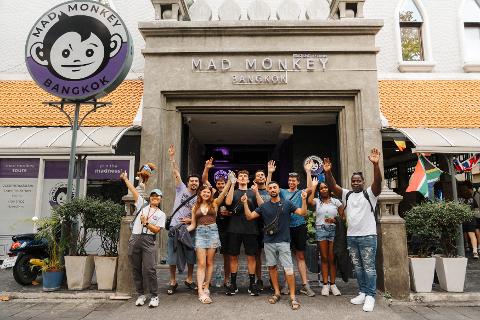
“Thailand is the perfect training ground for new backpackers. The infrastructure is there, the locals are incredibly welcoming, and your money goes so much further that you can live comfortably on a fraction of what you’d spend elsewhere,” says Connor Grogan, General Manager at Mad Monkey Bangkok.
Thailand Backpacking Budget (2026): Daily Costs Breakdown
One of the biggest draws of Thailand is its affordability. However, your daily budget will vary significantly depending on where you go. The center and north of Thailand are by far the cheapest regions, while the southern islands can be quite pricey.
Daily Budget Breakdown
| Region | Budget Daily (USD) | Mid-Range Daily (USD) | Biggest Expense |
| Northern Thailand (Chiang Mai, Pai) | $20–$30 | $40–$60 | Adventure tours |
| Central Thailand (Bangkok, Ayutthaya) | $25–$35 | $50–$70 | Nightlife and shopping |
| Southern Islands (Koh Tao, Koh Phangan) | $35–$50 | $70–$100 | Ferries and scuba diving |
| Phuket (Gateway to Andaman Sea) | $45–$60 | $80–$120 | Resort-area pricing and island tours |
Accommodation Costs
Hostels are the lifeblood of the backpacking community in Thailand. In northern hubs like Chiang Mai, you can find a comfortable dorm bed for as little as $6 USD a night. In Bangkok, prices hover around $10 to $15 USD for a highly-rated social hostel.
When you stay at Mad Monkey Bangkok or Mad Monkey Chiang Mai, you are not just paying for a bed; you are getting instant access to a vibrant community, daily events, and local tours that make solo travel a breeze.
Food and Drink
Street food is where you save the most—and eat the best.
- Pad Thai: ~40 THB ($1.30 USD)
- Local beer (mini-mart): ~50 THB ($1.60 USD)
The rule is simple: eat where locals eat. Skip tourist-heavy restaurants with English-only menus if you want to keep your budget intact.
3-Week Backpacking Thailand on a Budget 2026 Itinerary
Within three weeks, you can comfortably experience the chaotic energy of the capital, the cultural richness of the north, and the laid-back vibe of the southern islands.
| Days | Destination | Key Activities | Transport Mode |
| 1-4 | Bangkok | Grand Palace, Khao San Road, Chatuchak Market | Arrive via international flight |
| 5-8 | Chiang Mai | Ethical elephant sanctuaries, Doi Suthep temple, night bazaar | Overnight sleeper train from Bangkok |
| 9-11 | Pai | Rent a scooter, explore waterfalls, and Pai Canyon at sunset | 3-hour minivan from Chiang Mai |
| 12-16 | Koh Tao | Get Open Water scuba certified, snorkel at Shark Bay | Flight to Surat Thani, then ferry |
| 17-19 | Koh Phangan | Full Moon Party, explore hidden beaches, and yoga retreats | Short ferry from Koh Tao |
| 20-21 | Phuket | Explore Old Phuket Town, a base for Phi Phi Island day trips | Get Open Water scuba certified, and snorkel at Shark Bay |
Something to Consider
If you’re traveling on a tight budget, spend more time in Northern Thailand, where costs are lower. If your goal is diving, parties, and island life, plan for higher spending in the south.
If you’re still deciding, continue reading below for a closer look at costs and what to expect in each destination.
A Note on Phuket for Backpackers
Phuket is Thailand’s largest and most developed island. While it skews more toward resort holidays than traditional backpacking, it remains a crucial hub for exploring the Andaman Sea. It’s the perfect launchpad for day trips to the Phi Phi Islands or James Bond Island. To keep costs down and stay connected with the backpacker community, base yourself at Mad Monkey Phuket—it offers the perfect balance of a social atmosphere and easy access to the island’s best beaches and nightlife.
Scuba Diving in Koh Tao: A 2026 Cost Guide
Koh Tao is famous for being one of the cheapest and best places in the world to get your scuba diving certification. The island produces more PADI and SSI instructors than anywhere else on the globe.
If you are looking to get your Open Water certification in 2026, expect to pay between 11,000 and 12,500 THB ($315–$360 USD) for a comprehensive 3 to 4-day course. This price typically includes all your gear rentals, an experienced instructor, and four ocean dives. For certified divers, a single fun dive costs between 800 and 1,200 THB ($23–$35 USD).

Backpacking Thailand on a Budget 2026: Entry Requirements
The Thailand Digital Arrival Card (TDAC)
As of 2025, Thailand has modernized its entry process. The Thailand Digital Arrival Card (TDAC) is now mandatory for all foreign arrivals, regardless of your visa status.
You must submit your passport information, travel itinerary, and health declaration online via the official immigration portal within three days before your arrival. The process is entirely free, and you will receive a QR code to present at immigration, significantly speeding up your entry into the country.
Visas
For many Western nationalities, Thailand offers a 30-day visa exemption upon arrival. If you plan to stay longer, you can apply for a 60-day tourist e-visa online before your trip. Always check the latest requirements for your specific passport on the official Thai embassy website.
Staying Safe and Avoiding Scams
Thailand is generally very safe for backpackers, but petty scams do exist. The most common is the “closed temple” scam, where a friendly local or tuk-tuk driver will tell you that the attraction you want to visit is closed for a Buddhist holiday. They will then offer to take you on a cheap tour, which inevitably ends at a gem or tailor shop where they receive a commission.
To avoid this, always check opening hours online and use ride-hailing apps like Grab for transparent, metered pricing. Furthermore, if you decide to rent a scooter in places like Pai or Chiang Mai, always wear a helmet and ensure your travel insurance covers motorbike accidents.
Frequently Asked Questions (FAQ)
The best time to visit Thailand is during the dry season, which runs from November to February. The weather is cooler and less humid, making it perfect for exploring cities and trekking in the north. If you visit during the rainy season (May to October), expect short, intense afternoon downpours rather than all-day rain.
During the peak season (December to February), it is highly recommended to book your accommodation at least a few days in advance. Popular social spots like Mad Monkey Hostels fill up quickly. During the shoulder season, you can be more flexible and book as you go.
Bangkok’s public transport system is excellent. The BTS Skytrain and MRT subway are clean, air-conditioned, and cheap, with fares ranging from 17 to 65 THB per trip. For areas not covered by the train network, use the Grab app to book cars or motorbike taxis safely.
Absolutely! Street food is a highlight of any trip to Thailand. To ensure food safety, look for stalls that have a high turnover of local customers—this means the ingredients are fresh. Avoid stalls where pre-cooked food has been sitting out in the sun for hours.
Pack light, breathable clothing suitable for hot and humid weather. Essential items include a reusable water bottle, a universal power adapter, reef-safe sunscreen, and a lightweight sarong or pants to cover your knees and shoulders when visiting temples.
Find Out More About Backpacking in Thailand
Backpacking Thailand: Everything You Need To Know For An Epic Trip by Marek Bron
Budget Guide 2026: How Much is Diving on Koh Tao? by Big Blue Diving
TDAC Thailand Digital Arrival Card: A Step-by-Step Guide by the Thai Embassy
Thailand Scams: 10 Common Tourist Traps (2026 Guide) by Thailand Insider Guide
Pin Now. Read Later.


