

Southeast Asia & Australia Travel Blog
Travel tips for while you’re backpacking Southeast Asia and Australia, or some travel inspiration if you’re sat at a desk wishing you were here. Written by backpackers living or traveling around this side of the world. We’ve got travel advice for Australia, Cambodia, Indonesia, Laos, Philippines, Thailand, and Vietnam.



What’s new?
Mad Monkey Cambodia vs Laos: Which Experiences Should Be on Your Backpacking Route (2026)
TL;DR What Are the Best Places to Visit in Cambodia for Backpackers? Cambodia backpacking route: Phnom Penh → Siem Reap → Kampot → Koh Rong → Koh Sdach. Cambodia is a good one for travellers who don’t want to spend their entire trip doing the same thing. You have a capital city with a complicated history, ancient Khmer architecture, countryside food experiences, and a coastline dotted with islands. The route takes you from Phnom Penh to Siem Reap before heading south towards Kampot and the islands. It’s a decent introduction to the country without trying to squeeze every destination into one trip. What to Do in Phnom Penh, Cambodia? Give Phnom Penh more than a quick overnight stop before Siem Reap. Cambodia’s capital is busy, a little gritty around the edges, and full of stories that help you understand the country beyond its famous temples. A few Phnom Penh stops worth adding to your route: Start with Tuol Sleng Genocide Museum (S21) and Choeung Ek Genocidal Center. Both sites tell the story of the Khmer Rouge regime, when nearly two million people died through execution, forced labour, starvation, and disease. It’s heavy stuff, so don’t squeeze both visits between breakfast and your next bus. Take your time, listen to the stories, and understand the history behind what you’re seeing. A visit to both sites won’t cost a fortune, but remember to leave room in your daily budget. Entry to Tuol Sleng Genocide Museum (S21) is ៛20,400 ($5 USD), with another ៛20,400 ($5 USD) if you want the audio guide. Choeung Ek admission is around ៛24,480 ($6 USD), including an audio guide. You can get tickets at the entrances, so there’s no need to book an elaborate tour just to visit. Choeung Ek is outside the city, so budget around ៛60,000–82,000 ($15–20 USD) for a return tuk-tuk with waiting time. If you’re using Grab or PassApp, you may find cheaper fares by booking separate rides, but you’ll need to arrange your return journey yourself. When you’re ready for a change of pace, head towards Sisowath Quay. Grab something to eat, wander along the riverfront, or find a spot to watch the boats move along the Tonlé Sap. The Royal Palace is nearby, and Central Market is worth a look if you’re after local snacks, souvenirs, or a bit of market browsing. You can explore Sisowath Quay and Central Market without paying an entrance fee, so save some of your spending money for the food stalls, cafés, and market finds instead. For your Phnom Penh budget: Mad Monkey Tip: Dress modestly when visiting temples and memorial sites. At places like S21 and Choeung Ek, take time to learn the stories, respect the memorial spaces and remember the people whose lives are being honoured. What to See in Siem Reap: Angkor Wat and Tonlé Sap Let’s be honest, Angkor Wat is probably already on your Cambodia bucket list. And yes, the sunrise is worth the early alarm, even if getting out of bed feels like a personal attack at 4 AM. But Siem Reap has more to offer than one famous temple. The Angkor Archaeological Park covers a huge area filled with the remains of the Khmer Empire, which ruled much of mainland Southeast Asia between the 9th and 15th centuries. Don’t leave Siem Reap without: Start with Angkor Wat, then make time for Bayon Temple, known for its enormous carved stone faces, and Ta Prohm, where tree roots have grown around centuries-old stone structures. Each temple has its own story, so don’t rush through the complex just to collect photos. Once you’ve…
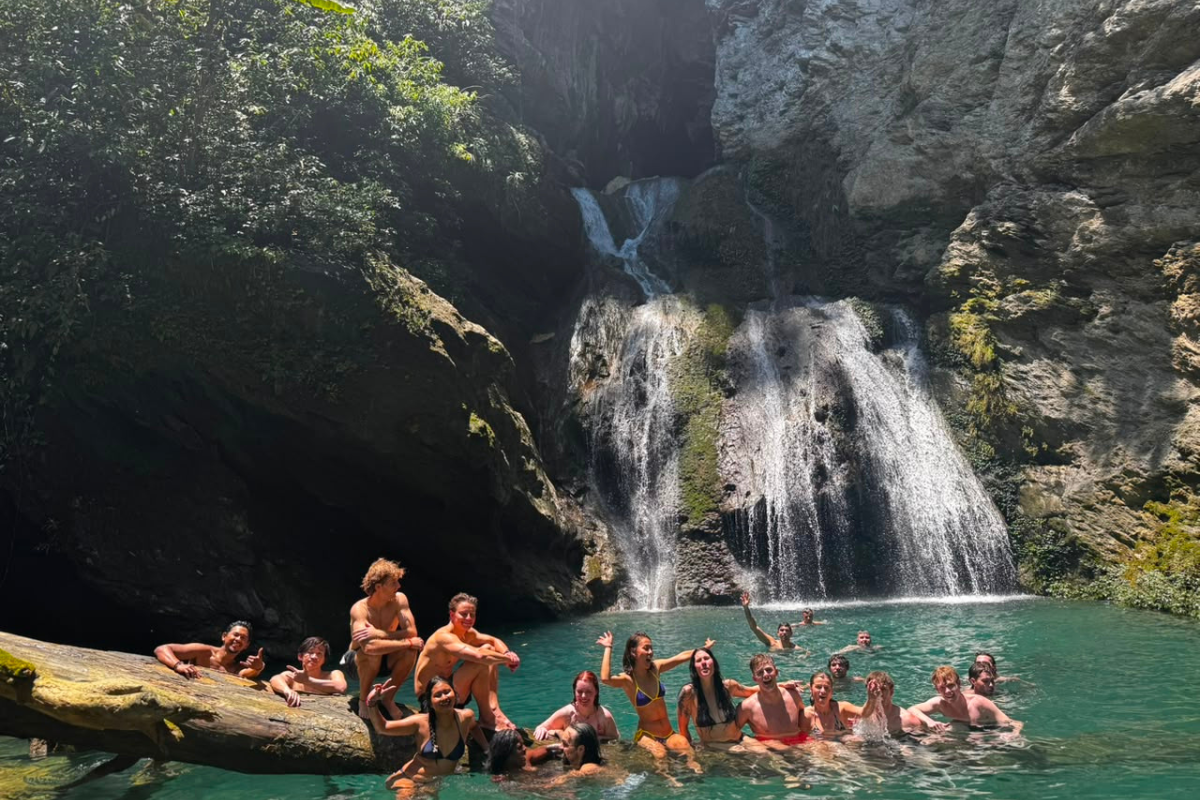
Mad Monkey Vietnam: 7-Day Northern Vietnam Guide (2026)
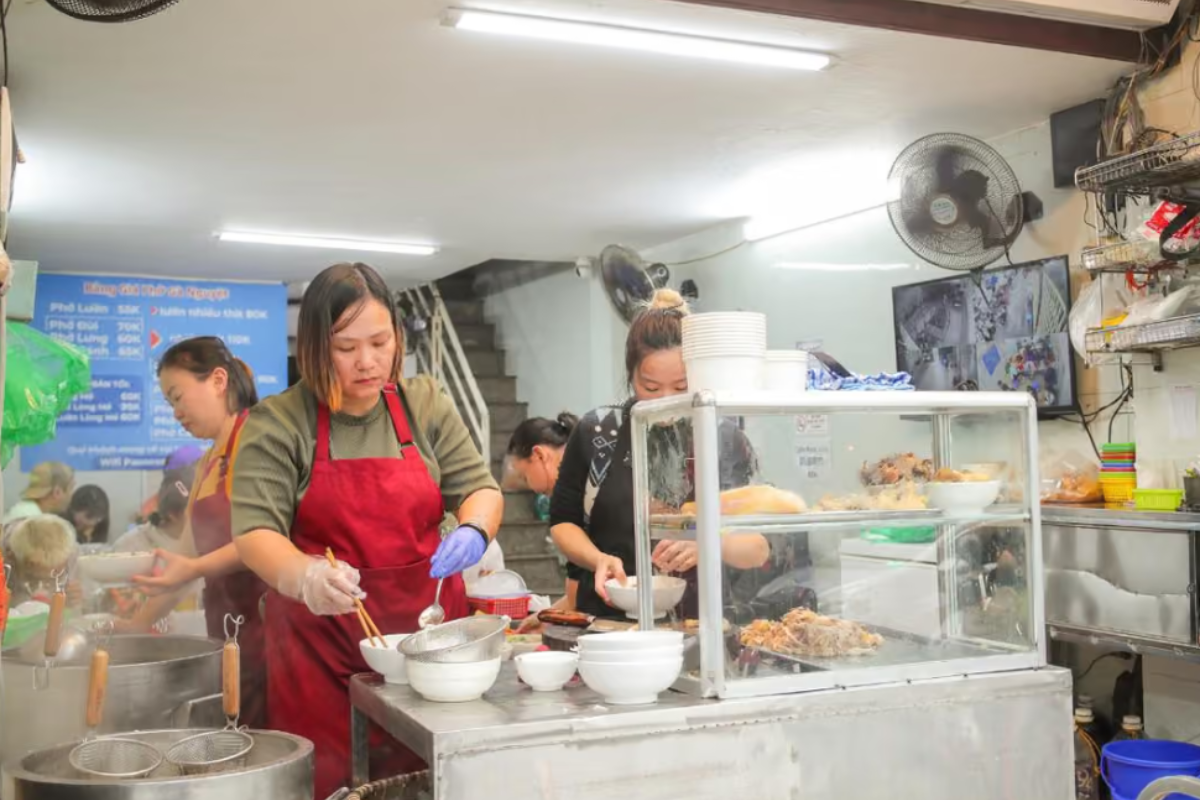
Mad Monkey Hanoi: Michelin Street Food Guide to Hanoi’s Old Quarter (2026)
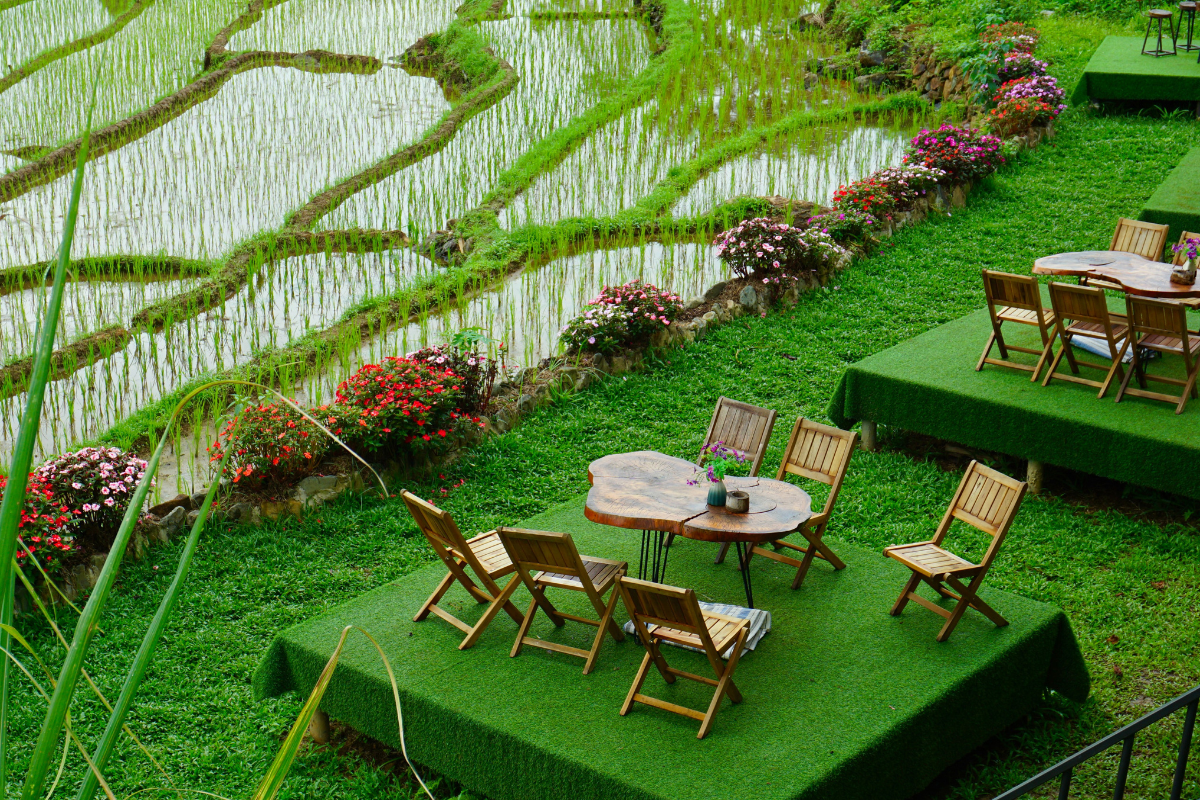
Mad Monkey Vietnam: 4 Hidden Gems Worth Visiting in Vietnam (2026)
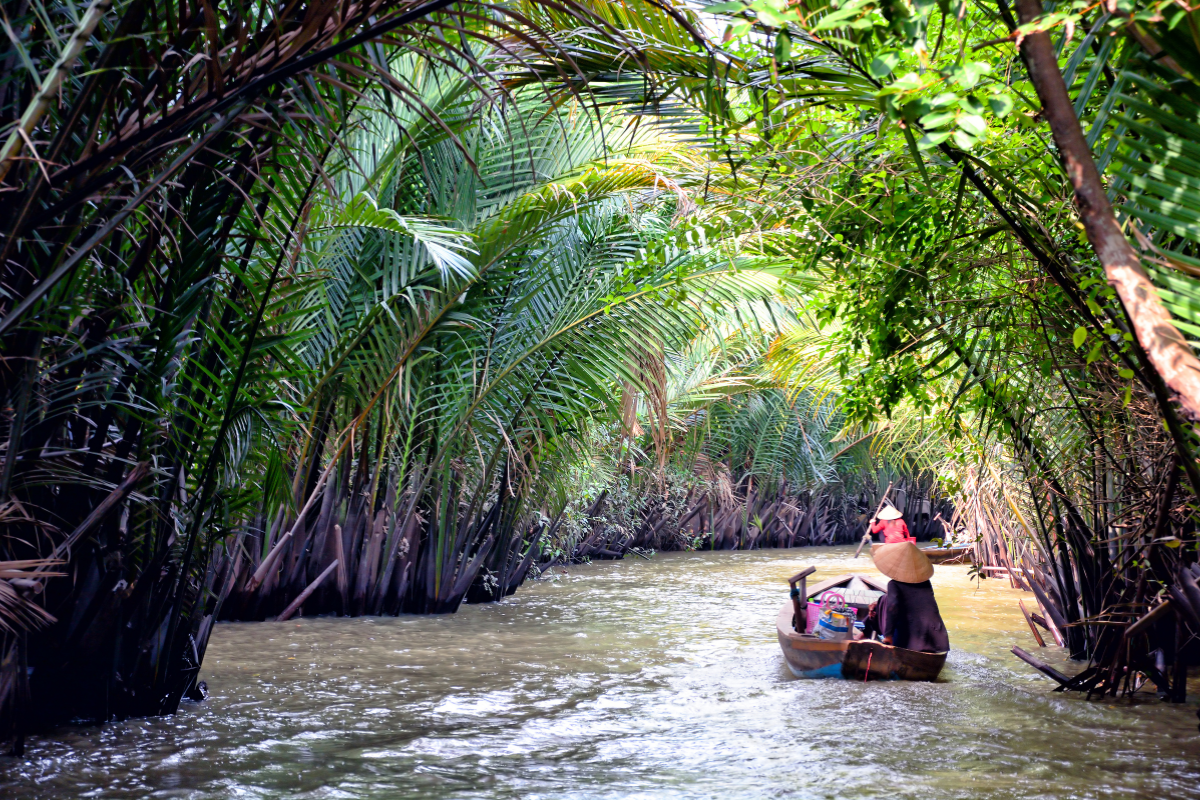
Mad Monkey Vietnam: Volunteer in the Mekong Delta and Explore Vietnam (2027)
Budget Travel
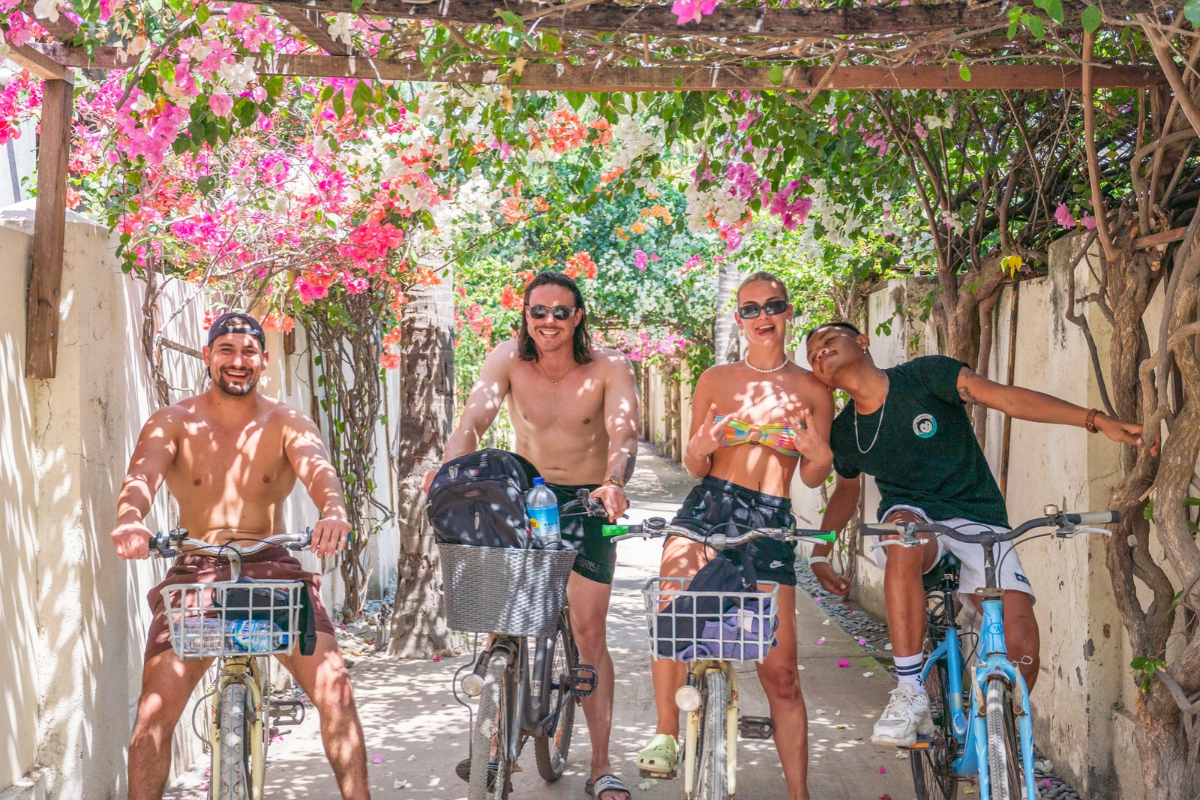
Mad Monkey Southeast Asia Trip Planning: How Long, How Much and Which Route First
TL;DR: How Long Should You Spend in Southeast Asia? A week can be enough for a focused adventure. Two weeks gives you more room to connect destinations. What matters is how much of that time you want to spend exploring rather than getting from one place to the next. Seven days in northern Vietnam, for example, gives you time to explore Hanoi before heading into the mountains of the Ha Giang Loop. In Indonesia, a shorter itinerary centred on Gili Trawangan and Lombok puts island time and surfing at the heart of the trip. With 12 to 14 days, you can build in more variety. Vietnam’s longer route connects northern highlights with Ninh Binh and Hoi An, while Cambodia’s itinerary combines Phnom Penh, Siem Reap and the coast. Time available Route What to expect 7 days Hanoi and the Ha Giang Loop Mountain roads, village stays and northern Vietnam 7 days Gili Trawangan and Kuta Lombok Island life, snorkeling and surf 12 days, as advertised Indonesia Island Hopping Bali and surrounding islands, including Nusa Lembongan, Gili Trawangan and Lombok 14 days Hanoi to Hoi An Northern and central Vietnam 14 days Phnom Penh to Koh Sdach via Siem Reap and Koh Rong City culture, temples and island time Traveler tip: Every extra destination costs you time, even if it looks close on the map. Build your route around the places you care about most, then leave enough room to enjoy them. How Much Does a Southeast Asia Trip Cost? Your budget depends on how you travel. Booking transport and accommodation independently gives you control over individual expenses, but it also means researching connections and arranging each stay yourself. A planned group itinerary brings several of those costs together, making it easier to understand what you’re paying for before you leave. Here’s a rough idea of what you could spend, depending on the route and how long you want to travel: Itinerary Duration Price in USD Daily Cost in USD Vietnam: Hanoi to Ha Giang 7 days $310 $44 Cambodia: Phnom Penh to Koh Sdach 14 days $650 $46 Indonesia Island Hopping 12 days $700 $58 Vietnam: Hanoi to Hoi An 14 days $850 $61 Indonesia: Gili Trawangan and Lombok 7 days $450 $64 *Prices are per person, in USD, and may vary by departure date. Daily costs are estimates based on the starting price and trip length. Check the booking page for current prices. Can You Book an All-Inclusive Trip Around Southeast Asia? Absolutely! All-in group trips in Southeast Asia bundle accommodation, transport, selected meals and activities into one package, with the price set before you travel. Mad Monkey offers ALL IN trips in Vietnam, Cambodia and Indonesia, ranging from 7 to 14 days. Routes include the Ha Giang Loop in northern Vietnam, a journey through Cambodia from Phnom Penh to Siem Reap and the islands, and an Indonesia trip covering Gili Trawangan and Lombok. Our ALL IN packages bring the main travel arrangements together, including: Explore our Mad Monkey ALL IN trips to compare routes, inclusions and current starting prices. Which Southeast Asia Route Should You Take First? Start with the kind of experience you want, then choose the destination that fits. Mountain roads, ancient temples and island coastlines offer very different ways to spend two weeks. Vietnam: From Hanoi’s Street Food to the Ha Giang Loop Start in Hanoi with street-side phở and late-night cafés, then head north to the Ha Giang Loop, where the roads wind through limestone mountains and small villages. With more time, you can continue south to Lan Ha Bay, Ninh Binh and Hoi…

Mad Monkey’s Solo Traveler’s Guide to Social Hostels in Europe 2026
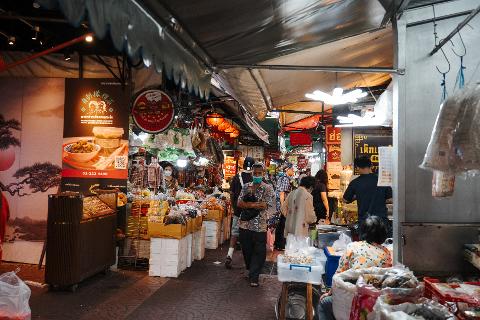
Best Second-Hand Shops Near Mad Monkey Hostels: Thrift, Vintage & Backpacker Garms

Group Trips vs. Mad Pass: The Best Way to Explore Southeast Asia

Top Affordable Activities in Manila for Young Adventurers
Sustainable Travel
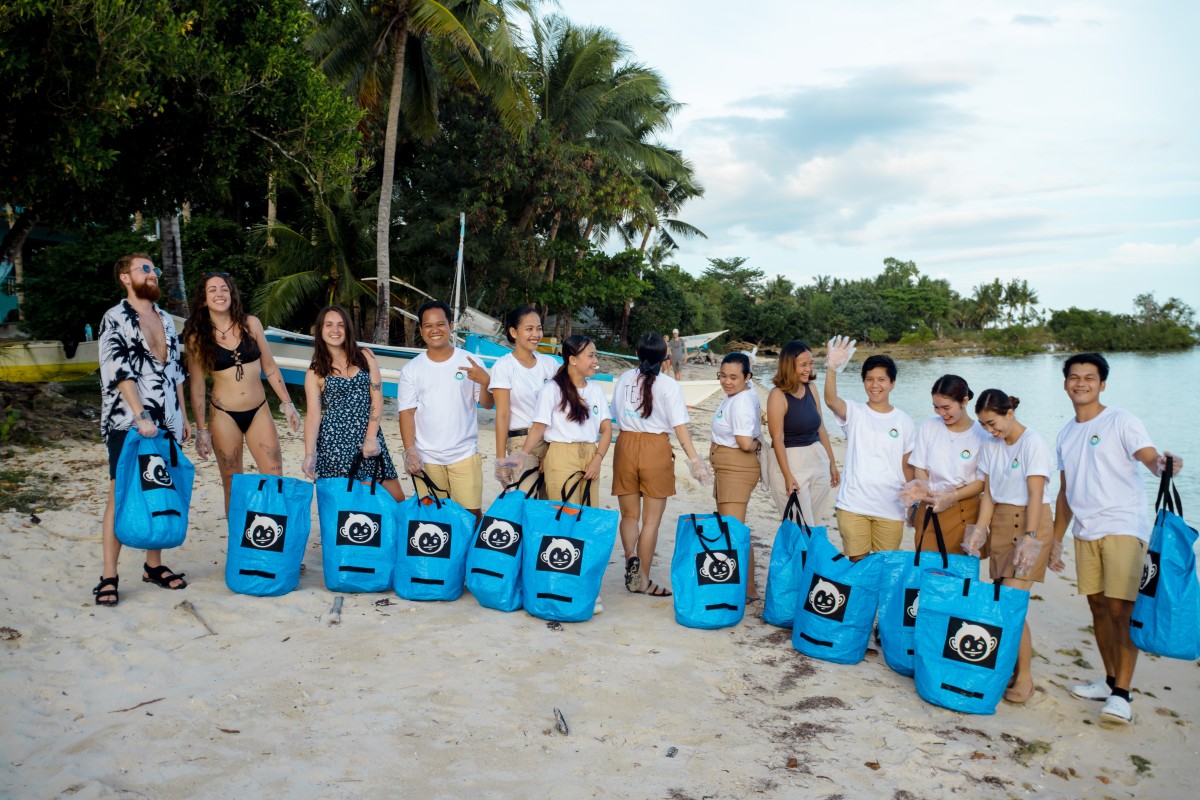
Mad Monkey Hostels and KrapMaps Forge Strategic Partnership to Advance Sustainable Youth Tourism in Southeast Asia
FOR IMMEDIATE RELEASE Mad Monkey Hostels, a leader in social and sustainable youth accommodation across Southeast Asia and Australia, has partnered with KrapMaps. KrapMaps is an innovative crowdsourced platform for waste management. This collaboration begins with pilot programs in two key destinations: Uluwatu, Indonesia, and Chiang Mai, Thailand. This initiative tackles a critical issue: waste management in popular tourist areas. It empowers travelers with a practical, community-driven solution. The KrapMaps app helps users find and map public waste disposal points, including recycling facilities. This promotes responsible waste practices and helps create cleaner local environments. “At Mad Monkey, our commitment goes beyond great social experiences. We also foster positive community and environmental impact,” stated Lexie Hadley, Head of Marketing at Mad Monkey. “Our partnership with KrapMaps aligns perfectly with our values. It turns environmental responsibility from a passive idea into an active, engaging experience for our guests. This directly helps preserve the vibrant places where we operate. Ultimately, our community becomes part of the solution, ensuring these cherished locations remain sustainable long-term.” Strategic Imperative: Empowering Responsible Travel Tourism brings economic benefits, but it often creates significant waste challenges. KrapMaps offers a scalable, tech-driven solution. It uses collective action. By gamifying the process of finding waste disposal locations, the platform encourages active participation from backpackers. This turns a common frustration into a constructive contribution. Pilot Program: Uluwatu, Indonesia and Chiang Mai, Thailand The pilot programs are currently operational at Mad Monkey Uluwatu and Mad Monkey Chiang Mai. Guests are actively encouraged to download the KrapMaps application and contribute to the mapping efforts within their local surroundings. This engagement is incentivized through a gamified system where top contributors at Mad Monkey properties can earn exclusive rewards, including complimentary stays and recognition on the global KrapMaps leaderboard. “We are immensely pleased to collaborate with Mad Monkey, a brand that deeply understands and champions community engagement,” commented Harley Treagust, Founder & CEO at KrapMaps. “Our shared vision is to cultivate a global network of environmentally conscious travelers who are proactive in preserving the beauty of their visited destinations. Launching this initiative in Uluwatu and Chiang Mai with Mad Monkey provides an ideal foundation for broader adoption and impact.” About Mad Monkey Hostels Mad Monkey is a leading hostel operator in Southeast Asia, known for experience-driven stays that blend affordable accommodation with community, adventure, and unforgettable social energy. With locations across Cambodia, Vietnam, the Philippines, Thailand, Indonesia, Laos, and Australia, Mad Monkey is more than a place to stay – it’s a place to belong. About KrapMaps KrapMaps is a pioneering sustainable travel application developed by and for backpackers. As the world’s first crowdsourced platform for locating waste disposal points, KrapMaps leverages gamification and community participation to empower travelers in reducing their environmental footprint and promoting cleaner travel habits.


Solo Travel
Mad Monkey Manila: Solo Female Travel Safety Guide in Manila 2026
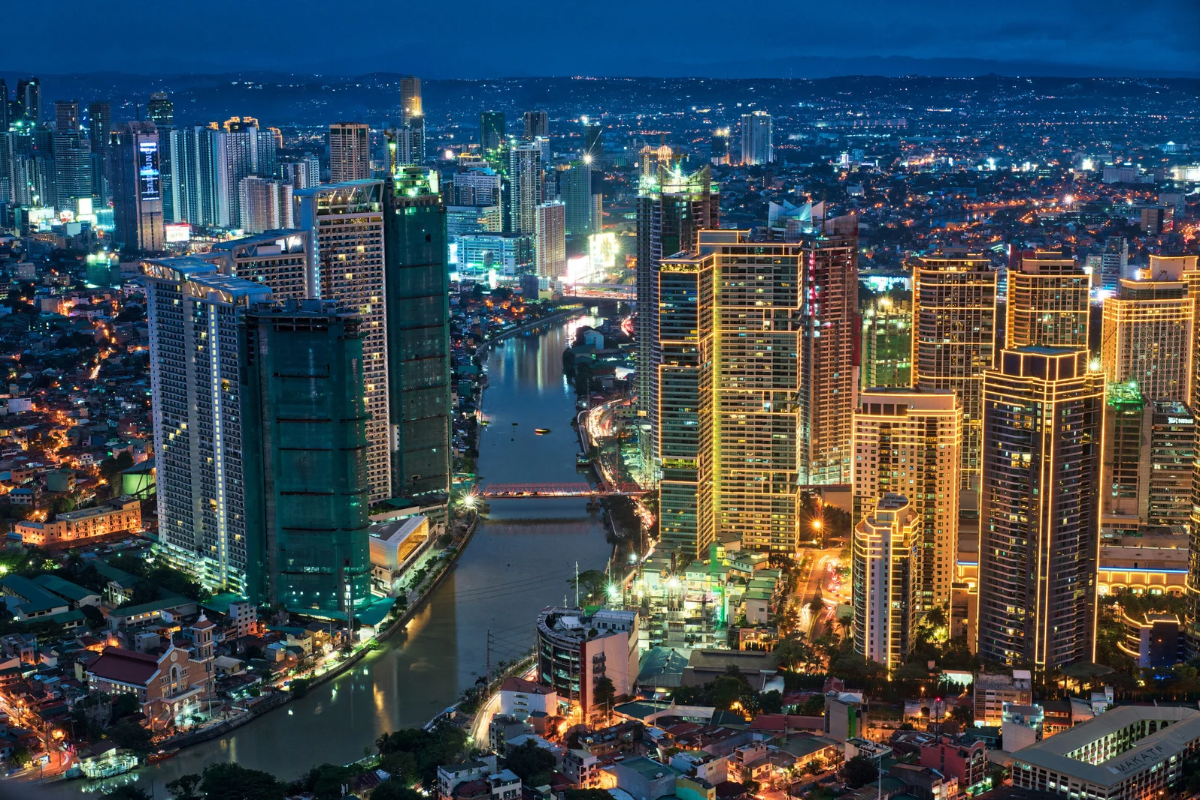
TL;DR Is Manila Safe for Solo Female Travelers? Manila is a destination solo female travelers can explore, with a little more planning needed for getting around than for deciding where to eat or spend the afternoon. In Makati’s Poblacion, cafes, Filipino restaurants, and bars sit along streets around Don Pedro and Ebro, giving the neighborhood a social feel, especially in the evening. A few blocks away, the pace can change, and crossing Metro Manila often takes longer than the distance on a map suggests. For many travelers, the adjustment is less about avoiding the city and more about getting used to its rhythm: busy roads, unpredictable traffic, and neighborhoods with very different atmospheres. Poblacion offers places to meet other travelers and explore local food, while a ride-hailing app can make journeys between neighborhoods easier to navigate. Mad Monkey Tip: Manila traffic can change your plans quickly. Keep your accommodation address saved offline and check your return route before heading out, especially if you have an early flight the next morning. Where Should Solo Female Travelers Stay in Manila? For solo female travelers who want to explore Makati on foot, Poblacion puts cafes, Filipino restaurants, and evening hangouts within the same neighborhood. Don Pedro Street and the surrounding lanes are part of the area’s social scene, with a mix of places to eat, meet fellow travelers, and spend an evening out. Mad Monkey Manila is right in Poblacion at 5665 Don Pedro Street, corner Alfonso Street. You can choose between shared dorms and private rooms, with Mad Cafe and the rooftop bar and restaurant on-site when you’d rather stay close to home. It’s also easy to explore the surrounding neighborhood on foot during the day. One thing to keep in mind: Poblacion is a nightlife district, so evenings can get noisy. If you’re a light sleeper or catching an early flight, ask the team about room location before booking. How Should Solo Female Travelers Get Around Manila? Metro Manila has several ways to get around, from ride-hailing apps for door-to-door trips to trains, buses, and jeepneys for everyday journeys. Your total travel cost will depend on distance, traffic, and the time of day. Grab and Taxis Grab is convenient for airport transfers, travelling between neighborhoods, or returning to your accommodation at night. Short city rides often cost around ₱100–₱300 ($1.60–$4.80 USD), while a ride from NAIA to Makati may cost roughly ₱300–₱600 ($4.75–$9.50 USD), depending on the terminal, traffic, and demand. Check the fare in the app before booking. MRT and LRT The MRT-3 and LRT lines connect major parts of Metro Manila, including Quezon City, Manila, Pasay, and areas around Makati. Following the 2026 fare discounts, a one-way MRT-3 journey costs approximately ₱6–₱14 ($0.10–$0.22 USD), depending on the stations. LRT fares vary by line and distance, so check the fare matrix before travelling. Trains can be crowded during rush hour, and designated women-only carriages are available on applicable services. Jeepneys and Buses Jeepneys are useful for shorter local journeys, while buses serve routes along major roads and between key areas. As of late September 2026, minimum fares start at ₱14 ($0.22 USD) for traditional jeepneys and ₱17 ($0.27 USD) for modern jeepneys. Ordinary city bus fares start at around ₱15 ($0.24 USD), while air-conditioned buses start at ₱18 ($0.29 USD). Longer journeys cost more. If you’re unfamiliar with a route, confirm the destination and where to get off before boarding. Carry small cash for fares and keep your belongings close to crowded vehicles. Walking Around Makati Many cafes, restaurants, and bars around Poblacion are within walking distance of Mad Monkey…