




Contents
TL;DR:
- Pu Luong: Head into Thanh Hoa’s rice-growing valleys for village walks, mountain scenery, and homestays run by locals.
- Cao Bang: Make the journey north for Ban Gioc Waterfall, Nguom Ngao Cave, and the landscapes of a UNESCO Global Geopark.
- Phong Nha: Explore underground rivers, enormous caverns and jungle trails in central Vietnam.
- Quy Nhon: Spend a few days around coastal fishing villages, Cham heritage sites and the beaches of the Phuong Mai Peninsula.
Allow two to three days for each destination, plus additional time for transport. If you’re visiting all four, a 16- to 20-day trip is a more comfortable starting point.
Where Should You Go in Vietnam Beyond the Popular Tourist Destinations?
Vietnam’s usual backpacker route gets plenty of attention. Hanoi, Ha Long Bay, Hoi An, Ho Chi Minh City. But what happens when you take a turn away from the familiar stops?
You end up in mountain villages where rice terraces shape the landscape, at waterfalls marking the border with China, inside cave systems that stretch beneath the jungle, and along a coastline where fishing boats still set the rhythm of the day.
These four places are a reason to look beyond the usual route.
| Destination | Best Experiences | Ideal For | Time to Allow |
|---|---|---|---|
| Pu Luong, Thanh Hoa | Trekking through rice terraces, visiting Hieu Waterfall, exploring Thai and Muong villages | Slow travel, countryside stays and guided hikes | 2 nights |
| Cao Bang | Visiting Ban Gioc Waterfall, exploring Nguom Ngao Cave and seeing Khuoi Ky Stone Village | Waterfall trips, mountain scenery and cultural experiences | 3 days |
| Phong Nha, Quang Binh | Taking a boat into Phong Nha Cave, exploring Paradise Cave and kayaking on the Son River | Caving, outdoor activities and nature | 2-3 days |
| Quy Nhon, Binh Dinh | Swimming at Ky Co Beach, walking along Eo Gio and trying local seafood in Nhon Ly | Coastal escapes, food and Cham heritage | 2-3 days |
Each destination has its own landscape, local traditions, and character. And together, they reveal a side of Vietnam that many travellers miss while following the usual backpacker route.
What Is Pu Luong Like, and Why Should You Visit?
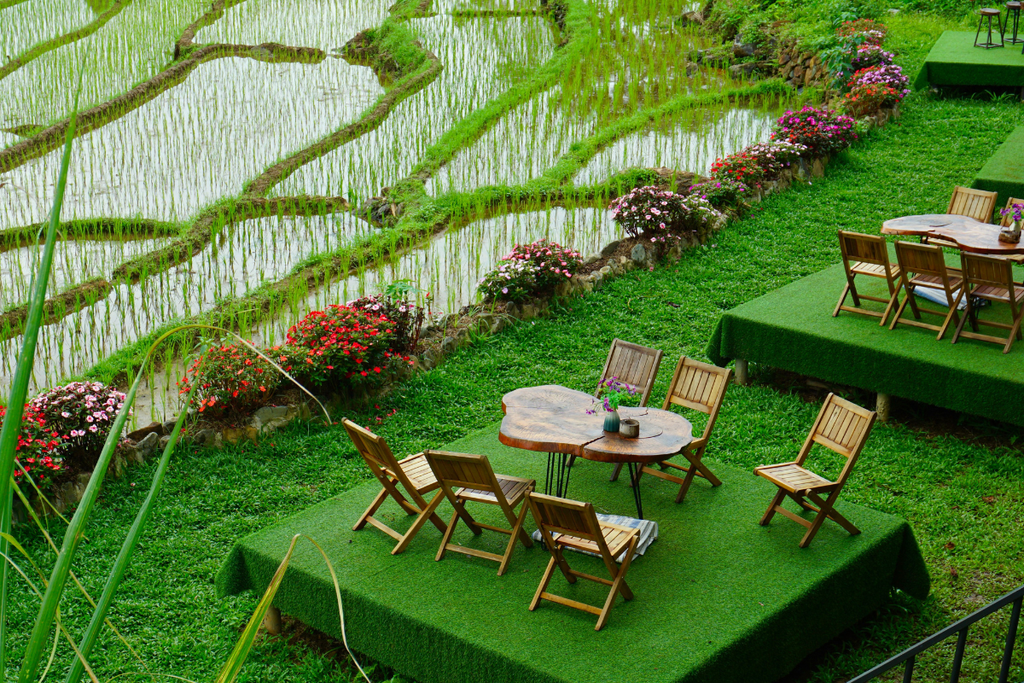
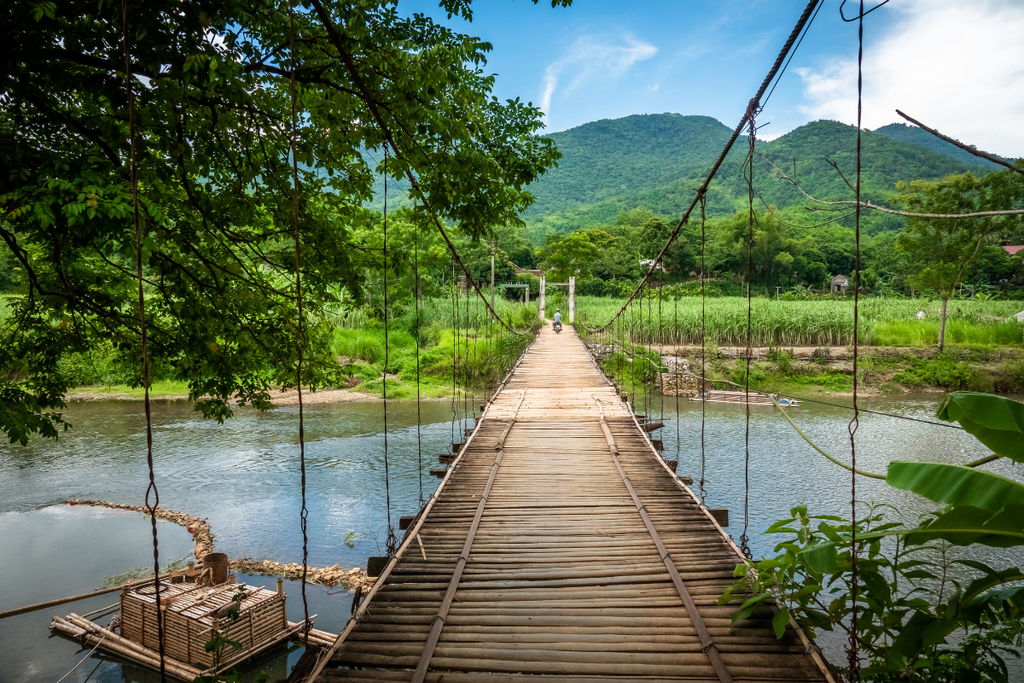
Around 150 to 160 km southwest of Hanoi, Pu Luong Nature Reserve is a quieter stretch of northern Vietnam, with limestone mountains, forested hillsides and rice terraces carved into the valleys of Thanh Hoa Province. The drive takes roughly four to four and a half hours, but the change of pace starts well before you arrive.
The scenery is a big draw, of course. But Pu Luong isn’t just somewhere to stop for a viewpoint and a few photos.
The reserve is home to Thai and Muong communities. Their villages, traditional stilt houses, bamboo water wheels, and farmland make the landscape feel lived-in rather than simply scenic.
What Can You Do in Pu Luong?
Pu Luong is best explored on foot, with trails leading through rice fields, traditional villages, and limestone valleys. Here are a few stops worth adding to your itinerary:
- Hieu Village and Hieu Waterfall: Walk past traditional stilt houses and bamboo water wheels, then visit the waterfall.
- Kho Muong Village and Bat Cave: Explore a quiet valley surrounded by limestone mountains and visit the nearby cave.
- Pho Doan Market: Visit on a Thursday or Sunday morning to browse local produce, food, and everyday goods.
- Village trekking: Follow trails through rice terraces and farmland, ideally with a local guide who can share more about the area.
A half-day guided trek typically costs around ₫350,000–₫500,000 ($13–19 USD), depending on the route and group size.

How Much Does a Trip to Pu Luong Cost?
Pu Luong has accommodation for different budgets, from simple guesthouses to private bungalows and eco-lodges overlooking the rice terraces. For an easier booking experience, look for places around Don Village, one of the main areas to stay when exploring the reserve.
Here are some estimated costs to help you plan:
| Expense | Budget Around | Approx. USD |
|---|---|---|
| Budget guesthouse | ₫300,000–₫600,000 per room/night | $12–23 |
| Mid-range resort or bungalow | ₫1,200,000–₫2,500,000 per room/night | $46–96 |
| Local meal | ₫50,000–₫100,000 | $2–4 |
| Daily food budget | ₫150,000–₫300,000 per person | $6–12 |
| Half-day trekking guide | ₫350,000–₫500,000 | $13–19 |
| Motorbike rental | ₫100,000–₫200,000 per day | $4–8 |
| Bamboo raft on Cham Stream | Around ₫50,000 per person | Around $2 |
For food, budget around ₫150,000–₫300,000 ($6–12 USD) per person per day for three simple local meals. Look out for northern Vietnamese favourites such as com lam (rice cooked in bamboo), vit co loi (a local duck dish), grilled stream fish, and rau rừng (wild forest vegetables). Many restaurants and local eateries serve these alongside rice and seasonal vegetables.
When Is the Best Month to Visit Pu Luong?
Pu Luong has two particularly scenic rice seasons, making late May to June and September to early October the best times to plan a visit.
- May to June: See the terraces filled with water and gradually turning green.
- September to early October: Catch the rice fields at harvest time, when the valleys turn golden.
July and August bring lush scenery too, but heavier rainfall can affect trekking conditions.

How Do You Get from Hanoi to Pu Luong?
Pu Luong is around 150–160 km southwest of Hanoi, and the journey takes approximately four to four and a half hours by road. You can travel by shared limousine van, private car, or motorbike, depending on your budget and how comfortable you are with mountain roads.
| Transport | Travel Time | Estimated Cost |
|---|---|---|
| Limousine van | 4–4.5 hours | ₫330,000–₫400,000 per person ($13–15 USD) one way |
| Private car | 3.5–4.5 hours | ₫1,500,000–₫3,500,000 per vehicle ($58–135 USD) one way |
| Motorbike | 4.5–6 hours | ₫100,000–₫200,000 per day ($4–8 USD), excluding fuel |
Limousine vans are a popular choice for this route, but drop-off points vary by operator. Check your final stop before booking, especially if your accommodation is outside Don Village.
Prefer travelling on two wheels? You can ride from Hanoi to Pu Luong, but expect winding mountain roads and allow extra time for the journey.
Starting your trip in Hanoi? Make Mad Monkey Hanoi your base before heading into the countryside. Located at 11 Mã Mây in the Old Quarter, it’s one of the best hostels in Vietnam for travellers looking to meet people, explore the city, and connect with fellow backpackers.
What Can You Explore in Cao Bang Beyond Ban Gioc Waterfall?
Cao Bang isn’t a quick detour from Hanoi. The journey takes several hours, and Ban Gioc Waterfall sits another couple of hours beyond Cao Bang City. But if you have a few days to explore northern Vietnam, the trip rewards you with limestone mountains, winding rivers and some of the country’s most striking scenery.
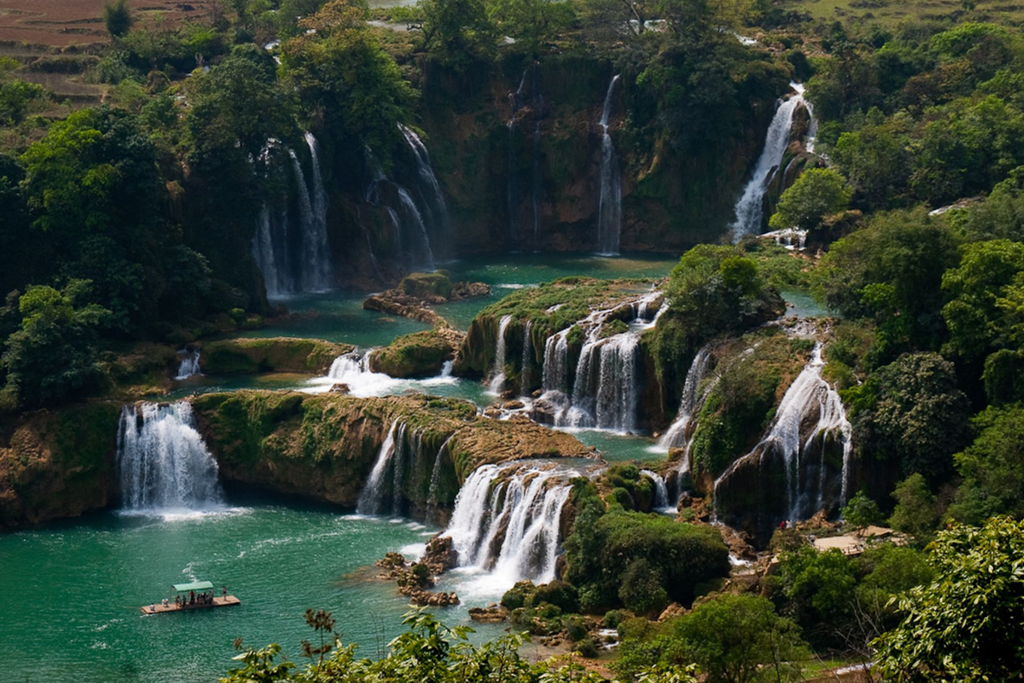
The main attraction is Ban Gioc Waterfall, where the Quay Son River tumbles over several limestone tiers along the Vietnam-China border. The wider waterfall system stretches roughly 300 metres, and during the rainy season, the rushing water makes quite a sight.
Give yourself two or three days here rather than rushing in for the waterfall alone. The surrounding area has caves, traditional villages and plenty of places worth exploring.
What Can You See Near Ban Gioc Waterfall?
If you’re short on time, pair Ban Gioc Waterfall with Nguom Ngao Cave and Khuoi Ky Stone Village on the same day. Save Thang Hen Lakes for another day, as they require a longer detour from the waterfall area.
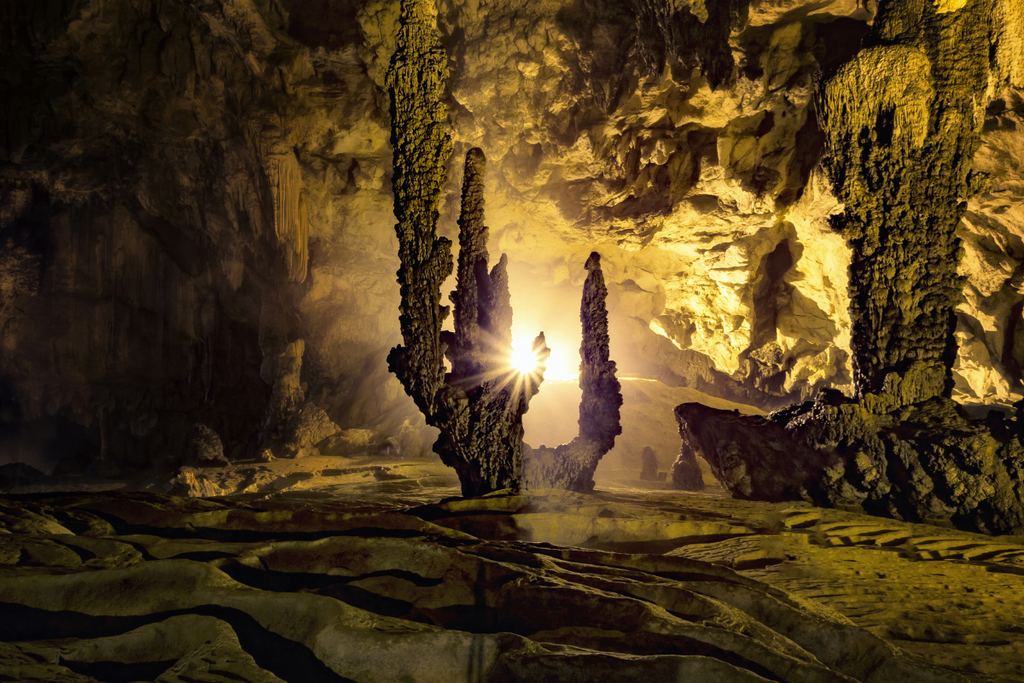
- Nguom Ngao Cave: Just a few kilometres from Ban Gioc, this limestone cave features impressive chambers and stalactite formations. Its name means Tiger Cave in the Tay language, and the main visitor route takes around 45–60 minutes.
- Khuoi Ky Stone Village: Walk through this Tay village and see traditional stone stilt houses with tiled roofs. The village also offers a glimpse into local architecture and everyday life.
- Thang Hen Lakes: Explore a collection of interconnected lakes surrounded by limestone mountains. Add this stop if you have another day to discover the wider geopark.
- Truc Lam Ban Gioc Pagoda: Climb the hillside to reach this pagoda, where you’ll get an elevated view of the surrounding valley and Ban Gioc Waterfall.
- Non Nuoc Cao Bang UNESCO Global Geopark: UNESCO recognised this vast landscape in 2018. Its routes connect geological formations, caves, historical sites, and local communities across the province.
How Much Does a Trip to Cao Bang Cost?
You won’t need a big daily budget for Cao Bang’s food and entrance fees. Set aside more for accommodation and transport, especially if you plan to visit Ban Gioc Waterfall and explore the surrounding villages.
| Expense | Budget Around | Approx. USD |
|---|---|---|
| Ban Gioc Waterfall entrance | ₫40,000 per person | $1.50 |
| Bamboo raft ride | ₫50,000 per person | $2 |
| Nguom Ngao Cave entrance | ₫45,000 per person | $2 |
| Budget guesthouse | ₫250,000–₫500,000 per room/night | $10–19 |
| Mid-range hotel | ₫600,000–₫1,200,000 per room/night | $23–46 |
| Local meal | ₫50,000–₫100,000 | $2–4 |
| Daily food budget | ₫150,000–₫300,000 per person | $6–12 |
| Motorbike rental | ₫150,000–₫250,000 per day | $6–10 |
Try local favourites such as banh cuon Cao Bang, steamed rice rolls served with a savoury broth; vit quay 7 vi, seven-flavour roast duck; and pho chua, a regional sour noodle dish. Budget around ₫150,000–₫300,000 ($6–12 USD) daily for three simple meals.
Where should you stay?
Choose Cao Bang City for easier access to restaurants, shops, and transport. Prefer spending less time travelling to Ban Gioc? Look for accommodation around Dam Thuy or Khuoi Ky, closer to the waterfall and Nguom Ngao Cave.
When Is the Best Time to Visit Cao Bang?
Cao Bang changes with the seasons, but September and early October make a particularly good time to visit. Ban Gioc Waterfall carries strong flows after the rainy months, and the rice fields around the mountains turn golden before harvest.
- August to October: Fuller waterfalls, lush mountain scenery, and rice harvest season.
- November to May: Drier weather and generally easier conditions for exploring, but less water at the falls.
If you’re travelling during the rainy season, keep an eye on local weather updates before heading out on mountain roads.
Mad Monkey Tip: Arrive at Ban Gioc early to enjoy the waterfall before the day-trip crowds arrive. Bring your passport and follow local instructions around the border area. Drone use may require special permission.

How Do You Get from Hanoi to Cao Bang?
Cao Bang is around 280–300 km from Hanoi, and the road journey takes approximately six to eight hours. You can travel by limousine van, sleeper bus, or private car, depending on your budget and schedule.
| Transport | Estimated journey | Typical fare |
|---|---|---|
| Limousine van | 5–7 hours | ₫350,000–₫520,000 per person ($13–20 USD) one way |
| Sleeper bus | 6–8 hours | ₫520,000–₫610,000 per person ($20–24 USD) one way |
| Private car | 5.5–8 hours | From ₫2,810,000 per vehicle ($108 USD) one way |
Not keen on spending the day on the road? An overnight sleeper bus lets you travel while you rest. If you’d rather take a daytime limousine, check the pickup location first, as not every operator departs from Hanoi’s Old Quarter.
Once you reach Cao Bang City, Ban Gioc Waterfall sits another 85 km away, roughly two to two and a half hours by road. You can rent a motorbike or hire a local driver.
Before trading Hanoi’s street food stalls and Old Quarter streets for Cao Bang’s mountain scenery, spend some time at Mad Monkey Hanoi. Located at 11 Mã Mây, this is one of Vietnam’s best hostels for travellers who want to experience the city’s social scene before heading further north.
Where to Explore Vietnam’s Incredible Phong Nha Cave?
After exploring northern Vietnam’s rice terraces and mountain villages, head south to Phong Nha for a completely different kind of adventure. Located in Quang Binh Province, Phong Nha is known for its limestone mountains, underground rivers, and vast cave systems within Phong Nha-Ke Bang National Park, a UNESCO World Heritage Site.
This is where you can cruise along an underground river, walk through enormous chambers filled with stalactites and stalagmites, or spend a full day exploring caves and jungle trails. Whether you prefer an easy cave visit or a more adventurous expedition, Phong Nha has plenty to add to your Vietnam itinerary.
And while the city beach is worth a visit, some of the best coastal scenery lies further north on the Phuong Mai Peninsula.
Which Caves Should You Explore in Phong Nha?
Not every cave experience is the same. Some are easy to visit independently, while others involve guided activities or multi-day expeditions. Here are four worth knowing about:
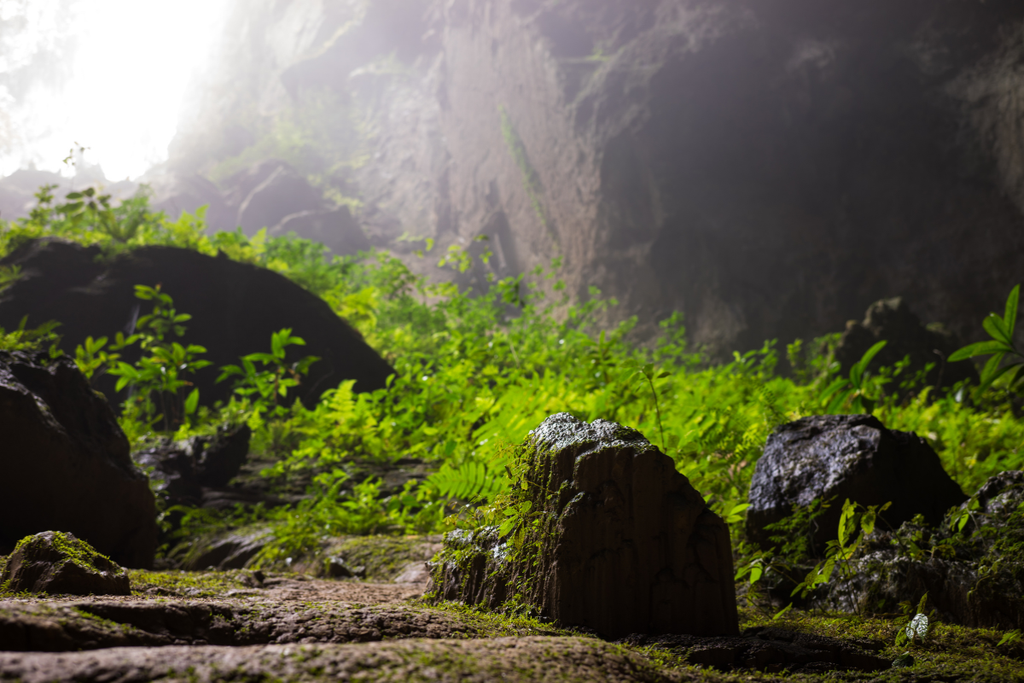
- Phong Nha Cave: Take a traditional boat along the Son River before entering the cave system, where you’ll see impressive limestone formations and sections of underground river.
- Paradise Cave: Known for its enormous chambers and dramatic stalactites, this cave features wooden walkways that let visitors explore its impressive interior.
- Dark Cave: For something more active, book an adventure involving ziplining, kayaking, swimming, and a natural mud bath. Available activities depend on the tour package.
- Son Doong Cave: One of the world’s largest known caves by volume, Son Doong offers a multi-day expedition through underground forests, enormous chambers, and unique cave landscapes. Access is limited and must be arranged through an authorised expedition operator.
How Much Do Phong Nha Cave Tours Cost?
A cave visit in Phong Nha could mean a short boat ride into an underground river or a full-day adventure involving ziplining, kayaking, and mud baths. The price depends on how far you want to take the experience.
Here’s what to budget for the main caves and activities:
| Cave or activity | Budget Around | Approx. USD |
|---|---|---|
| Phong Nha Cave entrance | ₫150,000 per person | $6 |
| Phong Nha Cave boat | ₫360,000 per boat (up to 12 people) | $14 |
| Paradise Cave entrance | ₫250,000 per person | $10 |
| Dark Cave adventure package | Around ₫450,000 per person | $17 |
| Son Doong expedition | Around ₫72,000,000 per person | $2,770 |
A few details can help you plan your cave-hopping budget:
- Phong Nha Cave: The boat fee is shared between passengers, so travelling with a group makes this visit more affordable.
- Paradise Cave: You can walk from the entrance or pay extra for an electric buggy. Inside, wooden walkways lead through enormous chambers filled with stalactites and stalagmites.
- Dark Cave: Budget for a package if you want to try the zipline, kayak through the river, or experience the mud bath. Activities vary by booking option.
- Son Doong: This is a serious expedition, not a casual afternoon visit. The multi-day trip includes specialist guides, camping, meals, and a support crew, with limited places available.
If you’re keeping costs down, Phong Nha Cave and Paradise Cave make a good starting point. Save Dark Cave for an activity-filled day, or Son Doong for a much bigger expedition.
What about food in Phong Nha?
You don’t need a big food budget to eat well here. Local restaurants serve Vietnamese staples alongside dishes from Quang Binh province. Look out for:
- Banh loc: Chewy tapioca dumplings filled with shrimp and pork, often wrapped in banana leaves.
- Chao canh: A hearty local noodle soup with thick noodles, fish, or other seafood.
- Fresh river fish: Often grilled or cooked with local herbs and served with rice.
Set aside around ₫150,000–₫300,000 ($6–12 USD) per day for local meals, depending on where you eat and what you order.
When Is the Best Time to Visit Phong Nha?
For cave exploring, February to August is generally the best time to visit Phong Nha. The drier months make it easier to explore the caves, follow jungle trails, and spend time outdoors. From September to December, heavier rainfall can raise river levels, disrupt boat trips, and temporarily close some caves.
Here’s what each season means for your trip:
- February to August: The best window for visiting Phong Nha Cave, Paradise Cave, and Dark Cave, as well as trekking and kayaking.
- September to December: Expect heavier rain and possible flooding. Some cave tours and river activities may be suspended depending on water levels.
Mad Monkey Tip: Don’t plan your entire Phong Nha itinerary around one cave tour. Rain can change conditions quickly, especially between September and December, so keep your schedule flexible and check with your tour operator before heading out.

How Do You Get to Phong Nha from Hoi An?
Travelling north from Hoi An to Phong Nha takes around 7–10 hours by direct sleeper bus. Alternatively, head to Da Nang Railway Station, take a train to Dong Hoi and arrange a road transfer for the final 40–45 km to Phong Nha.
From Hanoi to Phong Nha
An overnight sleeper bus is a convenient way to reach Phong Nha without breaking up the journey. Alternatively, take a train or flight to Dong Hoi, around 40–45 km away, then continue by road.
| Transport | Journey time | Typical Fare |
|---|---|---|
| Direct sleeper bus | 8–10 hours | ₫410,000–₫550,000 ($16–21 USD) |
| Train to Dong Hoi | 9.5–11 hours, plus transfer | From ₫580,000 ($22 USD) |
| Flight to Dong Hoi | Around 1 hour, plus transfer | Varies by date |
Heading south afterwards? Mad Monkey Hoi An, at 250 Cua Dai, is a convenient stop for exploring Hoi An’s Old Town and nearby beaches.
Why Should You Visit Quy Nhon on Your Vietnam Trip?
Continuing south through Vietnam, Quy Nhon brings another side of the country into view. Located along the south-central coast in Binh Dinh Province, this seaside city is known for its sandy beaches, fishing communities, rocky headlands, and seafood culture.
While Da Nang and Nha Trang attract larger tourist crowds, Quy Nhon has a more relaxed coastal atmosphere. It’s a place to spend the morning by the sea, stop for a freshly prepared seafood lunch, and explore the smaller communities that give this stretch of coastline its character.
What Are the Best Places to Visit in Quy Nhon?
The coastline around Quy Nhon has plenty to explore beyond the main city beach. Head towards the Phuong Mai Peninsula for clear-water bays and dramatic headlands, then make your way back into town for local food and a glimpse of the region’s Cham history.
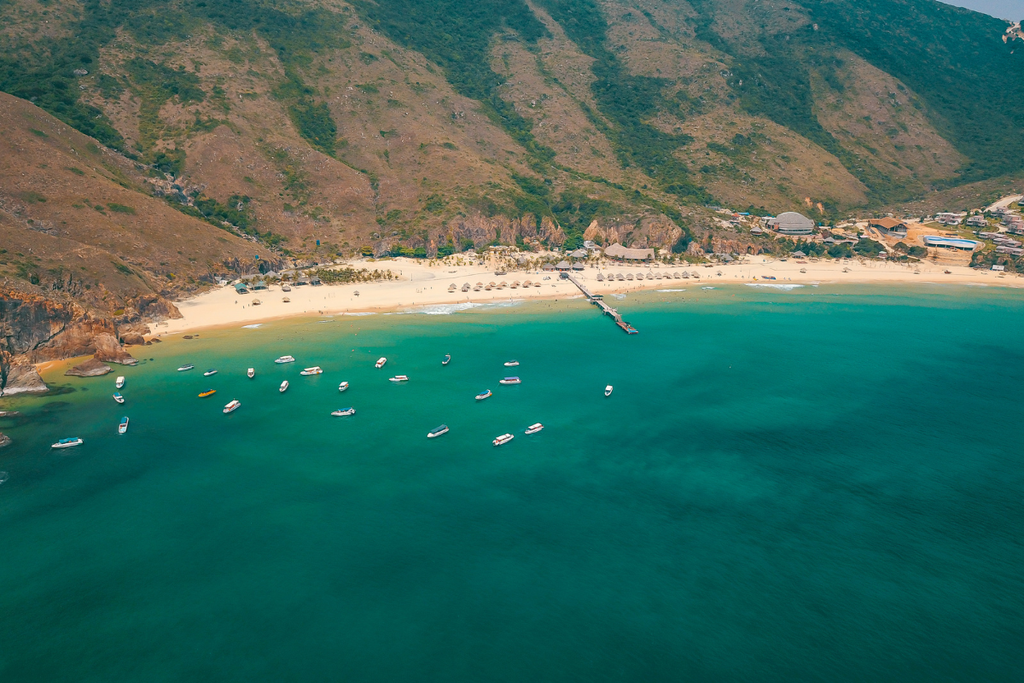
- Ky Co Beach: Around 25 km from the city centre, Ky Co is known for its curved shoreline, turquoise water and limestone surroundings. It’s a popular spot for swimming and relaxing by the coast. Reach it by road or arrange a speedboat from Nhon Ly.
- Eo Gio: Follow the coastal paths along this rocky headland for sweeping views of the South China Sea. The rugged cliffs and open sea make it a worthwhile stop, particularly in the cooler morning hours.
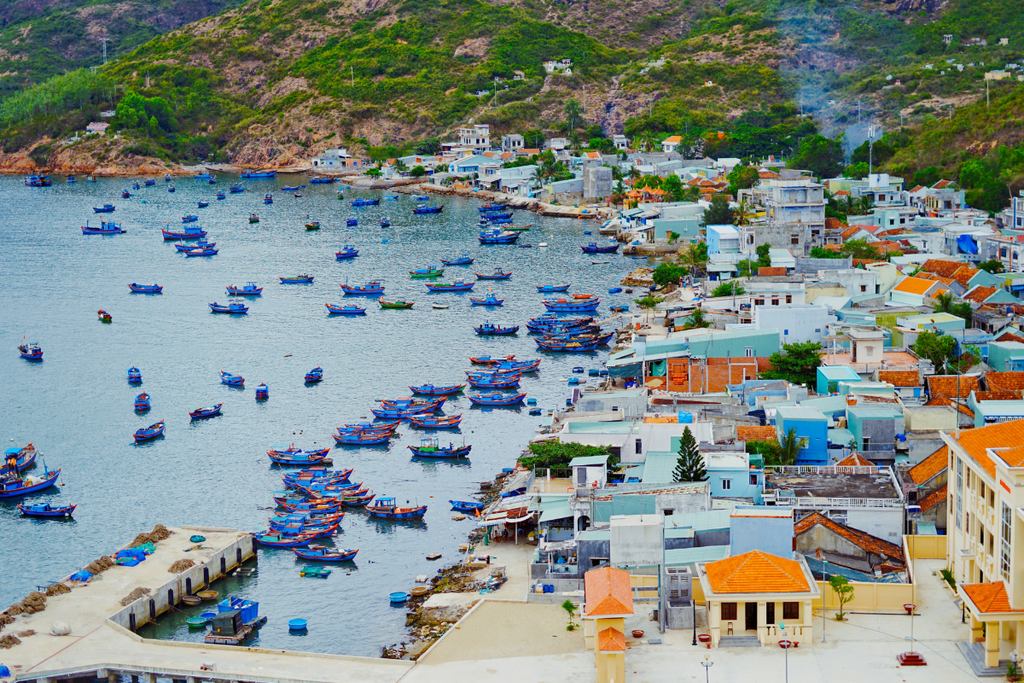
- Nhon Ly Fishing Village: Take a break from the beach and explore this seaside community. Fishing boats line the harbour, while local restaurants serve freshly prepared seafood. It’s also a departure point for boat trips to Ky Co.
- Thap Doi Cham Towers: Swap the coastline for a little history at these twin brick towers in Quy Nhon city. Built during the Champa period, they offer a closer look at the Cham architectural heritage of Binh Dinh.
How Much Should You Budget for Quy Nhon?
Quy Nhon can be an affordable coastal stop, especially if you stick to local restaurants and public beaches. However, boat trips, private transport, and organised excursions will add to your spending.
Here’s a rough breakdown of typical costs:
| Attraction or activity | Budget Around | Approx. USD |
|---|---|---|
| Quy Nhon City Beach | Free | Free |
| Ky Co Beach entrance | ₫30,000–₫100,000 per person | $1–4 |
| Eo Gio entrance | Around ₫30,000–₫50,000 per person | $1–2 |
| Thap Doi Cham Towers | Around ₫30,000 per person | $1 |
| Local seafood meal | ₫150,000–₫250,000 per person | $6–10 |
A few things to keep in mind:
- Ky Co Beach: Entry prices can vary depending on the access route and package. Boat transfers and other activities may cost extra.
- Eo Gio: Allow time to walk along the coastal viewpoints rather than treating it as a quick photo stop.
- Thap Doi Cham Towers: This is an easy cultural stop to add when exploring Quy Nhon city.
- Seafood: Prices depend on the type of seafood, portion size, and how it’s prepared. Check the price by weight before ordering.
For everyday meals, set aside around ₫150,000–₫300,000 (US$6–12) per day if you’re eating at local restaurants and trying a few regional dishes. Keep extra money aside if you plan to enjoy a seafood dinner or book a boat excursion.
What Local Food Should You Try in Quy Nhon?
Quy Nhon’s food scene is closely tied to its coastline and local ingredients. Fish, shrimp, fresh herbs, and rice-based dishes feature heavily on local menus, so there’s plenty to try between beach visits.
Look out for these regional favourites:
- Banh xeo tom nhay: Small, crispy Vietnamese pancakes filled with fresh shrimp. The name translates to jumping shrimp, referring to how fresh the shrimp are when cooked.
- Bun cha ca: A bowl of rice noodles served in a light fish broth with handmade fish cakes and fresh herbs. It’s a popular local breakfast.
- Banh hoi long heo: Fine, woven rice vermicelli served with pork, fresh herbs, and dipping sauce. It’s a regional speciality worth trying while in Binh Dinh.
- Fresh seafood: Grilled squid, clams, prawns and locally caught fish are regular features at coastal restaurants. Ask what was caught that day before ordering.
For a more local food experience, explore the restaurants and food stalls around Quy Nhon Market and the surrounding streets. Go earlier in the day if you want to try breakfast favourites like bun cha ca and banh hoi long heo.
When Is the Best Time to Visit Quy Nhon?
February to August is generally the better window for visiting Quy Nhon, with drier weather and more favourable conditions for beach trips and coastal excursions. March to August is particularly popular for swimming and boat activities, although summer weekends can get busy with domestic holidaymakers.
Here’s what to expect throughout the year:
- February to April: A good time for sightseeing and beach visits, with generally comfortable temperatures and less rain.
- May to August: Warmer, sunnier weather makes this a popular period for Ky Co Beach, Eo Gio and boat trips. Expect more visitors during school holidays.
- September to December: Rainfall increases, and rougher seas can affect boat transfers and coastal activities. Keep your itinerary flexible during these months.
Mad Monkey Tip: Planning a boat trip to Ky Co? Check sea conditions with your operator before setting off. A sunny morning doesn’t always mean calm water, and boat services can change depending on the weather.

How Do You Get to Quy Nhon from Hoi An?
Quy Nhon is around 250–290 km south of Hoi An, depending on your route and starting point. You can travel by direct bus or connect through Da Nang if you prefer taking the train.
From Hoi An to Quy Nhon
| Transport | Estimated journey | Typical fare |
|---|---|---|
| Direct sleeper bus or limousine | 5.5–7 hours | ₫400,000–₫1,100,000 per person ($15–42 USD) |
| Train from Da Nang to Dieu Tri | 5–6.5 hours, plus transfers | From around ₫230,000 per person ($9 USD) |
| Private car | 4–5.5 hours | Around ₫4,000,000–₫5,000,000 per vehicle ($154–192 USD) |
A direct bus is the simplest option if you want to avoid changing transport along the way. If you’d rather travel by train, take a taxi or transfer from Hoi An to Da Nang Railway Station, then board a southbound train to Dieu Tri Station, around 10–16 km from Quy Nhon city centre. From there, continue by taxi or local transfer.
The train journey offers a chance to enjoy Vietnam’s coastal and countryside scenery, while a private car gives you more flexibility to stop along the way.
Making Hoi An a stop along the way? Spend a few nights at Mad Monkey Hoi An before continuing south. It’s a chance to meet fellow backpackers, join the social events, share travel plans, and find people to explore the Old Town or nearby beaches with.
How to Fit These Four Destinations Into Your Vietnam Backpacking Itinerary
These four destinations take you beyond Vietnam’s usual backpacker route, but they aren’t all next door to each other. You’ll need to plan around a few longer journeys, particularly in the north, where Pu Luong and Cao Bang sit in different directions from Hanoi.
Starting in Hanoi? Explore the northern countryside first, return to the capital, then continue south towards Phong Nha, Hoi An and Quy Nhon.
Suggested Vietnam route:
| Stop | Suggested time | What to do |
|---|---|---|
| Hanoi | 2 nights | Explore the Old Quarter, try local food and get ready for the northern route |
| Pu Luong | 2 nights | Trek through rice terraces, visit local villages and see Hieu Waterfall |
| Cao Bang | 3 days | Visit Ban Gioc Waterfall, Nguom Ngao Cave and Khuoi Ky Stone Village |
| Hanoi | 1 night | Return to the capital before continuing south |
| Phong Nha | 2–3 days | Explore the caves, rivers and trails around Phong Nha-Ke Bang National Park |
| Hoi An | 2–3 nights | Wander the Old Town, explore the food scene and visit nearby beaches |
| Quy Nhon | 2–3 days | Spend time at Ky Co Beach, explore Eo Gio and try the local seafood |
Allow around 16–20 days for this route, including travel between destinations. Your actual journey time will depend on bus schedules, transfers, and whether you choose to fly or travel overland.
Only Have a Week or Two?
You don’t need to squeeze every destination into one trip. Choose the region that interests you most and give yourself enough time to explore it.
- Got a week in northern Vietnam? Combine Hanoi with Pu Luong and Cao Bang for mountain scenery, village walks and waterfalls.
- Exploring central Vietnam? Pair Phong Nha with Hoi An for cave adventures, countryside and a few days by the coast.
- Want a longer coastal route? Continue south from Hoi An to Quy Nhon for quieter beaches, fishing villages and local seafood.
Give yourself room to slow down, explore beyond the itinerary and discover the places that make Vietnam worth travelling through.
Ready to Explore Beyond Vietnam’s Usual Backpacker Route?
From the rice terraces of Pu Luong and the waterfalls of Cao Bang to the cave systems of Phong Nha and the coastline of Quy Nhon, these destinations reveal a different side of Vietnam.
You’ll find mountain villages, underground rivers, regional food traditions, and coastal communities, each with a rhythm of its own. You don’t need to fit them all into one trip. Choose the route that suits your time, leave room for a few detours, and enjoy getting to know the places along the way.
And when it’s time to find your base along the way, Mad Monkey Hanoi and Mad Monkey Hoi An are two of the best hostels in Vietnam that are perfect for your adventure. Expect a lively social scene, events that bring travellers together, new friendships, and the kind of spontaneous plans that often become the best travel stories. Whether you’re kicking off your adventure in the north or making your way through central Vietnam, there’s a little more to discover when you stay at Mad Monkey.
Frequently Asked Questions
Pu Luong: Rice terraces, village trekking and mountain scenery.
Cao Bang: Ban Gioc Waterfall, limestone landscapes and traditional stone villages.
Phong Nha: Underground rivers, enormous cave systems and jungle adventures.
Quy Nhon: Quieter beaches, coastal viewpoints, fishing villages and regional seafood.
Yes, you can visit all four independently, but transport takes more planning than travelling between major Vietnamese cities. Sleeper buses and trains connect several parts of the route, while remote attractions may require a motorbike, private driver, or local tour.
For Pu Luong and Cao Bang, consider arranging transport to villages and attractions in advance. In Phong Nha, check cave access and tour availability before travelling. Quy Nhon is easier to explore with a combination of local taxis and organised coastal excursions.
The ideal travel window varies by destination, so consider what you want to experience:
Pu Luong: Visit in late May or June for green rice terraces, or September to early October for golden harvest scenery.
Cao Bang: August to October generally brings stronger water flows at Ban Gioc Waterfall.
Phong Nha: February to August is generally better for cave exploration and outdoor activities. Heavy rain from September onwards can affect access.
Quy Nhon: March to September is generally favourable for beach trips and coastal activities, although conditions vary throughout the season.
Yes. You can travel independently from Cao Bang City to Ban Gioc Waterfall by motorbike or private vehicle. The journey takes approximately two to two-and-a-half hours each way. Having your own transport gives you more flexibility to stop at Nguom Ngao Cave and Khuoi Ky Stone Village along the route.
If you aren’t comfortable riding a motorbike, arrange a private driver.
These destinations can be more affordable for everyday meals and some activities, especially outside major tourist areas. However, transport to remote attractions, private drivers, and guided excursions can add to your budget. So, before choosing your route, compare the overall travel costs, including transfers and activities, rather than looking at accommodation and food alone.
Pin Now. Read Later.