




Contents
TL;DR
- Your daily budget: Set aside around $32 USD a day for either country if you’re travelling socially, staying in dorms, eating out, and fitting in a few activities.
- Cambodia is your pick if: You want to explore Angkor Wat, get into Khmer food and history, spend time in riverside towns, and finish with a few days on the islands.
- Laos is your pick if: You’re more into mountain views, waterfall swims, river boat rides, village stays, and getting outdoors.
- The Cambodia route: Phnom Penh → Siem Reap → Kampot → Koh Rong → Koh Sdach. A mix of history, food, temples, and island time.
- The Laos route: Luang Prabang → Nong Khiaw → Muang Ngoi → Vang Vieng. Think waterfalls, mountain hikes, river journeys, and outdoor adventures.
- How much time should you allow? Give Cambodia around two weeks to cover the main stops. For northern Laos, 10 days is a good starting point, though a few extra days will let you slow things down.
- See more of Cambodia and Laos with Mad Monkey: Want the route sorted without spending hours figuring out buses, beds, and what to do next? Join the Mad Monkey 14-day Cambodia All-In Trip from ៛2,652,000 ($650 USD) or the Mad Monkey 10-day Laos All-In Trip from ₭9,028,310 ($400 USD). Accommodation, transport, and selected experiences are taken care of, leaving you more time to explore, meet people, and enjoy the ride.
What Are the Best Places to Visit in Cambodia for Backpackers?
Cambodia backpacking route: Phnom Penh → Siem Reap → Kampot → Koh Rong → Koh Sdach.
Cambodia is a good one for travellers who don’t want to spend their entire trip doing the same thing. You have a capital city with a complicated history, ancient Khmer architecture, countryside food experiences, and a coastline dotted with islands.
The route takes you from Phnom Penh to Siem Reap before heading south towards Kampot and the islands. It’s a decent introduction to the country without trying to squeeze every destination into one trip.
What to Do in Phnom Penh, Cambodia?
Give Phnom Penh more than a quick overnight stop before Siem Reap. Cambodia’s capital is busy, a little gritty around the edges, and full of stories that help you understand the country beyond its famous temples.
A few Phnom Penh stops worth adding to your route:
- Tuol Sleng Genocide Museum (S21): A former school turned prison, now a museum documenting the Khmer Rouge’s brutal rule.
- Choeung Ek Genocidal Center: A memorial site outside the city that offers further insight into Cambodia’s tragic recent history.
- Royal Palace: A striking example of traditional Khmer architecture. Check visiting hours before heading over.
- Central Market: A lively market known for its distinctive Art Deco building, jewellery, clothes and local goods.
- Sisowath Quay: Best explored towards sunset, when the riverside fills with people walking, eating and catching up.
- Mekong sunset cruise: A different view of the capital from the water, where the Mekong and Tonlé Sap meet.
Start with Tuol Sleng Genocide Museum (S21) and Choeung Ek Genocidal Center. Both sites tell the story of the Khmer Rouge regime, when nearly two million people died through execution, forced labour, starvation, and disease. It’s heavy stuff, so don’t squeeze both visits between breakfast and your next bus. Take your time, listen to the stories, and understand the history behind what you’re seeing.
A visit to both sites won’t cost a fortune, but remember to leave room in your daily budget. Entry to Tuol Sleng Genocide Museum (S21) is ៛20,400 ($5 USD), with another ៛20,400 ($5 USD) if you want the audio guide. Choeung Ek admission is around ៛24,480 ($6 USD), including an audio guide. You can get tickets at the entrances, so there’s no need to book an elaborate tour just to visit.
Choeung Ek is outside the city, so budget around ៛60,000–82,000 ($15–20 USD) for a return tuk-tuk with waiting time. If you’re using Grab or PassApp, you may find cheaper fares by booking separate rides, but you’ll need to arrange your return journey yourself.
When you’re ready for a change of pace, head towards Sisowath Quay. Grab something to eat, wander along the riverfront, or find a spot to watch the boats move along the Tonlé Sap. The Royal Palace is nearby, and Central Market is worth a look if you’re after local snacks, souvenirs, or a bit of market browsing.
You can explore Sisowath Quay and Central Market without paying an entrance fee, so save some of your spending money for the food stalls, cafés, and market finds instead.
For your Phnom Penh budget:
- S21 admission: ៛20,400 ($5 USD)
- S21 audio guide: ៛20,400 ($5 USD)
- Choeung Ek admission: approximately ៛24,480 ($6 USD)
- Royal Palace: approximately ៛40,800 ($10 USD)
- A few Phnom Penh stops worth adding to your route:
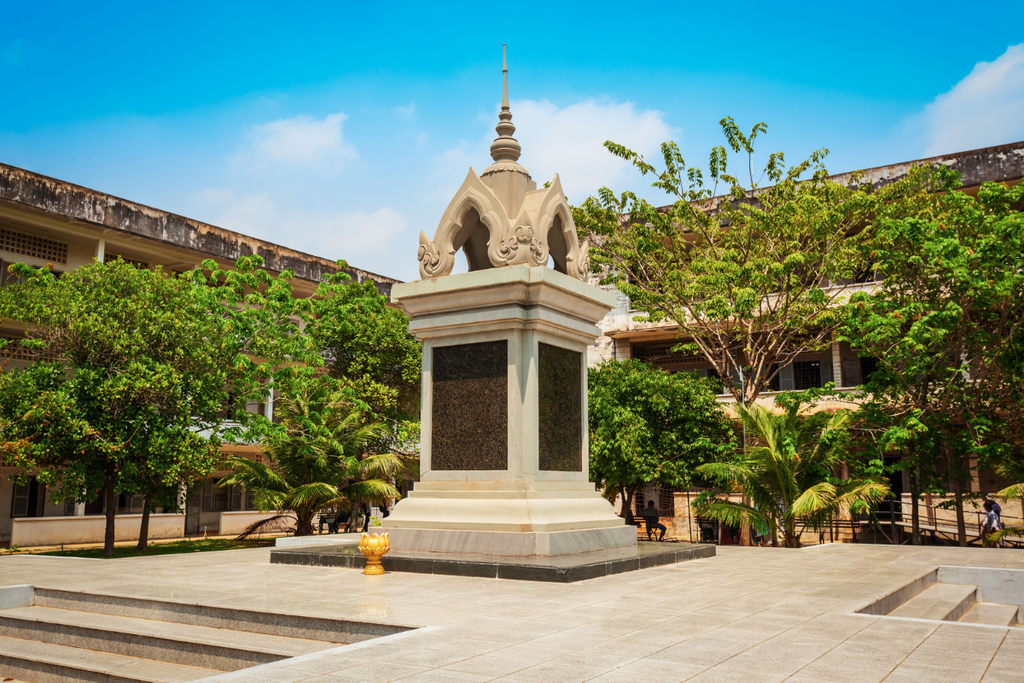
Mad Monkey Tip: Dress modestly when visiting temples and memorial sites. At places like S21 and Choeung Ek, take time to learn the stories, respect the memorial spaces and remember the people whose lives are being honoured.
What to See in Siem Reap: Angkor Wat and Tonlé Sap
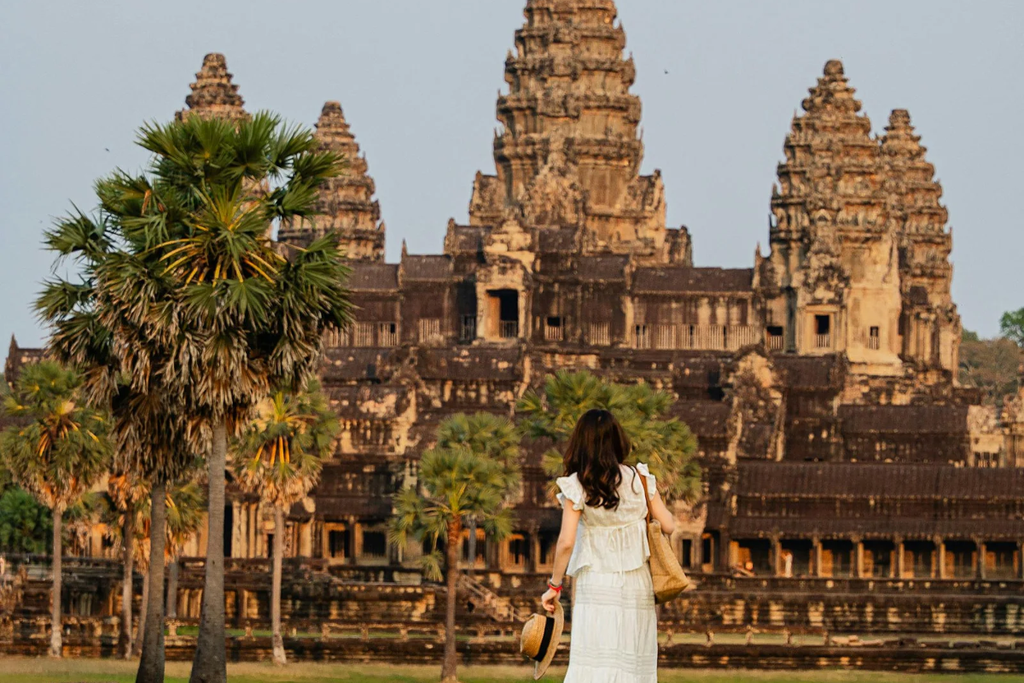
Let’s be honest, Angkor Wat is probably already on your Cambodia bucket list. And yes, the sunrise is worth the early alarm, even if getting out of bed feels like a personal attack at 4 AM.
But Siem Reap has more to offer than one famous temple. The Angkor Archaeological Park covers a huge area filled with the remains of the Khmer Empire, which ruled much of mainland Southeast Asia between the 9th and 15th centuries.
Don’t leave Siem Reap without:
- Angkor Wat sunrise: The classic experience. Get there early and allow time to explore beyond the main reflection pool.
- Bayon Temple: Look out for the famous stone faces carved into its towers.
- Ta Prohm: One of Angkor’s most recognisable temples, with tree roots growing through its ancient ruins.
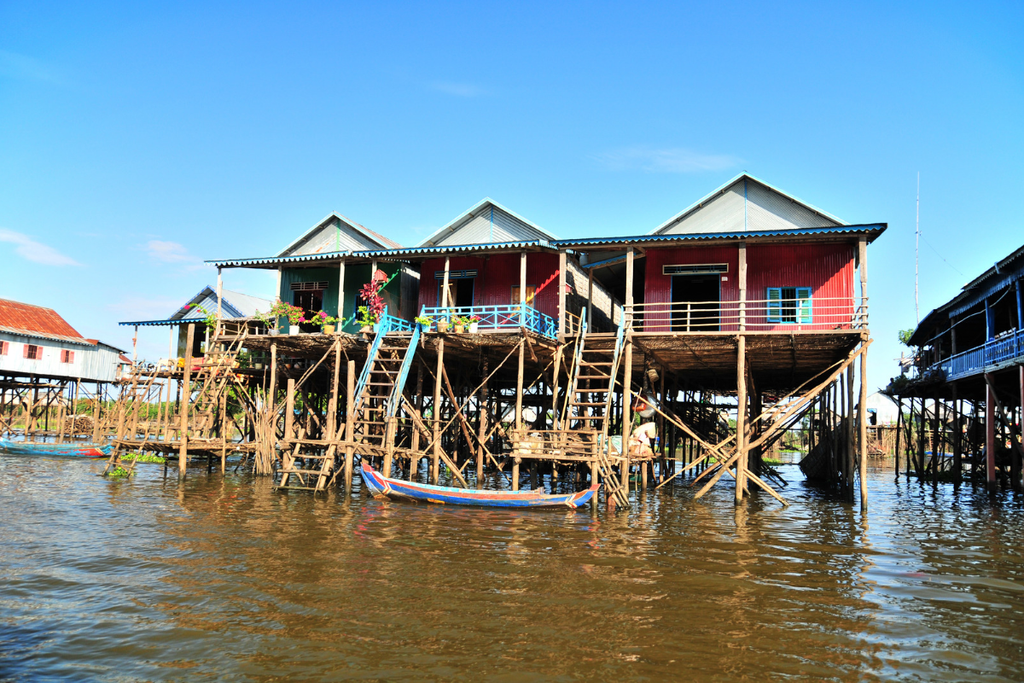
- Tonlé Sap floating village: Learn how communities live and work around the lake.
- Old Market (Psar Chas): A good stop for local produce, Cambodian snacks, and souvenir browsing.
Mad Monkey Reminder: Angkor is an active sacred heritage site, so dress with your shoulders and knees covered when visiting the temples. Stick to marked pathways, help protect the ancient structures and give worshippers space. Before your visit, check the official Angkor visitor guidelines and get your entry pass through Angkor Enterprise.
Start with Angkor Wat, then make time for Bayon Temple, known for its enormous carved stone faces, and Ta Prohm, where tree roots have grown around centuries-old stone structures. Each temple has its own story, so don’t rush through the complex just to collect photos.
Once you’ve had your fill of temple exploring, head beyond the city to Tonlé Sap. A boat excursion to one of the lake’s floating villages offers a glimpse into communities whose daily lives are shaped by fishing, seasonal flooding, and the lake’s changing water levels. Tonlé Sap is also one of Southeast Asia’s most important freshwater ecosystems, supporting a huge variety of wildlife and local livelihoods.
How much should you budget for Angkor Wat?
Here’s where you’ll want to plan ahead. The Angkor Pass is a separate expense, and you can’t simply turn up at the temple entrance and expect to get in.
- 1-day pass: ៛150,960 ($37 USD)
- 3-day pass: ៛252,960 ($62 USD)
- 7-day pass: ៛293,760 ($72 USD)
Buy your ticket through the official Angkor Enterprise website or at the Angkor Ticket Office on Road 60 in Siem Reap. If you’re only doing the sunrise and a few major temples, the one-day pass should cover your visit. Planning to explore more of the complex? The three-day pass gives you more breathing room.
And what about Tonlé Sap?
Keep a little extra in your budget for a boat trip. Prices vary depending on the floating village, boat operator, and whether transport from Siem Reap is included. Before handing over your money, check exactly what’s covered. Some trips include hotel pick-up and a guide, while others charge separately.
Backpacker budget check: Your Angkor Pass is the big fixed cost here. Add transport around the temple complex, food and a Tonlé Sap excursion, and you’ll have a more realistic idea of what your Siem Reap days will cost.
Back in town, Siem Reap has plenty of ways to spend the evening. Browse the Old Market (Psar Chas) for local snacks and souvenirs, find a Khmer restaurant or settle into one of the cafés around the Old French Quarter.
What to Do in Kampot: Pepper Farms and Khmer Food Culture
Kampot is where the Cambodia route takes a breath.
A few Kampot experiences worth adding to your route:
- La Plantation pepper farm: Self-guided visits start at around ៛10,200 ($2.50 USD) per person. The ticket doubles as a voucher for the farm shop, restaurant, or Spice Bar.
- Getting to La Plantation: Budget around ៛61,200–102,000 ($15–25 USD) for a return tuk-tuk from Kampot. Agree on the fare and waiting time before leaving town.
- Khmer cooking class: Expect around ៛81,600–102,000 ($20–25 USD) per person, depending on the class. Check Kampot Seafood & Pepper or Eco Lotus Kampot for availability and inclusions.
- Kampot riverside: Free to wander. Save your money for a local meal, a coffee or a cold drink by the river.
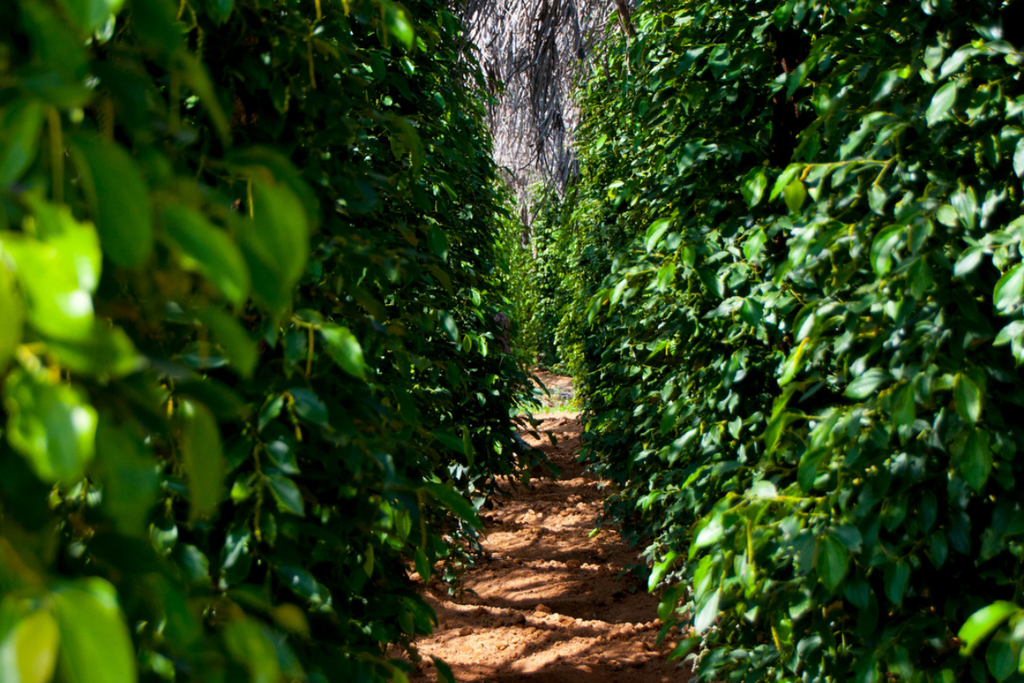
This riverside town in southern Cambodia is known for its pepper plantations, colonial-era architecture, and slower pace of life. It’s a good place to spend a couple of days away from the busier tourist circuit.
And yes, the pepper really is worth making a trip for. Kampot pepper has a reputation among chefs around the world, thanks to its distinctive flavour and growing conditions. Head out to La Plantation, about 15 kilometres from town, to see the pepper vines, learn how the different varieties are processed and, naturally, try a few samples. There’s a farm shop and restaurant too, so you can pick up a packet to take home if you don’t mind giving your backpack another job.
Food is another reason to stay. Khmer cooking uses fresh herbs, spices, and fermented ingredients that give Cambodian dishes their distinct flavour. A cooking class is a good way to get familiar with those ingredients, especially if you’ve been ordering the same few dishes throughout your trip.
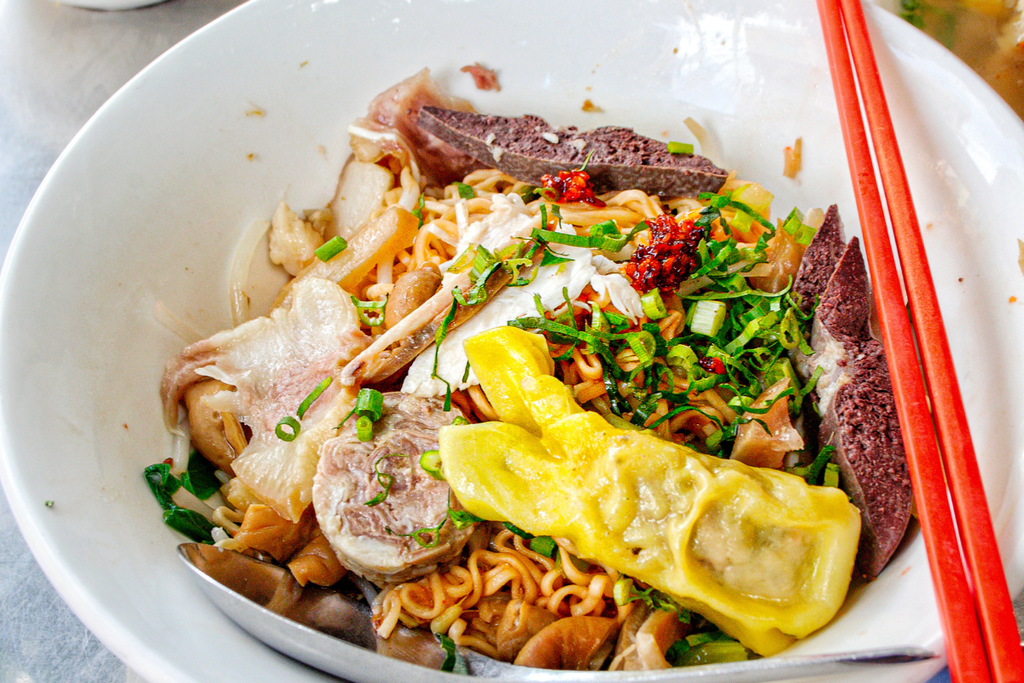
And when you’ve had enough exploring, head back towards the river. Kampot is made for slow afternoons, cheap eats, and finding a café you end up visiting twice.
Mad Monkey Tip: Take a little taste of Kampot home with you. Pick up locally grown pepper directly from a plantation and support the farmers behind one of Cambodia’s best-known culinary exports.
What to Do in Koh Rong: Beaches and Island Activities
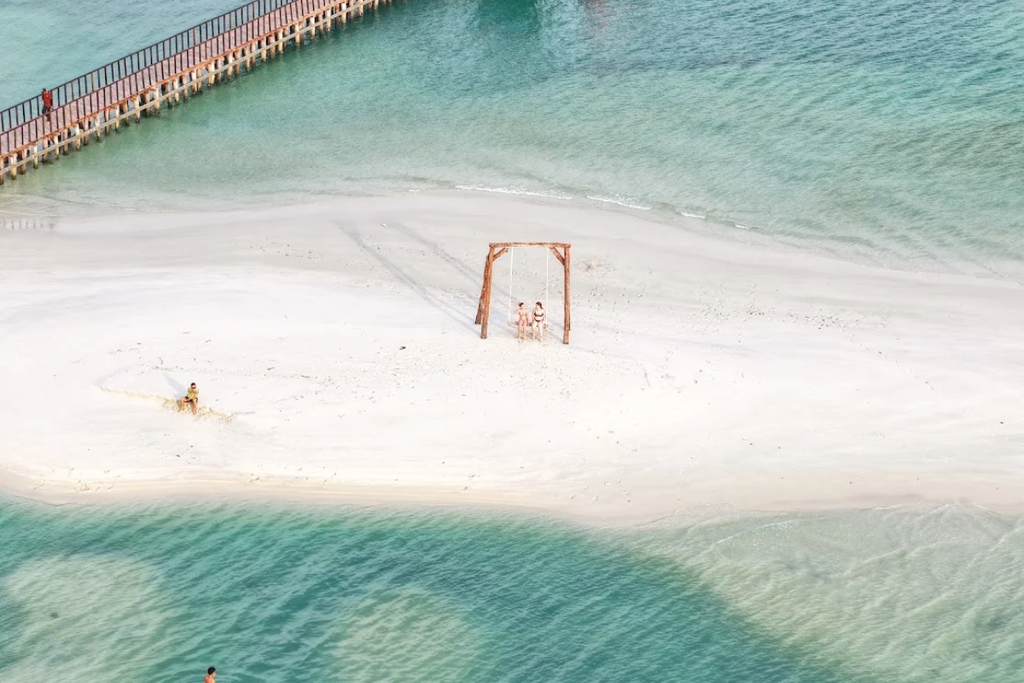
After the mainland, it’s time for some saltwater. Koh Rong is one of Cambodia’s best-known island destinations, with long sandy beaches, clear water, and a backpacker scene that gives the island plenty of social energy.
A few Koh Rong experiences worth adding to your route:
- Long Set Beach: One of Koh Rong’s easy beach stops. Spend the afternoon swimming, sunbathing, or grabbing a cold drink by the shore. No entrance fee needed.
- Kayaking and snorkelling: Rent a kayak for around ៛20,000–40,000 ($5–10 USD) per hour, or join a snorkelling trip for roughly ៛40,800–122,400 ($10–30 USD), depending on the operator and what’s included.
- Koh Rong boat party: Spend a day out on the water, swimming, snorkelling, and exploring Koh Rong’s coastline with Mad Monkey Koh Rong Boat Party while enjoying music and meeting fellow backpackers.
- Nestival: Usually held on Saturdays at Nest Beach Club on Long Set Beach. Check the latest event details before making plans.
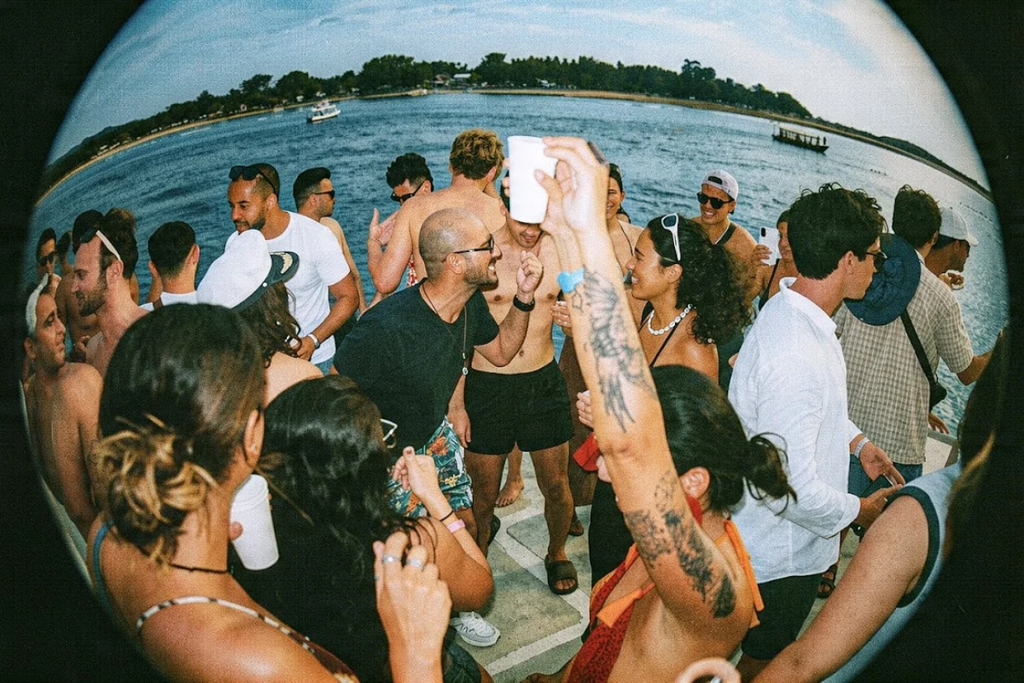
Long Set Beach is a good place to start. Spend the afternoon swimming, grab something to eat or rent a kayak and explore a little further along the coastline. You don’t need to book an expensive excursion to enjoy the island. Sometimes the best plan is finding a decent patch of sand and staying there until sunset.
Getting to Koh Rong is part of the budget, though. Ferries from Kampot start at around ៛61,200 ($15 USD) one way, depending on the operator and departure. Check your travel date through 12Go or book directly with the ferry company.
Mad Monkey Tip: Bring enough cash for beach bars, food stalls and smaller activity rentals. Island businesses don’t all accept cards, and you’ll want some spare cash for the ferry back to the mainland.
What to Do in Koh Sdach, Cambodia?
Koh Sdach is a small fishing island in Cambodia’s Koh Kong Province, where the days revolve around the sea and exploring the surrounding islands. Don’t expect a packed sightseeing schedule here. The draw is getting out on the water, meeting other travellers and having a few days away from the busier backpacker stops.
Getting there takes a little planning. From Phnom Penh, take a bus towards Kiri Sakor and arrange a boat transfer to the island with your accommodation. From Sihanoukville, the Buva Sea speedboat is a direct option, with tickets from ៛110,160 ($27 USD) one way.
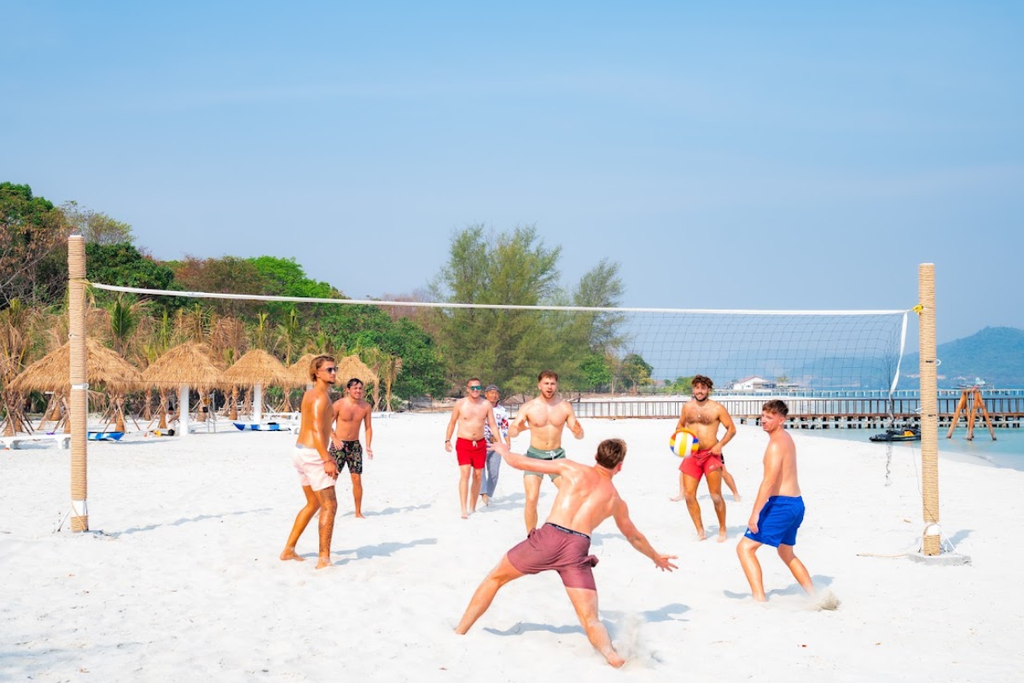
A few Koh Sdach experiences worth adding to your route:
- Island snorkelling and fishing trip: Head out around midday for a four-hour boat trip around the islands, with time for snorkelling and fishing.
- Private beach: Spend the afternoon swimming, playing volleyball, relaxing by the water, or enjoying some downtime on the island’s private beach.
Mad Monkey Tip: Keep some Cambodian riel handy for locally arranged activities. Before heading out on a boat excursion, agree on the price, what’s included and your return time. It’s much easier to sort that out on land than when you’re already out on the water.
What Are the Best Places to Visit in Laos for Backpackers?
Laos backpacking route: Luang Prabang → Nong Khiaw → Muang Ngoi → Luang Prabang → Vang Vieng.
Laos is a different kind of backpacking trip. Instead of moving between historical cities and tropical islands, you’ll find yourself travelling through mountain landscapes, following rivers and spending time in smaller communities.
Northern Laos is particularly rewarding if you’re into outdoor activities, but there’s more to it than hiking and waterfalls. The country’s Buddhist heritage, traditional food and village life are all part of the experience.
What to Do in Luang Prabang: Temples, Markets and Kuang Si Falls
Luang Prabang is one of those places where it’s worth slowing down. Set between the Mekong and Nam Khan rivers, the UNESCO-listed town has golden Buddhist temples, French colonial architecture, traditional markets and a café culture that makes wandering around particularly enjoyable.
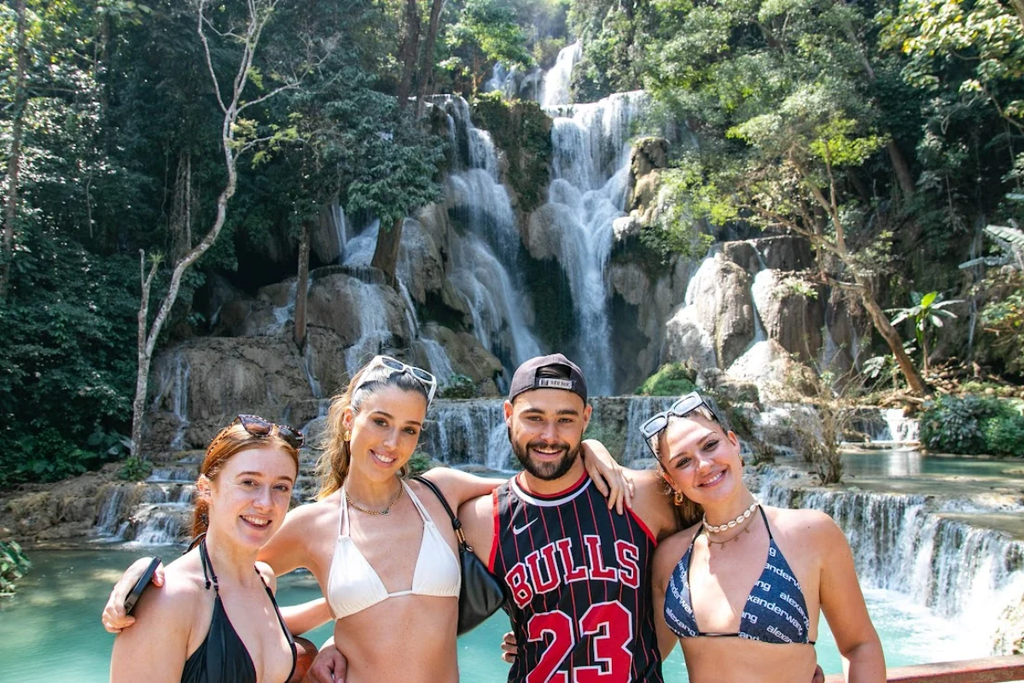
A few Luang Prabang experiences worth adding to your route:
- Kuang Si Falls: Entry fee is around ₭100,000 ($4.43 USD), with shared transport from town costing roughly ₭60,000 ($2.66 USD) per person. Go early to enjoy the falls before the day-trip crowds arrive. If you’re travelling with a few people, splitting a private tuk-tuk can work out cheaper.
- Wat Xieng Thong: Entry fee is around ₭60,000 ($2.66 USD). Set aside time to explore the temple’s carved wooden details, colourful mosaics, and traditional architecture. It’s an easy walk from other Old Town sights.
- Royal Palace Museum: Entry costs around ₭200,000 ($8.86 USD) for international visitors. Formerly the royal residence, it’s a good stop for learning about Laos’ monarchy, history, and cultural heritage.
- UXO Centre: Free entry, with donations welcome. The exhibits explain how unexploded ordnance continues to affect rural communities across Laos. Give yourself time to take it in.
- Luang Prabang Night Market: Free to browse, with Lao snacks, textiles and handmade goods filling the streets each evening. Bring cash, go hungry, and look beyond the first few stalls for local finds.
Start with the Old Town, where Wat Xieng Thong is one of the standout temple complexes. If you’re interested in the city’s history, the Royal Palace Museum and UXO Centre offer more context about Laos and its recent past.
Then there’s Kuang Si Falls, a short trip outside town. Its turquoise pools and forest surroundings make it one of northern Laos’ most popular natural attractions. Bring your swimwear if conditions and access allow.
Back in town, the Night Market is worth an evening visit for Lao snacks, textiles and handmade products.
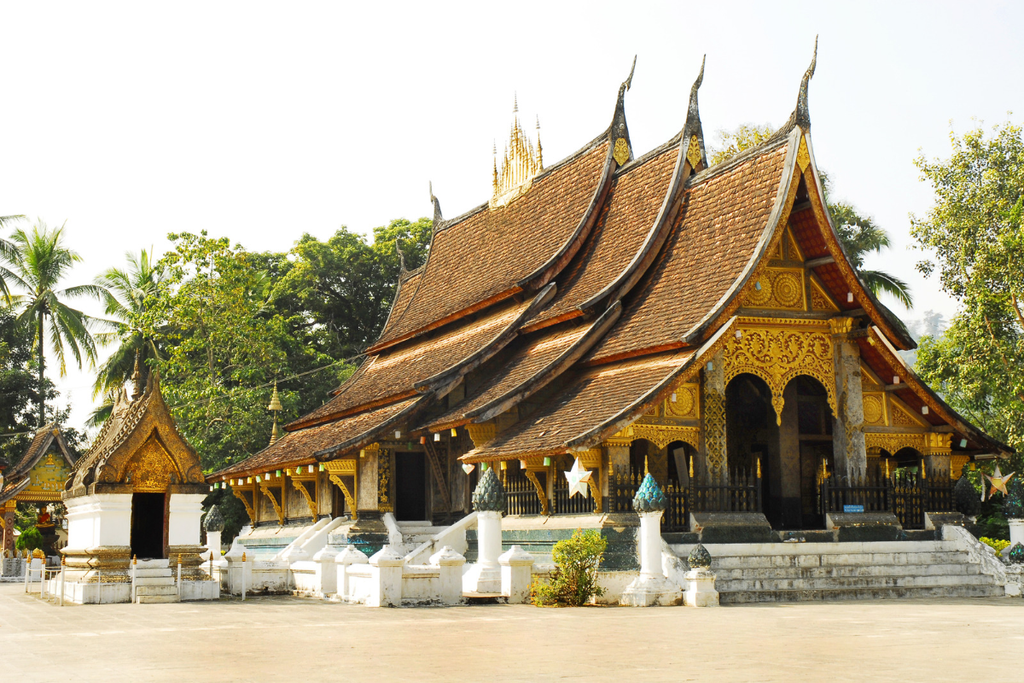
One cultural experience you may encounter here is Sai Bat, the traditional morning alms-giving ceremony.
A little cultural insight: Sai Bat is an important part of daily Buddhist life in Luang Prabang. Visitors are welcome to observe the morning ceremony respectfully. Dress modestly, keep a little distance from the monks, stay quiet and avoid flash photography. If you’d like to take part in the offering, learn the proper etiquette beforehand and follow local guidance. Read the local visitor guidance.
What to Do in Nong Khiaw: Mountain Hiking and Camping
From Luang Prabang, head north to Nong Khiaw, a small town surrounded by limestone mountains and the Nam Ou River.
A few Nong Khiaw experiences worth adding to your route:
- Nong Khiaw viewpoint hike: Head up to Pha Daeng Peak for views over the Nam Ou River and surrounding limestone mountains. The entrance fee is around ₭20,000 ($0.89 USD). Bring water and shoes with a good grip because the climb is steep. Tourism Laos
- Nam Ou River: Take in the views from the bridge or arrange a boat trip along the river. A shared boat to Muang Ngoi costs around ₭25,000–50,000 ($1.11–2.22 USD) one way. You can also split a private boat with other travellers. getfromto.com+1
- Local museum: Stop by to learn more about Nong Khiaw’s history and the region’s past. Check the entrance fee locally, as a reliable current price isn’t widely published.
- Mountain camping: Spend a night at a mountain campsite, with a trek, sunset views, and sunrise over the surrounding peaks. Independent overnight camping tours start at around $30 USD (₭676,950) per person, depending on the package and inclusions.
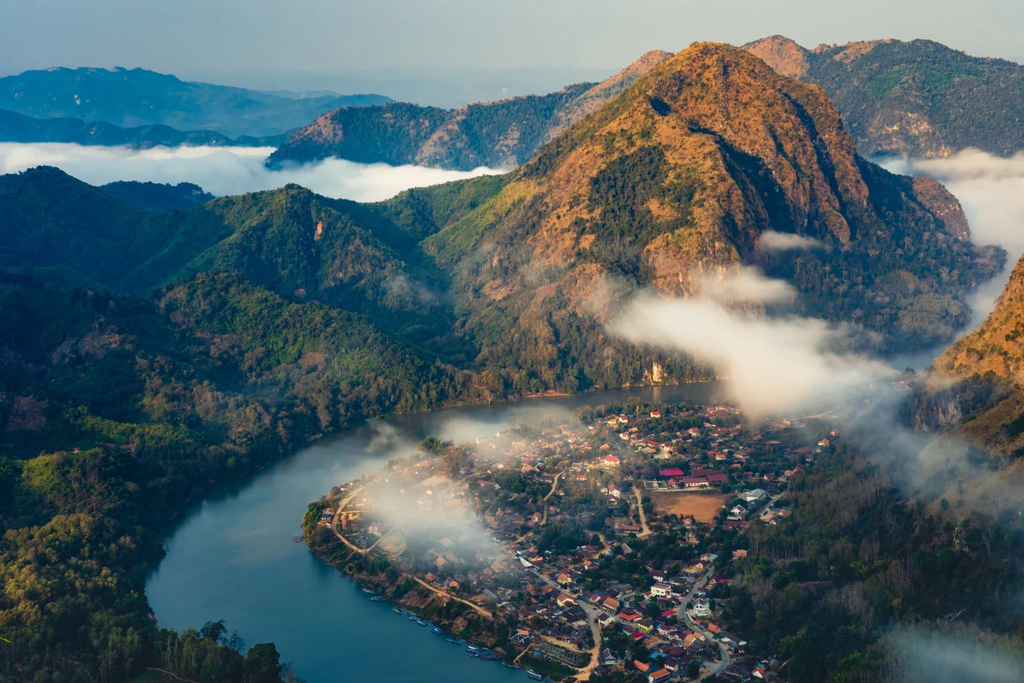
Getting there: Shared local buses and minivans from Luang Prabang take around three to four hours. Local bus fares can start at approximately ₭50,000 ($2.22 USD), while pre-booked tourist minivans generally cost around $8–13 USD (₭180,520–293,345). Check the departure station and whether hotel pick-up is included before booking.
What to Do in Muang Ngoi: Village Life and River Journeys
Muang Ngoi is one of the quieter stops on the Laos route, and getting there is part of the experience.
A few Muang Ngoi experiences worth adding to your route:
- Nam Ou River boat journey: The ride from Nong Khiaw takes around an hour and costs roughly ₭25,000–40,000 ($1.11–1.77 USD) per person, one way. Grab a window seat if you can. The limestone scenery along the river is part of the journey.
- Khmu village visit: Visit a nearby Khmu community with a local guide and learn about everyday village life and traditions. Set aside around ₭50,000–100,000 ($2.22–4.43 USD) per person for a shared visit, depending on the group and what’s included.
- Waterfall excursion: Combine a village visit with a walk to a nearby waterfall. Budget around ₭30,000–60,000 ($1.33–2.66 USD) for local access fees, excluding additional boat or guide costs. Pack your swimwear if swimming is allowed.
- Muang Ngoi viewpoint: Fancy a bit of a climb? Follow the trail through the surrounding countryside for views across the village and limestone mountains. Allow around ₭10,000–20,000 ($0.44–0.89 USD) for a possible trail fee, and bring water for the hike.
- Village homestay: Spend a night with a local host and experience everyday life beyond the usual guesthouse circuit. Budget around ₭100,000–200,000 ($4.43–8.86 USD) per person, depending on the room and whether meals are included.
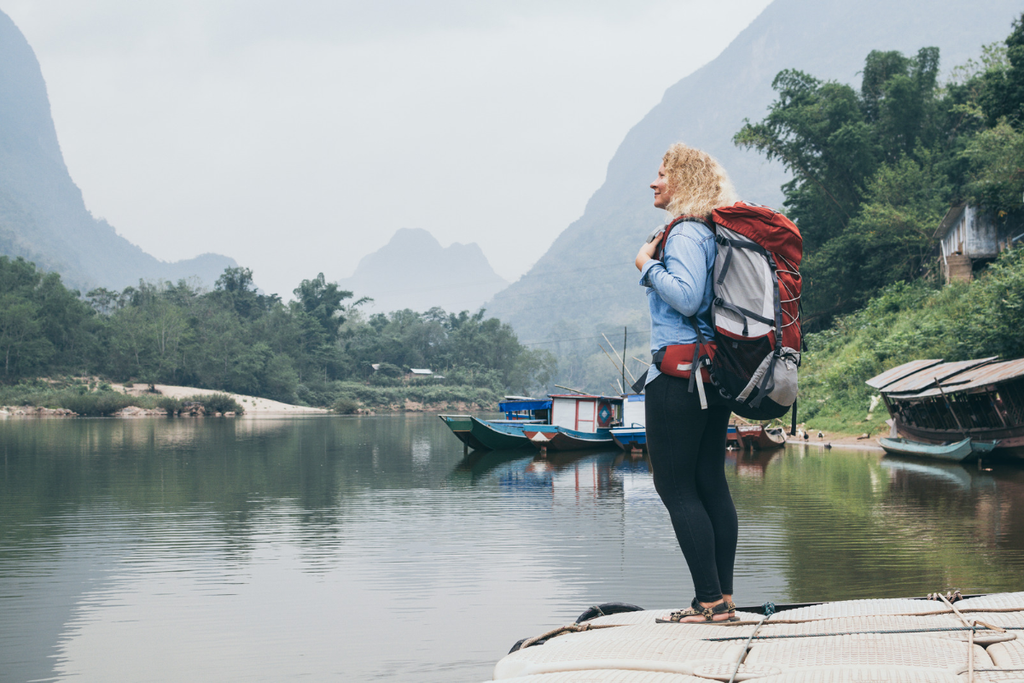
The village sits along the Nam Ou River and is reached by boat. With no regular road access into the village centre, life moves at a slower pace here. You’ll find simple guesthouses, local restaurants and walking paths surrounded by limestone mountains.
Rather than rushing through another tourist town, this stop gives you more time to appreciate the communities and landscapes that make northern Laos distinct.
Mad Monkey Tip: Pick up some Lao kip in Nong Khiaw before catching the boat to Muang Ngoi. Keep some cash for meals and local activities, and check the return boat schedule so you can plan your next stop without a last-minute scramble.
What to Do in Vang Vieng: Blue Lagoons, Caves and Outdoor Adventures
Vang Vieng brings the adventure side of Laos into full view.
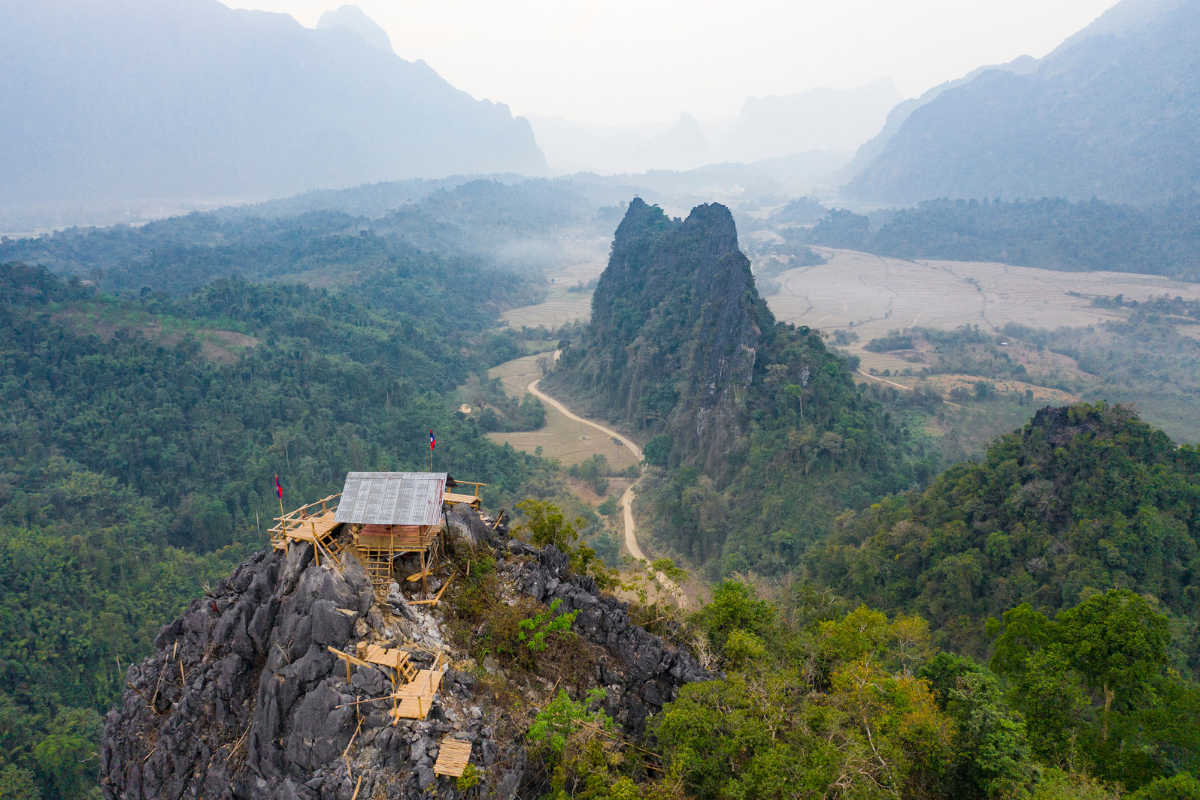
The town is surrounded by dramatic limestone karsts, with the Nam Song River winding through the valley. It’s a favourite among backpackers for a reason: you can fill your days with outdoor activities without having to travel far from town.
A few Vang Vieng experiences worth adding to your route:
- Blue Lagoons 1, 2 and 3: Popular swimming spots surrounded by greenery and limestone scenery. Budget around ₭10,000–30,000 ($0.44–1.33 USD) for entrance fees, depending on the lagoon. Bring cash for the entrance gates.
- Nang Far Cave: Explore the limestone formations and underground chambers. Entrance is approximately ₭40,000 ($1.77 USD) per person. If you’re joining a guided cave and kayaking tour, expect packages from around $24 USD (₭541,680), depending on the inclusions.
- Nam Xay Viewpoint: A steep climb, but the views across the valley make the effort worthwhile. Allow around ₭20,000–30,000 ($0.89–1.33 USD) for the local access fee.
- Kayaking and tubing: Get out on the Nam Song River and take in Vang Vieng’s limestone karsts from the water. Shared kayaking trips cost around ₭145,000–208,000 ($7–10 USD) per person, while independent tubing starts at approximately ₭60,000 ($3 USD) for tube rental, plus a refundable deposit and possible transport costs. Guided combo tours with cave tubing cost more, depending on what’s included.
- Ziplining: Soar above the forest canopy and take in views of Vang Vieng’s limestone mountains. Budget around ₭150,000–250,000 ($7–11 USD) per person, depending on the course and whether transport or other activities are included. Check the safety equipment, guide support, and full package price before booking.
- Sunset paramotor flight: Take to the skies on a tandem paramotor flight over Vang Vieng’s limestone peaks, rice fields, and the Nam Song River. Budget around $100–125 USD (₭2,257,000–2,821,250) per person for a 15–30-minute flight, depending on the operator and what’s included. Hotel transfers and GoPro footage may be included in some packages. Flights depend on weather and wind conditions, so book ahead if you’re aiming for sunset.
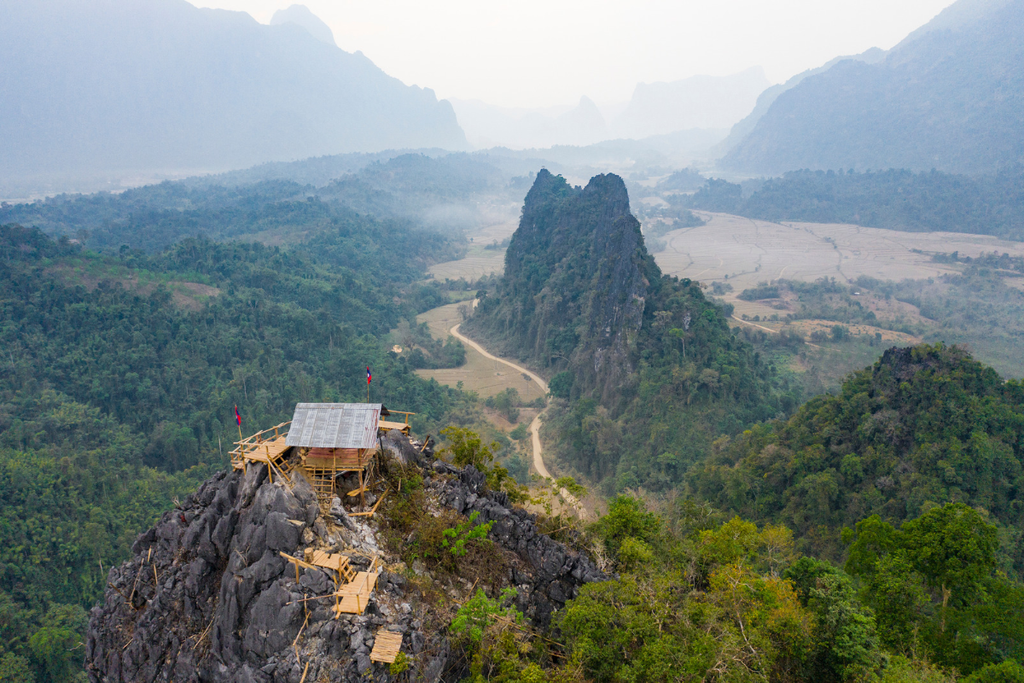
The Blue Lagoons are popular swimming spots, while Nang Far Cave offers a chance to explore the area’s limestone formations. If you’re after a viewpoint, Nam Xay is a well-known hike with panoramic views across the valley.
By evening, the backpacker scene comes into its own, with riverside bars, pool parties and a pub crawl bringing people together.
Getting around: You can rent a bicycle or motorbike to explore the lagoons, caves and viewpoints outside town. For longer distances, ask your accommodation about shared tuk-tuks or organised day tours. If you’re renting a motorbike, check the brakes, tyres and lights before setting off, and wear a helmet.
Cambodia vs Laos: Cost and Experience at a Glance
Not sure whether to backpack Cambodia or Laos? Here’s how they compare when it comes to daily spending, travel experiences, and how much time you’ll need.
| Backpacker comparison | Cambodia | Laos |
|---|---|---|
| Daily budget | Around $32/day | Around $32/day |
| Suggested trip length | Around 2 weeks | Around 10 days for northern Laos |
| Best known for | Angkor Wat, Khmer history, food culture and tropical islands | Mountain scenery, waterfalls, river journeys and village stays |
| Outdoor experiences | Island hopping, kayaking, snorkelling and countryside excursions | Hiking, camping, kayaking, tubing, ziplining and waterfalls |
| Cultural experiences | Ancient temples, local markets, Khmer cuisine and historical sites | Buddhist temples, morning alms, ethnic villages and traditional homestays |
| Travel style | A mix of cities, cultural sites, riverside towns and beaches | Mountain towns, rural communities and outdoor adventures |
So, Which Country Gives You More for Your Money?
Neither country is clearly cheaper for backpackers. You can plan for around $32 USD a day in either destination if you’re staying in dorms, eating out, and mixing free activities with a few paid experiences.
The bigger difference comes down to what you want to spend your money on. Cambodia has major expenses like the Angkor Pass and island transfers, while Laos can add up if you book guided adventures, mountain excursions, and activities around Vang Vieng.
Explore Cambodia and Laos with Mad Monkey All-In Trips
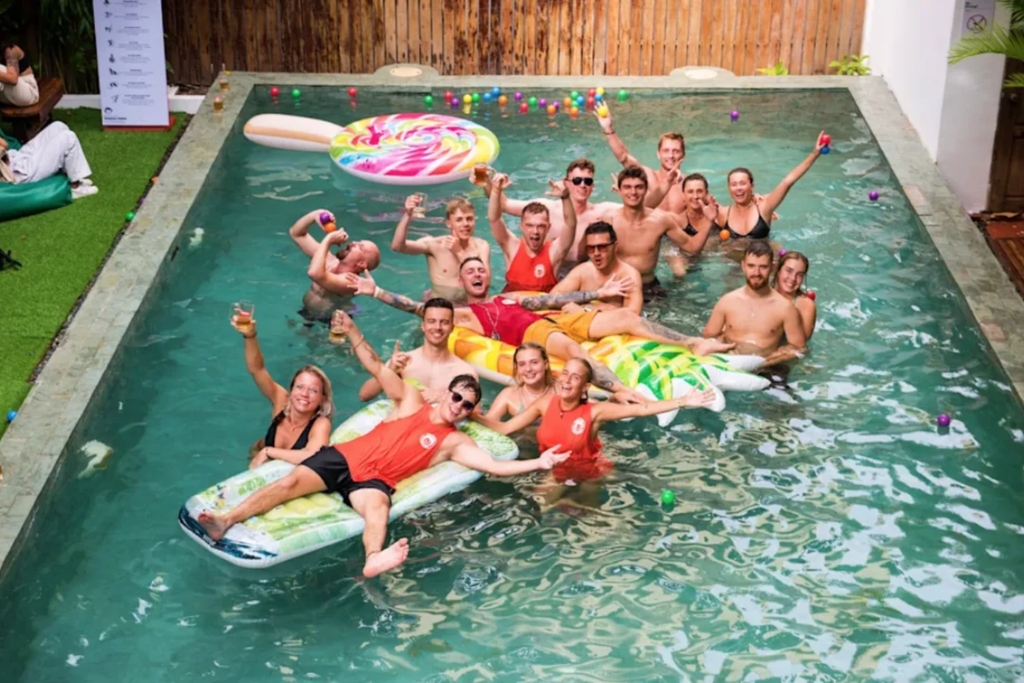
If you’d rather spend less time sorting out buses, accommodation and activities, Mad Monkey All-In Trips take care of the main logistics so you can focus on the good stuff.
Designed with solo travellers in mind, they’re a chance to meet fellow backpackers, get to know each destination beyond the usual highlights and have a local crew on hand along the way.
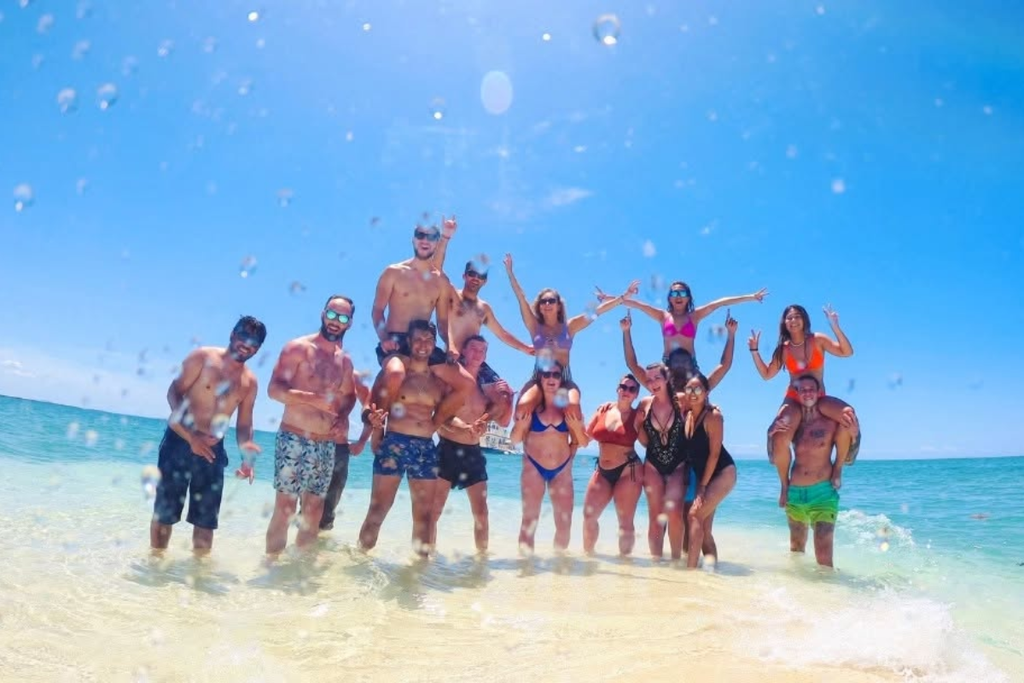
And why pick just one? Cambodia brings ancient temple complexes, Khmer food and tropical islands, while Laos swaps beach days for limestone mountains, river journeys and village life. Together, they make a pretty varied Southeast Asian route, with plenty of culture, scenery and local flavours in between.
Ready to add both to your backpacking route? Join the Mad Monkey Cambodia All-In Trip and the Mad Monkey Laos All-In Trip and see where the next leg takes you.
FAQs: Backpacking Cambodia vs Laos
Both countries are affordable for backpackers, and you can budget around $32 USD per day in either destination if you stay in dorms, eat at local restaurants, and mix free activities with a few paid experiences. Keep extra money aside for bigger expenses such as the Angkor Pass, island transfers, and guided excursions.
Allow around two weeks for Cambodia to cover Phnom Penh, Siem Reap, Kampot, and the islands. For northern Laos, around 10 days gives you time to explore Luang Prabang, Nong Khiaw, Muang Ngoi and Vang Vieng without rushing through every stop.
Yes. The main international land crossing is between Trapeang Kriel in Cambodia and Nong Nok Khiene in Laos, near Stung Treng and the 4,000 Islands. You can travel by bus or minivan, but expect a long journey with possible vehicle changes. Check visa requirements for your passport and the latest border arrangements before setting off.
It depends on your route and where you’re arriving from. Cambodia works well if Angkor Wat, Khmer history, and the coast are high on your list. Laos is a good starting point if you’re keen on mountain scenery, river towns, and outdoor activities. Check transport connections before deciding, especially if you plan to travel overland between the two.
Definitely, if you have enough time. The countries offer different experiences, from Cambodia’s ancient temples and tropical islands to Laos’s limestone mountains, waterfalls, and traditional villages. Visiting both gives you a broader look at mainland Southeast Asia rather than choosing just one side of the region.
Yes! If you’re travelling solo and prefer to have the main logistics arranged, Mad Monkey offers a 14-day Cambodia All-In Trip from $650 USD and a 10-day Laos All-In Trip from $400 USD. Both include accommodation, scheduled transport, selected activities, and a local crew, giving you a ready-made route and fellow backpackers to share it with.
Explore the Mad Monkey Cambodia All-In Trip and Mad Monkey Laos All-In Trip for itineraries and upcoming departures.
Pin Now. Read Later.