





Contents
TL;DR:
- Motorbike: The most flexible option if you’re properly licensed and comfortable riding.
- Grab or Gojek: Handy for getting between accommodation, beaches, cafes, and nightlife spots.
- Private driver: Worth considering for groups or a full day of sightseeing.
- Taxi: Useful when you need a ride quickly, but agree on the fare before leaving.
- Walking: Fine around individual areas, but Uluwatu’s main beaches and attractions are spread out.
| Getting Around | Best For | Cost Guide |
|---|---|---|
| Motorbike | Freedom and multiple stops | Around IDR 70,000–100,000/day ($4–6 USD) |
| Grab/Gojek | Individual trips | Around IDR 20,000–100,000/trip ($1–6 USD) |
| Private driver | Groups and full-day trips | Around IDR 500,000–700,000/day ($31–43 USD) |
| Taxi | Short or immediate trips | Around IDR 50,000–150,000/trip ($3–9 USD) |
USD conversions are approximate and can change with exchange rates. Rental prices vary by bike, rental period and provider.
Getting to Uluwatu
Uluwatu is at the southern end of Bali’s Bukit Peninsula, so you’ll need a ride from the airport or wherever you’re staying on the island.
Flying to Bali
Ngurah Rai International Airport (DPS) is the main airport for reaching Uluwatu. It’s around 20–25 km from Uluwatu, with the drive usually taking 30–60 minutes, depending on traffic.
Once you land, you have a few options:
- Airport Taxi: Around 30–60 minutes and IDR 300,000–400,000 ($18–24 USD). The easiest choice if you want to head straight to your accommodation.
- Grab or Gojek: Around 30–60 minutes and roughly IDR 150,000–300,000 ($9–18 USD), depending on demand and your destination. Airport pickup can be a little less straightforward, so check the designated pickup point before booking.
- Private Transfer: Around 30–60 minutes and approximately IDR 250,000–500,000 ($15–30 USD). A good option if you’re arriving late, carrying lots of luggage, or simply want someone waiting when you land.
Prices can change with traffic, demand, vehicle type, and your exact destination in Uluwatu.
Backpacker tip: Traveling light? Check the Grab or Gojek fare first. If the difference is only a few bucks, a direct transfer can be worth paying for after a long flight.
Coming from Other Parts of Bali
Already on the island? Getting to Uluwatu depends on where you’re coming from, how much luggage you have, and whether you’re comfortable riding.
- Motorbike: The flexible option if you’re coming from places like Canggu, Seminyak, or Ubud. Rental prices are generally around IDR 70,000–100,000/day (~US$4–6), although you’ll want to factor in fuel and traffic.
- Grab or Gojek: A convenient choice if you don’t want to drive. Travel time and fares depend on your starting point, traffic and demand, so check the app for the current price before booking.
- Private Driver: A good pick for groups or anyone traveling with luggage. You can arrange a direct transfer to Uluwatu and avoid navigating Bali’s busier roads yourself.
Backpacker tip: Coming from another part of Bali? Leave more time than the map suggests. The distance might look manageable, but traffic can make the journey unpredictable, especially around Canggu, Seminyak and the southern part of the island.
Getting Around Uluwatu
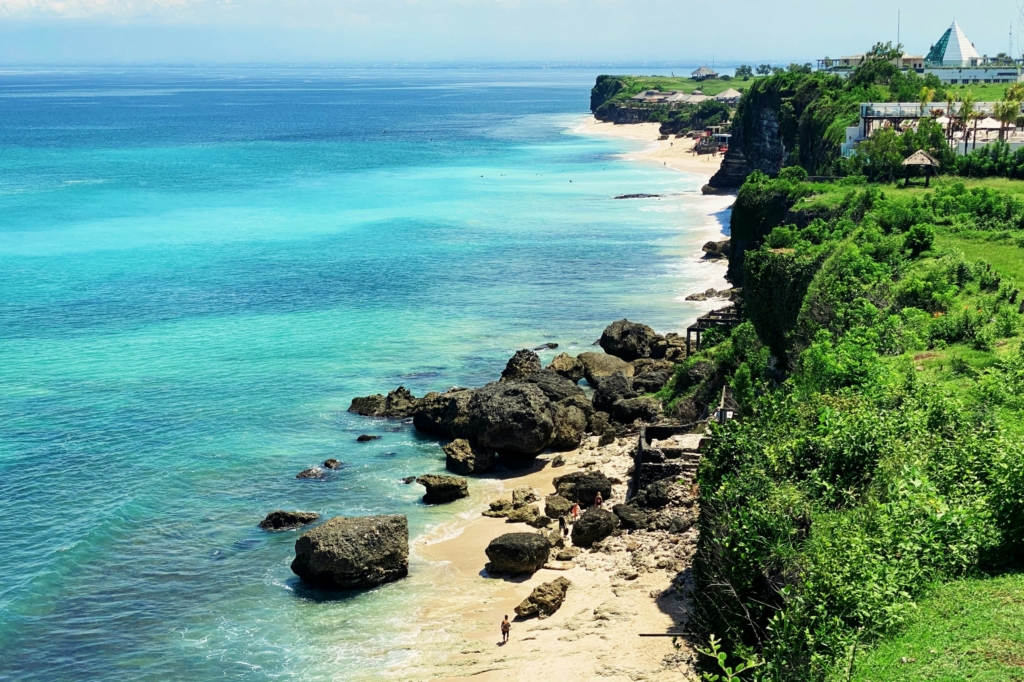
Uluwatu’s attractions aren’t all concentrated. Bingin, Padang Padang, Suluban, Uluwatu Temple, plus the area’s cafes, restaurants and nightlife spots are spread across the peninsula. Some beaches also require a steep walk down from the road to the sand.
Having transport makes exploring much easier, especially if you want to fit several stops into the same day.
What’s the Best Way to Get Around Uluwatu?
Rent a Motorbike
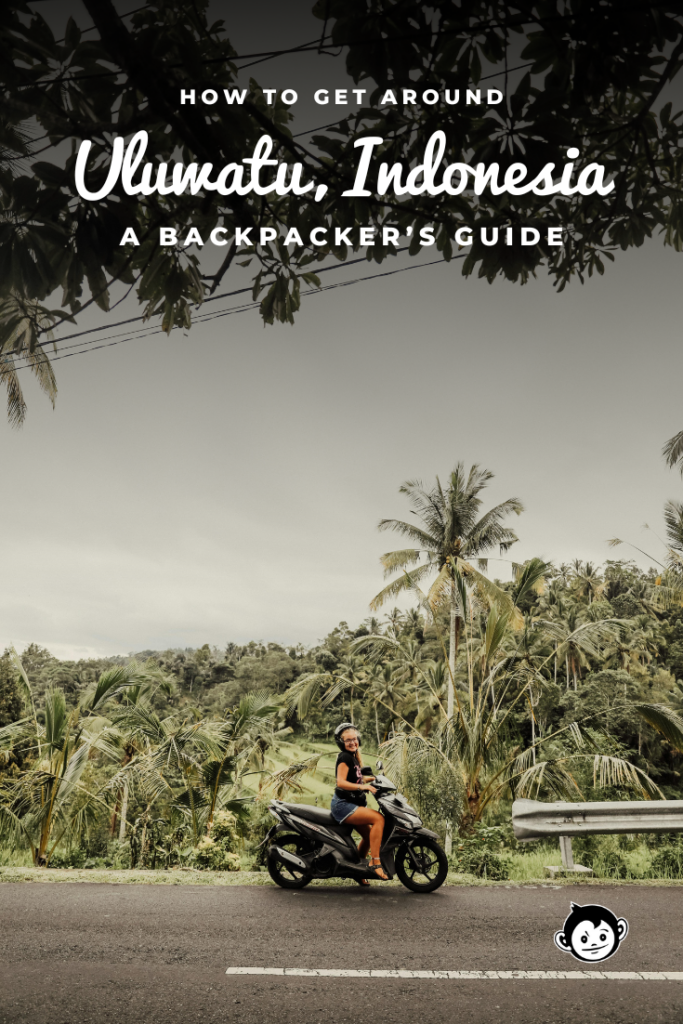
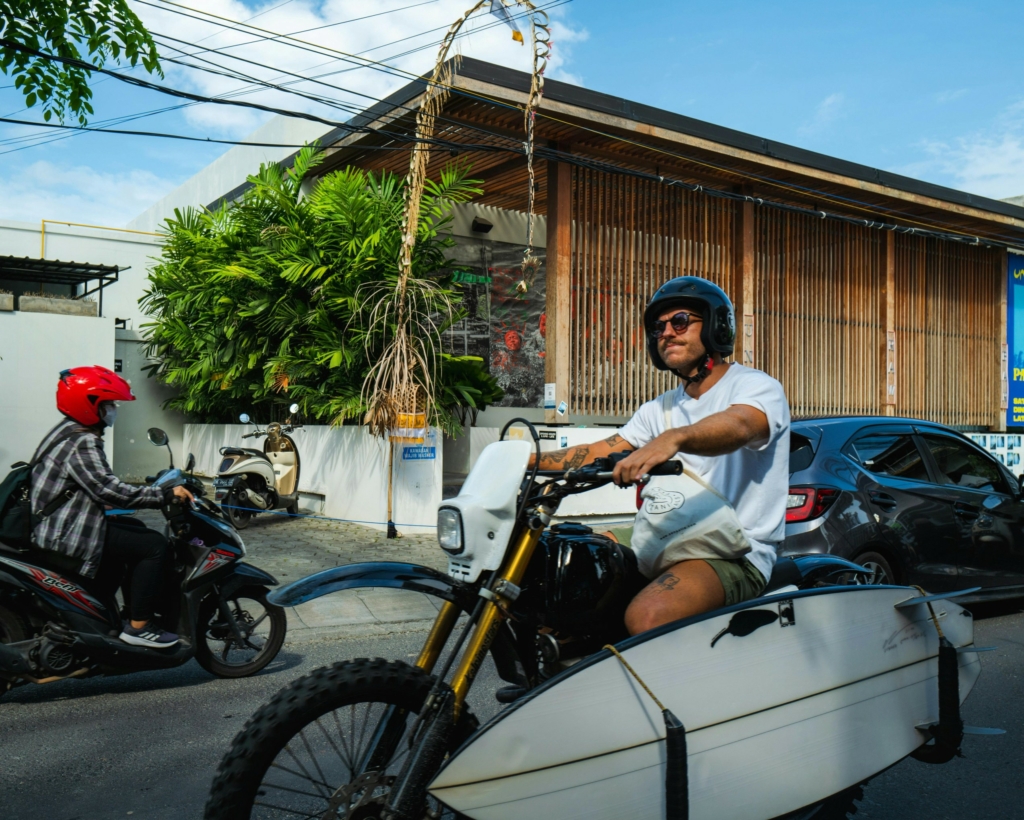
If you’re properly licensed and comfortable riding, a motorbike gives you the most freedom. You can move between beaches, stop for lunch, catch the sunset, and change your plans without waiting for another ride.
- Cost: Around IDR 70,000–100,000 ($4-6 USD) per day, or less if you negotiate for a longer rental.
- Where to Rent: Most hostels or local shops rent motorbikes. Or they usually have contacts for rentals.
Before riding away, check the brakes, tires, lights, mirrors, and fuel level. Take photos of any existing scratches or damage, and make sure you understand the rental terms and insurance.
Wear a helmet, don’t ride after drinking, and only rent a scooter if you have the appropriate licence and feel comfortable riding. Bali’s roads can get busy, while some of Uluwatu’s smaller roads are poorly lit at night.
Traveler tip: If you’ve never ridden a scooter before, don’t make Uluwatu your first lesson. Grab, Gojek or a private driver will get you around without the stress.
Grab or Gojek
Grab and Gojek are useful when you want to leave the driving to someone else. Short rides around Uluwatu can start around IDR 20,000 ($1 USD), while longer trips can reach IDR 100,000 ($6 USD) or more depending on distance and demand.
They’re handy for getting to beaches, cafes, restaurants and nightlife spots, although pickup can be less straightforward around busy attractions and narrow beach roads.
Check the pickup pin before booking. Your driver may meet you at the main road rather than directly at the beach entrance. Late-night rides can also take longer to arrive, particularly around busy sunset spots.
Private Drivers
A private driver can be a good option when you’re traveling with friends or planning several stops in one day. You can set your route in advance and avoid booking a new ride every time you want to move on.
- Cost: Around IDR 500,000–700,000 ($31-43 USD) for a full day. Split it between your friends, and it’s a solid deal. Fuel, parking, and additional stops may also affect the total, so confirm what’s included before booking.
Agree on the price and how long the driver will be available before you set off. If you’re traveling with three or four people, splitting the cost can make a private driver a practical option for a full day around Uluwatu.
Local Taxis
Taxis can be useful when you need a ride quickly or when a ride-hailing pickup isn’t practical. Short trips can start around IDR 50,000 ($3 USD), while longer rides can cost considerably more depending on the distance, time, and driver.
Confirm the price before you set off, especially if the taxi isn’t using a meter. For longer trips, check a few options first, so you know you’re getting a reasonable fare.
Where to Go in Uluwatu (and How to Get There)
So, you’ve figured out how to get around Uluwatu. Now, where should you actually go? From Padang Padang and Bingin Beach to Suluban Beach, Uluwatu Temple and Single Fin, here’s where to head, where each spot is, and how to get there.
Uluwatu Temple
Perched above the Indian Ocean, Uluwatu Temple is one of the area’s defining landmarks. The cliffside setting is the main draw, while the traditional Kecak dance performance makes it a popular evening stop.
How to get there: Around 10–20 minutes by motorbike or ride-hailing service from many accommodation areas in Uluwatu, depending on your starting point and traffic. The temple is located in Pecatu, South Kuta, on the southwestern tip of Bali’s Bukit Peninsula.
Entrance fee: Budget around IDR 50,000 ($3 USD) per adult for the temple. The Kecak dance performance costs extra, so check the current ticket price when you visit.
If you’re heading there for sunset, leave a little earlier. The roads and parking areas get busier, and you don’t want to spend golden hour looking for a place to park.
Padang Padang Beach
Tucked between the cliffs, Padang Padang Beach is known for its rocky entrance, clear water, and surf. The beach is small, which is part of its charm, but it can fill up quickly during the day.
You can’t ride straight down to the sand. Park near the entrance, then follow the stairs through the rock passage to reach the beach.
How to get there: Roughly 5–15 minutes by motorbike from Uluwatu Temple, depending on traffic. Padang Padang Beach is in Pecatu, South Kuta, on Bali’s Bukit Peninsula. Expect to pay around IDR 15,000 ($1 USD) per person for entry.
Bingin Beach
Bingin Beach brings together surf, cliffside views and a mix of cafes and places to eat. It’s worth giving yourself a few hours here rather than treating it as a quick photo stop.
You’ll park above the beach and make your way down a set of steep stairs. That also means the swim back to shore isn’t the hardest part of the visit. The climb back up is.
How to get there: Around 10–15 minutes by motorbike from Padang Padang Beach, depending on traffic and your starting point. Bingin Beach is in Pecatu, South Kuta, along Bali’s southwestern coast. There is generally no fixed beach entrance fee, although you may pay a small parking fee near the access point.
Backpacker tip: Pack light. You’ll notice every extra thing you’re carrying on the way back up.
Suluban Beach (Blue Point)
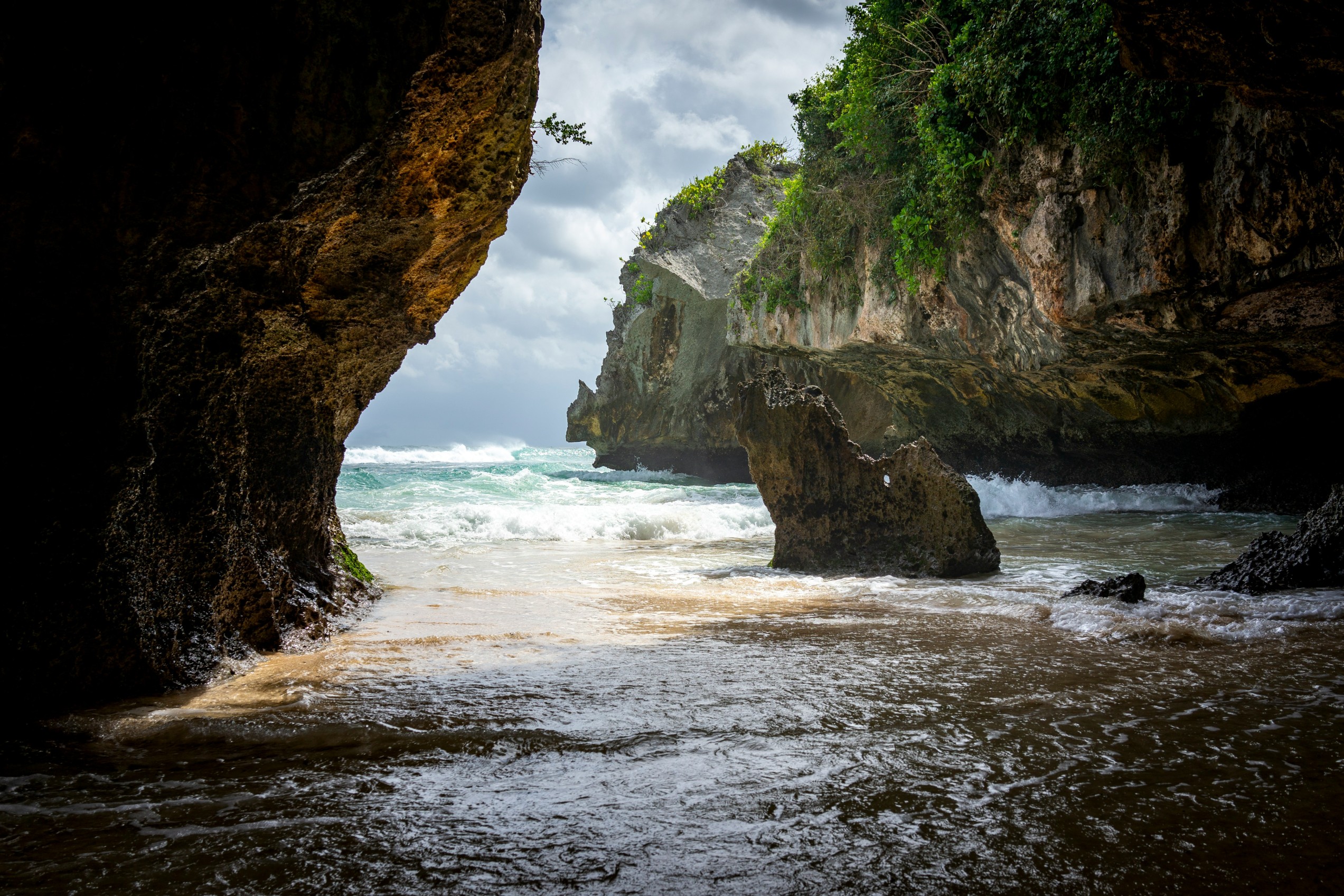
Suluban Beach, also known as Blue Point, sits beneath Uluwatu’s cliffs and is known for its dramatic rock formations, cave-like entrance, and surf breaks. Getting down to the beach means following the stairs and pathways through the cliffs, so wear something comfortable for the walk.
How to get there: Around 10–15 minutes by motorbike from Bingin Beach, depending on traffic and your starting point. Suluban Beach is in Pecatu, South Kuta, near Uluwatu’s main surf area. There is generally no fixed beach entrance fee, although a small parking fee may apply.
The waves here are better suited to experienced surfers, so take a moment to check the conditions before heading into the water.
Single Fin Bar
Perched above Suluban Beach, Single Fin is one of Uluwatu’s go-to spots for sunset, with sweeping views over the Indian Ocean. Sundays draw a bigger crowd, so expect the clifftop to get livelier as the afternoon moves into evening.
How to get there: It’s just a few minutes from Suluban Beach by motorbike, with Grab, Gojek or a taxi also available. Single Fin sits on Jalan Pantai Suluban in Pecatu, right above the beach.
If you’re planning on having a few drinks while watching the sunset, leave the scooter at your accommodation and arrange a ride back.
Tips for Getting Around Uluwatu
- Carry some cash: Keep Indonesian rupiah with you for parking and smaller purchases. Also, check the actual beach entrance before setting off. A map might get you to the right road without taking you all the way to the entrance.
- Allow extra time at sunset: Roads and popular spots get busier later in the day. Download offline maps if you’re heading down smaller roads, too.
- Watch your belongings: Don’t leave valuables on a parked scooter, even if you’re only stopping for a short time.
- Take care after dark: Some roads around Uluwatu are poorly lit. If you’re not comfortable riding at night, book a Grab or Gojek or arrange a driver instead.
- Don’t overpack your itinerary: Three stops with time to swim, eat and hang around will beat racing between six just to tick them off.
Get Ready for Your Uluwatu Adventure
Whether you’re riding a motorbike, booking a Grab, or hiring a private driver, getting around Uluwatu is about choosing what works for your day. The beaches, surf spots, temples, and clifftop hangouts are spread across the peninsula, so give yourself enough time to get between them.
Don’t worry about seeing everything in one go. Pick a few places, leave room for a swim, a meal or a sunset stop, and let the rest unfold from there.
FAQs: About Getting Around Uluwatu
Uluwatu is walkable around individual areas, but it isn’t practical to walk between the main beaches and attractions. The peninsula is spread out, and several beaches involve stairs or steep walks from the road to the sand.
A motorbike is generally the most flexible option for travelers who are properly licensed and comfortable riding. Grab and Gojek are useful for individual trips, while a private driver works well for groups and full-day sightseeing.
Yes. Grab and Gojek are useful around the main tourist areas, although pickup times and exact availability can vary. Busy attractions, narrow roads and late-night journeys can make pickups less straightforward.
If you’re experienced, properly licensed and comfortable with Bali’s road conditions, a scooter can be a practical way to get around. If you’re inexperienced, don’t feel pressured to rent one. Grab, Gojek, and private drivers are easy alternatives.
A motorbike is usually the most flexible option. Grab and Gojek work well for individual journeys, while a private driver is useful if you’re visiting several beaches in one day. Remember that many beaches require a walk or stairs from the parking area to the sand.
Pin Now. Read Later.