







Contents
TL;DR:
Book your first few nights, choose three or four things you genuinely do not want to miss, and leave the rest flexible. Stay somewhere social, download the transport apps used locally, protect your sleep and budget, and never let hostel FOMO make decisions about scooters or safety.
What Are the Most Common Solo Travel Mistakes in Southeast Asia?
The biggest solo travel mistakes are overplanning, choosing the wrong hostel, arriving without local transport apps, saying yes to every plan, chasing the lowest possible budget, riding scooters without proper cover, staying inside the backpacker bubble, and trusting every dorm-room opinion as fact.
You do not need a flawless trip. You need enough structure to stay safe and enough space for the good stuff to find you.
1. Are You Planning Too Much Before Your Solo Trip?
The most common mistake Arno sees is travellers locking in every destination before they know what they actually enjoy.
“Arrive with a direction, not a schedule.” — Arno, WorldlyRoaming
Plan the bones of the trip:
- how much time you have;
- your broad route;
- three or four non-negotiable experiences; and
- your first two or three nights.
Book more around major festivals, public holidays, limited permits, or flights you cannot miss. Leave ordinary stops flexible when availability allows.
“If you love somewhere, stay longer. Move on when your curiosity about the next place becomes stronger than your desire to stay where you are.” — Arno, WorldlyRoaming
Vietnam shows why this works. You might sketch a route from Hanoi to Ninh Binh, Hoi An, or Da Nang, then Ho Chi Minh City. You might also reach Hanoi, meet three people heading to Ha Giang, and change the plan over breakfast. WorldlyRoaming’s guide to the best things to do in Vietnam helps you compare the options without turning the country into a checklist.
Local insight: A short line on the map can still mean a mountain road, a ferry, a border queue, or an overnight bus that drops you somewhere dark before the coffee shops open.

2. Are You Booking the Cheapest Hostel Instead of the Right One?
The cheapest bed is not always the best deal. If your hostel is far from everything, you may spend the difference on rides—and spend three nights scrolling from your bunk because the common room feels like an airport gate.
For a first solo stop, look for:
- communal spaces people actually use;
- organised local activities;
- secure lockers and staffed reception;
- clear noise or quiet-hour information; and
- a neighbourhood you can explore on foot.
Where Should Solo Travellers Stay in Hanoi?
Hanoi’s Old Quarter works well for first-time visitors because Hoan Kiem Lake, street food, cafés, markets, and nightlife sit within a compact area. The trade-off is noise, scooters, and pavements that often double as kitchens and parking bays.
WorldlyRoaming’s updated guide to things to do in Hanoi names Mad Monkey Hanoi as its favourite budget stay in the city, especially for solo travellers and backpackers.
Located at 9–11 P. Mã Mây in the Old Quarter, the hostel has shared dorms, a restaurant, a sports bar, nightly social events, and quiet hours from midnight to 7 AM You can follow the smell of grilled pork into a side street, get caught in the flow around Hoan Kiem Lake, then return to a communal base where people are already comparing tomorrow’s plans.
3. Which Transport Apps Should You Download Before Arriving?
Sort out the ride-hailing app used at your destination before you land. Airports, stations, and bus terminals are where tired new arrivals are easiest to overcharge or misdirect.
Arno uses Grab or Bolt in Thailand, PassApp in Cambodia, Gojek in Indonesia, and Grab in Vietnam. Coverage changes by city, so check before relying on one app. Grab lists service currently across eight Southeast Asian countries, while Bolt confirms rides in Bangkok, PassApp covers major Cambodian cities, and Gojek offers transport in Indonesia.
The right app lets you see a likely fare, enter the destination, follow the route, and keep a trip record. That removes the blind negotiation that used to greet plenty of travellers outside transport hubs.
Still check the plate and driver. Share the trip when needed. And do not take a motorbike taxi without a helmet because the hostel group has already left.

4. Are You Saying Yes to Everything and Burning Out?
Breakfast becomes a walking tour. The walking tour becomes sunset drinks. Sunset drinks become buckets and a late-night dance floor. Then somebody asks whether you are joining a 5 AM waterfall trip.
Sometimes, yes. That messy chain of events is how strangers become travel friends.
But not every day needs a sequel.
Use a simple rule: after two high-energy days, take a reset. Do laundry. Eat something with vegetables. Have an early night. Spend an afternoon alone without treating it as a failure of solo travel.
Eye masks, earplugs, water, and one night off are not boring. They are how you avoid becoming the person asleep on their backpack in reception while everyone else checks in.
5. Are You Treating the Lowest Daily Budget as a Win?
A budget should keep you travelling. It should not become a competition to see who can survive on instant noodles longest.
A hostel near the places you want to explore may save two rides a day. A night train can replace a night’s accommodation. A locally led tour may reach a community or landscape you would struggle to access alone. Travel insurance feels expensive until you need it.
Plan for:
- accommodation;
- local and intercity transport;
- food and drinking water;
- activities and entry fees; and
- an emergency buffer kept outside your daily spending money.
Spend with some intention. An independent craft market, family-run food stall, or community-led experience usually puts more money into the place you came to see—and gives you something more distinct than the same souvenir sold across four countries.

6. Is It Safe to Rent a Scooter in Southeast Asia?
It can be, but a cheap rental and a tropical road do not make you qualified to ride.
Before taking the keys, confirm that your licence is valid for that vehicle and country. Check whether you need an International Driving Permit. Read your insurance policy for motorbike exclusions. Official travel guidance warns that some policies may not cover an accident if you lack the correct licence, and motorcycle use may require extra cover.
Check the helmet, tyres, brakes, lights, and indicators. Film existing damage. Learn the local rules. Never ride after drinking.
Safety note: “Everyone else is doing it” is not a licence category. If the paperwork, equipment, weather, or your experience does not hold up, take a car or organised transfer.
7. Are You Spending the Whole Trip in the Backpacker Bubble?
A social hostel makes meeting people easy. That is the point. The mistake is letting the hostel become the whole destination.
Leave before noon. Learn how to say hello and thank you. Eat somewhere without an English photo menu. Dress properly at temples. Ask before photographing people. Pay the posted price at small stalls instead of bargaining hard over the cost of half a coffee back home.
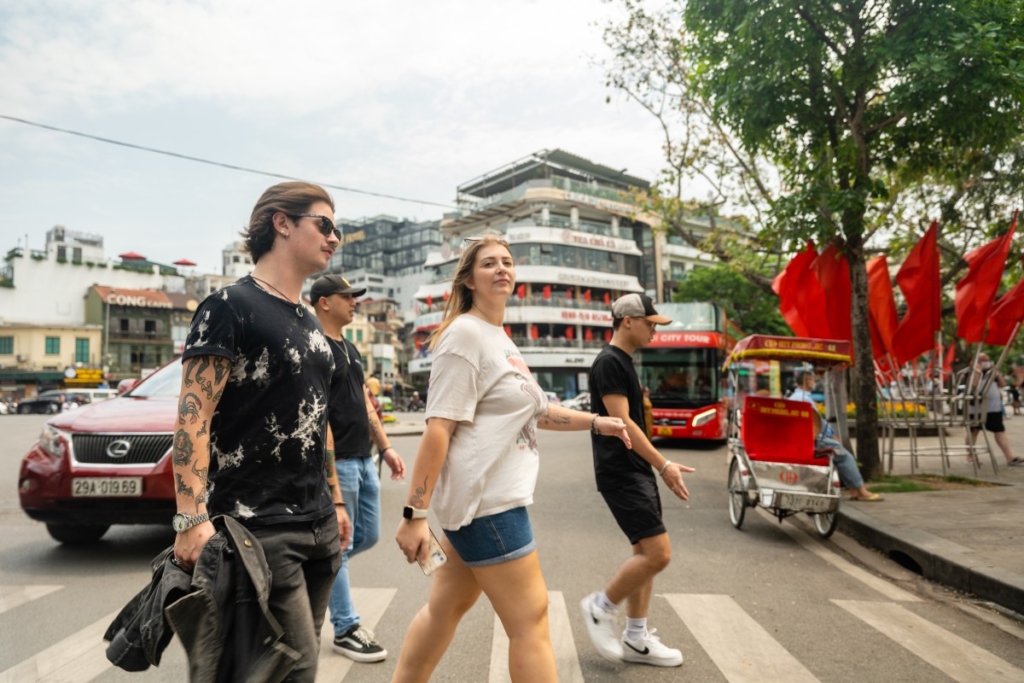
In Hanoi, wake early enough to see the Old Quarter before its night-time crowds return. Sit on a low stool for bún chả. Learn why the streets are named as they are. WorldlyRoaming’s Hanoi guide is a useful starting point for connecting the sights with the city’s food and neighbourhoods.
Meet other travellers, then let the destination interrupt the conversation.
8. Are You Treating Every Traveller’s Opinion as Fact?
Hostel recommendations can reveal a better route, a local guesthouse, or a town that never appeared in your research. They can also repeat the same hot take until nobody remembers who formed it.
“When somebody tells you not to visit somewhere, ask how much time they actually spent there.” — Arno, WorldlyRoaming
Arno has met travellers who dismissed Bangkok after one day—or simply repeated what somebody else had told them. After spending real time there, it became one of his favourite cities in Asia.
Listen to people on the road, but ask what they did, where they stayed, and what they normally enjoy. Someone chasing quiet beaches may be the wrong judge of a dense city. Someone who never left the nightlife strip cannot tell you that the wider destination lacks culture.
Treat every recommendation as a lead, not a ruling.
How Should You Plan Your First Solo Trip to Southeast Asia?
Keep the framework light:
- Check visas, entry rules, insurance, health advice, and local laws.
- Choose a broad route and a few non-negotiable experiences.
- Book your first two or three nights in a well-located social base.
- Download offline maps, ride apps, and booking confirmations.
- Keep emergency money and document copies separate.
- Leave open days around major transfers.
- Ask locals and travellers for ideas, then verify the details.
- Stay longer when a place earns it.
A good solo trip is not one where nothing goes wrong. The bus may still arrive early. The dorm air-conditioning may still have two settings: Arctic and broken. A quick drink may still end with sweat, buckets, and breakfast plans made with people whose surnames you do not know.
Plan the parts that protect you. Keep the rest loose enough to surprise you.

How Can You Avoid Solo Travel Mistakes in Southeast Asia?
The best way to avoid common solo travel mistakes is not to plan every minute. Book your first few nights, sort out the practical details, and leave enough room for plans to change.
Stay somewhere social, take local advice, protect your budget and sleep, and know when to say no. A missed bus, a changed route, or an unexpected invitation can become part of the story.
Plan what keeps you safe. Leave the rest open. Southeast Asia is easier to enjoy when you give yourself room to travel your own way.
FAQs: About Solo Travel in Southeast Asia
Yes. Established backpacking routes, social hostels, varied transport, and widely used ride apps make much of Southeast Asia approachable for a first solo trip. Check current entry rules, weather, health advice, and official travel guidance for each destination.
Choose a broad route, book the first few nights, and identify three or four things you do not want to miss. Keep ordinary stops flexible so you can stay longer or change direction when a better plan appears.
Stay somewhere with active common areas and join one low-pressure activity, such as a walking tour, family dinner, or day trip. Sit at the shared table and ask where someone ate. Most people are also waiting for somebody else to start.
Grab operates across several countries, including Vietnam, Thailand, Cambodia, Indonesia, Malaysia, Singapore, the Philippines, and Myanmar. Bolt is available in parts of Thailand, PassApp serves major Cambodian cities, and Gojek operates in Indonesia. Check live city coverage before arrival.
It depends on the city and neighbourhood. Use well-reviewed transport, share your trip when appropriate, watch your drink, avoid isolated areas when impaired, and ask hostel staff for current local guidance. If a situation feels wrong, leave.
Travel insurance is strongly recommended. Read the policy carefully if you plan to ride scooters, trek, dive, or do activities that may need extra cover. Keep the emergency contact details accessible.
Pin Now. Read Later.


