






Contents
TL;DR
- Highway 1095 covers roughly 135 km between Chiang Mai and Pai through 762 mapped curves, a three to four hour drive by minivan or scooter.
- Minivans depart Chiang Mai’s Arcade Bus Station roughly hourly for around ฿150–230 ($4–7 USD), while scooter riders should budget a full day and a 150–300cc engine for the mountain grades.
- The road itself is well-paved and government-maintained; the real challenge is motion sickness, not danger, and a handful of coffee stops along the way make the curves worth counting.
What Makes Highway 1095 So Notorious
The route covers approximately 135 to 140 kilometers, and the figure travelers actually remember is 762, the commonly cited count of curves and bends along the way. That number shows up in guidebooks, rider forums, and minivan drivers’ offhand warnings so consistently that it has become shorthand for the entire journey. Highway 1095 also forms the eastern leg of the larger Mae Hong Son Loop, a fact that has turned it into something of a pilgrimage route for long-distance motorcyclists as well as first-time backpackers heading north for a few days of slower living.
The road itself has improved considerably. Sections have been resurfaced and guardrails installed at the sharper drops, so the physical risk most travelers associate with “762 curves” has more to do with stomachs than safety. Driving time runs three to four hours by car or minivan under normal conditions, closer to six to eight hours if you’re on a scooter and stopping at every viewpoint, waterfall, and coffee farm along the way.
Local Insight: Fuel stations become noticeably less frequent once you pass Mae Malai, the small junction town where Route 1095 branches off toward the mountains. Riders continuing on two wheels should top up here rather than assume the next station is close.
How to Get from Chiang Mai to Pai
There are three practical ways to cover the route, and each suits a different kind of traveler.
Shared minivan
This is the standard choice for most backpackers. Minivans leave from Chiang Mai’s Arcade Bus Station roughly every hour between 6:30 AM and 5:30 PM, with fares generally falling between ฿150 and ฿230 ($4–$7 USD) for the one-way trip.
Private car or charter van
For travelers prone to motion sickness, traveling with kids, or arriving straight off an international flight, a private transfer can be worth the extra cost. Expect to pay around ฿2,500–฿3,300 (about US$77–$102) for a full-day private car and driver, depending on the vehicle and itinerary. You can control the pace, choose your stops, and avoid sharing the ride with a van full of other passengers.
Scooter
Renting a motorbike is the most flexible option for independent travelers who want to set their own schedule. Expect to pay around ฿300–฿900 (about US$9–$28) per day for a 150–300cc bike, depending on the model and rental shop. A 150–300cc engine is a practical choice for mountain roads, especially with steep sections or a passenger. Allow a full day if you want to stop at viewpoints, waterfalls, and cafés along the route rather than rushing straight to the destination.
Safety Note: Route 1095 is a legitimate mountain road with fast-moving local traffic and blind corners. Prior motorbike experience, a proper helmet, and daylight riding are non-negotiable if you’re taking this on yourself rather than booking a transfer.
What to Expect on the Drive
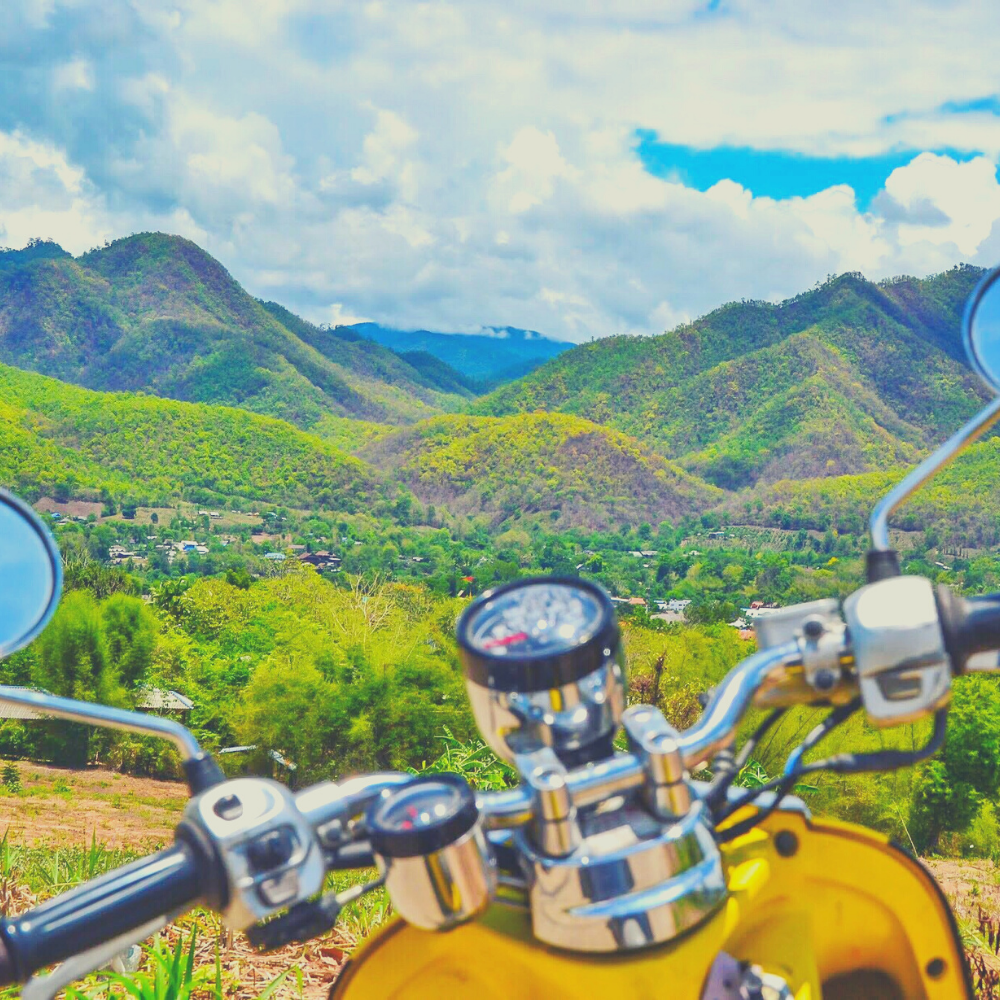
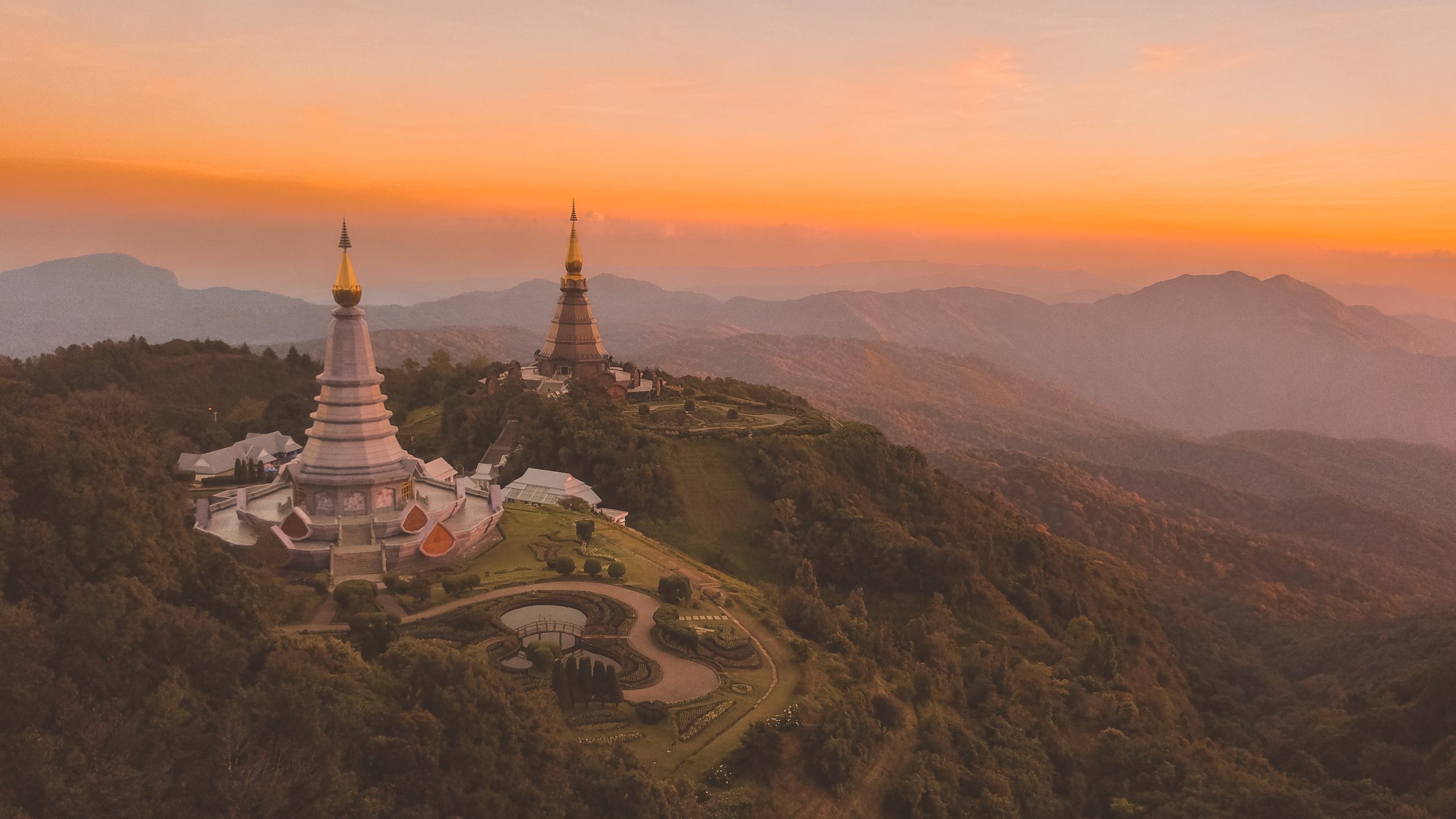
The first hour out of Chiang Mai runs through the flatter agricultural land north of the city before the road climbs into the hills past Mae Malai. From there, the curves begin in earnest, and the landscape shifts fast: dense forest, terraced hillsides, and the occasional break in the tree line that reveals the valley below.
Between roughly kilometer 60 and kilometer 80, a cluster of small, family-run coffee farms and roadside cafes takes advantage of the elevation and cooler air, a genuine highland coffee-growing microclimate rather than a manufactured tourist stop. Buying a cup here supports the same small growers who supply cafes across the north, and it’s a far more direct way to put money into the local economy than a souvenir stand ever could be.
Riders and drivers who leave Chiang Mai between 7:00 and 9:00 AM, particularly between November and February, are often rewarded with a sea of mist settling into the valleys below the road, a detail worth planning an early departure around if photography is part of the trip.
How to Avoid Motion Sickness on the 762 Curves
Even seasoned travelers who don’t normally get carsick tend to underestimate this road. The combination of continuous switchbacks and a driver who knows the route well enough to take it at speed is a common recipe for a rough middle hour.
Local Insight: Take a motion sickness tablet before boarding, not after the nausea starts. Sit toward the front of the van if given the choice, keep your eyes on the horizon rather than a phone screen, and ask the driver about the halfway coffee stop, most minivan routes build in a short break near the midpoint of the drive specifically for this reason.
Where to Stop Along Route 1095
A handful of stops along the highway have become fixtures of the journey, each for a slightly different reason.
- Coffee Hill: Roughly halfway along the route, Coffee Hill is a practical rest stop for both minivans and independent riders. Clean facilities and mountain views make it worth lingering for more than a quick bathroom break.
- Mok Fa Waterfall: Tucked just off the main road, Mok Fa Waterfall makes a worthwhile short detour if you want to stretch your legs and swap the café terrace for a quieter forest setting.
- Coffee in Love: A few kilometers outside Pai, Coffee in Love is one of the route’s most photographed stops. The café became widely known after appearing in the 2009 Thai film Pai in Love, followed by its appearance in a 2012 Chinese comedy. Its wooden terrace overlooks the Pai Valley and makes a convenient stop before continuing toward attractions such as the Pai Land Split or Kho Ku So Bamboo Bridge.
Is the Chiang Mai to Pai Road Safe
Highway 1095 is a paved, well-traveled mountain road, but that doesn’t make it an easy ride. The main challenges are tight hairpins, blind corners, steep sections, changing weather, and traffic moving at different speeds.
If you’re riding a scooter, treat the route as a mountain ride rather than a sightseeing cruise. Wear a properly fitted helmet, check your tires and brakes before leaving Chiang Mai, keep your speed under control through corners, and give larger vehicles plenty of space.
Rain can make the road more difficult, particularly on downhill sections and shaded corners where the surface may stay wet. Avoid riding after dark, and don’t continue if the weather becomes unsafe.
Safety Tip: If you’ve never ridden a motorcycle on mountain roads before, don’t use Chiang Mai to Pai as your practice run. Take a minivan or private transfer instead. You can explore Pai by scooter later if you’re comfortable with the local roads.
What Happens When You Arrive in Pai
After the bends of Highway 1095, Pai feels noticeably slower. The mountain road opens into a green valley, and the pace shifts from navigating hairpins to wandering between cafes, food stalls, and small shops around town.
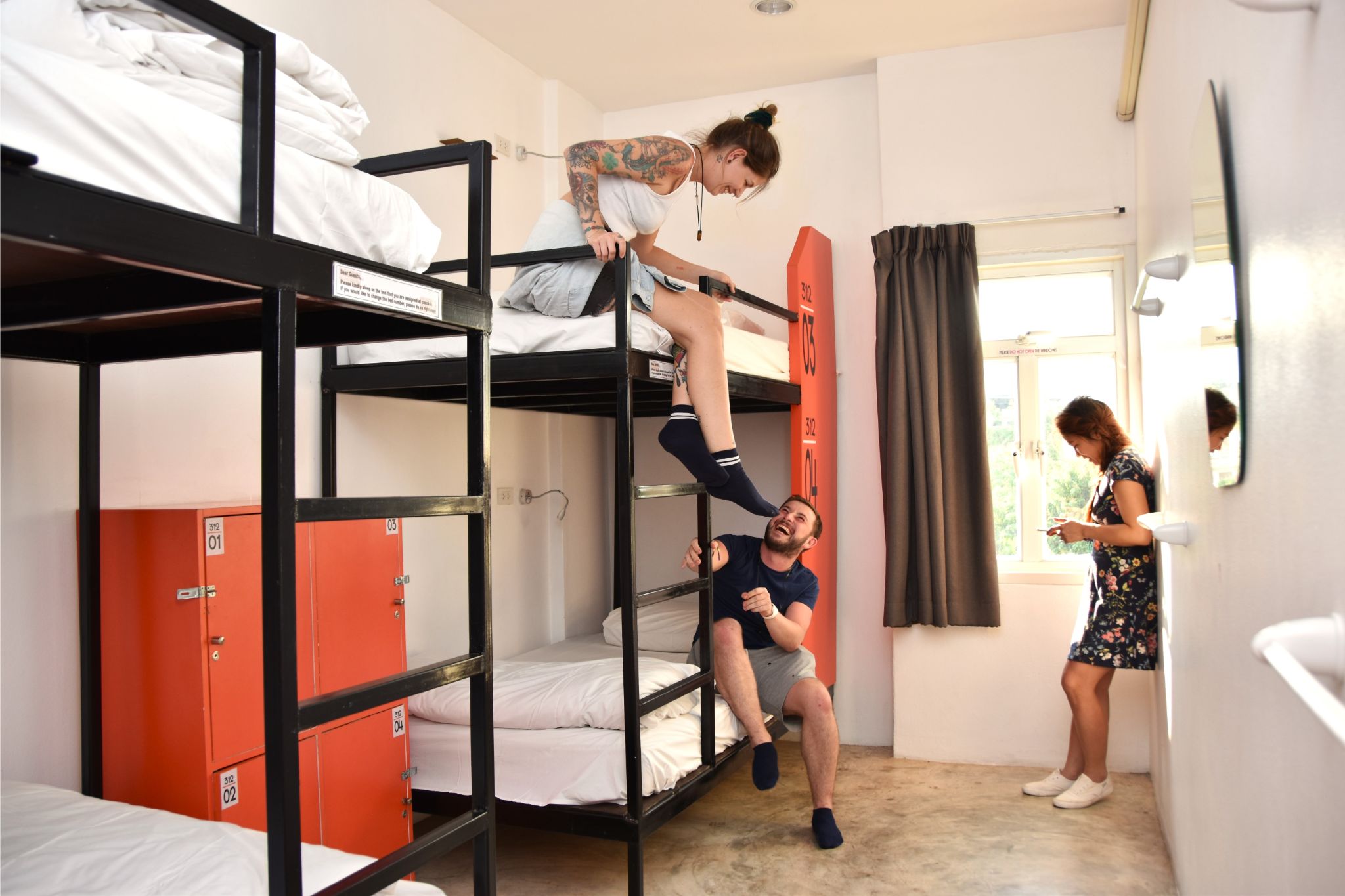
Mad Monkey Pai is at 223 Moo 1, Ban Mae Yen, within walking distance of Wat Phra That Mae Yen and Pai Walking Street. If you’ve arrived by scooter, this is a good point to park up and explore the center on foot rather than immediately getting back on the road.
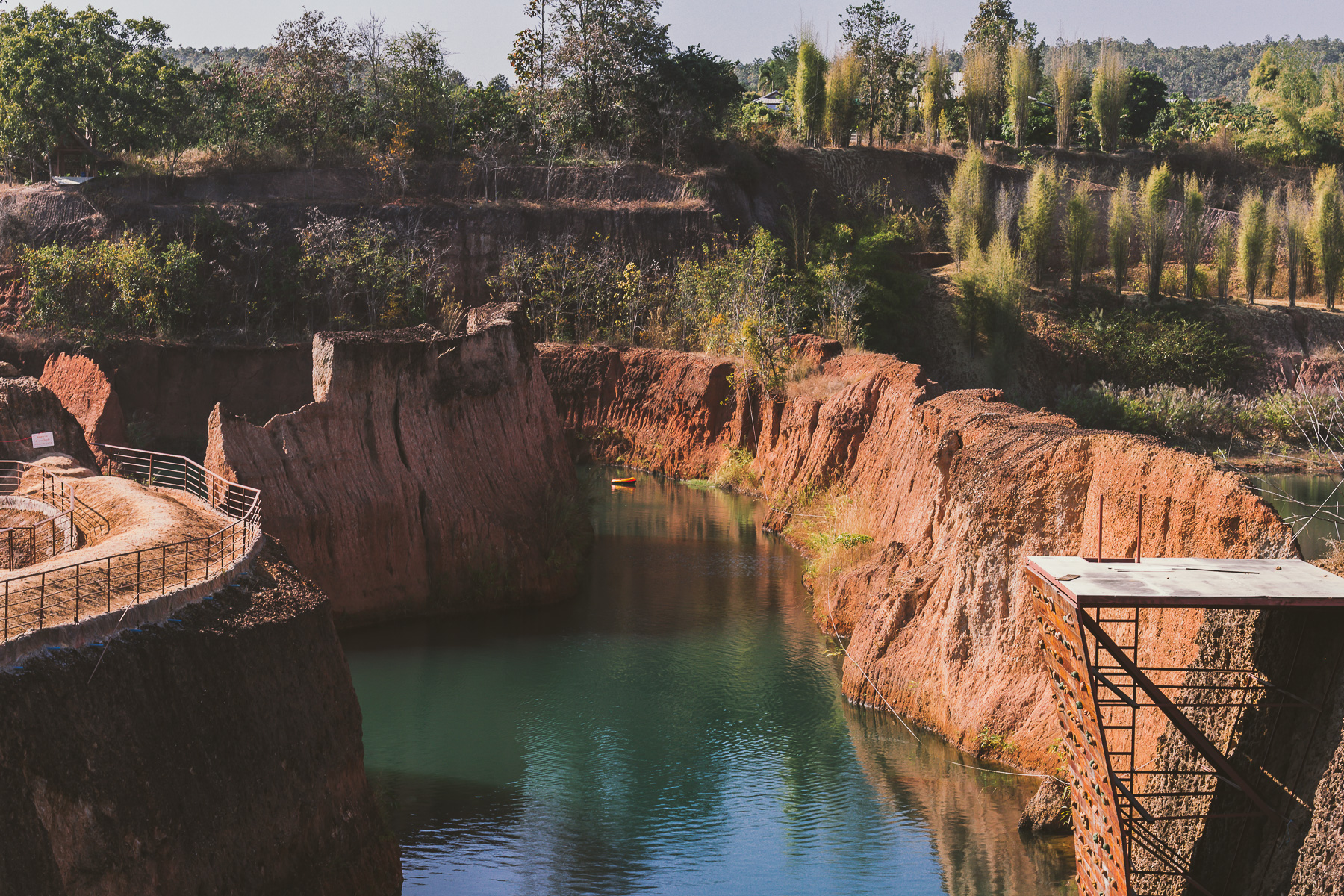
Pai Canyon is also a short ride from town and is a popular place to catch the sunset. Just remember that the road back gets darker quickly, so plan your return before daylight disappears.
Cultural Context: Pai has grown considerably as a visitor destination, but its evening streets still mix local food stalls, small family-run businesses, cafes, and newer tourism-focused operators. Take your time, spend locally where you can, and treat the town as more than a stopover between scooter rides.
Where to Stay Before You Go
If you’re starting the journey in Chiang Mai, staying somewhere in or near the Old City makes an early departure easier. Mad Monkey Chiang Mai is located at 7 Kamphaeng Din Alley 2 in the Chang Moi district, close to the Night Bazaar and Tha Phae Gate.
Wherever you stay, the main thing is to give yourself enough time before leaving. Check your minivan departure the night before, fuel up if you’re riding, and make sure your phone, water, and riding gear are ready before morning.
An early start is useful on Highway 1095 because it gives you more daylight for the mountain sections and leaves room for stops along the way. It also means you aren’t trying to reach Pai after dark if the journey takes longer than expected.
The Chiang Mai to Pai Journey
The Chiang Mai to Pai journey is part of what makes the destination worth the trip. Highway 1095 cuts through the mountains of northern Thailand, with forested bends, roadside cafes, valley views, and enough curves to make the number 762 stick in your head.
How you travel the route depends on your experience. Confident motorcyclists can take their time on a scooter, while travelers who aren’t comfortable with mountain roads can settle into a minivan or private car and enjoy the scenery without worrying about the next hairpin.
The important part is not to rush it. Leave Chiang Mai with enough daylight, allow time for breaks, and give yourself some flexibility if weather or road conditions slow you down.
Once you reach Pai, the pace changes. Park up, walk through town, find somewhere to eat, and give yourself a little time to enjoy being off Highway 1095.
FAQs: Highway 1095
Most minivans and private cars complete the drive in three to four hours. Scooter riders who stop along the way should plan for a full day, closer to six to eight hours including breaks.
The road itself has been resurfaced in most sections and fitted with guardrails at sharper turns, so it’s generally considered safe when driven at a reasonable pace. The bigger challenge for most travelers is motion sickness, not road hazard.
Independent travelers comfortable on two wheels and wanting to control their own stops tend to prefer scooters. Budget-conscious solo travelers usually take the shared minivan. Those prone to motion sickness, traveling with children, or arriving directly off a flight are better served by a private car.
Departing Chiang Mai between 7:00 and 9:00 AM offers cooler temperatures, lighter traffic, and, between November and February, the best chance of catching the sea of mist over the valleys.
The figure is widely cited across guidebooks and route guides for Highway 1095, referring to the total count of curves and bends along the roughly 135-kilometer stretch between Chiang Mai and Pai.
Pin Now. Read Later.


