






Contents
Quick Answer: Can you travel to Southeast Asia on $30 a day in 2026?
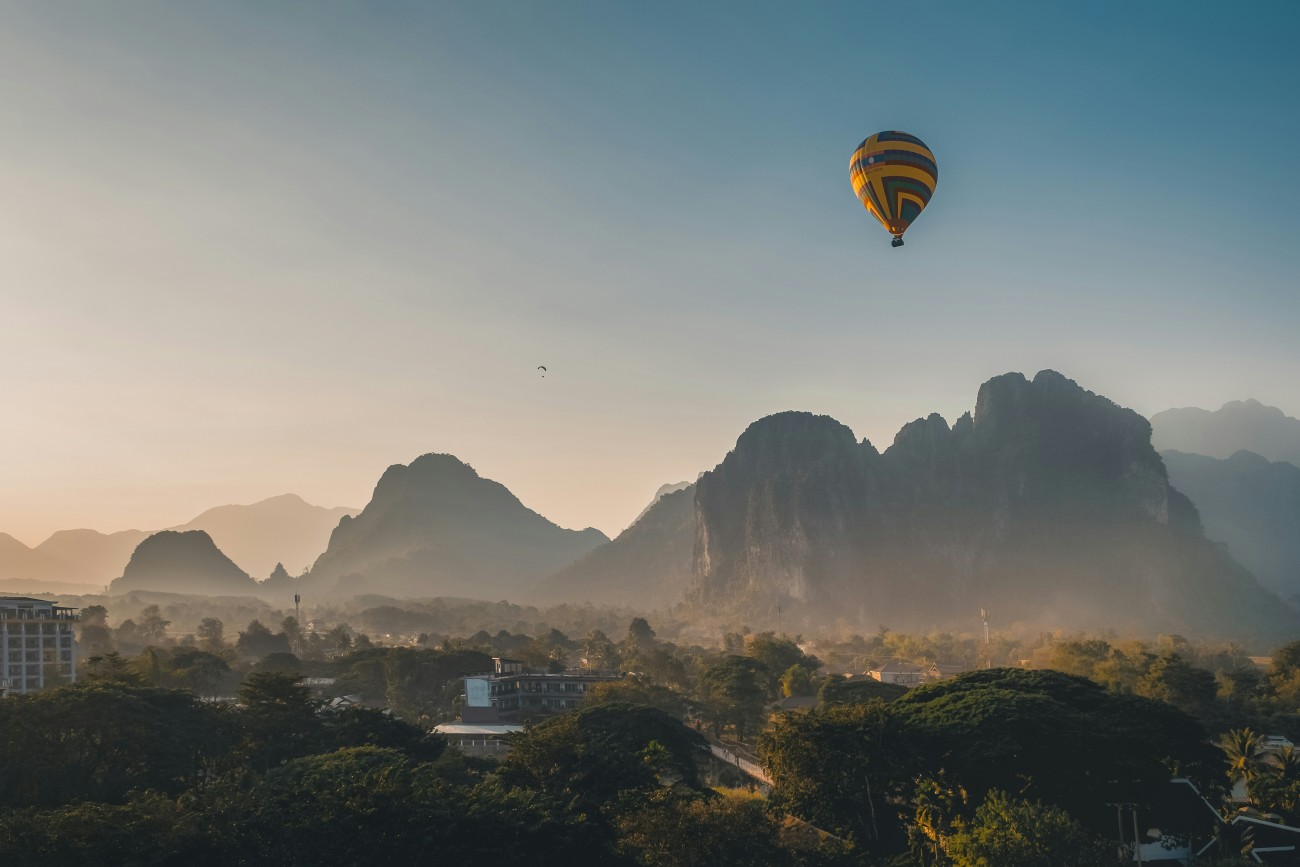
Yes, you can travel Southeast Asia on $30 USD a day in 2026, but only in the right countries. Vietnam, Cambodia, Laos, and Northern Thailand still make this budget realistic, while destinations like Bali, the Thai islands, and Singapore will quickly push you beyond it.
If you stick to hostels, eat local food, and use budget transport, $30 USD per day remains achievable.
The Honest 2026 Country-by-Country Budget Breakdown
Not all of Southeast Asia is created equal when it comes to your wallet. If you are strictly holding yourself to $30 USD a day, your itinerary needs to reflect that reality. Recent data tracking actual backpacker spending across 61 days in the region puts the true average at $32.50 USD per day.
Here is a realistic look at where your money goes furthest.
Daily budget estimates in USD for backpackers staying in hostels and eating street food. Island surcharges not included.
| Country / Region | Realistic Daily Budget (USD) | Is $30/Day Possible? |
| Vietnam | $25–$30 | Easily. Street food is incredibly cheap, and dorms average $6–$8. |
| Cambodia | $25–$30 | Yes (except for the days you buy your Angkor Wat pass). |
| Laos | $20–$30 | Easily. One of the cheapest countries in the region. |
| Thailand (North) | $30–$35 | Yes. Chiang Mai and Pai offer incredible value for money. |
| Indonesia (Non-Bali) | $30–$35 | Yes. Places like Yogyakarta and Lombok are highly affordable. |
| Philippines | $30–$40 | Yes, but tight. Island-hopping ferries and tours push the daily average up. |
| Thailand (South) | $45–$60 | Tight. Island ferries and resort-area pricing push costs up. |
| Indonesia (Bali) | $50–$70 | No. Areas like Canggu and Seminyak are heavily gentrified. |
| Singapore | $80–$100+ | Yes. (Except for the days you buy your Angkor Wat pass). |
Best budget route: Mainland Southeast Asia — Vietnam → Cambodia → Laos → Northern Thailand — is where $30/day is most consistently achievable. Save the islands for a treat, not the bulk of your trip.

Where $30 USD a Day Actually Works Best
If you are planning your route, these destinations offer the best value for budget travel in Southeast Asia:
- Vietnam: Hanoi, Ho Chi Minh City, Da Nang
- Thailand: Chiang Mai, Pai
- Cambodia: Siem Reap, Phnom Penh
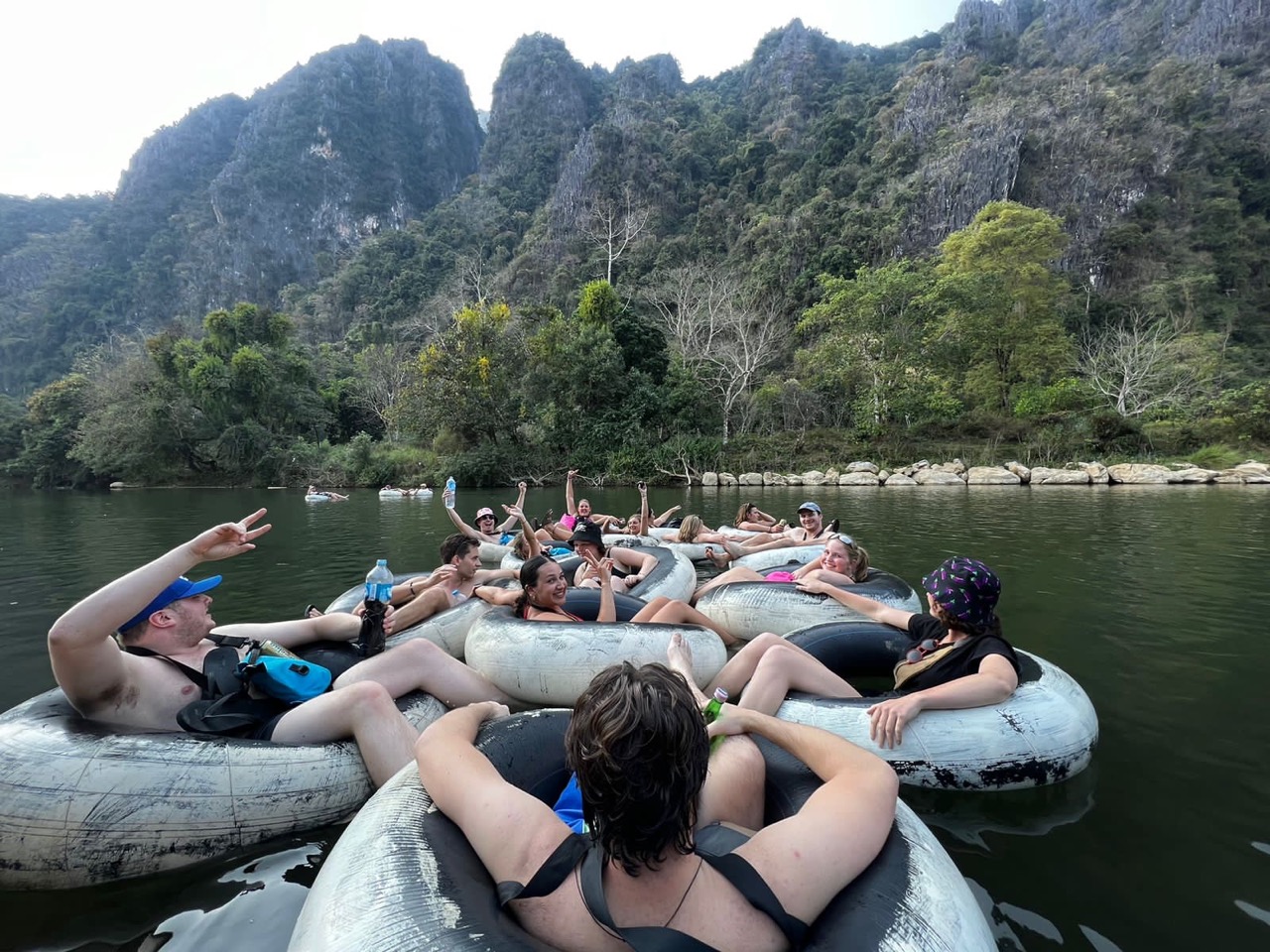
- Laos: Vang Vieng, Luang Prabang
- Indonesia: Yogyakarta, Lombok
- Philippines: Cebu, Siquijor, if you plan transport carefully
Mainland Southeast Asia, including Vietnam, Cambodia, Laos, and northern Thailand, is significantly cheaper than island destinations such as Bali and southern Thailand.
A typical budget route includes Vietnam, Cambodia, Laos, and northern Thailand, where your money goes furthest.
Where Your Money Actually Goes
To hit that $30 target, you need to understand the anatomy of a backpacker’s daily spend.
Accommodation: The Power of the Dorm Bed
If you want to travel cheaply, you sleep in hostels. In Vietnam and Cambodia, a highly-rated dorm bed will cost you between $5 and $8 USD a night. In Thailand, expect to pay closer to $12 to $18 USD for a bed in a social hostel.
Staying at Mad Monkey Hostels across the region—from Bangkok to Siem Reap to Koh Rong—is the ultimate budget hack. Not only do you get a clean, secure bed, but you also get instant access to free or low-cost daily events, walking tours, and a built-in social network.
Food: Street Food is Not a Compromise
Eating street food is not a sacrifice you make for your budget; it is the entire point of traveling to Southeast Asia.
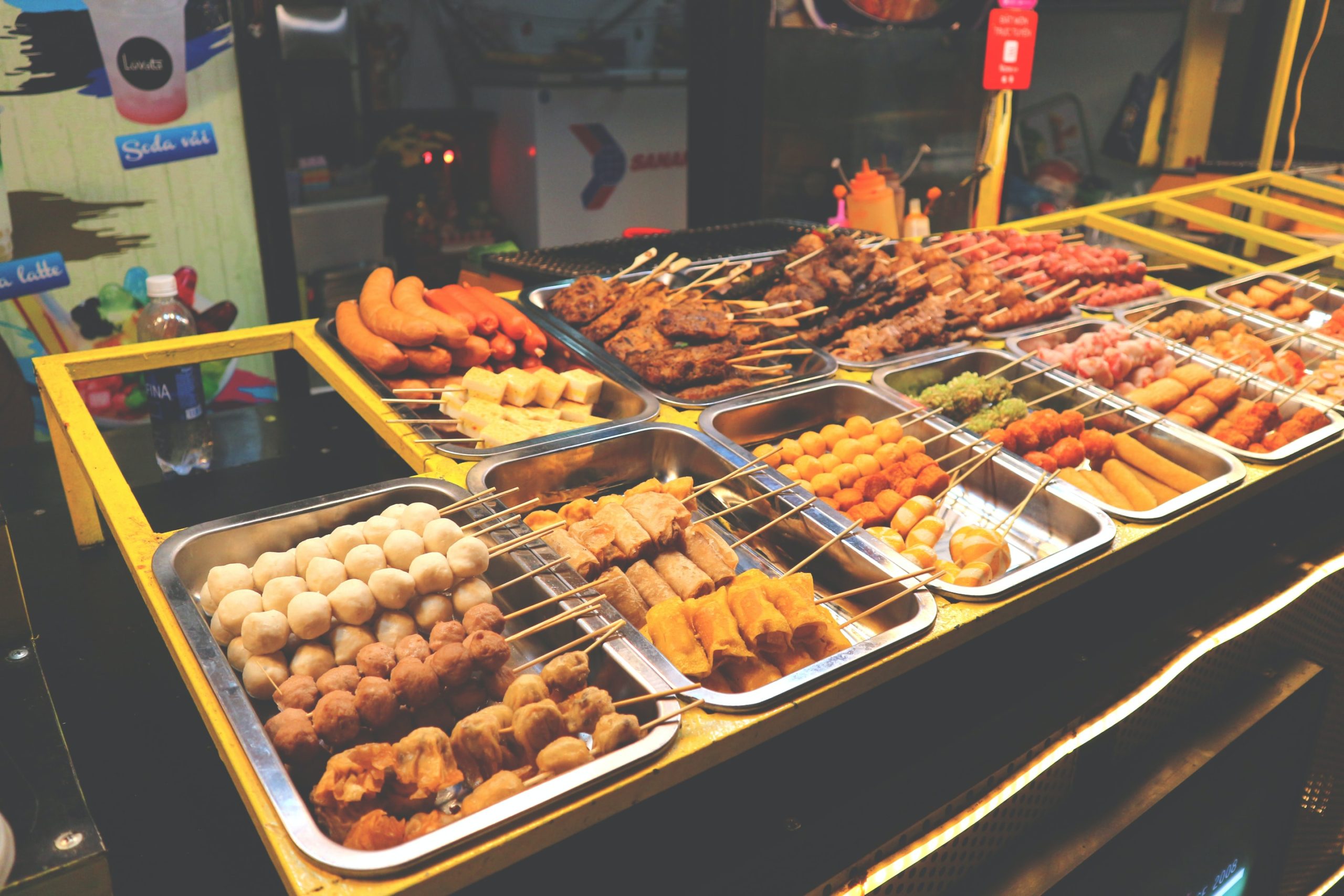
If you eat at restaurants with English menus and air conditioning, you will spend $15 USD a day on food. If you eat at the plastic stools on the sidewalk, you will spend $4 USD a day. That $11 USD daily difference adds up to $330 a month.
Reference points: a bowl of pho in Hanoi costs around $1.50 USD. A plate of pad thai in Chiang Mai runs about $2.00 USD. Eat where the locals eat.
Transportation: Overnight Buses and Ride-Hailing Apps
Internal flights between countries (e.g., Bangkok to Hanoi) will cost you $60 to $100 USD and eat into your daily average quickly. To save money, embrace the overnight sleeper bus.
Sleeper buses in Vietnam and Thailand are surprisingly comfortable. By taking a night bus, you combine your transport cost and your accommodation cost for the night into a single $15 to $20 USD ticket.
While tuk-tuks are an iconic way to see the sights, they function more as a scenic experience than a daily transport solution. Because prices are negotiated upfront, travelers often find themselves paying a “tourist premium” that adds up quickly.
Tuk-tuk tip: Always negotiate the price before you get in — there’s no meter, and tourists routinely pay 2–3x the going rate. Use Grab for any journey where cost matters.
The Hidden Costs That Destroy Rookie Budgets
Even the most disciplined backpacker can blow their $30/day budget if they aren’t prepared for the hidden fees of long-term travel.
- Visa Fees: Entering Vietnam ($25), Cambodia ($36), and Indonesia ($35) costs money. Thailand is currently free for most Western passports for up to 60 days, but you must factor these entry fees into your overall trip cost.
- ATM Fees: Thailand is notorious for its ATM fees, charging roughly $7 to $8 USD per withdrawal. To avoid losing $40 a month just to access your own money, bring a travel card with zero foreign transaction fees and withdraw the maximum amount allowed each time.
- The “One More Night” Tax: You will inevitably fall in love with a town and decide to extend your stay, which might mean eating the cost of a missed bus or paying for a visa extension. Budget an extra $100 a month simply for the freedom to change your plans.
Final Thought: Should You Travel Southeast Asia on $30 a Day?
Southeast Asia on $30 a day is still realistic in 2026, especially in countries like Vietnam, Cambodia, Laos, and Northern Thailand. The key is choosing the right route, managing your daily expenses, and allowing some flexibility in your budget.
When planned correctly, $30 per day is enough to cover your essentials and still enjoy a meaningful travel experience across the region.
FAQ: Southeast Asia on a $30 Daily Budget
In 2026, traveling on $30 a day is only possible in the cheapest regions of Laos, Vietnam, or Cambodia, and it requires extreme frugality. You would need to walk everywhere, eat only street food, never drink alcohol, and skip paid activities like temple tours or national park visits. It is survival travel, not enjoyable travel.
For a comfortable 2-month (60-day) trip staying in hostels, eating well, and doing regular activities, you should budget between $2,000 and $2,400 USD. This averages out to $33-$40 per day, giving you a buffer for internal flights and occasional splurges.
Yes. Islands like Koh Phi Phi, Koh Phangan, and Phuket are significantly more expensive than northern Thailand. A dorm bed that costs $8 in Chiang Mai might cost $20 in Koh Tao. If you are on a strict budget, limit your island time to one or two weeks and spend the bulk of your trip in the north or in neighboring countries.
During peak dry season (November through February), book a few days ahead to secure a bed in the best social hostels. Outside of peak season, walk-ins are usually fine. Always book directly through the hostel’s own website to avoid third-party commission fees — you’ll often save $2–$3 per night.
Yes, and it’s necessary. Cash is still king for street food, local markets, and small bus operators across most of the region. Keep the bulk of it locked in your hostel locker and only carry what you need for the day in a secure daypack.
Find Out More About Traveling Southeast Asia
The Real Cost of Backpacking Southeast Asia in 2026 by Ryan Mendez
Southeast Asia Backpacking Budget (Complete Travel Cost Breakdown) by Marek Bron
Pin Now. Read Later.


