






Contents
TL;DR
- This Europe backpacking route connects five unforgettable destinations: Edinburgh, Prague, Rome, Barcelona, and Lisbon.
- A sample two-week itinerary balances history, culture, food, beaches, and vibrant backpacker hubs without feeling rushed.
- Travel during May to June or September to October for pleasant weather, fewer crowds, and better value.
- Budget €60–150+ ($68–171+ USD) per day, depending on your travel style and destination.
- Stay in centrally located social hostels like Code in Edinburgh and YellowSquare in Rome and Barcelona to make exploring each city easier.
Europe Backpacking Route at a Glance
| Topic | Information |
|---|---|
| Route | Edinburgh → Prague → Rome → Barcelona → Lisbon |
| Recommended trip length | 2 weeks (flexible) |
| Best months | May to June, September to October |
| Daily budget | €60–150+ ($68–171+ USD) |
| Getting around | Trains, budget airlines, and long-distance buses |
| Best for | First-time backpackers, solo travelers, couples, and friends |
Why Choose This Europe Backpacking Route
One of the biggest advantages of backpacking Europe is how easy it is to experience completely different cultures in a single trip. In just two weeks, you can explore Scotland’s medieval streets, Czechia’s Gothic architecture, Italy’s ancient landmarks, Spain’s Mediterranean coastline, and Portugal’s colorful hillside neighborhoods. Each destination offers its own food, history, nightlife, and local traditions while remaining well connected by train, budget airline, or long-distance bus.
Rather than rushing through as many countries as possible, this itinerary focuses on destinations that are easy to combine and rewarding to explore at a slower pace. You’ll spend less time in transit and more time discovering the neighborhoods, cafés, viewpoints, and local experiences that make each city memorable.
Mad Monkey tip: If it’s your first backpacking trip through Europe, don’t try to visit a new country every two days. Spending longer in fewer destinations usually leads to a richer travel experience and often saves money on transportation.
Sample 2-Week Europe Backpacking Route
This sample itinerary takes you through five destinations that showcase different sides of Europe while keeping travel times manageable.
| Days | Destination | Highlights |
|---|---|---|
| 1–3 | Edinburgh, Scotland | Castles, medieval streets, panoramic viewpoints |
| 4–6 | Prague, Czechia | Gothic architecture, Old Town, beer culture |
| 7–10 | Rome, Italy | Ancient landmarks, piazzas, Italian cuisine |
| 11–12 | Barcelona, Spain | Gaudí architecture, beaches, vibrant neighborhoods |
| 13–14 | Lisbon, Portugal | Historic districts, viewpoints, cafés, and Fado culture |
The itinerary is designed as a starting point rather than a strict schedule. For example, you can extend your stay in the cities you enjoy most, swap Barcelona for another Mediterranean destination, or continue exploring neighboring countries. Europe’s excellent transport network makes it easy to adapt your route as you travel.
Start Backpacking in Edinburgh, Scotland
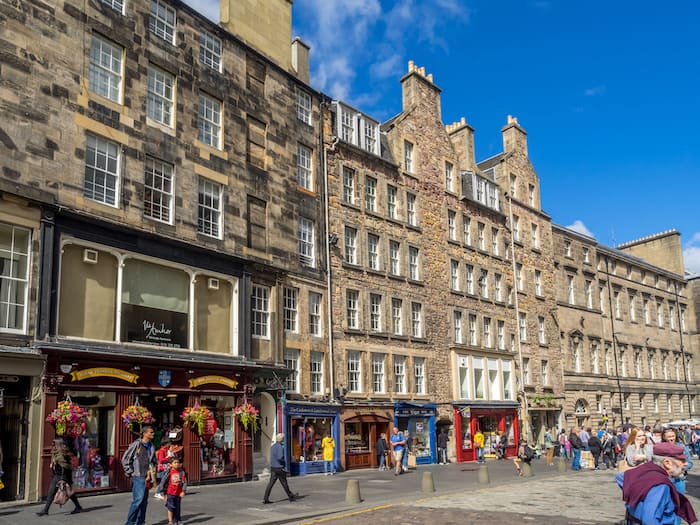
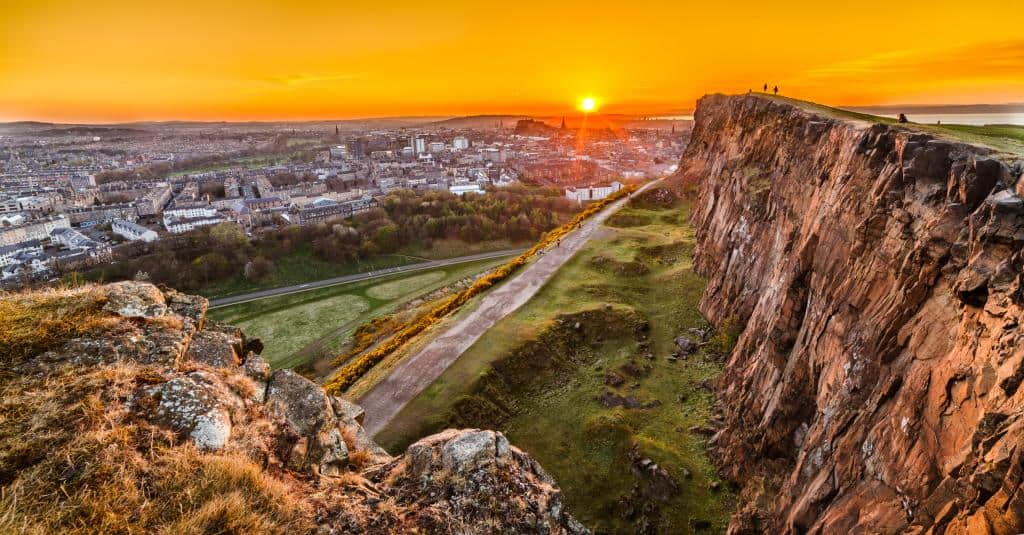
Edinburgh is the perfect place to begin a Europe backpacking route. Scotland’s capital blends medieval history, dramatic viewpoints, and a thriving food and cultural scene, all within a compact, walkable city center. From there, exploring centuries-old castles or hiking an extinct volcano for panoramic views makes Edinburgh a memorable introduction to Europe. At the same time, the city remains easy to navigate on foot and by public transportation.
Must-See Attractions in Edinburgh
Edinburgh’s top attractions combine historic landmarks, scenic viewpoints, and charming neighborhoods that can easily be explored over two or three days.
| Attraction | Why Visit |
|---|---|
| Edinburgh Castle | A historic fortress perched on Castle Rock, home to Scotland’s Crown Jewels and panoramic city views. |
| Royal Mile | Edinburgh’s most famous street, connecting the castle to the Palace of Holyroodhouse through centuries of history, shops, and traditional pubs. |
| Arthur’s Seat | An extinct volcano offering one of the best panoramic views of Edinburgh after a rewarding hike. |
| Calton Hill | A collection of historic monuments and one of the city’s most popular spots for sunrise and sunset. |
| Dean Village | A peaceful riverside neighborhood known for its picturesque stone buildings and quieter atmosphere away from the city center. |
Traveler tip: Visit Edinburgh Castle when it opens in the morning, then explore the Royal Mile before the afternoon crowds arrive. Save Arthur’s Seat or Calton Hill for sunset if the weather is clear.
Where to Stay in Edinburgh
Code The Court
Set inside a former courthouse and jail in Edinburgh’s Old Town – just off the Royal Mile – Code The Court gives backpackers a stay with genuine history behind it. The hostel pairs modern pod-style beds with vibrant social perks, including free daily events—like Old Town walking tours, local beer samplings, and Scottish Ceilidh introductions—alongside a new communal area with a co-working space, cinema room, kitchen, and library.
Location: 1A Parliament Sqr, Edinburgh EH1 1RF, United Kingdom – MAP
Contact: +44 131 297 6170 | Website
Code The Loft
For backpackers who want to stay closer to Edinburgh’s New Town, Code The Loft offers keyless self-check-in within walking distance of Princes Street and major transport links. Cafés, restaurants, shops, and plenty of the city center are easy to reach on foot.
Location: 50 Rose St N Ln, Edinburgh EH2 2NP, United Kingdom – MAP
Contact: +44 131 287 5878 | Website
Staying in the Old Town or New Town puts Edinburgh’s major attractions, restaurants, and transport links within easy walking distance.
Booking tip: Use code MADMONKEY4CODE at checkout for 10% off your stay at either property, plus a £1 waffle when you book direct.
Continue to Prague, Czechia
Prague is one of the highlights of any Europe backpacking route, combining centuries of history with a vibrant backpacker scene and a more affordable price tag than many Western European capitals. From Gothic cathedrals and medieval bridges to lively beer gardens and hidden courtyards, the Czech capital is easy to explore on foot while offering plenty of opportunities to slow down and soak up its atmosphere.
Must-See Attractions in Prague
Prague’s top attractions showcase the city’s medieval history, Gothic architecture, and panoramic river views, with many of the highlights located within walking distance of one another.
| Attraction | Why Visit |
|---|---|
| Prague Castle | One of the world’s largest ancient castle complexes, overlooking the city from Hradčany Hill. |
| Charles Bridge | A 14th-century stone bridge lined with baroque statues, connecting Old Town with Malá Strana across the Vltava River. |
| Old Town Square | Home to the famous Astronomical Clock, colorful historic buildings, and lively cafés. |
| Petřín Hill | A peaceful park featuring walking trails, gardens, and a lookout tower with sweeping city views. |
| Vyšehrad | A historic hilltop fortress offering quieter surroundings and panoramic views over Prague. |
Traveler tip: Cross Charles Bridge early in the morning for a quieter experience, then continue to Prague Castle before tour groups arrive later in the day.
Where to Stay in Prague
Sir Toby’s Hostel
In Prague’s Holešovice district, Sir Toby’s Hostel offers a laid-back base away from the busiest parts of the Old Town. A guest kitchen, cozy basement pub, and regular events create a social atmosphere, while nearby tram connections make getting into the historic center straightforward.
Location: Dělnická 24, 170 00 Praha 7-Holešovice, Czechia – MAP
Contact: +420 210 011 600 | Website
The MadHouse Prague
Set in central Prague, The MadHouse Prague combines a close-knit social atmosphere with organized activities and easy access to the Old Town, Charles Bridge, and the city’s nightlife
Location: Ostrovní 34, 110 00 Nové Město, Czechia – MAP
Contact: +420 222 240 009 | Website
Staying near Old Town, Malá Strana, or the Holešovice district gives you easy access to Prague’s historic attractions, public transportation, and nightlife.

Next Stop: Rome, Italy
Rome is where ancient history meets everyday Italian life, making it one of the most rewarding stops on any Europe backpacking route. Around nearly every corner, you’ll find iconic landmarks standing alongside lively piazzas, neighborhood cafés, and bustling markets. While many travelers visit for the Colosseum and Vatican City, Rome is equally memorable beyond its major landmarks. Instead, some of the city’s best moments come from lingering over an espresso, wandering cobbled side streets, and discovering local favorites along the way.
Must-See Attractions in Rome
| Attraction | Why Visit |
|---|---|
| Colosseum | Rome’s most iconic landmark, where gladiators once competed in front of thousands of spectators. |
| Roman Forum & Palatine Hill | Explore the political and cultural heart of Ancient Rome while enjoying panoramic views over the archaeological site. |
| Trevi Fountain | One of the world’s most famous fountains, where tradition says tossing a coin ensures your return to Rome. |
| Pantheon | A remarkably preserved Roman temple with one of the largest unreinforced concrete domes ever built. |
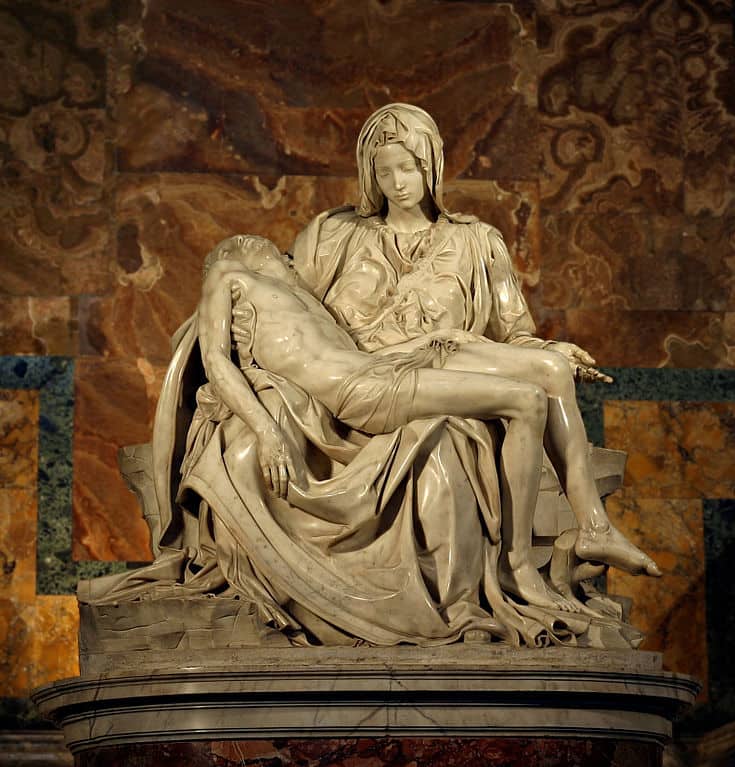
| Vatican Museums & St. Peter’s Basilica | Discover masterpieces by Michelangelo and Raphael before visiting one of Christianity’s most significant churches. |
Traveler tip: Reserve tickets for the Colosseum and Vatican Museums several weeks in advance, especially if you’re visiting between May and September, when they often sell out.
Where to Stay in Rome
Staying near Roma Termini, Monti, or San Lorenzo gives backpackers easy access to public transportation, historic attractions, and a wide range of restaurants, cafés, and nightlife.
YellowSquare Rome
A short walk from Roma Termini Station, YellowSquare Rome puts you close to the city’s main transport hub while keeping you within easy reach of Rome’s historic center. It’s a social base for backpackers, with communal spaces, coworking areas, regular events, and a mix of dorms and private rooms. It works particularly well if Rome is one stop on a longer Europe route and you want a place where it’s easy to meet people between exploring the city and catching your next train.
Heading to Athens? You can get the exact same vibrant, social vibe at YellowSquare Athens—complete with its own rooftop bar overlooking the Acropolis.
Location: Via Palestro, 51, 00185 Roma RM, Italy – MAP
Contact: +39 06 446 3554 | Website
Booking tip: Book direct and use code MADMONKEY4YELLOW at checkout to get 10% off your stay — plus a £1 waffle.

The Beehive
Near Roma Termini, The Beehive offers a quieter alternative to Rome’s more social hostels, with cozy accommodation and an eco-conscious approach. Its on-site vegetarian café adds to the relaxed setting, making it a good base for travelers who want somewhere calmer to return to after a day exploring the city.
Location: Via Marghera, 8, 00185 Roma, Italy – MAP
Contact: +39 06 4470 4553 | Website
Rome’s top attractions span more than 2,000 years of history, from the Roman Empire to the Renaissance. Along the way, many of these landmarks can be connected by scenic walking routes through the city center.
Head West to Barcelona, Spain
Barcelona brings a different energy to your Europe backpacking route, where historic neighborhoods meet Mediterranean beaches and world-famous architecture. Whether you’re admiring Antoni Gaudí’s masterpieces, wandering the narrow streets of the Gothic Quarter, or spending an afternoon by the sea, Barcelona offers a balance of culture, food, and outdoor living. As a result, it’s easy to spend several days exploring without running out of things to do.
Must-See Attractions in Barcelona
Barcelona’s top attractions combine architectural landmarks, historic districts, scenic viewpoints, and beaches, making it one of Europe’s most diverse cities to explore.
| Attraction | Why Visit |
|---|---|
| Sagrada Família | Antoni Gaudí’s unfinished masterpiece and one of Europe’s most recognizable landmarks. |
| Park Güell | A colorful hilltop park featuring Gaudí’s distinctive mosaics, sculptures, and panoramic city views. |
| Gothic Quarter (Barri Gòtic) | Wander medieval streets filled with hidden squares, historic buildings, cafés, and boutique shops. |
| La Rambla & La Boqueria Market | Experience one of Barcelona’s most famous boulevards before sampling fresh local produce and tapas at the city’s iconic market. |
| Barceloneta Beach | Relax by the Mediterranean or enjoy the beachfront restaurants, cycling paths, and waterfront atmosphere. |
Traveler tip: Book your Sagrada Família tickets online before arriving. Timed-entry tickets often sell out several days in advance, especially during the summer months.
Where to Stay in Barcelona
Kabul Party Hostel
Barcelona’s Gothic Quarter is right on the doorstep at Kabul Party Hostel, located just off Plaça Reial. Its rooftop terrace and social spaces bring travelers together, while La Rambla, late-night bars, and the surrounding historic streets are all within walking distance.
Location: Pl. Reial, 17, Ciutat Vella, 08002 Barcelona, Spain – MAP
Contact: +34 933 18 51 90 | Website
Sant Jordi Hostels Rock Palace
Inspired by Barcelona’s music scene, Sant Jordi Rock Palace features rooftop facilities, modern shared spaces, and a location within easy reach of Passeig de Gràcia, Casa Batlló, and several metro lines, making it an excellent base for sightseeing.
Location: Carrer de Balmes, 75, Eixample, 08007 Barcelona, Spain – MAP
Contact: +34 934 53 32 81 | Website
Staying near Plaça de Catalunya, the Gothic Quarter, or Eixample gives you convenient access to Barcelona’s main attractions, beaches, restaurants, and public transportation.
Wrap Up in Lisbon, Portugal
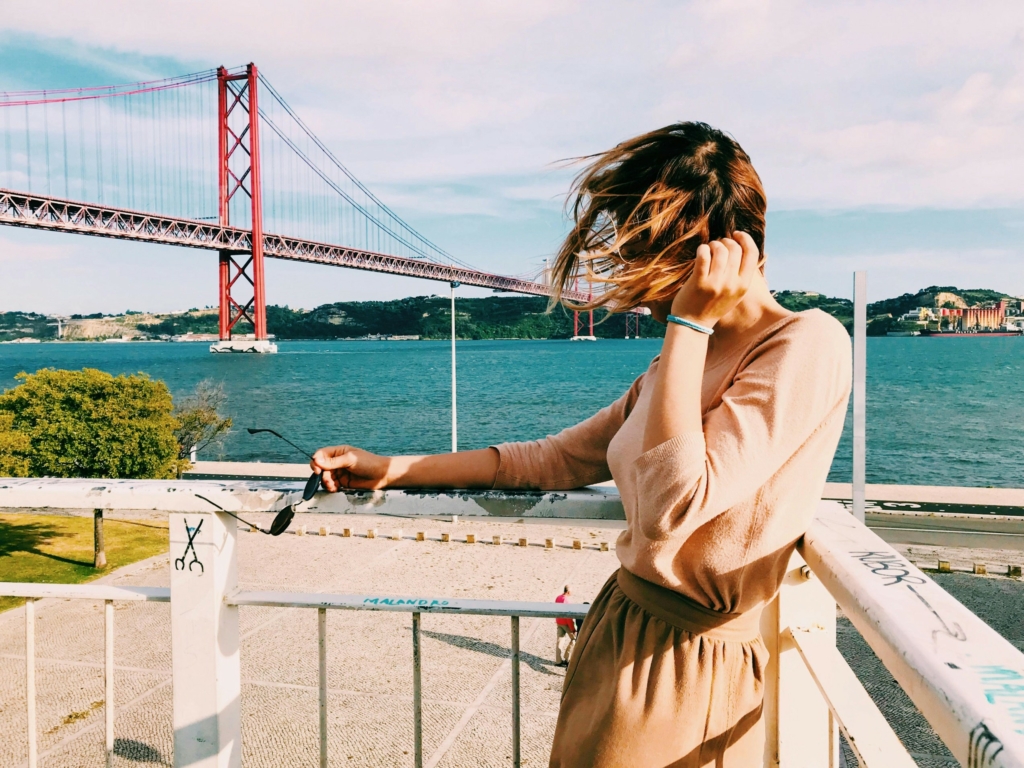
Lisbon brings the route west to Portugal’s Atlantic coast, trading monumental landmarks for tiled façades, steep lanes, miradouros, and neighborhoods shaped by generations of local life. Days here can move between the historic streets of Alfama, a pastel de nata in Belém, and sunset overlooking the Tagus River, making Lisbon an easy place to slow down at the end of a Europe backpacking route.
Must-See Attractions in Lisbon
Lisbon’s must-see attractions combine historic monuments, traditional neighborhoods, riverfront landmarks, and some of the best viewpoints in the city.
| Attraction | Why Visit |
|---|---|
| Belém Tower | A 16th-century UNESCO-listed landmark on the Tagus River closely tied to Portugal’s maritime history. |
| Jerónimos Monastery | A striking example of Manueline architecture and one of Lisbon’s most important historic sites. |
| Alfama | Lisbon’s oldest neighborhood, where narrow lanes, tiled buildings, small squares, and Fado venues climb the hillside below São Jorge Castle. |
| Tram 28 | The historic tram route winds through neighborhoods including Graça, Alfama, Baixa, and Estrela, offering a moving introduction to the city. |
| Miradouro da Senhora do Monte | A hilltop viewpoint overlooking Lisbon’s rooftops, São Jorge Castle, and the Tagus River. |
Traveler tip: Tram 28 gets extremely busy during the middle of the day. Ride early in the morning or later in the evening, and keep valuables secure when the tram is crowded.
Where to Stay in Lisbon
Baixa and Chiado work well for first-time visitors who want to stay central. Meanwhile, Alfama offers historic character, while Cais do Sodré puts restaurants, bars, and transport connections close by.
Home Lisbon Hostel
Family-style dinners are part of the experience at Home Lisbon Hostel, creating a communal setting in the heart of central Lisbon. From its location near Baixa, backpackers can walk to Praça do Comércio, the Santa Justa Lift, and many of the historic center’s streets and landmarks.
Location: R. de São Nicolau 13 2E, 1100-415 Lisboa, Portugal – MAP
Contact: +351 21 888 5312 | Website
Yes! Lisbon Hostel
center, Yes! Lisbon Hostel offers dorms, private rooms, communal spaces, and organized activities near Praça do Comércio. Meanwhile, Baixa, Chiado, and the Tagus riverfront are all within easy walking distance.
Location: R. de São Julião 148, 1100-527 Lisboa, Portugal – MAP
Contact: +351 21 3427 171 | Website
Backpacker tip: Lisbon’s hills are part of its character, but they can turn a short distance on a map into a serious climb. Check the elevation between your accommodation and the nearest metro or tram stop before booking, especially if you’re carrying a full backpack.
When Is the Best Time to Follow This Europe Backpacking Route?
May to June and September to October are some of the best months for this Europe backpacking route. During these periods, you’ll generally find comfortable weather, fewer peak-season crowds, and often better accommodation prices than in July and August.
However, because this itinerary stretches from Scotland to Southern Europe, there isn’t one weather pattern across the entire route. Edinburgh can still feel cool and changeable while Rome, Barcelona, and Lisbon are already warm. Therefore, lightweight layers are useful even if most of your trip falls around the Mediterranean.
| Season | Best for | What to expect |
|---|---|---|
| Spring (March to May) | Sightseeing and lower crowds | Mild conditions in Southern Europe, cooler weather in Edinburgh and Prague, and increasing visitor numbers toward May. |
| Summer (June to August) | Festivals, beaches, and long days | Edinburgh and Prague come alive with events, while Rome, Barcelona, and Lisbon can be hot, busy, and more expensive. |
| Autumn (September to November) | Backpacking and city-hopping | September and early October can bring comfortable sightseeing weather with fewer summer crowds. |
| Winter (December to February) | Christmas markets and lower-season city breaks | Cold conditions in Edinburgh and Prague, milder temperatures farther south, and shorter daylight hours across the route. |
Traveler tip: If you have flexibility, aim for late May, June, September, or early October. You’ll still need to pack for different climates, but you’ll avoid some of the biggest summer crowds while keeping beaches, walking routes, and outdoor attractions firmly on the itinerary.
Traveling in peak summer isn’t necessarily a bad call either. Barcelona and Lisbon have their strongest beach energy, while Edinburgh’s cultural calendar reaches its annual high point in August. However, the trade-off is heavier crowds and greater demand for accommodation and transport. For that reason, it’s worth booking the major legs of the route earlier.
How Much Does This Europe Backpacking Route Cost?
Budget around €60 to €150+ ($68 to $171+ USD) per person, per day for this Europe backpacking route. Your actual spend will depend on the city, season, accommodation, activities, and how far ahead you book transportation.
Edinburgh and Rome can push the daily total higher, particularly during peak travel periods, while Prague and Lisbon can help balance the budget. Because accommodation and transportation are usually two of the biggest expenses, booking popular dates early can make a noticeable difference across a two-week trip.
| Travel style | Estimated daily budget | What it covers |
|---|---|---|
| Budget backpacker | €60–90 ($68–103 USD) | Hostel dorms, public transport, affordable meals, and selected paid attractions. |
| Mid-range traveler | €90–150 ($103–171 USD) | Private hostel rooms or budget hotels, restaurant meals, public transport, and more paid activities. |
| Comfortable traveler | €150+ ($171+ USD) | Private accommodation, frequent restaurant meals, taxis or rideshares, and higher-cost experiences. |
How to Save Money on a Europe Backpacking Route
A few intentional choices can stretch your budget without turning the trip into a constant hunt for the cheapest option:
- Book the longest transport legs early. Flights and popular train routes can become considerably more expensive closer to departure.
- Use hostel kitchens when available. Cooking even one meal a day can make a difference over two weeks.
- Walk compact city centers. Edinburgh, Prague, Rome, Barcelona, and Lisbon all have large areas that are best explored on foot.
- Choose paid attractions intentionally. Balance major-ticket sights like the Colosseum or Sagrada Família with free neighborhoods, parks, viewpoints, and markets.
- Travel outside July and August. Shoulder-season dates can mean better accommodation availability and less pressure to book everything months ahead.
Budget tip: Don’t compare destinations purely by the price of a dorm bed. A centrally located hostel may cost slightly more but save money on daily transport, particularly in cities where most of your itinerary can then be covered on foot.
Backpacker Safety & Essential Tips for Europe
Backpacking through Europe is relatively easy thanks to its well-connected cities and established travel infrastructure. Still, a little preparation goes a long way, especially when navigating busy stations, crossing borders, and keeping track of your belongings along the route.
Keep Your Belongings Secure in Busy Areas
Pickpocketing is one of the more common issues travelers encounter around major tourist attractions, stations, and crowded public transport. Keep your phone and wallet somewhere secure, close bags properly, and pay extra attention around places such as Barcelona’s La Rambla, Rome’s Termini Station, and Prague’s Old Town.
Plan Your Transport Between Countries
Europe’s rail network is excellent, but not every journey needs to be by train. For example, a short flight can make more sense when connecting Edinburgh with mainland Europe or covering a longer stretch of the route. Before choosing, compare the full journey, from ticket and baggage costs to airport transfers and hours spent in transit.
Book Major Attractions Before You Arrive
Popular attractions like the Colosseum, Vatican Museums, Sagrada Família, and Edinburgh Castle can have limited timed-entry availability during busy periods. Therefore, book your must-see attractions in advance while leaving the rest of your itinerary flexible.
Pack for More Than One Climate
Weather can change considerably between stops. So, pack lightweight layers that work across different climates, along with comfortable walking shoes and a compact waterproof jacket. You’ll be ready for both Lisbon sunshine and an Edinburgh downpour without having to carry half your wardrobe.

Stay Connected Across Borders
An eSIM with European coverage can be useful for a multi-country itinerary, particularly for navigation, digital boarding passes, accommodation details, and last-minute transport changes. If you prefer physical SIM cards, check roaming coverage before crossing into another country.
Carry the Right Travel Adapter
Don’t let a different plug socket derail your first night in a new city. Most mainland stops use Type C or Type F, while Scotland uses Type G. Instead of packing multiple adapters, bring one universal option that works across the route.
Get Travel Insurance Before the Trip
Travel insurance can help cover unexpected medical expenses, cancellations, baggage problems, and travel disruption. SafetyWing is one option for travelers looking for flexible coverage, particularly on longer or multi-country trips. Always check the policy details to make sure your planned activities and destinations are covered.
Traveler tip: Save copies of your passport, insurance details, hostel bookings, and major transport tickets somewhere you can access without your main phone. A lost bag or dead battery is considerably easier to deal with when the essentials aren’t stored in one place.
How to Plan Your Europe Backpacking Route
Build Your Route Around Geography
Start by mapping out where each destination sits. Edinburgh is the outlier on this route, so flying between Scotland and mainland Europe can be more practical than traveling entirely overland. Once you’re on the continent, compare trains, buses, and short-haul flights to find the best balance between cost and travel time.
Give Each Destination Enough Time
Two or three nights may be enough for smaller cities. However, an extra day leaves time for neighborhood wandering, a spontaneous day trip, or simply exploring without watching the clock. If the itinerary starts revolving around check-ins and departures, cut a stop and give the remaining cities more room.
Keep Some Plans Flexible
Get the essentials booked, but don’t schedule every minute. Instead, leave room for the café someone recommends at breakfast, an afternoon with new hostel friends, or a neighborhood you didn’t know was worth exploring until you arrived.
Choose Accommodation That Fits the Route
When you’re carrying a backpack from city to city, a good location makes a difference. For example, staying close to transport links or within walking distance of major sights can make early departures and sightseeing much easier. Social hostels like Code and YellowSquare also make it easier to meet fellow travelers between stops.
Backpacker tip: Treat the two-week itinerary as a framework, not a challenge. If Edinburgh deserves another night or you want more time by the Mediterranean, change the route. The best itinerary is the one that leaves enough space to actually experience each stop.
Ready to Go Backpacking in Europe?
From Edinburgh’s medieval streets and Prague’s Gothic skyline to Rome’s ancient landmarks, Barcelona’s Mediterranean coast, and Lisbon’s hillside neighborhoods, this route brings together five distinct sides of Europe.
Start with the route, but don’t treat it like a checklist. Plan the cities, key transport, and places you already know you want to see, then leave room to meet new people and follow unexpected detours. Stay an extra night if a city clicks, take a day trip on a local recommendation, or swap a packed sightseeing day for a slower afternoon. A good Europe itinerary gives you direction without deciding every moment of the trip.
FAQs: Europe Backpacking
A good Europe backpacking route combines destinations that are well connected while offering different experiences along the way. Edinburgh, Prague, Rome, Barcelona, and Lisbon create a varied itinerary covering medieval cities, historic landmarks, Mediterranean beaches, food, and nightlife. Adjust the route according to your available time, budget, and interests.
Two weeks is enough to visit around four or five European cities, but the pace can feel fast if every stop requires a flight or long train journey. Spending two to four nights in each destination and choosing efficient transport connections can make the trip more manageable.
Long-distance buses are often among the cheapest options, while advance train fares and budget airlines can also offer good value. Compare the full cost before booking, including seat reservations, baggage fees, and transportation between airports and city centers.
A Eurail Pass can be worthwhile if your route includes several long or flexible train journeys. However, individual advance tickets may cost less for a fixed itinerary with only a few rail trips. Therefore, compare the price of both options before purchasing a pass.
At around €60 to €150 per day, a two-week trip could require roughly €840 to €2,100 ($958 to $2,394 USD) for everyday travel expenses. Keep international flights, travel insurance from providers such as SafetyWing, and major shopping purchases outside this daily budget.
Europe is a popular destination for solo backpackers, with extensive public transportation and a large hostel network. Take normal precautions in crowded tourist areas and transport hubs. In addition, keep valuables secure and check local travel advice for each country before arriving.
Visa requirements depend on your nationality and itinerary. The Schengen Area covers many European countries, but the United Kingdom, including Scotland, operates its own entry rules. Therefore, check the official immigration requirements for every country on your route before booking your trip.
Pin Now. Read Later.


