





Contents
Quick Answer: What Is the Best Way to Get from Chiang Mai to Luang Prabang in 2026?
There are three main ways to travel from Chiang Mai to Luang Prabang: flying, taking the overland bus route via Huay Xai, or doing the iconic Mekong slow boat journey through Laos.
If you are short on time, flying is easily the best option. But if you want the full Southeast Asia backpacking experience, the overland route through northern Laos is the kind of journey travelers end up talking about long after the trip is over.
| Transport Option | Travel Time | Cost | Best For |
| Flight | 1 hr 5 mins to 1 hr 15 mins | 2,700–8,000 THB ($75–$220 USD) | For travelers who value time, comfort, and avoiding 20 hours of mountain roads |
| Bus (via Huay Xai) | 10–13 hrs + border crossing | 650–1,300 THB ($18–$35 USD) | Cheapest way to get there, but your back might file a complaint afterward |
| Bus + Slow Boat | 2–3 days | 1,100–2,400 THB ($30–$65 USD total) | The classic backpacker route people keep talking about months later |
| Luxury Cruise | 2 days | 9,500–23,500 THB ($260–$650 USD) | For travelers who want Mekong views without sacrificing comfort |
Flight prices can jump fast during peak season, especially between November and February, when backpackers, digital nomads, and literally everyone escaping winter seem to be heading into Southeast Asia at the same time.
What’s the Chiang Mai to Luang Prabang Route Actually Like?
There is no direct bus or train between Chiang Mai and Luang Prabang, which means getting there overland feels less like simple transportation and more like a proper backpacker mission.
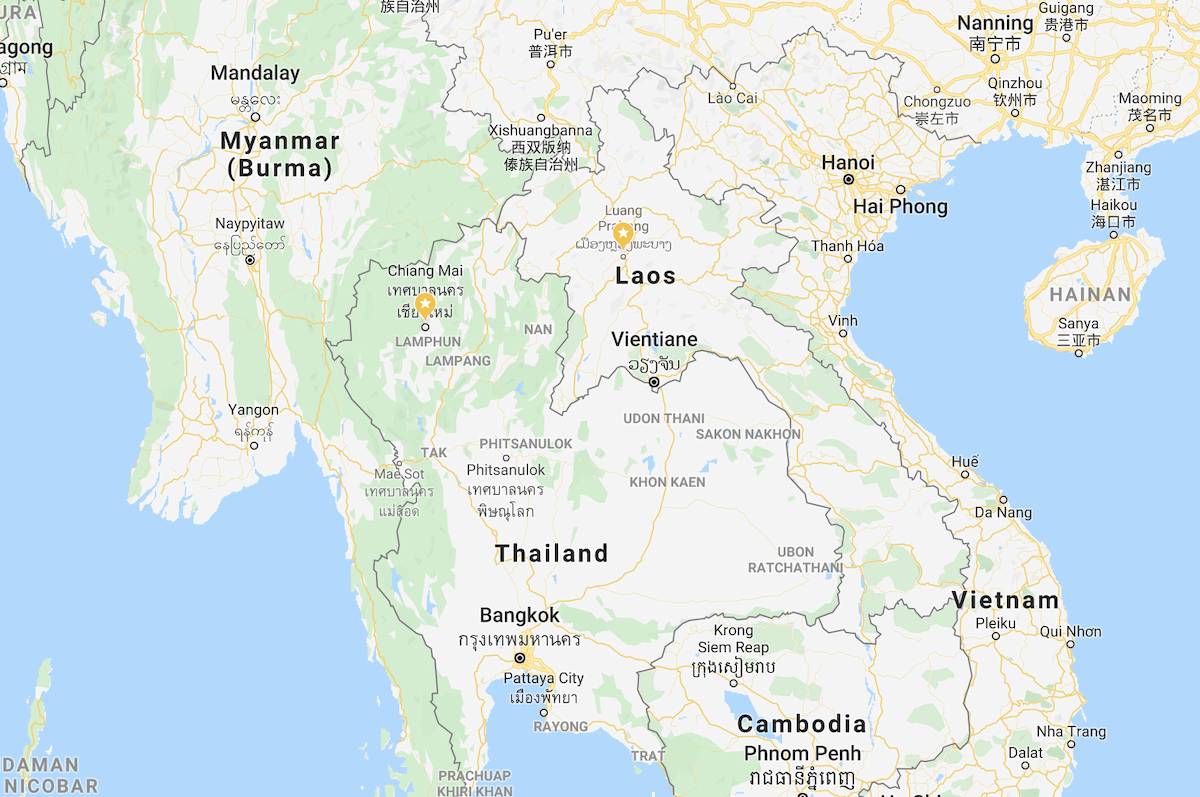
All overland routes follow this path:
Chiang Mai → Chiang Khong → Thai–Lao Friendship Bridge → Huay Xai → Luang Prabang
The journey involves border crossings, winding mountain roads, random roadside snack stops, and eventually drifting down the Mekong River surrounded by jungle-covered hills and tiny riverside villages.
It is slower, less comfortable, and definitely more chaotic than flying.
But honestly, that is exactly why backpackers love it.
By the time you finally arrive in Luang Prabang, it feels like you actually traveled there instead of just appearing at the airport.
Chiang Mai to Chiang Khong Bus
The first part of the journey takes you from Chiang Mai to Chiang Khong, a quiet little border town sitting right beside the Mekong River.
This is where the trip starts feeling less like a normal holiday and more like the beginning of a proper backpacker adventure.
Tickets can be booked at the terminal, through local travel agencies around Chiang Mai, or online via platforms like 12Go Asia.
Before your trip: Take a morning bus if possible. Arriving in Chiang Khong before sunset gives you time to grab dinner near the river, exchange money if needed, and avoid stumbling into border-crossing chaos first thing the next morning.
Thai–Lao Friendship Bridge Crossing (Chiang Khong to Huay Xai)
This is where the trip officially starts feeling real.
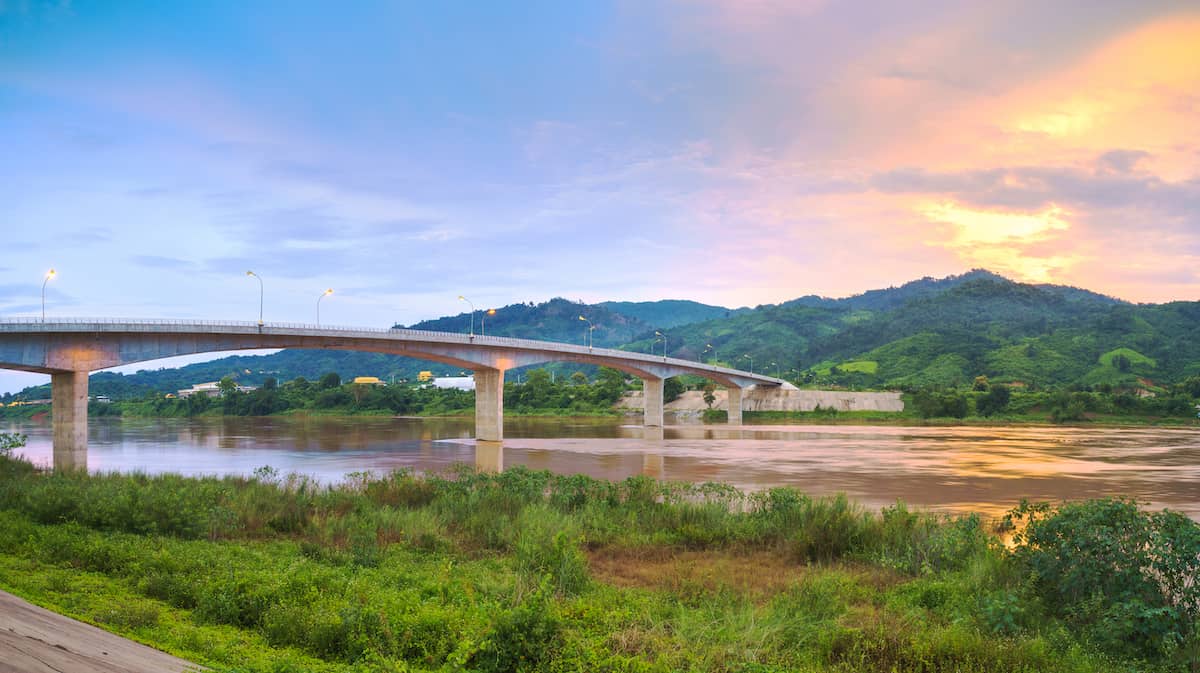
After leaving Chiang Khong, you will hop on a shuttle bus across the Thai–Lao Friendship Bridge and enter Huay Xai, the small Laos border town where most backpackers begin their overland journey deeper into the country.
And yes, this part can feel slightly chaotic.
There will be backpacks everywhere, confused travelers holding paperwork, people exchanging cash at the last second, and someone inevitably asking, “Wait… are we in Laos already?”
Laos Visa on Arrival (2026)
Visa-on-arrival fees for Laos usually range between 650,000–920,000 LAK ($30–$42 USD), depending on nationality.
You will need:
- your passport
- a passport photo
- passport photocash payment for the visa fee
The process itself is usually pretty straightforward and normally takes around 30 minutes to 1 hour, depending on queue size and time of day.
Make the Crossing Easy: Queues get noticeably worse later in the day, and arriving in Huay Xai earlier makes organizing buses, accommodation, or slow boat tickets way less stressful.
Also, ignore random “helpers” near the border trying to sell overpriced transport packages. You can usually sort everything yourself once you arrive in Huay Xai.
Bus from Huay Xai to Luang Prabang (Fastest Overland Option)
If you want to reach Luang Prabang quickly without paying flight prices, the direct bus is the fastest overland option.
- Departure: Keo Champa Bus Terminal (Huay Xai)
- Schedule: Typically once or twice daily, often in the morning and late afternoon, depending on demand
- Travel time: 10 to 13 hours
- Price: 380,000–700,000 LAK ($18–$32 USD depending on whether you choose a standard bus or a minivan)
The views are unreal. The road spends the next 10 hours making sure you earn them.
The road cuts through the mountains of northern Laos with nonstop curves, sudden braking, and enough sharp turns to make even confident travelers question their life choices for a moment.
Still, this route gives you a raw look at northern Laos that most travelers never see from a plane window.
Travel times can also increase during rainy season when road conditions become rougher.
Before You Ride: If you get motion sickness easily, sit near the front and take medication before the journey starts. Your future self will thank you.
Slow Boat from Huay Xai to Luang Prabang (Most Scenic Route)
This is the classic Laos backpacker experience and one of those trips people keep talking about long after Southeast Asia ends.
- Duration: 2 days (overnight in Pakbeng)
- Price: 630,000–900,000 LAK (approximately $30–$45 USD)
- Daily travel time: 6 to 7 hours
If you book transport packages from Thailand, total costs usually end up around 650,000–1,400,000 LAK ($30–$65 USD), including transfers and accommodation.
You will drift past jungle-covered hills, tiny riverside villages, fishermen along the Mekong, and sunsets that make everyone suddenly stop talking for a minute.
And somewhere between the shared snacks, card games, and questionable wooden seats, the journey starts feeling like part of the adventure instead of just transportation.
Make the Most of the Mekong: Arrive at least 45 minutes before departure to secure a better seat. Bring snacks, sunscreen, toilet paper, a portable charger, and something soft to sit on because those wooden benches get very humbling after a few hours.
Overnight in Pakbeng
The slow boat journey includes an overnight stop in Pakbeng, a tiny riverside town where backpackers recharge before continuing down the Mekong the next morning. There is not much happening here, but after spending the entire day on the river, even simple things suddenly feel amazing.
A hot meal, a cold Beer Lao, a proper shower, and a real bed somehow feel like luxury after hours on wooden benches. By sunset, travelers usually end up hanging around the same riverside spots, swapping stories, talking about where they are headed next, and realizing the random strangers from the boat somehow became the group for the night.
Luxury Mekong Cruise (Premium Experience)
After reading about wooden benches, border crossings, and mountain roads, you might have already decided that sounds like someone else’s adventure.
Fair enough.
Luxury cruises like Shompoo Cruise and Luang Say Cruises let you experience the Mekong at a much slower, more comfortable pace, with meals, accommodation, and river views all taken care of.
Prices typically range from 5,700,000 LAK ($260 USD) to 14,200,000 LAK ($650 USD), depending on the season and cabin type.
Worth Knowing: Traveling between November and February? Book early. The comfortable cabins tend to disappear long before the wooden benches do.
Flights from Chiang Mai to Luang Prabang (Fastest Option)
If you would rather maximize your time in Luang Prabang, flying is the fastest way to get there.
- Flight time: 1 hour 10 minutes
- Price: 1,890,000–4,620,000 LAK (approximately $90–$220 USD)
- Airlines: Lao Airlines, Bangkok Airways
Flights operate several times per week and are ideal if you want to avoid long travel days and border crossings.
Before Your Flight: Arrive at Chiang Mai International Airport at least two hours before departure. Visa on arrival in Luang Prabang is simple if required, but having cash and a passport photo ready will speed up the process.
What Should You Know Before Traveling from Chiang Mai to Luang Prabang?
Before you travel, remember that there is no direct train between Chiang Mai and Luang Prabang, and all overland routes cross the border through Chiang Khong and Huay Xai. If you are taking the slow boat, plan for an overnight stop in Pakbeng. Travel schedules in Laos can also be flexible, especially during the rainy season, so it is worth leaving a little extra room in your itinerary for delays.
Mad Monkey Insider Tips: It is possible to travel by speedboat, but this option is not recommended due to safety concerns and discomfort.
Final Thoughts: Is the Chiang Mai to Luang Prabang Route Worth It?
Absolutely. The best route really comes down to what kind of traveler you are.
If you are short on time, the flight gets you there fast. If you are chasing the full backpacker experience, the overland route delivers plenty of stories before you even reach Luang Prabang.
From temple-lined streets and sunset views over the Mekong to night markets and waterfall day trips, Luang Prabang has a way of making travelers stay longer than they planned.
Just do not be surprised if a couple of nights in Luang Prabang somehow turns into a week.
Frequently Asked Questions About Traveling from Chiang Mai to Luang Prabang
No, there is no direct bus or train from Chiang Mai to Luang Prabang. All overland routes require a transfer via Chiang Khong, crossing into Huay Xai before continuing to Luang Prabang.
Travel time depends on the route you choose. Flying takes around 1 hour, the bus and slow boat combination usually takes 2–3 days, and the overland bus route via Huay Xai typically takes around 16–24 hours in total, including the border crossing.
The cheapest way to get from Chiang Mai to Luang Prabang is usually the overland route via Chiang Khong and Huay Xai, followed by the public slow boat to Luang Prabang. Depending on accommodation, transfers, and where you book tickets, most backpackers spend around 650,000–1,400,000 LAK ($30–$65 USD) in total.
Yes. The slow boat is uncomfortable at times, but for many backpackers it becomes one of the most memorable experiences in Laos.
Most nationalities can get a Laos visa on arrival at the border. Fees usually range from ≈ 650,000–920,000 LAK ($30–$42 USD), depending on nationality.
The route is safe but long and winding. If you struggle with motion sickness, the slow boat or flight may be a much better experience.
More information about how to get from Chiang Mai to Luang Prabang
Did you find this article about how to get from Chiang Mai to Luang Prabang useful? Are you looking for other travel routes to get from Thailand to Laos? Then check out these other articles we’ve rounded up for your reading pleasure!
- How to Travel to Laos from Laos Adventures
- Getting From Chiang Mai to Laos by Greg Rodgers from TripSavvy
- Crossing the Border from Thailand to Laos by Carly Asia from Travelographie
- Bangkok to Laos by Bus: Routes, Timetable, Pricing & Visa Information from The Thailand Life
- Navigating the Friendship Bridge from Thailand to Laos from TravelFish
Pin Now. Read Later