






Contents
TL;DR
- Backpacking prioritizes time over money: longer trips, dorm beds, overnight buses, and a daily budget that keeps the journey going for months. Flashpacking prioritizes money over time: shorter trips, private rooms or a mix of stays, faster transport, and more spending on experiences.
- Southeast Asia is where the two styles overlap easily because accommodation, food, and local transport can remain relatively affordable even when you add more comfort.
- You don’t have to choose one style for an entire trip. Many travelers mix dorms and private rooms, overnight trains and flights, street food and restaurants depending on the destination.
What Is the Difference Between Backpacking and Flashpacking?
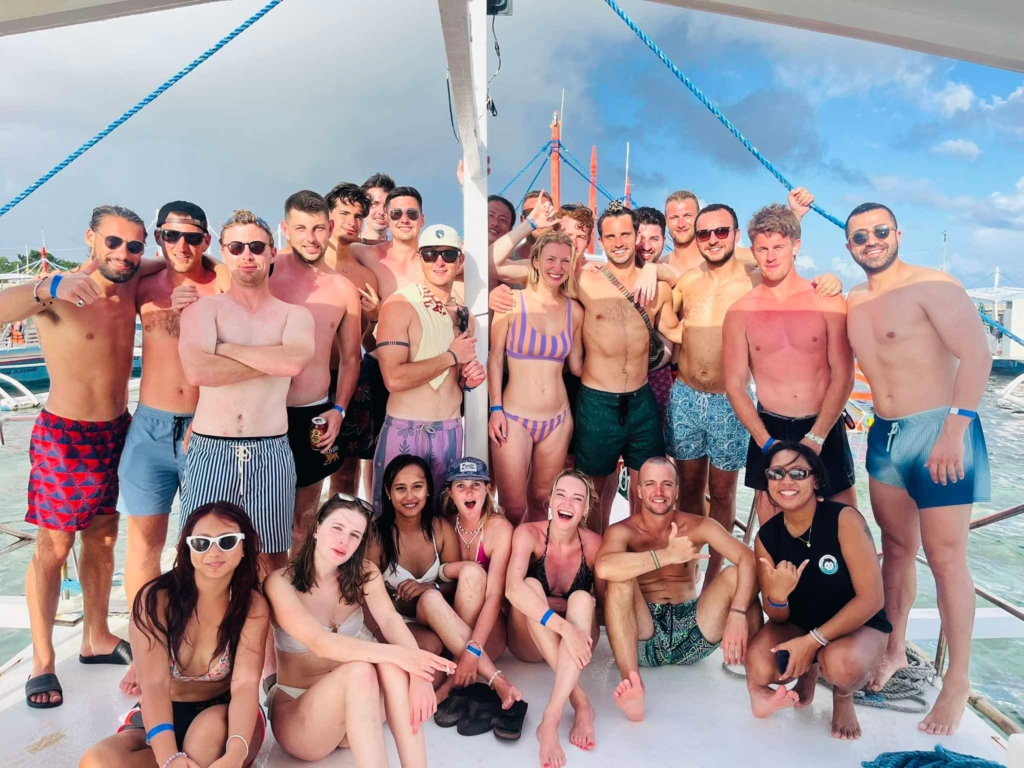
Backpacking is low-cost, independent, long-duration travel: shared dorms, public transport, street food, and a route that bends to whoever you met at breakfast. Flashpacking keeps the independence and social instinct but adds disposable income, so the traveler can pay to remove friction, such as taking a flight instead of a 14-hour bus, or pay to add depth, such as joining a guided trek.
The distinction is less about age than it used to be. The more useful test today is a question of trade-offs: when time and money conflict, which one do you protect?
| Travel Needs | Backpacker | Flashpacker |
|---|---|---|
| Trip length | Months | Two to four weeks |
| Accommodation | Dorm beds, homestays, work exchanges | Private rooms, boutique stays, or a mix |
| Transport | Overnight buses, trains, slow boats | Domestic flights, faster trains, private transfers |
| Food | Street stalls, local eateries, hostel kitchen | Restaurants and cafés, with street food still part of the trip |
| Spending pattern | Save where possible, splurge occasionally | Spend more when it saves time or adds an experience |
| Gear | Larger pack, practical essentials | Lighter pack, laptop, camera, quality travel gear |
Cultural context: In Southeast Asia, the label matters less than the choices behind it. Travelers often switch between dorms, private rooms, buses, flights, and local transport depending on the destination and how much time they have.
How Much Does Backpacking vs Flashpacking Cost in Southeast Asia?
There is no single Southeast Asia backpacking budget because daily costs vary significantly between countries, islands, cities, and travel seasons. As a broad planning guide, a backpacker might spend around $30–45 USD per day, while a flashpacker may spend roughly $70–120+ USD depending on accommodation, transport, and how often they pay for tours or private transfers.
Traveling on a tighter budget? Our guide to How to Travel Southeast Asia on $30 a Day and Where It’s Actually Possible breaks down where that budget can still work and where you’ll need to spend more.
| Travel style | Typical daily budget | Usually includes |
|---|---|---|
| Backpacker | $30–45 USD | Dorm bed, local food, public transport, occasional activities |
| Mid-range | $45–70 USD | Better accommodation mix, restaurants, taxis, regular activities |
| Flashpacker | $70–120+ USD | Private room, faster transport, tours, restaurants, occasional flights |
These are regional planning ranges rather than fixed prices. Thailand, Vietnam, Cambodia, the Philippines, Indonesia, Laos, and Malaysia can all produce very different daily totals.
What the numbers hide is where the money goes. Backpackers spend more of their budget on staying longer. Flashpackers tend to spend more per day on reducing travel time, improving comfort, or fitting more experiences into a shorter trip.
What Do Flashpackers Spend Money On?
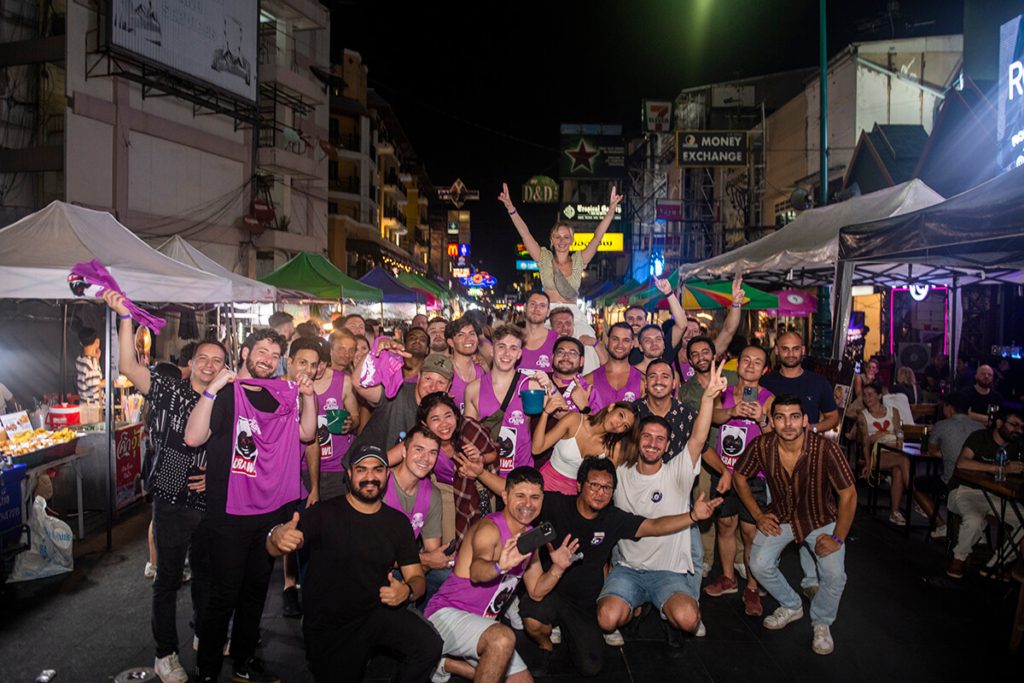
Flashpackers usually spend more on the things that save time or make a short trip more comfortable. That might mean taking a flight instead of an overnight bus, booking a private room after several nights in a dorm, or paying for a guided experience rather than arranging every detail independently.
The spending usually falls into four areas:
- Accommodation: private hostel rooms, boutique stays, or a mix of dorms and private rooms.
- Transport: domestic flights, taxis, private transfers, or faster connections between destinations.
- Food: restaurants and cafés alongside the same street food and local spots used by backpackers.
- Experiences: diving, guided treks, cooking classes, island trips, and other activities that can take a larger share of the daily budget.
The difference is less about spending on luxury and more about deciding which parts of the journey are worth paying to make easier.
Where Do Backpackers and Flashpackers Stay in Southeast Asia?
Accommodation is often where the difference becomes most visible. Backpackers tend to prioritize a low nightly rate and the social atmosphere of a dorm, while flashpackers may pay more for a private room, boutique stay, or simply a quieter place to sleep.
But the two styles overlap easily. A traveler can spend three nights in a dorm, book a private room after a long stretch on the road, then return to shared accommodation in the next city.
Social hostels are particularly suited to this kind of mixed itinerary because the accommodation choice does not have to determine the rest of the trip.
Traveling with a mixed budget? Mad Monkey’s Southeast Asia hostels make it easy to stay social while deciding where you want to save, splurge, or upgrade. The network spans Thailand, Vietnam, Cambodia, the Philippines, Indonesia, and Laos, with destinations ranging from major cities and cultural centers to beach and island stops.
| Destination | Why Travelers Stop Here |
|---|---|
| Bangkok | Khao San Road, Old Town, street food, nightlife, and easy connections across Thailand |
| Chiang Mai | Temples, northern Thai food, cafés, markets, and trips into the surrounding mountains |
| Pai | Mountain scenery, hot springs, viewpoints, and scenic scooter routes |
| Phuket | Southern Thailand beaches, island trips, and coastal exploring |
| Hanoi | Old Quarter streets, Vietnamese food, Hoàn Kiếm Lake, and access to northern Vietnam |
| Hoi An | Ancient Town, local food, lantern-lit streets, and easy access to An Bàng Beach |
| Ha Giang | Mountain passes, rural villages, and northern Vietnam’s famous motorbike routes |
| Phnom Penh | Cambodian food, riverside neighborhoods, history, and onward routes through the country |
| Siem Reap | Angkor’s temples, local markets, cafés, and Cambodia’s cultural heartland |
| Kampot | Riverside cafés, pepper farms, countryside trips, and a slower southern Cambodia pace |
| Koh Rong | Long beaches, turquoise water, island days, and a break from mainland travel |
| Koh Sdach | A quieter island stop for travelers looking beyond Cambodia’s better-known coast |
| Manila | Poblacion’s food and nightlife scene plus connections to the Philippine islands |
| Panglao | Beaches, diving, island-hopping, and easy access to Bohol |
| Siargao | Surf breaks, island-hopping, coconut-lined roads, and General Luna’s social scene |
| Dumaguete | Diving, nearby islands, coastal food spots, and easy access to Apo Island |
| Siquijor | Waterfalls, beaches, coastal roads, and a slower island rhythm |
| Nacpan Beach | Palawan’s long beach, open coastline, and a quieter alternative to busier beach hubs |
| Gili Trawangan | Diving, snorkeling, beach days, and island life |
| Kuta Lombok | Surf beaches, coastal drives, and southern Lombok’s quieter landscape |
| Nusa Lembongan | Diving, snorkeling, beaches, and a slower alternative to mainland Bali |
| Uluwatu | Surfing, cliffside beaches, sunset spots, and southern Bali’s coastal scene |
| Luang Prabang | Temples, Kuang Si Falls, night markets, and a slower riverside pace |
| Vang Vieng | Limestone landscapes, outdoor activities, and the Nam Song River |
No destination belongs exclusively to backpackers or flashpackers. You can change your spending style from one stop to the next.
A dorm in Bangkok, a private room in Hoi An, an overnight train through Thailand, and a flight to the Philippines can all belong to the same trip.
Which Transport Do Backpackers and Flashpackers Use in Southeast Asia?
Transport is where the two approaches often separate most sharply. A backpacker on the Bangkok-to-Chiang Mai route might take the overnight train because it combines transport with a night’s accommodation. A flashpacker may choose a flight to save several hours.
The same logic plays out on long connections across the region:
- Hanoi to Hoi An: Travelers can choose an overnight train or sleeper bus, while flying to Da Nang can reduce travel time before the onward transfer to Hoi An.
- Phnom Penh to Koh Rong: Travelers need to reach Sihanoukville before continuing by speed ferry to Koh Rong, so both backpackers and flashpackers use the same basic route.
- Bangkok to northern Thailand: An overnight train can save a hotel night, while flying lets travelers reach Chiang Mai much faster.
- Manila to Siargao or Palawan: Domestic flights are often the practical option for travelers crossing large distances between Philippine islands, which can make transport a significant part of the overall budget.
- Luang Prabang to Vang Vieng: The Lao-China Railway provides a faster alternative to longer road journeys between the two destinations.
Safety note: Long-distance buses and overnight transport vary considerably in quality. Check recent reviews and ask your accommodation about reputable operators before booking, particularly when schedules or routes have changed.
How Do You Choose Between Backpacking and Flashpacking?
The choice usually comes down to three questions.
How long do you have? With under three weeks, many travelers choose to spend more on faster transport because they have less time to work with. If you have several months, an overnight train or bus can make more sense financially and can become part of the experience.
What do you want from the trip? Some travelers enjoy the unpredictability of a longer journey: the missed connection that becomes a two-day stopover, or the dorm-mate who becomes a travel partner for a month. Others would rather spend their limited leave on a dive, trek, cooking class, or carefully planned route.
How do you handle things going wrong? A cancelled ferry might mean waiting for the next departure, while another traveler might spend more to change their accommodation or transport plans. Both approaches can work. The important part is knowing which compromises you are comfortable making.
Can You Flashpack Without Losing the Backpacker Experience?
Absolutely. Many travelers end up mixing the two styles rather than following one set of rules.
A workable hybrid looks like this:
- Book dorms in cities where the social layer matters, such as Bangkok, Hanoi, Phnom Penh, or Siem Reap, and choose more private accommodation when you need proper rest.
- Take an overnight train or bus at least once on a route where you have enough time to enjoy the slower pace.
- Put the money you save toward one experience you would otherwise skip, whether that’s a cooking class, dive, guided trek, or island trip.
- Shop from local businesses and independent vendors when possible instead of defaulting to mass-produced souvenirs. It can be a similar spend while giving you a more direct connection to the place you’re visiting.
Traveler tip: Ask hostel staff which nights are likely to be quieter before deciding whether to upgrade your room. The front desk usually has a better sense of the events calendar, occupancy, and where the social activity is happening.
Backpacking or Flashpacking?
Backpacking and flashpacking are not really opposing travel identities. They are different ways of allocating the same three things: time, money, and comfort.
You can take the overnight train through Thailand, then spend more on a private room in Hoi An. A dorm in Bangkok can be followed by a flight to your next destination, while a strict daily budget for one week might leave room for a dive or guided trek the next.
In Southeast Asia, there is no need to pick one label and stick to it. The better approach is to decide what is worth your time, what is worth paying for, and where you want the journey to take you.
Frequently Asked Questions
A flashpacker is an independent traveler who uses backpacker infrastructure, such as hostels and local transport, but travels with a larger budget and often less time. The term generally describes travelers who spend more on comfort, convenience, technology, or experiences while retaining the independence associated with backpacking.
A flashpacker generally spends more per day because private accommodation, faster transport, restaurants, tours, and other paid experiences take up a larger share of the budget. The difference can be relatively modest in Southeast Asia compared with destinations where accommodation and transport are significantly more expensive.
Yes. Flashpacking does not mean staying in hotels. Many hostels offer private rooms or more private accommodation alongside dorms, allowing travelers to spend more on personal space while still using shared social areas and joining activities.
It depends on the destination and itinerary. Vietnam, Cambodia, Laos, Thailand, the Philippines, and Indonesia all have different accommodation and transport costs. A flashpacker who takes frequent flights and books private rooms will naturally spend more than one who uses trains, buses, and occasional dorms.
A flashpacker generally retains the independent, hostel-based side of backpacking but has more money to spend on comfort and experiences. A poshpacker usually pushes further toward upscale accommodation, boutique hotels, and higher-end experiences while keeping an independent travel itinerary.
Pin Now. Read Later.


