






Contents
TL;DR
- Australia and New Zealand are a natural next step beyond Southeast Asia, combining established backpacker routes with beaches, surf towns, major cities, alpine landscapes, road trips, and outdoor adventure.
- Australia works best as a regional route rather than a country-wide checklist, with the east coast connecting major backpacker stops before the journey continues across the Tasman Sea.
- New Zealand is more compact, making it easier to combine cities, hiking destinations, lakes, mountains, and road trips within a shorter timeframe.
- Mad Monkey provides a social base across key Australian backpacker destinations, while LyLo extends the route through Australia and New Zealand.
- Travelers don’t need to follow every stop in order. Use this route as a framework, stay longer where the social pulse fits, and leave room for destinations that change the original plan.
Why Backpack Australia and New Zealand in 2026?
Australia and New Zealand share a corner of the world, but their backpacking rhythms are distinct.
Australia demands the long route. Spanning tropical Queensland, surf towns, sprawling cities, and vast coastlines, it’s built for constant movement and shifting plans. New Zealand delivers that same energy in a far tighter footprint—moving quickly from Auckland’s urban center and Rotorua’s geothermal landscapes to Wellington’s creative hub and the South Island’s alpine lakes and hiking trails.
Both are connected by a well-trodden backpacker infrastructure. Working-holiday communities, lively hostels, and shared road trips make it easy to find your groove. Arriving from Southeast Asia, the transition feels seamless—just with grander distances and shifting landscapes.
The Ultimate Australia & New Zealand Backpacking Route
Australia and New Zealand bring two very different energies to the same backpacking route.
Distances in Australia make regional travel more practical than trying to cross the entire country in one trip, while New Zealand’s smaller size makes overland travel easier but still rewards slower stops.
A practical route could look like:
Cairns → Brisbane → Byron Bay → Sydney → Melbourne → Auckland → Rotorua → Wellington → Christchurch → Queenstown
Travelers can reverse the route, skip cities, add smaller coastal stops, or spend several weeks exploring one region.
Think of it as a backbone rather than a fixed itinerary.
Cairns, Queensland
Cairns is one of Australia’s classic backpacker gateways, particularly for travelers arriving from Southeast Asia and heading into Tropical North Queensland.
The city itself is compact, but the surrounding region is the main reason to stay. The Great Barrier Reef lies offshore, while the Wet Tropics and Daintree Rainforest stretch north along the coast.
Cairns also has a well-established backpacker scene, making it an easy place to meet travelers heading south along the east coast. For backpackers looking for a social base, Mad Monkey fits naturally into this part of the route, particularly for solo travelers beginning a longer Australian trip.
Brisbane, Queensland
Brisbane is often treated as a transit city, but staying a few days reveals a different side of Australia’s east coast.
The Brisbane River runs through the center, connecting South Bank, the CBD, and inner-city neighborhoods, while Fortitude Valley and West End bring together live music, independent venues, restaurants, bars, and a younger local social scene.
Brisbane also creates one of the clearest connections between the two accommodation brands on this route. Travelers moving through Mad Monkey’s Australian network can switch to LyLo Brisbane before continuing south or flying across the Tasman.

Byron Bay, New South Wales
Byron Bay slows the route down.
Surfing, beaches, coastal walks, cafés, and a strong alternative culture have made the town a long-running stop on Australia’s backpacker circuit.
It’s also the kind of destination where a planned two-night stay can easily become four, particularly if surfing and slower coastal travel are priorities.
Sydney, New South Wales
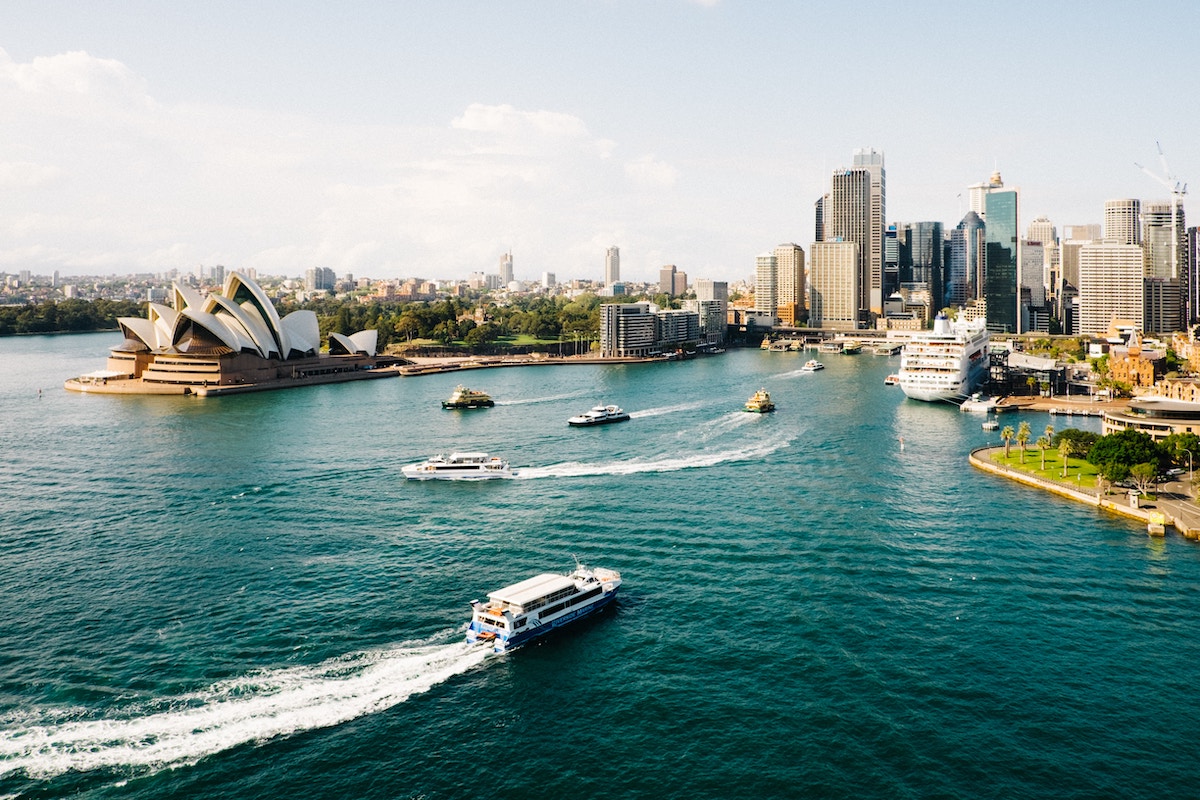
Sydney combines some of Australia’s most recognizable landmarks with neighborhoods that reward travelers who stay beyond the standard sightseeing checklist.
Circular Quay, Sydney Harbour, and Bondi are the obvious starting points, but Newtown, Surry Hills, Glebe, and the city’s coastal suburbs reveal much more of Sydney’s everyday cultural and social pulse.
Sydney is also a useful reset point on a longer east coast journey, with extensive transport connections for travelers continuing around Australia or flying onward to New Zealand.
Melbourne, Victoria
Melbourne shifts the focus from beaches and tropical landscapes toward food, music, art, neighborhoods, and nightlife.
The CBD’s laneways are only the starting point. Fitzroy, Collingwood, Carlton, St Kilda, and Brunswick each bring their own mix of cafés, independent venues, record stores, restaurants, street art, and late-night culture.
For backpackers interested in Australia’s creative subculture rather than another beach stop, Melbourne provides one of the strongest contrasts on the route.
How to Get from Australia to New Zealand
Flying is the most practical way to continue the route from Australia to New Zealand. Major Australian cities have direct connections to Auckland, Christchurch, Queenstown, and other New Zealand destinations.
Auckland makes a practical starting point if you want to travel through both islands from north to south. Christchurch or Queenstown can work better if the South Island is the priority.
There is no need to force the entire country into one itinerary. New Zealand might look small beside Australia, but mountain roads, ferry crossings, hikes, and spontaneous detours can quickly stretch the journey.
Auckland, North Island
Auckland is New Zealand’s largest city and one of the main international gateways into the country.
The waterfront and CBD provide the obvious starting point, but neighborhoods such as Ponsonby and Karangahape Road add independent restaurants, bars, music, and nightlife.
LyLo Auckland gives backpackers a central base with pods, communal areas, and shared spaces that make the transition from Australia’s hostel circuit into New Zealand straightforward.

Rotorua, North Island
Rotorua introduces one of the biggest landscape shifts on the route.
The region sits within an active geothermal area, with steaming vents, bubbling mud pools, hot springs, volcanic landscapes, forests, and lakes surrounding the city.
Rotorua is also an important center for Māori culture, making cultural experiences here more meaningful when approached with context and respect rather than treated as another attraction.
Wellington, North Island
New Zealand’s capital is compact, creative, and easy to explore on foot.
Cuba Street, the waterfront, independent cafés, music venues, breweries, and Te Papa give Wellington a distinctly local rhythm that makes it worth more than an overnight stop before the South Island.
From Wellington, the ferry crossing across Cook Strait to Picton creates one of the most scenic transitions between the North and South Islands.

Christchurch, South Island
Christchurch works as both a destination and a gateway into the South Island.
The city has changed significantly over the past decade, with new public spaces, restaurants, markets, street art, and creative projects reshaping the center.
LyLo Christchurch Airport is particularly practical for backpackers arriving late, leaving early, renting a vehicle, or beginning a longer South Island road trip.
Queenstown, South Island
Queenstown brings the route into New Zealand’s alpine landscape.
Mountains surround Lake Wakatipu, while hiking, skiing, rafting, bungy jumping, cycling, road trips, and day tours make outdoor travel central to everyday life here.
It’s also one of New Zealand’s major backpacker hubs, creating a strong social scene around the outdoor culture. LyLo Queenstown places backpackers close to the center, with pod accommodation and communal spaces suited to travelers who want some privacy without disconnecting from the social side of the trip.
Must-Visit Places and Things to Do in Australia and New Zealand
Australia and New Zealand cover everything from tropical reefs and surf towns to geothermal landscapes and alpine hiking. You don’t need to fit every attraction into one trip. Use these highlights to decide which destinations deserve more time on your route.
| Destination | Must-Visit Places | Things to Do |
|---|---|---|
| Cairns | Great Barrier Reef, Daintree Rainforest, Cairns Esplanade, Atherton Tablelands | Snorkel or dive the Great Barrier Reef, explore the Daintree, chase waterfalls around the Atherton Tablelands, and spend an afternoon along the Esplanade. |
| Brisbane | South Bank, Fortitude Valley, West End, Brisbane River | Walk the riverfront, visit QAGOMA, explore West End, catch live music, and spend an evening around Fortitude Valley. |
| Byron Bay | Cape Byron Lighthouse, Main Beach, Wategos Beach, Cape Byron Walking Track | Take a surf lesson, walk to the lighthouse, swim at Wategos, browse local markets, and slow down for a few beach days. |
| Sydney | Sydney Opera House, Harbour Bridge, Bondi Beach, Newtown, Blue Mountains | Walk from Bondi to Coogee, take a harbour ferry, explore Newtown, see the Opera House, and take a day trip to the Blue Mountains. |
| Melbourne | Fitzroy, Collingwood, Queen Victoria Market, St Kilda, Great Ocean Road | Explore the laneways, browse markets and record stores, experience the city’s live music scene, and road-trip along the Great Ocean Road. |
| Auckland | Mount Eden, Karangahape Road, Auckland Waterfront, Waiheke Island | Walk up Mount Eden, explore K Road, take a ferry to Waiheke Island, and spend time around the waterfront. |
| Rotorua | Whakarewarewa, Redwoods Forest, geothermal reserves, surrounding lakes | Explore geothermal landscapes, learn about Māori culture through reputable local experiences, walk through the Redwoods, and visit nearby hot pools. |
| Wellington | Te Papa, Cuba Street, Mount Victoria, Wellington Waterfront | Visit Te Papa, explore Cuba Street, hike Mount Victoria, check out the city’s independent food and music scene, and continue toward the South Island. |
| Christchurch | Riverside Market, Botanic Gardens, central Christchurch, Arthur’s Pass | Explore the city center, visit Riverside Market, walk through the gardens, and use Christchurch as a base for a South Island road trip. |
| Queenstown | Lake Wakatipu, Queenstown Hill, Arrowtown, Milford Sound | Hike, ski in winter, try an adventure activity, visit Arrowtown, and take a day trip toward Milford Sound. |
Backpacker Tip: Don’t build the route around ticking off every attraction. Pick two or three experiences you genuinely want from each region, then leave enough space for recommendations from locals and other travelers you meet along the way.
Backpacker Safety and Essential Tips for Australia and New Zealand
Australia and New Zealand have established tourism infrastructure, but backpackers still need to account for long distances, changing weather, road conditions, and outdoor environments.
Don’t Underestimate Australian Distances
Australia is enormous. Routes that look manageable on a map can involve hours or even days of overland travel. Compare buses, trains, and domestic flights before automatically choosing the cheapest-looking option.
Prepare for New Zealand Roads
New Zealand is smaller, but driving can take longer than expected because of narrow roads, mountains, changing weather, and winding routes.
Both Australia and New Zealand drive on the left.
Take Outdoor Conditions Seriously
Check forecasts, trail conditions, and local warnings before hiking.
Get Travel Insurance
Travel insurance becomes particularly important if the itinerary includes diving, surfing, hiking, skiing, campervan travel, or adventure activities.
Check exactly which activities your policy covers rather than assuming every outdoor experience is automatically included.
Protect Yourself from the Sun
UV levels can be intense in both Australia and New Zealand.
Use sunscreen, carry water, wear protective clothing when needed, and don’t treat cloudy weather as protection from UV exposure.
Leave Space in the Itinerary
Not every stop needs to be booked weeks in advance.
Reserve the things that genuinely require planning, then leave enough flexibility to extend a stay, change the route, or travel with people you meet along the way.
Backpacker Tip: The best Australia and New Zealand itinerary is rarely the one with the most stops. Long distances, weather, and the people you meet will change the plan. Give the route enough breathing room for that to happen.

Best Time to Backpack Australia and New Zealand
There is no single perfect month because Australia spans several climate zones, while New Zealand’s weather varies significantly between seasons and regions. The best time to visit depends on the experiences you’re looking for.
| Season | Months | What to Expect | Best For |
|---|---|---|---|
| Summer | December to February | Warm weather across both countries with peak travel demand, especially around Christmas and New Year. | Beaches, surfing, hiking, road trips, festivals, and outdoor adventures. |
| Autumn | March to May | Mild temperatures, fewer crowds, and comfortable conditions across much of Australia and New Zealand. | Backpacking both countries, city breaks, hiking, sightseeing, and road trips. |
| Winter | June to August | Snow arrives in New Zealand’s alpine regions, while northern Australia enjoys its dry season. | Skiing and snowboarding in Queenstown, exploring Tropical North Queensland, and winter road trips. |
| Spring | September to November | Warming temperatures, blooming landscapes, and fewer visitors before the summer peak. | Hiking, scenic drives, wildlife experiences, and shoulder-season travel. |
Traveler Tip: Instead of planning around the whole country, plan around the regions you want to explore. Australia can have tropical sunshine in the north while southern states are much cooler, and New Zealand’s alpine weather can change quickly even during summer.
Where to Stay While Backpacking Australia and New Zealand
Where you stay matters more on a long backpacking trip than it does on a short holiday.
Location affects transport costs and how much of a destination you can explore on foot, while communal spaces, activities, kitchens, and shared areas can shape the social side of the trip, particularly for solo travelers.
Mad Monkey in Australia
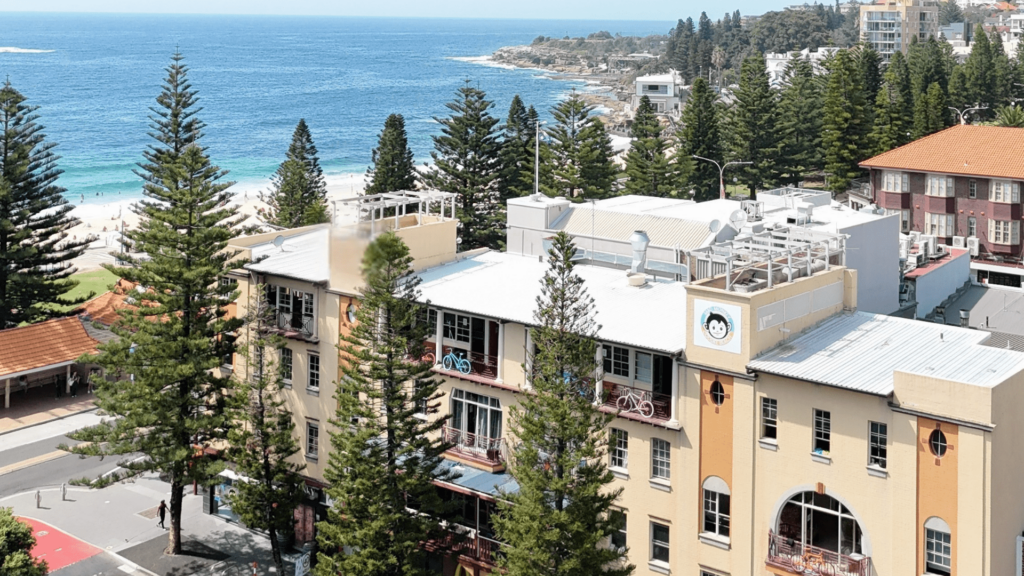
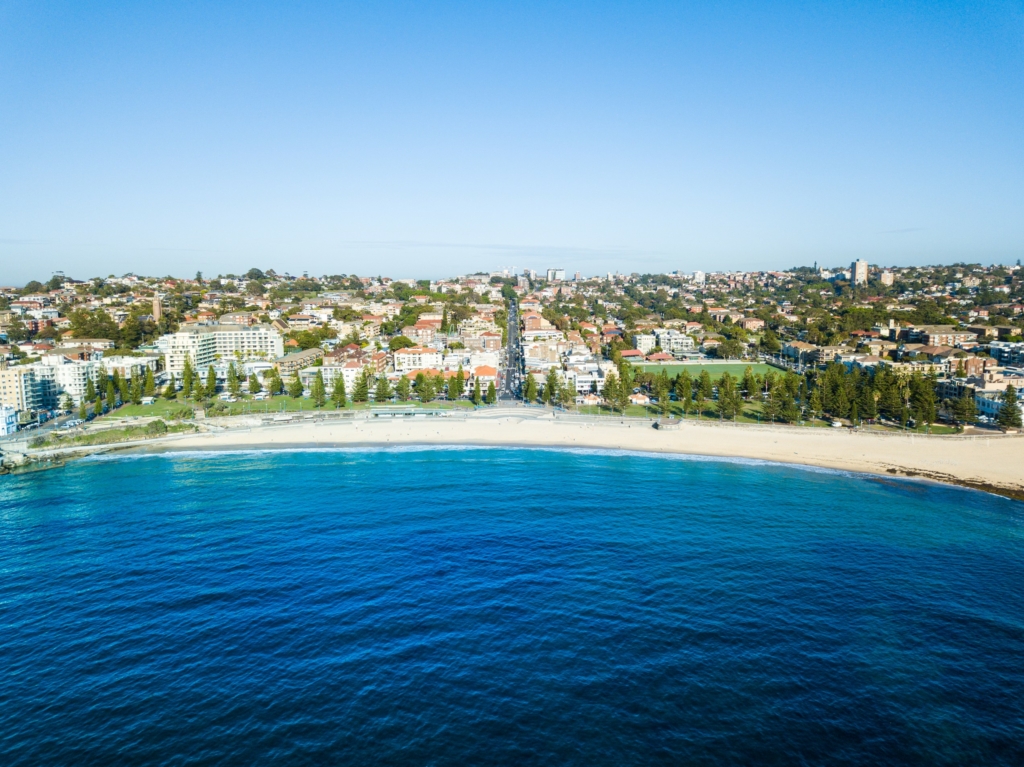
Located just steps away from the sand, Mad Monkey Coogee Beach brings the familiar, community-driven vibe of Southeast Asia to Sydney’s coast—offering vibrant shared spaces, surf mornings, and easy connections with fellow backpackers right on the iconic coastal walk.
If you’re continuing your trip after Southeast Asia, staying at Mad Monkey brings a familiar rhythm to a new destination. The scenery may shift from tropical islands to surf towns and vibrant cities, but the connections, community, and shared travel experiences remain part of the journey.
LyLo in Australia and New Zealand
LyLo brings a modern edge to backpacking across Australia and New Zealand, combining private pod-style beds with stylish, social communal spaces. With central locations in Brisbane, Auckland, Christchurch, and Queenstown, it offers the ideal balance of personal privacy and vibrant community for your itinerary.
For backpackers who prefer extra privacy without missing out on the social side of hostel travel, LyLo strikes a balance between comfort, community, and contemporary design, making it a reliable choice as you explore Australia and continue through New Zealand.

Beyond SEA: Keep the Route Going
Southeast Asia may be where your backpacking journey begins, but it doesn’t have to end there. Australia expands the map with tropical coastlines, surf towns, and long open roads, while New Zealand brings dramatic alpine lakes, mountain passes, and volcanic landscapes.
Your itinerary doesn’t need to follow a rigid path. Stay longer where it clicks, take unexpected detours, and let plans evolve. Mad Monkey Coogee Beach carries the familiar social energy of Southeast Asia into Australia, while LyLo offers a modern base across both Australia and New Zealand.
Beyond SEA isn’t about ticking off countries—it’s about seeing where the road leads next.
FAQs: Backpacking Australia and New Zealand
Allow at least four to six weeks for a combined trip, although six to eight weeks gives considerably more flexibility. Australia requires more time because of the distances between destinations, while New Zealand rewards slower travel around its national parks, mountain regions, and smaller towns.
Australia is particularly strong for beaches, surf towns, major cities, tropical travel, and long coastal routes. New Zealand is better suited to travelers prioritizing hiking, mountains, road trips, lakes, and outdoor adventure. Combining both creates a more varied route.
March and April are strong crossover months because both countries are moving into autumn. Conditions are generally milder than peak summer, while major destinations can be less crowded than during December and January.
Yes. Major backpacker destinations can be reached using buses, trains, ferries, domestic flights, and organized tours. Renting a car or campervan provides more flexibility for remote areas and road trips, particularly in New Zealand, but it isn’t essential for the entire journey.
Choose accommodation with central locations, communal spaces, and opportunities to meet other travelers. Mad Monkey provides social-hostel bases along the Australian leg, while LyLo offers pod-style accommodation and communal spaces across Brisbane and key New Zealand destinations including Auckland, Queenstown, and Christchurch.
Pin Now. Read Later.


