





Contents
TL;DR
- Dumaguete’s core experiences span Rizal Boulevard’s seafront promenade, Silliman University’s historic campus, and day trips to Apo Island, Dauin, Casaroro Falls, and the Twin Lakes.
- Malatapay Market runs Wednesdays only, and Apo Island’s marine sanctuary, established in 1982, operates under active no-touch diving and snorkeling rules.
- Mad Monkey Dumaguete sits near Rizal Boulevard, putting most of this list within a short ride or walk.
Dumaguete is best known for Rizal Boulevard, Silliman University, Apo Island’s sea turtles, Dauin’s dive sites, Casaroro Falls, and the Twin Lakes. Most of these sit within an hour of the city, making Dumaguete one of the more compact, easy-to-explore bases in Negros Oriental.
Where to Watch the Sunset Along Rizal Boulevard
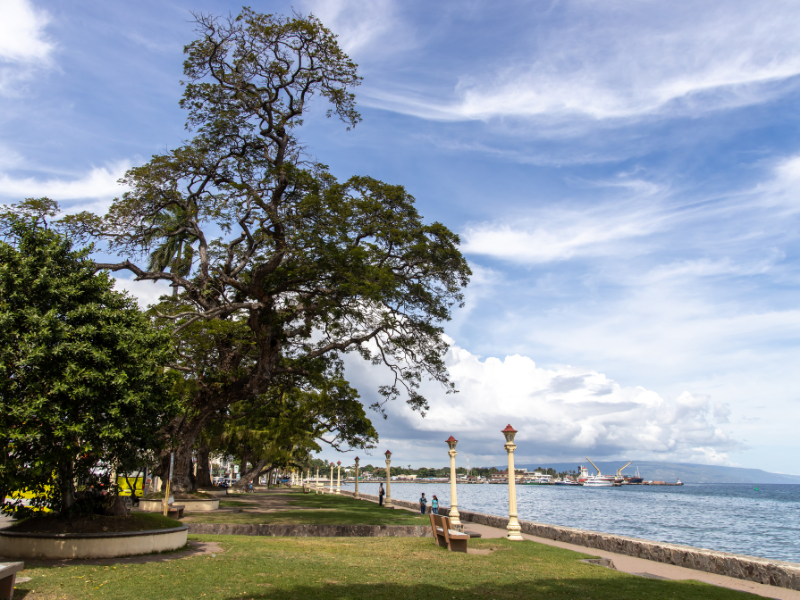
Head to the seafront promenade along Rizal Boulevard for one of Dumaguete’s best sunset views. As the sky changes color over the Tañon Strait, locals gather along the waterfront for evening walks, street food, and coffee by the sea.
It’s about a 5-minute bike ride from Mad Monkey Dumaguete, making it just as convenient in the morning as it is after dark.
Location: Dumaguete City, Negros Oriental – MAP
Local Insight: The boulevard’s east side gets the clearest sunset view over the strait. Arrive before 5:30 p.m. on weekends to find a bench before the crowds settle in.
What to See at Silliman University’s Historic Campus
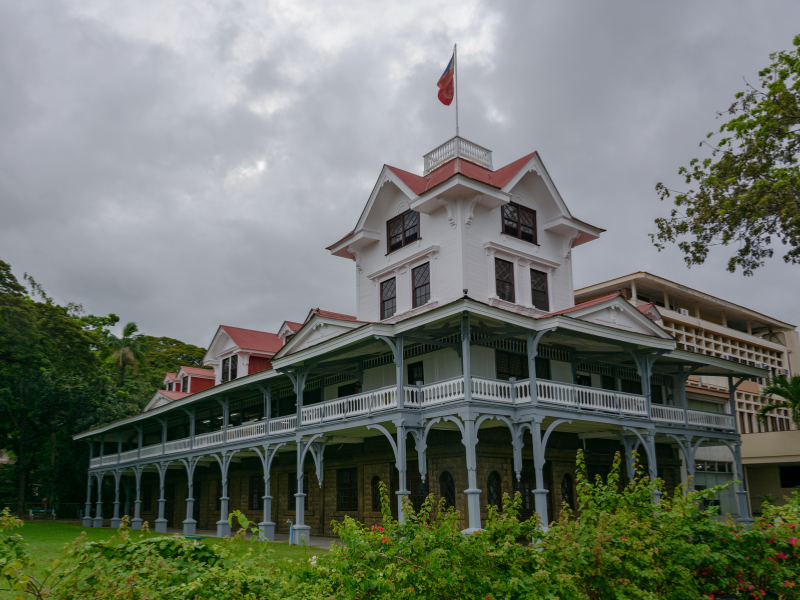
Start with Silliman Hall, then explore the Silliman University Anthropology Museum before wandering the tree-lined campus. Founded in 1901, Silliman University has long been at the heart of Dumaguete’s academic and cultural life. Its museum houses one of the region’s more specialized collections of Visayan artifacts and ethnographic material, while Silliman Hall remains one of the city’s most recognizable heritage buildings.
Location: 8864+MW3, Dumaguete City, Negros Oriental – MAP
Cultural Context: Silliman University is one of the oldest American-founded universities in Asia, and its campus layout still reflects that early 20th-century design.
Where to Go Island Hopping Near Dumaguete
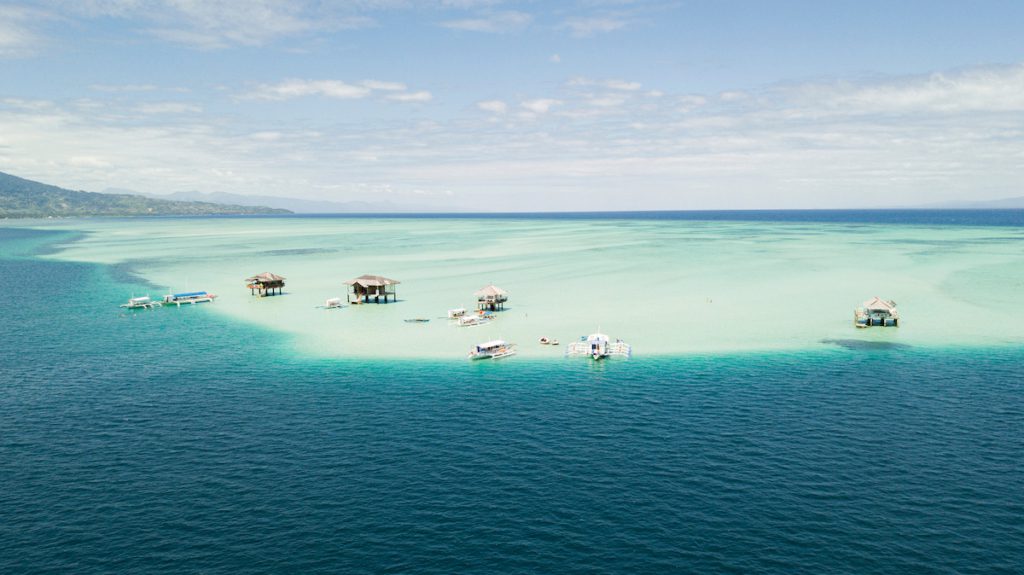
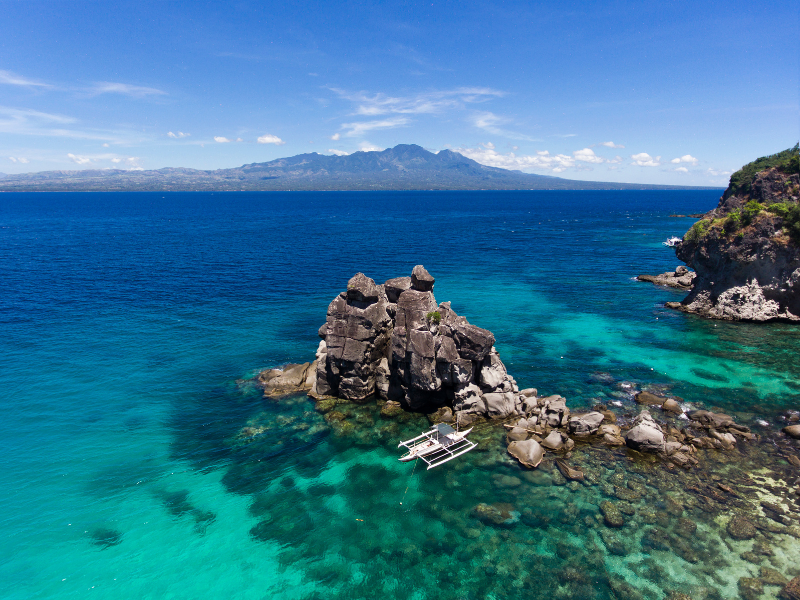
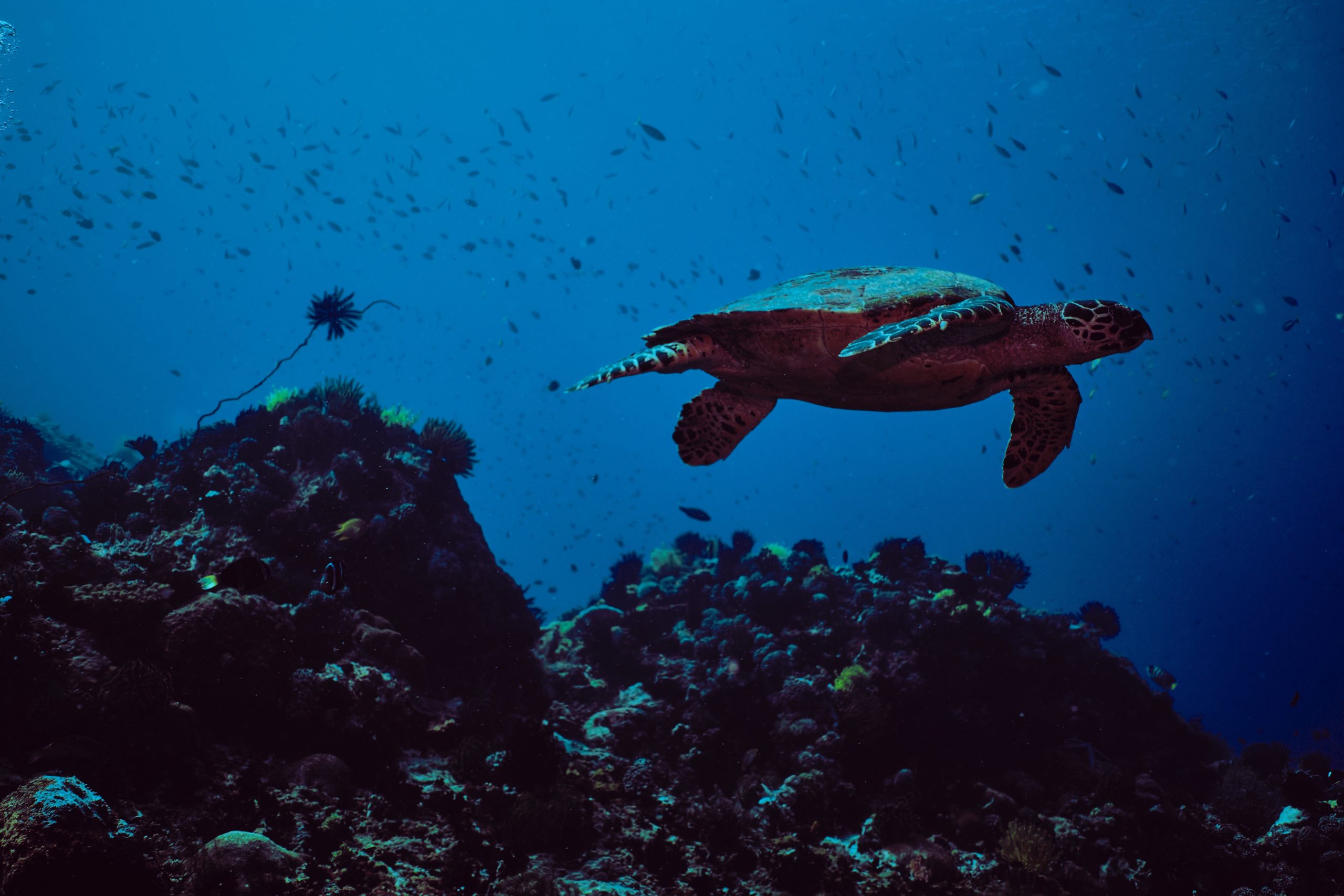
Two islands anchor most day trips out of Dumaguete. Manjuyod Sandbar, a stretch of white sand that appears and disappears with the tide, draws pods of spinner dolphins in the early morning hours. Apo Island, about 30 kilometers south by boat from Malatapay Port, sits inside one of the Philippines’ oldest community-managed marine sanctuaries, where green sea turtles feed along the reef edge.
Local dive operators run both routes as day trips, departing early to catch calmer water and better visibility. Organized tours generally cost ₱1,800-₱3,500 ($31-60 USD) per person, while independent travelers can expect to spend around ₱800-₱1,500 (US$14-26 USD) plus boat, entrance, and guide fees.
Local Insight: Apo Island’s marine sanctuary was established in 1982 with guidance from Dr. Angel Alcala of Silliman University’s Marine Laboratory, making it one of the country’s earliest and most cited examples of community-led reef protection.
What Makes Malatapay Market Worth a Wednesday Trip
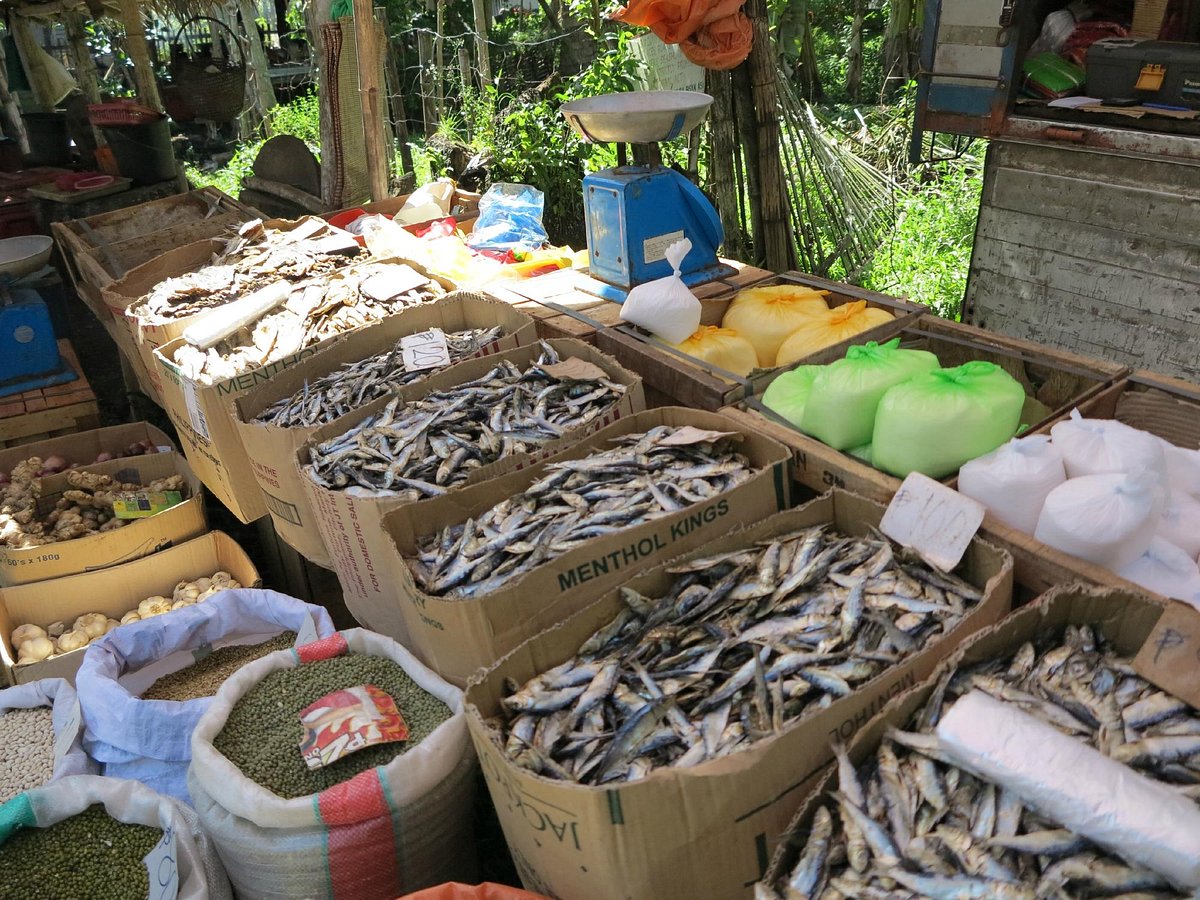
Wednesday is the best day to experience Malatapay Market, when the weekly market brings together local farmers, artisans, and seafood vendors from across southern Negros Oriental. After exploring the stalls, many travelers continue to nearby Malatapay Port, the main jump-off point for boat trips to Apo Island.
Location: Malatapay Road, Zamboanguita, Negros Oriental – MAP
Local Insight: Malatapay’s market day is Wednesday only. Arrive by mid-morning, before the midday heat thins out the stalls.
Why Dauin Draws Divers From Across the Region
Dauin’s coastline, just south of Dumaguete, is known for its house reefs and macro dive sites, where frogfish, nudibranchs, seahorses, and other small marine species thrive among protected coral habitats. Unlike Apo Island’s drift dives, Dauin is best known for muck diving, making it a favorite for underwater photographers and experienced divers looking for rare marine life.
According to the region’s dive operators, the sanctuary system along this stretch is part of a long-running community-led reef protection effort, with visitors expected to follow no-touch and no-collection rules at every site. Fun dives typically start from around ₱1,500-₱2,500 ($26-43 USD) per dive, while introductory dives and full-day dive packages generally range from ₱3,500-₱6,500 ($60-112 USD), depending on equipment rental and the number of dives included. If you’re not diving, many operators also offer guided snorkeling trips to selected marine sanctuaries.
Local Tip: Visibility is generally best during the dry season from November to May, but early morning dives often offer calmer conditions and better chances of spotting macro marine life.
For a fuller list of dive sites, see our guide to the best diving spots in Dumaguete.
How to Reach Casaroro Falls
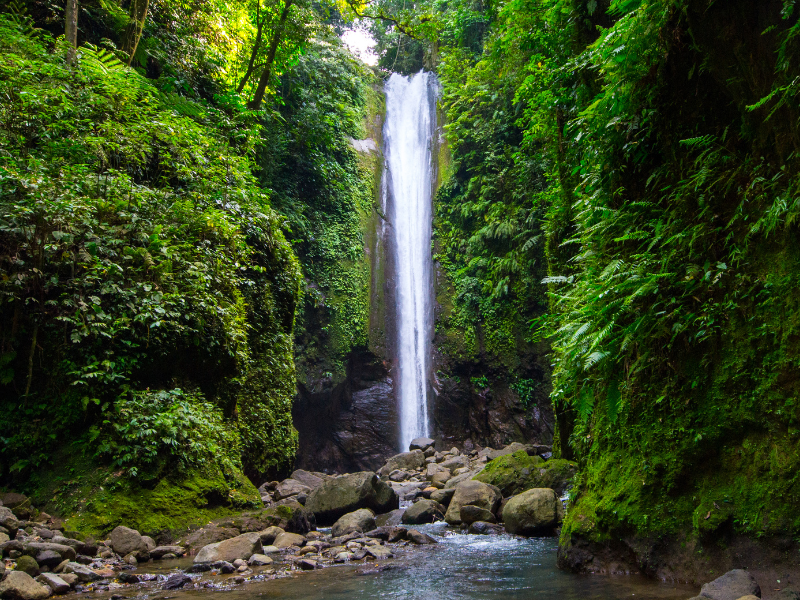
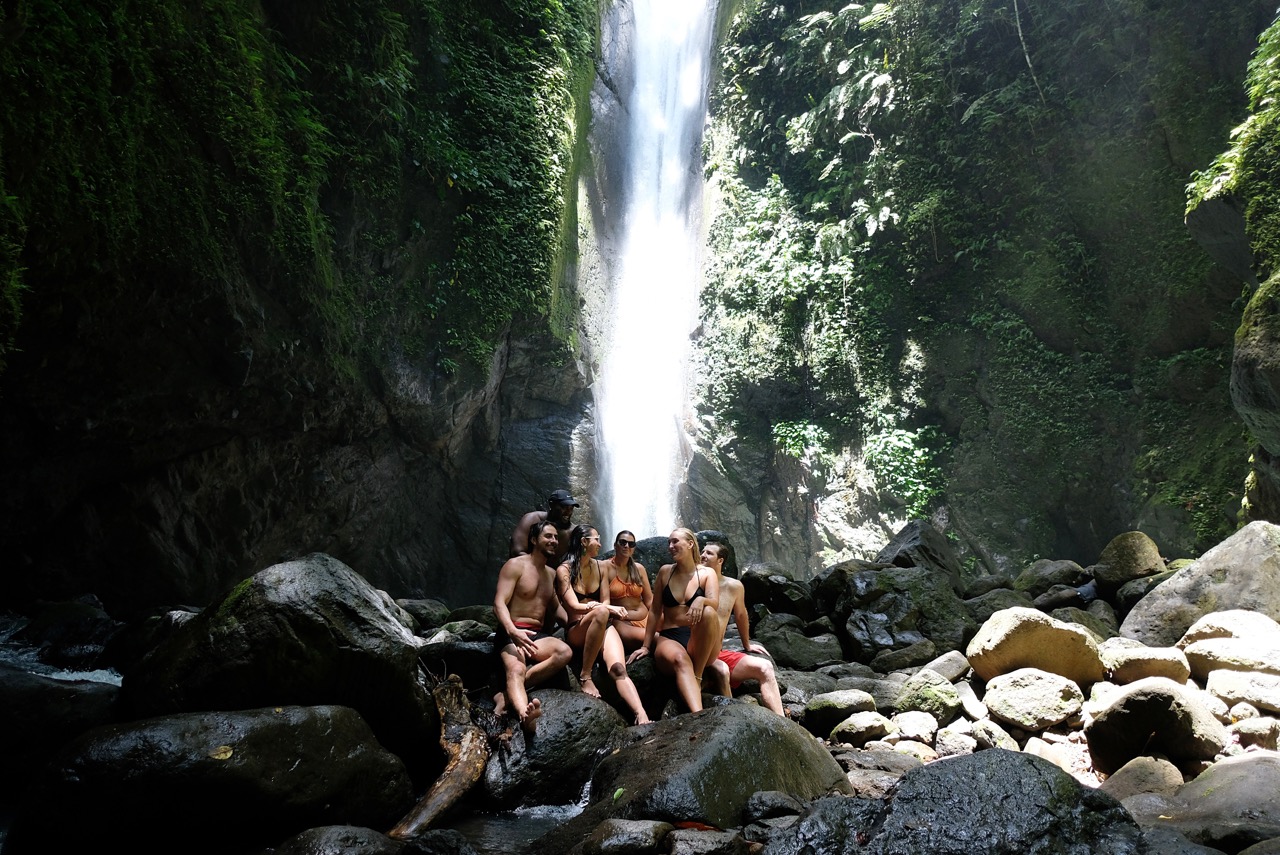
Casaroro Falls is about a 45- to 60-minute drive from Dumaguete, followed by a steep descent of roughly 300 concrete steps through the forest. Solo travelers can rent a scooter or hire a tricycle from the city, while guided day tours generally cost ₱1,800-₱3,500 ($31-60 USD) per person, depending on transport, group size, and inclusions. If you’re looking to explore more of Valencia, Mad Monkey also offers a Valencia Tour, which visits other highlights in the area.
Location: aft St, Valencia, Negros Oriental – MAP
Safety Note: The descent to Casaroro Falls involves uneven stone steps that turn slick after rain. Closed-toe footwear is recommended over sandals.
What Local Delicacies to Try in Dumaguete
Start with Dumaguete’s signature treats: silvanas, sans rival, budbud kabog, fresh kinilaw, grilled seafood, and chicken inasal. Budbud kabog, a sticky rice delicacy made from millet, is traditionally enjoyed with hot tsokolate and can be found at Painitan, a row of early-morning eateries near the public market. Come evening, Rizal Boulevard fills with vendors selling Filipino street food like tempura, kwek-kwek, fish balls, squid balls, and barbecue skewers.
For a waterfront meal, Hayahay Treehouse Bar is a popular spot for fresh seafood and Filipino favorites, with sunset views along Rizal Boulevard. Save room for dessert at Sans Rival Cakes & Pastries, where the city’s iconic silvanas and sans rival have become must-try specialties for visitors.
For a list of where to find these, see our guide to where to eat in Dumaguete.

Where to Hike Near the Twin Lakes
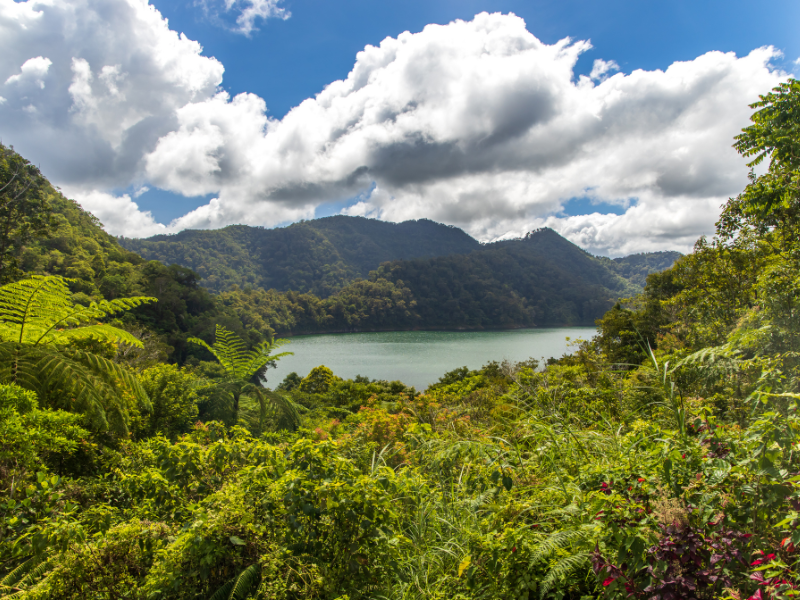
The best place to hike near Dumaguete is Balinsasayao Twin Lakes Natural Park, where forest trails wind through one of Negros Oriental’s last remaining old-growth forests. The main trail links Lake Balinsasayao and Lake Danao. Along the way, you’ll pass quiet viewpoints, dense rainforest, and some of the region’s best birdwatching spots. Prefer to stay on the water? Rent a kayak or paddle boat and explore the lakes at a slower pace.
Location: Sibulan, Negros Oriental – MAP
Entry to the park starts at ₱50 for Filipino visitors and ₱100 (around US$1.75) for international visitors. Kayak and boat rentals cost extra. You can explore the lakeside areas on your own. However, the longer forest trails between the two lakes typically require a local guide.
If you’re not driving, local tour operators and private drivers in Dumaguete can arrange half-day or full-day trips to the reserve. Shared and private tours generally cost ₱1,900-₱3,500 (US$33-60) per person, depending on the group size and what’s included.
Local Tip: Arrive before 9 a.m. for cooler hiking conditions and calmer lake waters, especially if you plan to kayak or take the trail between the two lakes. Weekdays are generally quieter than weekends.
What Dumaguete’s Nightlife Looks Like After Dark
After sunset, the streets behind Rizal Boulevard become the heart of Dumaguete’s nightlife. Live music, late-night bars, and cafés keep the area active into the evening. Start the evening at Hayahay Treehouse Bar for live reggae or acoustic music. From there, Tiki Bar draws a relaxed beach-lounge crowd, while El Amigo is a popular late-night stop. Later, many travelers head back toward Rizal Boulevard or join Mad Monkey Dumaguete’s nightly social events, depending on the day’s schedule.
Unlike Manila or Cebu, Dumaguete’s nightlife is smaller and more localized. Silliman University’s student community shapes the scene just as much as visiting travelers. Instead of a single entertainment district, you’ll find a handful of bars within walking distance of one another.
For a closer look at where to go, see our guide to nightlife in Dumaguete.

The Best Part of Dumaguete
Dumaguete is more than a gateway to Apo Island or Siquijor. It’s a city where university heritage meets protected reefs, mountain trails, and a food culture best explored through local recommendations. Spend your mornings discovering somewhere new, your afternoons chasing waterfalls or dive sites, and your evenings along Rizal Boulevard. By the time you leave, you’ll understand why Dumaguete has long been known as the City of Gentle People.
Frequently Asked Questions
Dumaguete is known for Silliman University, Rizal Boulevard, Apo Island, and Dauin’s dive sites. It’s also widely known as the “City of Gentle People.”
Three to five days is enough to explore Dumaguete at a comfortable pace. You can also visit Apo Island and take day trips to Valencia or Twin Lakes.
Yes. Most tours depart from Malatapay Port near Dauin and return the same afternoon.
Yes. As a result, many downtown attractions, including Rizal Boulevard and Silliman University, are within walking distance of each other.
November through May usually brings drier weather and calmer seas. As a result, it’s the best time for diving and island trips.
Pin Now. Read Later.