






Contents
TL;DR
- Explore El Nido, Coron, Puerto Princesa, Port Barton, San Vicente, and Nacpan Beach, each offering a different side of Palawan.
- Spend 5 to 10 days island hopping, diving, hiking, and discovering the province’s natural wonders, including the Puerto Princesa Underground River, Big Lagoon, Twin Lagoon, and Kayangan Lake.
- Travel around by domestic flight, ferry, tourist van, and tricycle, and plan your visit between November and May for the calmest seas and clearest weather.
Why Visit Palawan
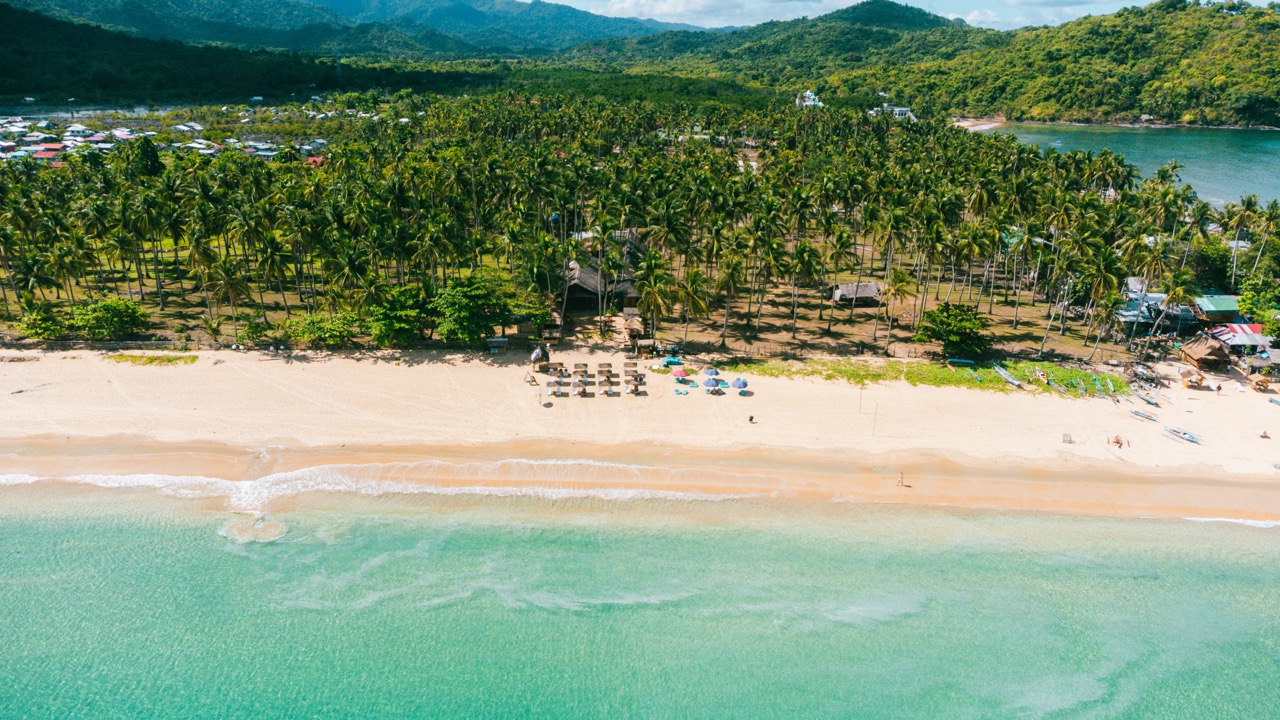
Palawan has long been considered one of the Philippines’ most remarkable destinations, where dramatic limestone cliffs, hidden lagoons, thriving coral reefs, and quiet coastal communities come together across more than 1,700 islands. While El Nido and Coron are known worldwide for island hopping and diving, the province offers far more than its famous postcard views.
Travelers can kayak through emerald lagoons, snorkel over thriving reefs, explore the UNESCO-listed Puerto Princesa Underground River, relax on beaches like Nacpan Beach, or slow down in coastal towns such as Port Barton and San Vicente. Beyond the shoreline, you’ll also find local markets, fresh seafood, Indigenous heritage, and landscapes that make every stop feel distinct.
Whether you’re visiting for a long weekend or building a multi-stop Philippines itinerary, Palawan offers experiences for every travel style, from backpacking adventures and diving trips to family holidays and luxury island escapes.
Local tip: Don’t rush from El Nido to Coron. Spending a night or two in quieter destinations like Port Barton or San Vicente gives you a chance to experience a slower side of Palawan that’s often missed by travelers following the classic route.
Where to Visit in Palawan
From world-famous island-hopping destinations to quieter coastal towns, Palawan offers a mix of landscapes and experiences that suit every type of traveler. Whether you’re planning your first visit or returning to explore beyond the usual highlights, these are the destinations worth adding to your itinerary.
El Nido
Known for its dramatic limestone cliffs, turquoise lagoons, and island-hopping tours, El Nido is one of Palawan’s most iconic destinations. Tour A and Tour C remain the most popular routes, taking visitors to highlights like Big Lagoon, Secret Lagoon, Shimizu Island, and Seven Commandos Beach. Beyond the boat tours, spend time exploring Nacpan Beach, watching the sunset from Las Cabañas Beach, or browsing the cafés and restaurants around El Nido town.
Perfect if you want: A mix of adventure, beach time, and vibrant town life.
Coron
If El Nido is known for island hopping, Coron is famous for its crystal-clear lakes and specialized wreck diving. Swim in Kayangan Lake, explore the striking waters of Twin Lagoon, relax in Maquinit Hot Spring, or discover the Japanese shipwrecks that have made Coron one of Southeast Asia’s top diving destinations. Even non-divers will find plenty to enjoy through snorkeling and island-hopping tours.
Why visit: Crystal-clear lakes, historic WWII shipwrecks, and some of the best diving in the Philippines.
Puerto Princesa
Often seen as the gateway to Palawan, Puerto Princesa is much more than a transit stop. It’s home to the Puerto Princesa Underground River, a UNESCO World Heritage Site and one of the country’s most visited natural attractions. Travelers can also explore Honda Bay, stroll along the city’s waterfront, or sample local restaurants before continuing north through the province.
Worth visiting for: UNESCO-listed natural attractions and easy connections to the rest of the province.
Port Barton
Located between Puerto Princesa and El Nido, Port Barton offers a quieter alternative to Palawan’s busier destinations. Days here are best spent island hopping, snorkeling with sea turtles, relaxing on uncrowded beaches, or enjoying slow evenings at waterfront cafés. It’s an ideal stop for travelers looking to escape the crowds without sacrificing beautiful scenery.
Experience: Quiet beaches, waterfront cafés, sea turtle snorkeling, and a slower rhythm of travel.
San Vicente
Home to Long Beach, one of the longest white-sand beaches in the Philippines, San Vicente is steadily emerging as one of Palawan’s most exciting destinations. Compared with El Nido and Coron, it remains less developed, making it a great choice for travelers seeking wide-open beaches, local communities, and a more laid-back atmosphere.
Ideal for: Long beach walks, quieter stays, and a slower pace of travel.
Nacpan Beach
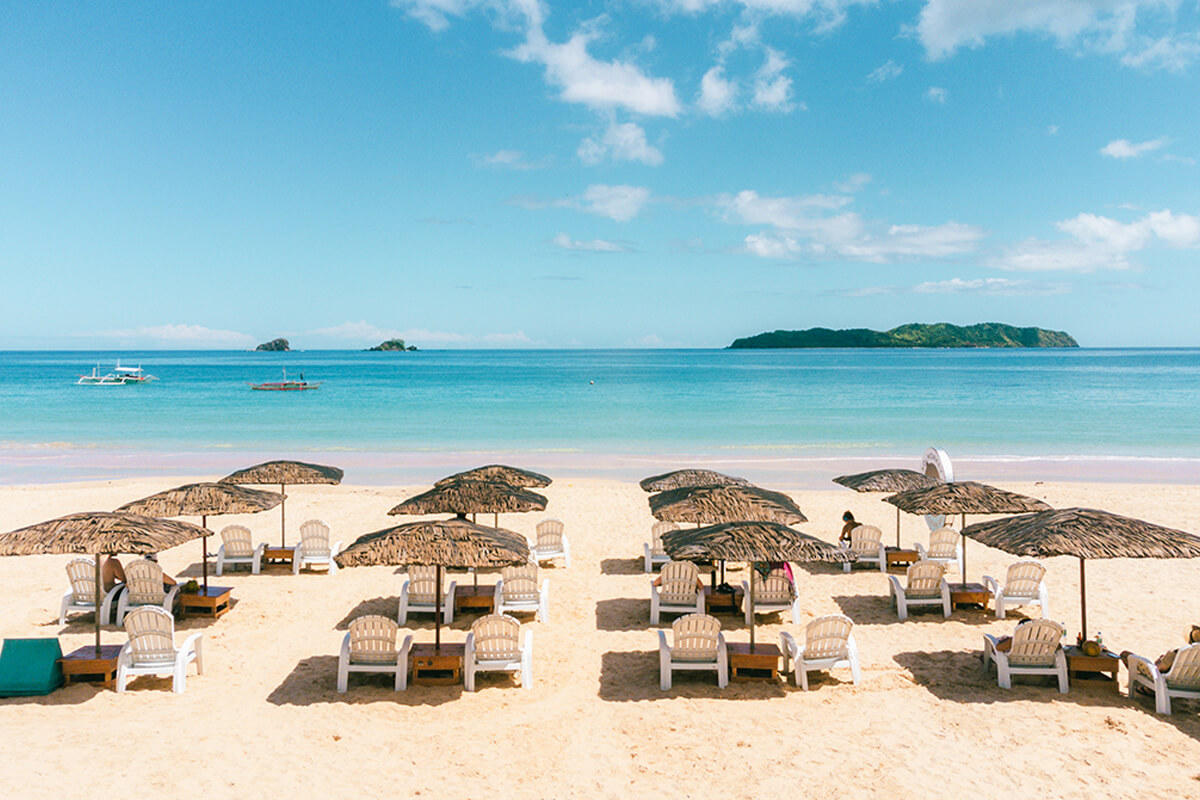
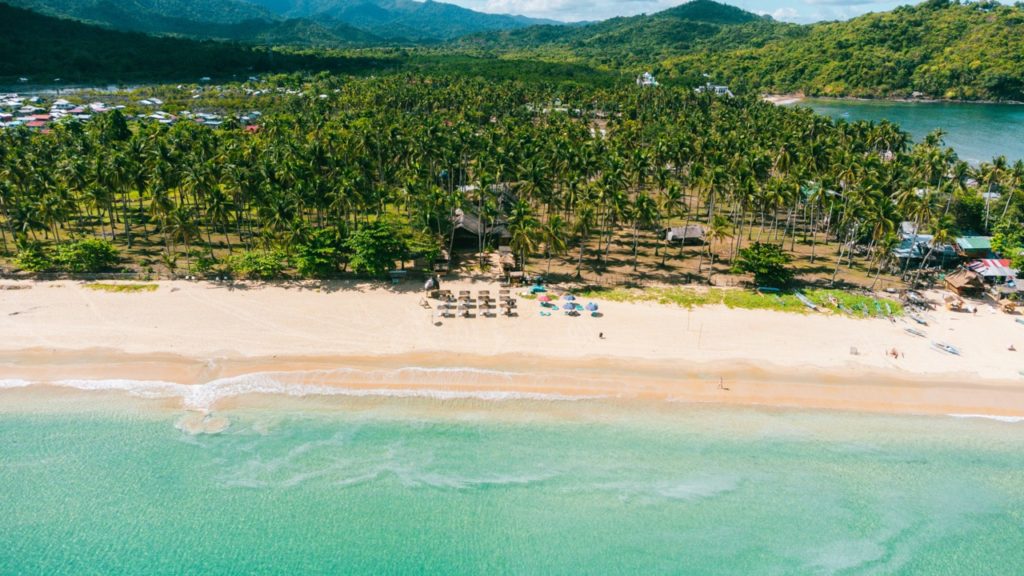
Just a short drive from El Nido town, Nacpan Beach is one of Palawan’s most photographed stretches of coastline. Its long sweep of golden sand, calm waters, and relaxed beach bars make it a favorite for swimming, sunbathing, and sunset watching. Travelers staying at Mad Monkey Nacpan Beach, tucked in Sitio Calitang, Barangay Bucana, are an easy walk from the sand itself, with the neighboring Twin Beach and independent spots like Sunset View Massage just a few hundred meters along the shore. Spend a full afternoon here to enjoy a slower side of El Nido beyond the island-hopping tours.
Why visit: One of Palawan’s most beautiful beaches for swimming, relaxing, and sunset views.
What to Do in Palawan
Every destination in Palawan offers a different way to experience the province, from island-hopping routes and historic wreck dives to marine sanctuaries, wildlife encounters, and quieter stretches of coastline. These are the experiences worth making time for.
Where to Go Island Hopping in El Nido
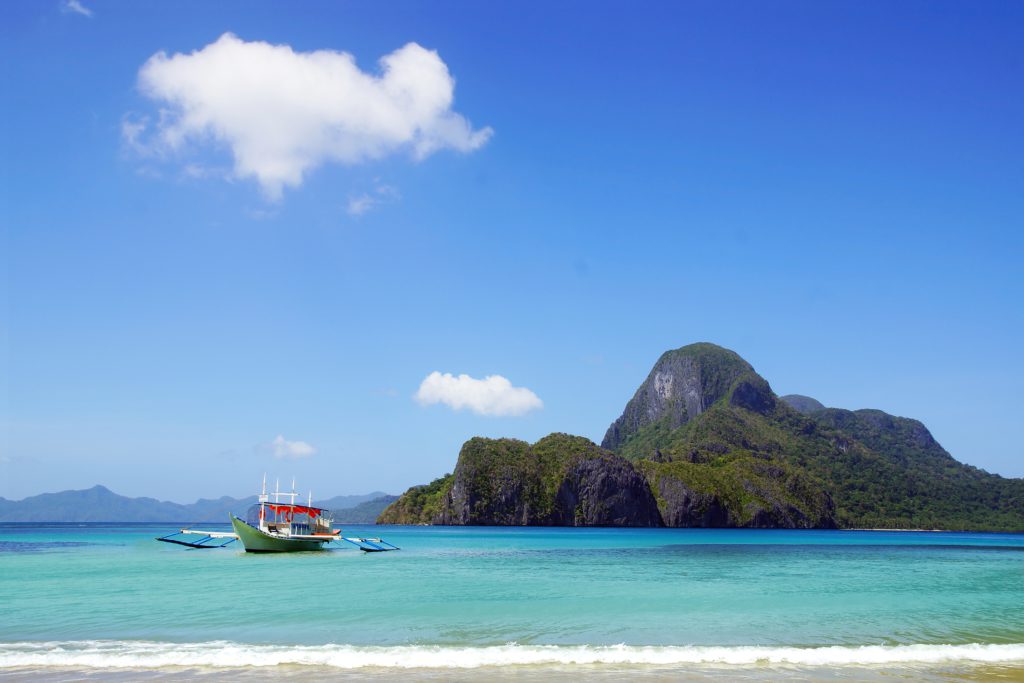
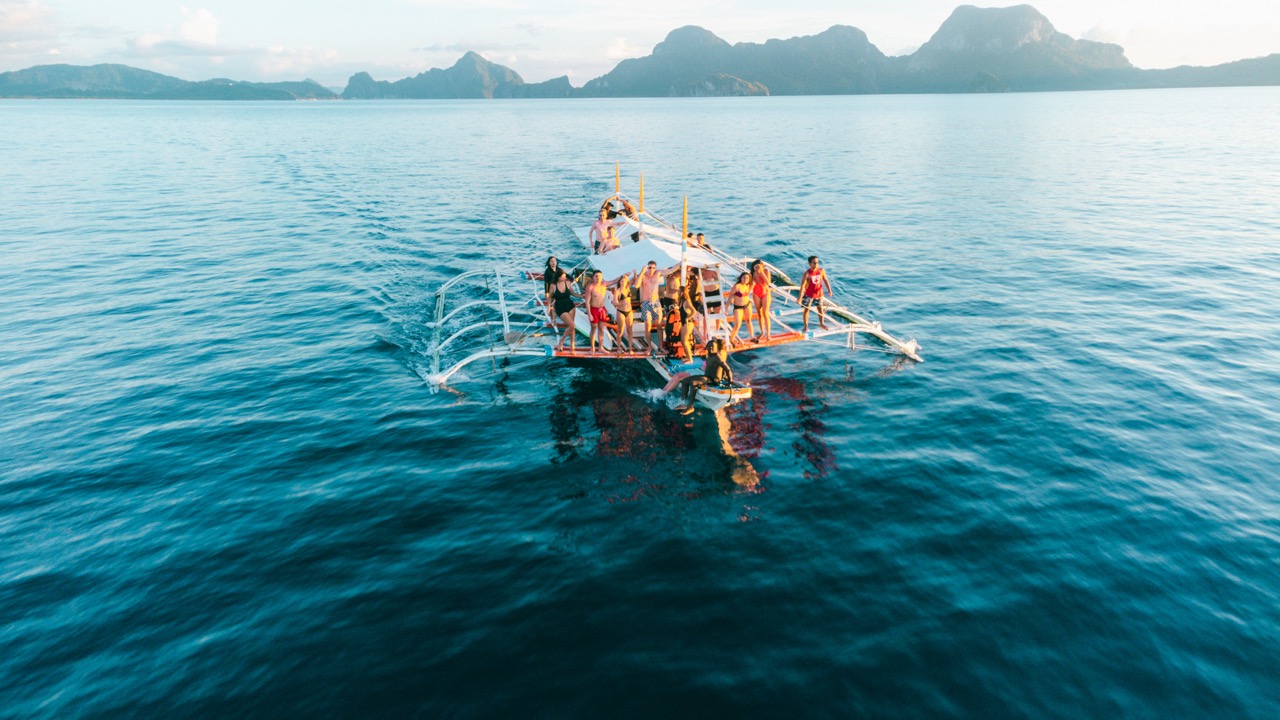
Island hopping is the defining experience of El Nido. Boat tours weave through the limestone cliffs of the Bacuit Archipelago, revealing hidden lagoons, secluded beaches, and vibrant coral reefs. For first-time visitors, Tours A and C remain the classic introduction, with stops at Big Lagoon, Secret Lagoon, Shimizu Island, and Seven Commandos Beach. If you’re looking for a smaller-group experience beyond the traditional routes, options like Mad Monkey’s Tour M Island Hopping offer a different way to discover quieter beaches, snorkeling spots, and local favorites.
Location: El Nido, Northern Palawan – MAP
Price: From ₱1,400–₱1,800 (US$24–31) per person, plus the Eco-Tourism Development Fee where applicable
Duration: Full-day tour (approximately 8:00 AM to 4:00 PM)
Best for: Island hopping, kayaking, snorkeling, and photography
Where to Find the Puerto Princesa Underground River
The Puerto Princesa Underground River remains one of the Philippines’ most remarkable natural attractions. Located within Puerto Princesa Subterranean River National Park, this UNESCO World Heritage Site takes visitors through an underground cave system shaped by limestone formations before emerging into the sea.
Location: Sabang, Puerto Princesa (approximately 80 km from the city) – MAP
Price: Around ₱2,500–₱3,500 (US$43–60) per person, including permits, transfers, and the guided boat tour
Duration: Half-day to full-day experience (6–8 hours including transfers)
Best for: Nature lovers, first-time visitors, and families
Local tip: Visitor permits are issued daily in limited numbers. Reserve your tour early if you’re visiting during holidays or peak travel months.
Where to Dive the WWII Shipwrecks in Coron
Beneath the waters of Coron Bay lies one of the world’s most celebrated wreck-diving destinations. Japanese supply ships sunk during World War II have transformed into thriving artificial reefs, creating an underwater landscape unlike anywhere else in the Philippines. While certified divers can explore the deeper wrecks, many island-hopping tours also include snorkeling stops over the shallower sites and nearby coral gardens, making this experience accessible to all travelers.
Location: Coron Bay, Busuanga – MAP
Price: Fun dives from ₱2,000–₱5,000 (US$34–86) per dive; snorkeling tours from ₱1,500 (US$26) per person
Best for: Scuba diving, snorkeling, and underwater photography
Where to Spend a Beach Afternoon in Nacpan
Just north of El Nido town, Nacpan Beach offers a different pace from the busy island-hopping circuit. Its four-kilometer stretch of golden sand, calm waters, and laid-back beach cafés make it an easy place to spend an entire afternoon. As the day winds down, consider heading out on a sunset cruise, such as the one offered by Mad Monkey, for a different perspective of El Nido’s coastline as the sky shifts into golden hour.
Location: Nacpan, El Nido (approximately 45 minutes from El Nido town)
Price: Free entry (parking fees may apply)
Getting there: Tricycle, scooter, van, or private transfer
Best for: Swimming, beach days, and sunset views
Where to Dive Tubbataha Reefs Natural Park
Accessible only by liveaboard, Tubbataha Reefs Natural Park is one of Southeast Asia’s most remarkable diving destinations. As a UNESCO World Heritage Site, its protected reefs support sharks, manta rays, sea turtles, and extraordinary marine biodiversity within the Coral Triangle. Most liveaboard expeditions depart from Puerto Princesa during the March to June diving season, when visibility and sea conditions are at their best.
Location: Sulu Sea, accessible by liveaboard from Puerto Princesa – MAP
Price: Liveaboard expeditions typically start from ₱80,000 (US$1,370) per person
Season: Mid-March to mid-June
Best for: Experienced divers and underwater photography
Local tip: The diving season is short, and liveaboard departures often sell out months in advance, so early booking is highly recommended.
How to Get to Palawan
Getting to Palawan is easier than ever, with direct flights connecting the province to major cities across the Philippines. Most travelers arrive through Puerto Princesa, while Coron (Busuanga) and El Nido also have airports that provide convenient access to Palawan’s most popular destinations.
How to Fly to Puerto Princesa
If you’re exploring more than one destination in Palawan, fly into Puerto Princesa International Airport (PPS). Regular domestic flights connect the city with Manila, Cebu, Clark, Iloilo, and Davao, while shared vans and buses make it easy to continue to Port Barton, San Vicente, and El Nido.
How to Fly to Coron
The fastest way to reach Coron is by flying to Francisco B. Reyes Airport (USU) on Busuanga Island. Domestic flights from Manila, Cebu, and Clark operate year-round, followed by a 30-45-minute shared van or private transfer to Coron Town.
How to Fly to El Nido
If El Nido is your only destination, flying directly to El Nido Airport (ENI) is the fastest and most convenient option. The airport is located in Lio, around 15-20 minutes from El Nido town, and is served by domestic flights from Manila, Cebu, Clark, and Coron, depending on the season and airline schedules. From the airport, tricycles, shuttle vans, and hotel transfers are readily available to accommodations in El Nido town and Nacpan Beach.
Local tip: Direct flights to El Nido are limited and often sell out well in advance during the dry season. Book early if you’re traveling between December and April.
How to Travel to Palawan by Ferry
Several ferry routes connect Palawan with other parts of the Philippines, although they take significantly longer than flying. The most common route is Manila to Puerto Princesa, which takes around 24-30 hours, depending on the vessel and weather conditions. Ferries also operate between Coron and El Nido, making it easy to combine both destinations in one trip.
Travel tip: Ferry schedules can change due to sea conditions, particularly during the rainy season. Book in advance and check for schedule updates before traveling.
How to Travel Between Palawan’s Destinations
Exploring Palawan usually means combining flights, shared vans, and ferries. Many travelers follow a south-to-north route, beginning in Puerto Princesa before continuing to Port Barton, El Nido, and finally Coron.
| Route | Travel Time | Cost |
|---|---|---|
| Puerto Princesa → Port Barton | 3–4 hours | ₱600–₱800 (US$10–14) |
| Puerto Princesa → El Nido | 5–6 hours | ₱700–₱900 (US$12–15) |
| Port Barton → El Nido | 3–4 hours | ₱600–₱800 (US$10–14) |
| El Nido → Coron (Fast Ferry) | 3.5–5 hours | ₱2,800–₱3,500 (US$48–60) |
| El Nido → Coron (Flight) | Around 40 minutes | Prices vary depending on the season |
How to Get Around Palawan
Exploring Palawan means traveling beyond a single destination. Shared vans connect the province’s main towns, ferries link the northern islands, and tricycles, scooters, and boats take you the final stretch to beaches, island-hopping tours, and local attractions. While travel days can be longer than expected, they’re part of discovering what makes Palawan unique.
How to Travel by Shared Van
Shared vans are the most popular way to travel between Puerto Princesa, Port Barton, El Nido, and San Vicente, offering a balance of convenience and affordability. Fares typically range from ₱500-₱800 (US$9-14), depending on the route, with multiple departures available throughout the day. Most accommodations can arrange van transfers, or you can book through local travel agencies, 12Go, or Klook before your trip.
Backpacker tip: Reserve your seat at least a day in advance during the peak season, and expect hotel pick-up and drop-off to be included by many operators. Travel times may vary depending on road conditions and the number of passenger stops.
How to Travel by Ferry
Fast ferries connect El Nido and Coron, making it easy to include both destinations in one trip. The journey typically takes 3.5 to 5 hours, with one-way fares generally ranging from ₱2,500-₱2,800 (US$43-48), depending on the operator. Tickets can be booked directly through ferry operators such as Atienza Interisland Ferries and Montenegro Shipping Lines, or through travel platforms like 12Go and Klook. Services operate year-round, although schedules may change due to weather and sea conditions
Travel note: Book ferry tickets a few days in advance during the peak season, and choose a morning departure where possible, as weather conditions are generally calmer earlier in the day.
How to Get Around by Tricycle
Tricycles are the primary mode of transport in towns such as Puerto Princesa, El Nido, and Coron. They’re ideal for short trips between accommodations, restaurants, beaches, and transport terminals. Expect to pay around ₱20-₱50 (US$0.35-0.85) for short rides, with longer journeys costing more.
Travel tip: Agree on the fare before starting your trip, especially in busy tourist areas or when hiring a tricycle for multiple stops. Cash is the preferred payment method for most drivers.
Where to Rent a Motorcycle or Scooter
For backpackers who enjoy exploring independently, renting a scooter offers the freedom to discover destinations beyond the usual tour routes. Ride out to Nacpan Beach near El Nido, Nagtabon Beach outside Puerto Princesa, or explore the quieter roads and viewpoints around Coron on your own schedule.
Best for: Independent travelers and day trips
Rental price: From ₱500–₱800 (US$9–14) per day, excluding fuel
Requirements: Valid driver’s license and riding experience
Worth planning: Some roads outside town centers are unpaved or uneven, particularly after heavy rain. Ride carefully and always wear a helmet.
Where to Join Boat Tours
Many of Palawan’s top attractions can only be reached by boat. Island-hopping tours depart daily from El Nido, Coron, Port Barton, and Honda Bay, offering the easiest way to explore the province’s limestone islands, hidden lagoons, and vibrant snorkeling spots. If you’re visiting El Nido, Mad Monkey’s Tour M Island Hopping is a great option for discovering some of the area’s most scenic beaches, snorkeling sites, and local favorites alongside fellow travelers.
Where to Stay in Palawan
Palawan’s destinations each offer a different travel experience. Whether you’re looking for world-class island hopping, a diving hub, a quieter beach escape, or a convenient base for exploring the province, here’s where to stay based on your travel style.
Puerto Princesa
As Palawan’s main gateway, Puerto Princesa is where most Palawan journeys begin. Many travelers spend a night here before heading to the Underground River or continuing north to Port Barton and El Nido. The city offers a wide range of accommodations, from budget-friendly hostels to boutique hotels and resorts, all within easy reach of local restaurants, attractions, and transport connections.
Best for: First-time visitors, Underground River tours, and convenient stopovers
Average price: Around ₱700-₱4,500+ (US$12-77+) per night, depending on your choice of accommodation.
El Nido
If island hopping is at the top of your list, El Nido is the place to stay. The town offers everything from backpacker hostels and boutique hotels to beachfront resorts, all within easy reach of the Bacuit Archipelago. A short ride north, Mad Monkey Nacpan Beach sits in Sitio Calitang, Barangay Bucana, an easy walk from Nacpan Beach and close to independent spots like Sunset View Massage, offering a quieter alternative to staying in El Nido town itself.
Best for: Island hopping, beaches, and nightlife
Average price: From ₱550-₱2,000+ (US$9.50-34+) per night, depending on whether you choose a shared dorm or a private room.
Worth planning: Staying in El Nido Town makes it easier to join early island-hopping tours, while accommodations around Lio and Nacpan offer a quieter atmosphere.
Coron
Coron is the ideal base for travelers interested in diving, snorkeling, and exploring the surrounding islands. Most accommodations are located in Coron Town, offering easy access to island-hopping tours, dive shops, and restaurants, while luxury resorts can be found on nearby private islands. Popular options are The Funny Lion and Two Seasons Coron Island Resort.
Best for: Diving, snorkeling, island hopping, and hot springs
Average price: Around ₱800-₱5,500+ (US$14-94+) per night, depending on your choice of accommodation.
Port Barton
For travelers looking to slow the pace, Port Barton offers a quieter side of Palawan, where island-hopping, beach days, and laid-back cafés replace busier tourist hubs. Accommodation ranges from simple beachfront guesthouses to boutique stays and eco-friendly resorts, with popular choices including Russell Place, Parrots Boutique Resort, and Holiday Suites Port Barton.
Best for: Slow travel, island hopping, snorkeling, and quiet beach escapes
Average price: Around ₱700-₱3,500 (US$12-60) per night, depending on your choice of accommodation.
San Vicente
Home to Long Beach, San Vicente is steadily gaining attention among travelers seeking wide-open beaches and a quieter side of Palawan. Accommodation options range from locally owned guesthouses to beachfront resorts, with popular choices including Club Agutaya and Besaga Beachfront B&B.
Best for: Long Beach, uncrowded beaches, and laid-back stays
Average price: Around ₱800-₱5,000+ (US$14-86+) per night, depending on your choice of accommodation.
When to Visit Palawan
Palawan is a year-round destination, but the experience can vary depending on the season. The dry months generally offer calmer seas for island hopping and diving, while the rainy season brings fewer crowds and greener landscapes.
Dry Season (November to May)
The dry season is widely considered the best time to visit Palawan, thanks to its sunny weather, calmer seas, and ideal conditions for island hopping, snorkeling, and diving. Expect warm days with temperatures ranging from 26°C to 32°C (79°F to 90°F) and a lower chance of rain, making it the perfect season to explore destinations like El Nido, Coron, and the Puerto Princesa Underground River.
Worth planning: December to April is the busiest travel period, so book flights, accommodations, and popular tours well in advance.
Rainy Season (June to October)
The rainy season transforms Palawan into a greener, quieter destination with fewer visitors and more affordable accommodation rates. Expect a mix of sunshine, tropical showers, and occasional storms, with temperatures typically ranging from 25°C to 31°C (77°F to 88°F). While island hopping and ferry travel may occasionally be affected by rough seas, this season is a great choice for budget-conscious travelers and those looking to experience Palawan with fewer crowds.
Travel note: Ferry crossings and boat tours may be postponed or canceled when sea conditions are unsafe, particularly during tropical weather disturbances.
Which Season Is Best for Your Travel Style
The best time to visit Palawan depends on the experience you’re looking for, whether that’s island hopping, diving, or traveling outside the busiest months.
- For island hopping: November to May
- For diving: March to June offers some of the best underwater visibility, particularly around Coron and Tubbataha Reefs Natural Park.
- For fewer crowds: June, September, and October often see fewer visitors outside major holiday periods.
- For budget travelers: The rainy season generally brings better deals on flights and accommodations, although weather conditions can be less predictable.

What to Know Before Visiting Palawan
A little planning goes a long way in Palawan. From booking transportation to packing for island-hopping adventures, these practical tips can help you make the most of your trip.
When to Book Flights and Ferries
Palawan is one of the Philippines’ most popular destinations, and transportation can fill up quickly during the dry season. Flights to Puerto Princesa, El Nido, and Coron, as well as ferries between El Nido and Coron, are best booked in advance if you’re traveling between November and May.
- Best time to book: At least 2-4 weeks in advance during the peak season
- Peak travel months: December to April
- Book ahead for: Flights, ferries, and island-hopping tours
Worth planning: Morning departures are less likely to be affected by weather delays, especially during the rainy season.
How Much Cash to Carry
ATMs are readily available in Puerto Princesa, El Nido, and Coron. However, banking facilities are more limited in Port Barton and on smaller islands. Most hotels and larger establishments accept credit and debit cards. However, many local restaurants, cafés, tour operators, and small businesses still prefer cash. To avoid any inconvenience, withdraw enough cash before traveling between destinations.
What to Pack for Palawan
Most days in Palawan are spent outdoors, whether you’re island hopping, snorkeling, or exploring beaches. Packing light makes it much easier to move between vans, ferries, and accommodations.
Packing essentials:
- Reef-safe sunscreen
- Reusable water bottle
- Dry bag for electronics and valuables
- Swimwear and lightweight, breathable clothing
- Water shoes or sandals for boat landings and rocky beaches
- Hat and sunglasses for sun protection
- Light rain jacket or poncho, especially during the rainy season
- Insect repellent
- Power bank for long travel days and island-hopping tours
- Snorkeling gear (optional, if you prefer using your own equipment)
How to Respect Nature and Local Communities
Palawan is home to protected marine parks, UNESCO-listed natural sites, and Indigenous communities that have helped preserve the province’s unique landscapes for generations. When visiting, follow local regulations, avoid touching or stepping on coral reefs, never feed or disturb wildlife, and dispose of your waste responsibly. Carry a reusable water bottle where possible, reduce single-use plastics, and respect local customs when visiting cultural or ancestral areas. Small, mindful choices help protect Palawan’s natural beauty for future travelers and the communities that call it home.
How to Stay Connected in Palawan
Mobile coverage is reliable in Puerto Princesa, El Nido, and Coron. However, remote areas and offshore islands may experience weaker or no signal.
- eSIM: Purchase and activate an eSIM before you arrive for immediate mobile data without swapping physical SIM cards.
- Wi-Fi: Available in most hotels, hostels, cafés, and restaurants, although speeds can vary depending on the location.
- Coverage: Expect the strongest signal in towns and major tourist areas, with limited service on smaller islands and during some boat tours.
Ready to Explore Palawan?
From island hopping in El Nido and diving in Coron to discovering quieter destinations like Port Barton and San Vicente, Palawan offers something for every type of traveler. With a little planning, it’s easy to build an itinerary that matches your travel style, budget, and schedule.
Whether it’s your first backpacking trip or a return visit, Palawan rewards travelers who explore beyond its most famous attractions. Use this guide to plan your route and choose destinations that match your travel style.
Frequently Asked Questions
Absolutely. Palawan offers a wide range of experiences. Explore island-hopping routes, world-class diving, hidden beaches, and UNESCO-listed natural attractions. Whether you’re traveling on a backpacker budget or planning a luxury escape, you’ll find destinations that suit your travel style.
Plan to spend 5 to 10 days in Palawan if you want to explore multiple destinations. For example, a popular route includes Puerto Princesa, Port Barton, El Nido, and Coron. However, if you’re short on time, choose one or two destinations instead. You’ll spend less time in transit and more time exploring.
The best time to visit is during the dry season, from November to May. During this period, expect sunny weather and calm seas that are ideal for island hopping, diving, and snorkeling. Meanwhile, the rainy season can still be rewarding, although rough seas may occasionally affect boat tours and ferry schedules.
It depends on the experience you’re looking for. For example, El Nido is best known for its island-hopping tours, lagoons, and white-sand beaches, while Coron is famous for its crystal-clear lakes, WWII shipwrecks, and world-class diving. If possible, visiting both offers the most complete Palawan experience.
Palawan can suit a wide range of budgets. Backpackers can expect to spend around ₱2,000-₱4,500 (US$34-77) per day, excluding flights. Travelers staying in boutique hotels or island resorts should budget more. Costs vary depending on your accommodation, tours, and transportation.
Yes. Palawan is generally considered a safe destination for solo travelers, including solo female travelers. However, as with any trip, stay aware of your surroundings and keep your valuables secure. Follow local advice when joining boat tours or exploring remote areas.
Pin Now. Read Later.


