A 20% discount on Vietnam is the exact excuse you were waiting for… [BOOK NOW]



Travel tips for while you’re backpacking Southeast Asia and Australia, or some travel inspiration if you’re sat at a desk wishing you were here. Written by backpackers living or traveling around this side of the world. We’ve got travel advice for Australia, Cambodia, Indonesia, Laos, Philippines, Thailand, and Vietnam.
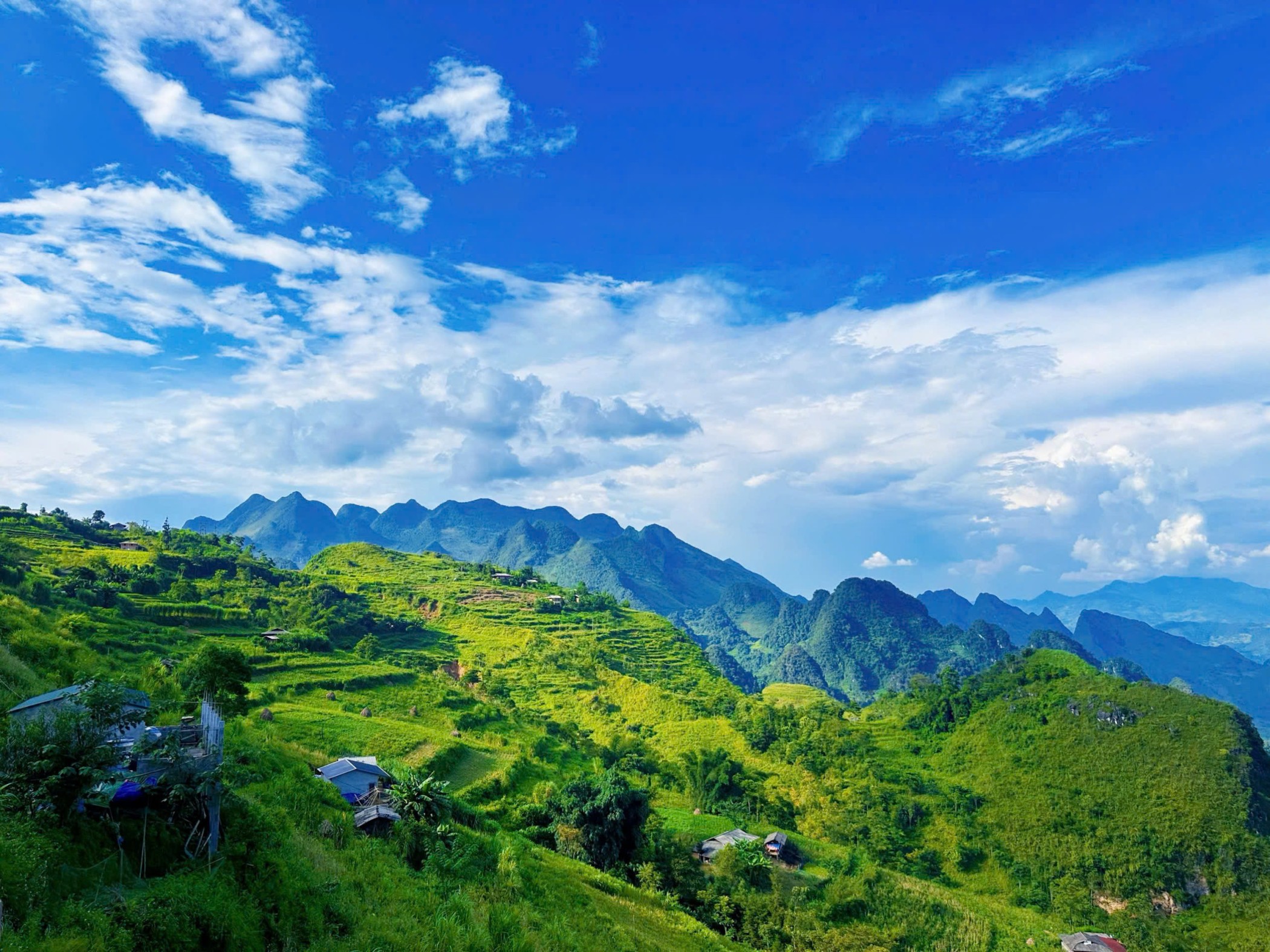
TL;DR: How Long Should You Spend in Southeast Asia? A week can be enough for a focused adventure. Two weeks gives you more room to connect destinations. What matters is how much of that time you want to spend exploring rather than getting from one place to the next. Seven days in northern Vietnam, for example, gives you time to explore Hanoi before heading into the mountains of the Ha Giang Loop. In Indonesia, a shorter itinerary centred on Gili Trawangan and Lombok puts island time and surfing at the heart of the trip. With 12 to 14 days, you can build in more variety. Vietnam’s longer route connects northern highlights with Ninh Binh and Hoi An, while Cambodia’s itinerary combines Phnom Penh, Siem Reap and the coast. Time available Route What to expect 7 days Hanoi and the Ha Giang Loop Mountain roads, village stays and northern Vietnam 7 days Gili Trawangan and Kuta Lombok Island life, snorkeling and surf 12 days, as advertised Indonesia Island Hopping Bali and surrounding islands, including Nusa Lembongan, Gili Trawangan and Lombok 14 days Hanoi to Hoi An Northern and central Vietnam 14 days Phnom Penh to Koh Sdach via Siem Reap and Koh Rong City culture, temples and island time Traveler tip: Every extra destination costs you time, even if it looks close on the map. Build your route around the places you care about most, then leave enough room to enjoy them. How Much Does a Southeast Asia Trip Cost? Your budget depends on how you travel. Booking transport and accommodation independently gives you control over individual expenses, but it also means researching connections and arranging each stay yourself. A planned group itinerary brings several of those costs together, making it easier to understand what you’re paying for before you leave. Here’s a rough idea of what you could spend, depending on the route and how long you want to travel: Itinerary Duration Price in USD Daily Cost in USD Vietnam: Hanoi to Ha Giang 7 days $310 $44 Cambodia: Phnom Penh to Koh Sdach 14 days $650 $46 Indonesia Island Hopping 12 days $700 $58 Vietnam: Hanoi to Hoi An 14 days $850 $61 Indonesia: Gili Trawangan and Lombok 7 days $450 $64 *Prices are per person, in USD, and may vary by departure date. Daily costs are estimates based on the starting price and trip length. Check the booking page for current prices. Can You Book an All-Inclusive Trip Around Southeast Asia? Absolutely! All-in group trips in Southeast Asia bundle accommodation, transport, selected meals and activities into one package, with the price set before you travel. Mad Monkey offers ALL IN trips in Vietnam, Cambodia and Indonesia, ranging from 7 to 14 days. Routes include the Ha Giang Loop in northern Vietnam, a journey through Cambodia from Phnom Penh to Siem Reap and the islands, and an Indonesia trip covering Gili Trawangan and Lombok. Our ALL IN packages bring the main travel arrangements together, including: Explore our Mad Monkey ALL IN trips to compare routes, inclusions and current starting prices. Which Southeast Asia Route Should You Take First? Start with the kind of experience you want, then choose the destination that fits. Mountain roads, ancient temples and island coastlines offer very different ways to spend two weeks. Vietnam: From Hanoi’s Street Food to the Ha Giang Loop Start in Hanoi with street-side phở and late-night cafés, then head north to the Ha Giang Loop, where the roads wind through limestone mountains and small villages. With more time, you can continue south to Lan Ha Bay, Ninh Binh and Hoi…
TL;DR: How Long Should You Spend in Southeast Asia? A week can be enough for a focused adventure. Two weeks gives you more room to connect destinations. What matters is how much of that time you want to spend exploring rather than getting from one place to the next. Seven days in northern Vietnam, for example, gives you time to explore Hanoi before heading into the mountains of the Ha Giang Loop. In Indonesia, a shorter itinerary centred on Gili Trawangan and Lombok puts island time and surfing at the heart of the trip. With 12 to 14 days, you can build in more variety. Vietnam’s longer route connects northern highlights with Ninh Binh and Hoi An, while Cambodia’s itinerary combines Phnom Penh, Siem Reap and the coast. Time available Route What to expect 7 days Hanoi and the Ha Giang Loop Mountain roads, village stays and northern Vietnam 7 days Gili Trawangan and Kuta Lombok Island life, snorkeling and surf 12 days, as advertised Indonesia Island Hopping Bali and surrounding islands, including Nusa Lembongan, Gili Trawangan and Lombok 14 days Hanoi to Hoi An Northern and central Vietnam 14 days Phnom Penh to Koh Sdach via Siem Reap and Koh Rong City culture, temples and island time Traveler tip: Every extra destination costs you time, even if it looks close on the map. Build your route around the places you care about most, then leave enough room to enjoy them. How Much Does a Southeast Asia Trip Cost? Your budget depends on how you travel. Booking transport and accommodation independently gives you control over individual expenses, but it also means researching connections and arranging each stay yourself. A planned group itinerary brings several of those costs together, making it easier to understand what you’re paying for before you leave. Here’s a rough idea of what you could spend, depending on the route and how long you want to travel: Itinerary Duration Price in USD Daily Cost in USD Vietnam: Hanoi to Ha Giang 7 days $310 $44 Cambodia: Phnom Penh to Koh Sdach 14 days $650 $46 Indonesia Island Hopping 12 days $700 $58 Vietnam: Hanoi to Hoi An 14 days $850 $61 Indonesia: Gili Trawangan and Lombok 7 days $450 $64 *Prices are per person, in USD, and may vary by departure date. Daily costs are estimates based on the starting price and trip length. Check the booking page for current prices. Can You Book an All-Inclusive Trip Around Southeast Asia? Absolutely! All-in group trips in Southeast Asia bundle accommodation, transport, selected meals and activities into one package, with the price set before you travel. Mad Monkey offers ALL IN trips in Vietnam, Cambodia and Indonesia, ranging from 7 to 14 days. Routes include the Ha Giang Loop in northern Vietnam, a journey through Cambodia from Phnom Penh to Siem Reap and the islands, and an Indonesia trip covering Gili Trawangan and Lombok. Our ALL IN packages bring the main travel arrangements together, including: Explore our Mad Monkey ALL IN trips to compare routes, inclusions and current starting prices. Which Southeast Asia Route Should You Take First? Start with the kind of experience you want, then choose the destination that fits. Mountain roads, ancient temples and island coastlines offer very different ways to spend two weeks. Vietnam: From Hanoi’s Street Food to the Ha Giang Loop Start in Hanoi with street-side phở and late-night cafés, then head north to the Ha Giang Loop, where the roads wind through limestone mountains and small villages. With more time, you can continue south to Lan Ha Bay, Ninh Binh and Hoi…

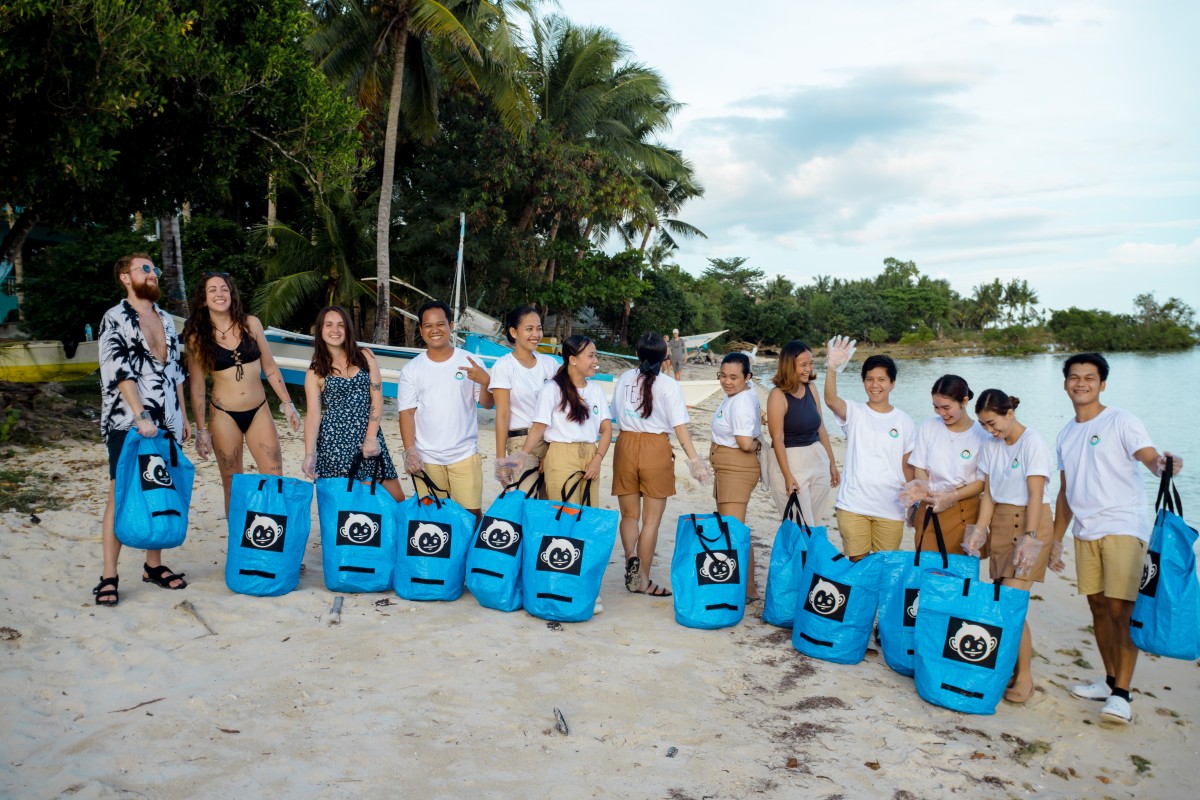
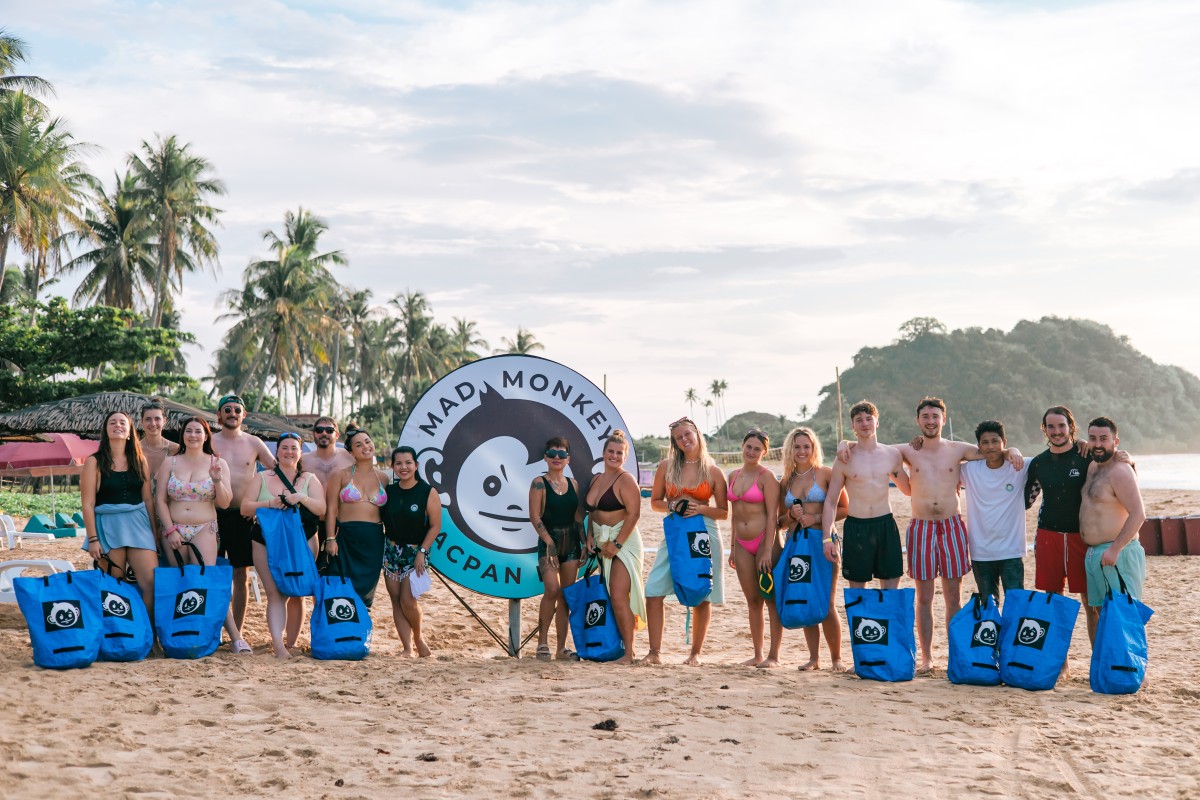
FOR IMMEDIATE RELEASE Mad Monkey Hostels, a leader in social and sustainable youth accommodation across Southeast Asia and Australia, has partnered with KrapMaps. KrapMaps is an innovative crowdsourced platform for waste management. This collaboration begins with pilot programs in two key destinations: Uluwatu, Indonesia, and Chiang Mai, Thailand. This initiative tackles a critical issue: waste management in popular tourist areas. It empowers travelers with a practical, community-driven solution. The KrapMaps app helps users find and map public waste disposal points, including recycling facilities. This promotes responsible waste practices and helps create cleaner local environments. “At Mad Monkey, our commitment goes beyond great social experiences. We also foster positive community and environmental impact,” stated Lexie Hadley, Head of Marketing at Mad Monkey. “Our partnership with KrapMaps aligns perfectly with our values. It turns environmental responsibility from a passive idea into an active, engaging experience for our guests. This directly helps preserve the vibrant places where we operate. Ultimately, our community becomes part of the solution, ensuring these cherished locations remain sustainable long-term.” Strategic Imperative: Empowering Responsible Travel Tourism brings economic benefits, but it often creates significant waste challenges. KrapMaps offers a scalable, tech-driven solution. It uses collective action. By gamifying the process of finding waste disposal locations, the platform encourages active participation from backpackers. This turns a common frustration into a constructive contribution. Pilot Program: Uluwatu, Indonesia and Chiang Mai, Thailand The pilot programs are currently operational at Mad Monkey Uluwatu and Mad Monkey Chiang Mai. Guests are actively encouraged to download the KrapMaps application and contribute to the mapping efforts within their local surroundings. This engagement is incentivized through a gamified system where top contributors at Mad Monkey properties can earn exclusive rewards, including complimentary stays and recognition on the global KrapMaps leaderboard. “We are immensely pleased to collaborate with Mad Monkey, a brand that deeply understands and champions community engagement,” commented Harley Treagust, Founder & CEO at KrapMaps. “Our shared vision is to cultivate a global network of environmentally conscious travelers who are proactive in preserving the beauty of their visited destinations. Launching this initiative in Uluwatu and Chiang Mai with Mad Monkey provides an ideal foundation for broader adoption and impact.” About Mad Monkey Hostels Mad Monkey is a leading hostel operator in Southeast Asia, known for experience-driven stays that blend affordable accommodation with community, adventure, and unforgettable social energy. With locations across Cambodia, Vietnam, the Philippines, Thailand, Indonesia, Laos, and Australia, Mad Monkey is more than a place to stay – it’s a place to belong. About KrapMaps KrapMaps is a pioneering sustainable travel application developed by and for backpackers. As the world’s first crowdsourced platform for locating waste disposal points, KrapMaps leverages gamification and community participation to empower travelers in reducing their environmental footprint and promoting cleaner travel habits.
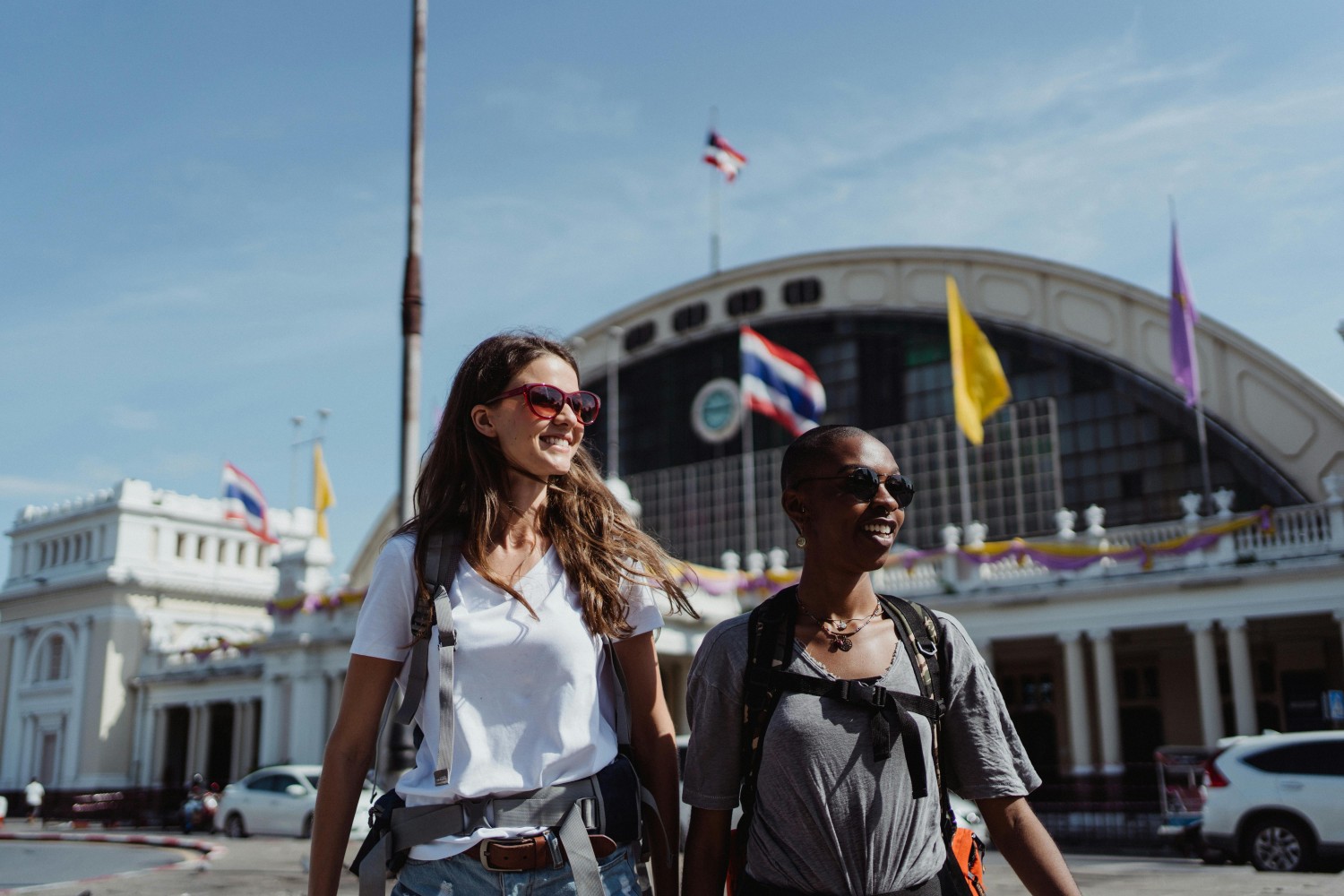
TL;DR What Is the Difference Between Backpacking and Flashpacking? Backpacking is low-cost, independent, long-duration travel: shared dorms, public transport, street food, and a route that bends to whoever you met at breakfast. Flashpacking keeps the independence and social instinct but adds disposable income, so the traveler can pay to remove friction, such as taking a flight instead of a 14-hour bus, or pay to add depth, such as joining a guided trek. The distinction is less about age than it used to be. The more useful test today is a question of trade-offs: when time and money conflict, which one do you protect? Travel Needs Backpacker Flashpacker Trip length Months Two to four weeks Accommodation Dorm beds, homestays, work exchanges Private rooms, boutique stays, or a mix Transport Overnight buses, trains, slow boats Domestic flights, faster trains, private transfers Food Street stalls, local eateries, hostel kitchen Restaurants and cafés, with street food still part of the trip Spending pattern Save where possible, splurge occasionally Spend more when it saves time or adds an experience Gear Larger pack, practical essentials Lighter pack, laptop, camera, quality travel gear Cultural context: In Southeast Asia, the label matters less than the choices behind it. Travelers often switch between dorms, private rooms, buses, flights, and local transport depending on the destination and how much time they have. How Much Does Backpacking vs Flashpacking Cost in Southeast Asia? There is no single Southeast Asia backpacking budget because daily costs vary significantly between countries, islands, cities, and travel seasons. As a broad planning guide, a backpacker might spend around $30–45 USD per day, while a flashpacker may spend roughly $70–120+ USD depending on accommodation, transport, and how often they pay for tours or private transfers. Traveling on a tighter budget? Our guide to How to Travel Southeast Asia on $30 a Day and Where It’s Actually Possible breaks down where that budget can still work and where you’ll need to spend more. Travel style Typical daily budget Usually includes Backpacker $30–45 USD Dorm bed, local food, public transport, occasional activities Mid-range $45–70 USD Better accommodation mix, restaurants, taxis, regular activities Flashpacker $70–120+ USD Private room, faster transport, tours, restaurants, occasional flights These are regional planning ranges rather than fixed prices. Thailand, Vietnam, Cambodia, the Philippines, Indonesia, Laos, and Malaysia can all produce very different daily totals. What the numbers hide is where the money goes. Backpackers spend more of their budget on staying longer. Flashpackers tend to spend more per day on reducing travel time, improving comfort, or fitting more experiences into a shorter trip. What Do Flashpackers Spend Money On? Flashpackers usually spend more on the things that save time or make a short trip more comfortable. That might mean taking a flight instead of an overnight bus, booking a private room after several nights in a dorm, or paying for a guided experience rather than arranging every detail independently. The spending usually falls into four areas: The difference is less about spending on luxury and more about deciding which parts of the journey are worth paying to make easier. Where Do Backpackers and Flashpackers Stay in Southeast Asia? Accommodation is often where the difference becomes most visible. Backpackers tend to prioritize a low nightly rate and the social atmosphere of a dorm, while flashpackers may pay more for a private room, boutique stay, or simply a quieter place to sleep. But the two styles overlap easily. A traveler can spend three nights in a dorm, book a private room after a long stretch on the road, then return to shared accommodation in the next city.…