




Contents
TL;DR:
- Days 1–3: Uluwatu, Bali – Explore cliffside beaches, visit Uluwatu Temple, and catch a Mount Batur sunrise.
- Days 4–7: Nusa Lembongan – Discover coastal viewpoints, relax on island beaches, and snorkel near Nusa Penida, where manta rays are sometimes spotted.
- Days 8–10: Gili Trawangan – Cycle around the island, snorkel with sea turtles, and catch sunset views across the water.
- Days 11–12: Kuta Lombok – Take a surf lesson, explore the south coast beaches, and discover Sasak culture in Sade Traditional Village.
- Best time to go: May to September, when drier weather generally makes beach days, hiking and island-hopping more favourable.
- Prefer a group adventure? Explore Indonesia with Mad Monkey’s 12-day All In Indonesia trip, bringing together island exploration, local experiences and the chance to travel alongside a crew of fellow backpackers.
What to Do in Uluwatu, Bali: Days 1–3
Start in Uluwatu, on the southern tip of Bali’s Bukit Peninsula. You’ll find limestone cliffs, surf breaks, beach cafés, and some seriously good ocean views.
It’s a good place to ease into the trip. Spend your first day finding your bearings, exploring the beaches and getting used to Bali’s traffic. Save the very early start for the volcano trek.
Visit Uluwatu Temple and the Surrounding Beaches
Perched above the Indian Ocean, Uluwatu Temple is one of Bali’s best-known coastal landmarks. Come in the late afternoon for the views, then stay for the Kecak Fire Dance if you’d like to see a traditional performance against the sunset.

Just remember that the monkeys around the temple are clever little thieves. Keep your sunglasses, phone, and anything shiny somewhere secure.
The beaches around the Bukit Peninsula deserve a few hours of your time, too:
- Padang Padang Beach: A sandy cove tucked between rock formations. You’ll need to walk down through a narrow entrance to reach it.
- Bingin Beach: A favourite with surfers, with beachfront cafés and places to watch the waves roll in.
- Suluban Beach: A dramatic stretch of coastline beneath limestone formations. It’s particularly popular with surfers.
- Melasti Beach: A wide beach backed by towering limestone cliffs, with a road that winds down towards the coast.
You won’t necessarily fit all four into one day, so pick a couple and enjoy them properly. Check the tides before heading down to smaller beaches, and bring cash for parking and entrance fees where required.
Take a Mount Batur Sunrise Trek
Here’s one for the early birds. Or, more accurately, anyone willing to sacrifice a few hours of sleep for a volcano sunrise.
Mount Batur, in Bali’s Kintamani region, is a popular sunrise hike. Most guided trips begin in the middle of the night so you can reach the summit before the sun appears over the surrounding landscape.
Coming from Uluwatu means a long drive before the hike even begins. It’s worth knowing that before you book, especially if you’re already running on island time.
Estimated cost: IDR 700,000–1,150,000 (approximately $41–$68 USD) per person for a guided trip with transport from southern Bali. Prices depend on group size, pickup location, and what’s included.
How to book: Compare guided trips through established tour platforms or local Bali operators. Before handing over your money, check whether the package includes:
- Hotel pickup and drop-off from Uluwatu
- A local trekking guide
- Entrance fees
- Breakfast and drinking water
- A headlamp or torch
- Cancellation arrangements if weather conditions are unsuitable
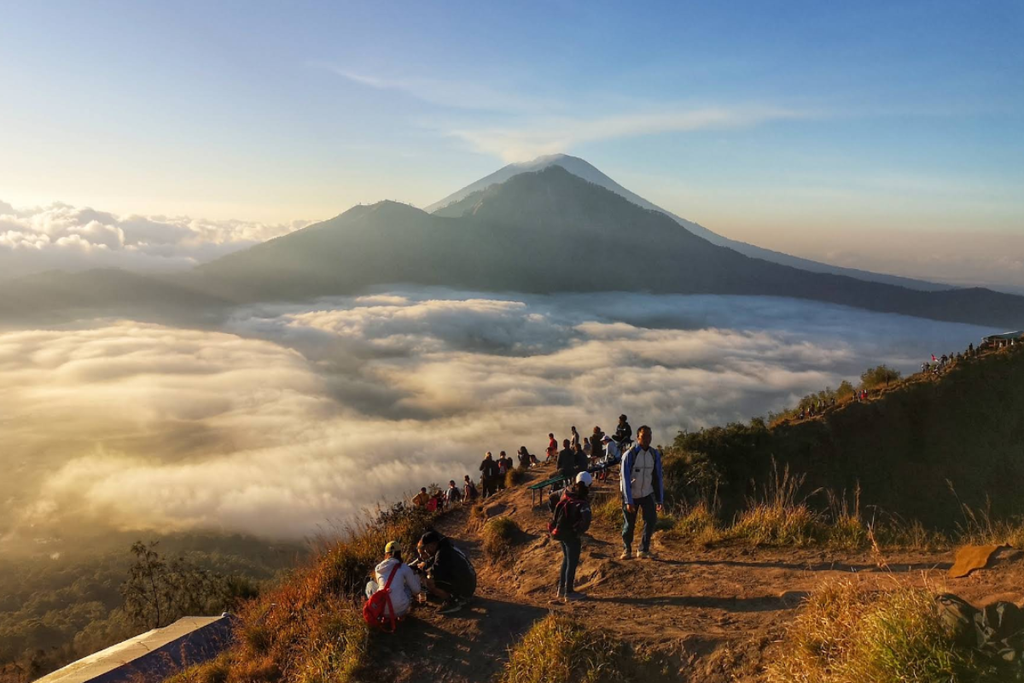
Pack a warm layer, proper walking shoes, and water. It can be surprisingly cold at the top before sunrise.
Mad Monkey Tip: Don’t squeeze the Mount Batur trek into a day when you have a boat to catch or a long transfer ahead. You’ll be up before dawn and probably ready for a nap by lunchtime.
Things to Do in Nusa Lembongan: Days 4–7
Next up: island life with a slower pace. Nusa Lembongan is smaller and less hectic than Bali, with coastal viewpoints, little cafés, clear-water bays and easy access to some of the region’s best-known snorkelling spots.
Four nights give you time to explore without turning every day into a checklist.
How to Get from Bali to Nusa Lembongan?
From Uluwatu, head to Sanur Harbour on Bali’s southeast coast. From there, fast boats run to Nusa Lembongan, with the crossing usually taking around 30–45 minutes.
Estimated one-way fare: IDR 200,000–350,000 ($12–$21 USD) per person. Prices vary depending on the operator, departure time, and whether transfers are included. Setia Fast Ferry, for example, lists adult fares from IDR 350,000 (around $21 USD).
How to book: Compare schedules and fares directly with operators such as Setia Fast Ferry. Check other available services before settling on a departure.
A few things to check before booking:
- Which harbour in Sanur does the boat leave from?
- Does it arrive at Jungut Batu or another landing point?
- Is hotel pickup included?
- What’s the luggage allowance?
- How early do you need to check in?
Give yourself enough time to get from Uluwatu to Sanur. Bali traffic has a talent for turning a short journey into a much longer one.
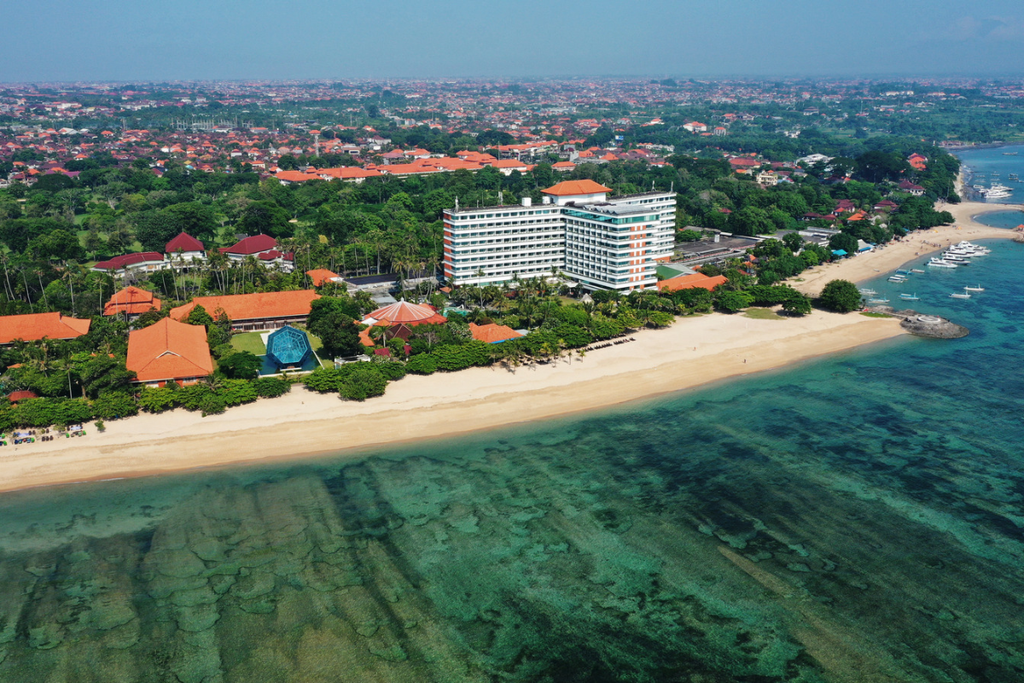
Explore Nusa Lembongan’s Beaches and Viewpoints
You don’t need a packed itinerary here. Hire a scooter if you’re experienced and properly licensed, or arrange a local driver to take you around the island.
Start with these spots:
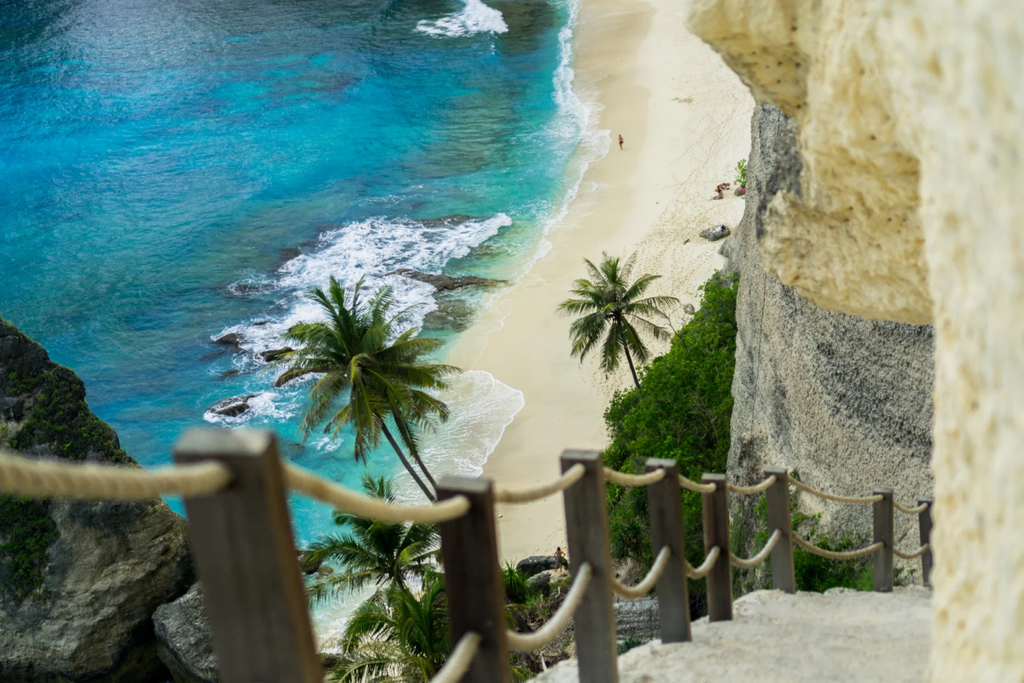
- Devil’s Tear: Waves crash against the rocks here, sometimes sending huge sprays of water into the air. Keep well back from the edge.
- Dream Beach: A small beach framed by cliffs. The scenery is lovely, but the waves can be strong.
- Mushroom Bay: A sheltered bay with restaurants, accommodation and boat access.
- Jungut Batu Beach: A long stretch of coastline lined with cafés, surf schools and views towards Bali.
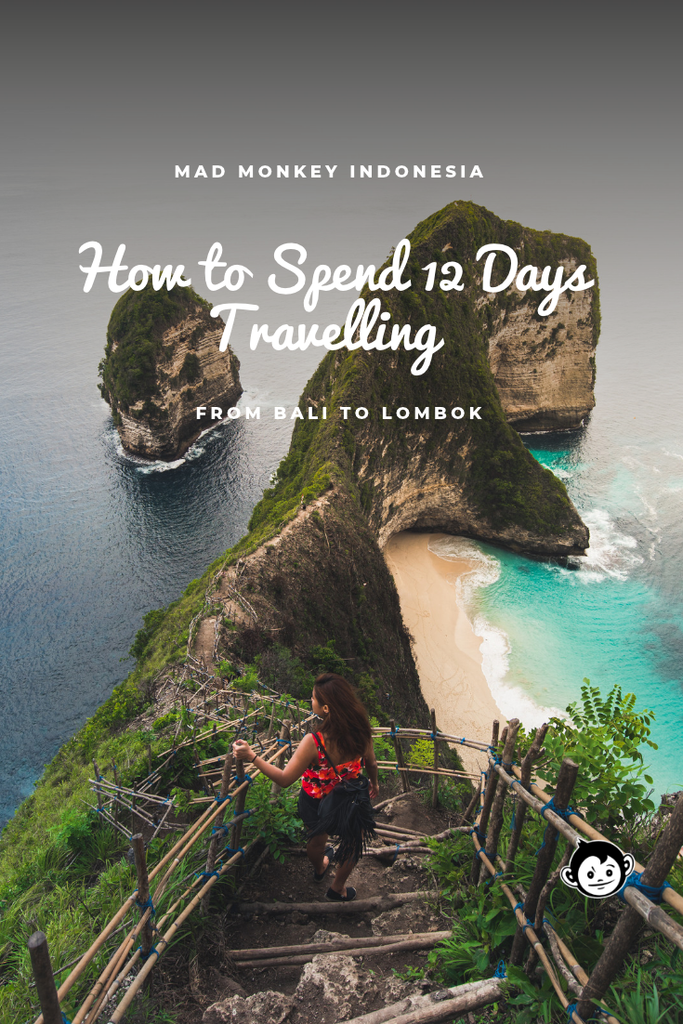
- Yellow Bridge: The bright yellow bridge connecting Nusa Lembongan with Nusa Ceningan.
Cross the Yellow Bridge and spend some time on Nusa Ceningan if you fancy a change of scenery. The island has its own coastal viewpoints and laid-back places to stop for lunch.
Go Snorkelling with Manta Rays Near Nusa Penida
This is one of the big draws of the area. Nusa Lembongan makes a convenient base for snorkelling trips around Nusa Penida, where manta rays are sometimes spotted.
Tours often visit several snorkelling sites, including Manta Point when conditions and the operator’s route allow. Just remember that these are wild animals, not a guaranteed appearance on a schedule.
Estimated shared snorkelling trip: IDR 300,000–400,000 ($18–$24 USD) per person. Private trips cost more, depending on the boat and itinerary.
Want to arrange your snorkelling experience ahead of time? You can also check out the Mad Monkey Snorkelling Tour for another option to get out on the water and explore Indonesia’s marine life.
Mad Monkey Tip: The water around Nusa Penida can get rough. Listen to your guide, especially if they decide a snorkelling spot isn’t safe that day. The ocean gets the final say, not your booking confirmation.
What to Do in Gili Trawangan: Days 8–10
Welcome to Gili Trawangan, the largest of the three Gili Islands off Lombok. There are no regular cars or motorbikes here, which means the usual island soundtrack is replaced by bicycle bells, footsteps and the occasional clip-clop of a cidomo.
The island has a social side, plenty of places to eat and a coastline that makes it tempting to do absolutely nothing for an afternoon. Four nights gives you time for both.
How to Get from Nusa Lembongan to Gili Trawangan?
Direct fast boats connect Nusa Lembongan with Gili Trawangan. The journey usually takes around two to three hours, depending on the operator, route, and sea conditions.
Estimated one-way fare: From IDR 415,000 ($25 USD) per person. Some services cost more, with The Tanis Fast Cruise starting at around IDR 415,000 ($25 USD) and D’Camel Fast Ferry at around IDR 475,000 ($28 USD). Fares vary by operator and travel date.
How to book: Compare departures and fares through Fast Boat Gili.
Pay attention to the departure harbour. Boats may leave from Mushroom Bay or Jungut Batu, which are on different sides of Nusa Lembongan. Check your ticket carefully so you’re not racing across the island with your backpack.
Book ahead during busy travel periods, and leave some flexibility in your plans. Fast boats can be delayed or cancelled when sea conditions aren’t suitable.
Cycle around Gili Trawangan
Forget looking for a taxi. One of the best ways to get around Gili Trawangan is to rent a bicycle and follow the coastal route.

A full loop can take around one to two hours without long stops, but there’s no reason to rush. Stop for a swim, grab a cold drink or find a beachside café when something catches your eye.
Some parts of the route are sandy or uneven, so you may need to hop off and push your bike.
Other ways to spend your time include:
- Snorkel with sea turtles: Join a guided boat trip or explore suitable swimming areas around the island. Give turtles plenty of space and never touch or chase them.
- Visit the Gili Trawangan night market: Come hungry. You’ll find grilled seafood, satay, nasi campur and other Indonesian favourites.
- Watch the sunset on the west coast: Find a spot along the beach and look out towards Bali.
- Visit Gili Meno or Gili Air: Take a boat to one of the neighbouring islands if you want to see another side of the Gili chain.
What to Know About Getting Around Gili Trawangan?
With no regular motorised traffic, getting around is refreshingly simple. Walk, rent a bicycle, or take a cidomo, the traditional horse-drawn cart used to carry passengers and luggage.
If you’re taking a cidomo, agree on the fare before setting off. This is particularly useful when you’re arriving at the harbour with a full backpack and no idea how far your accommodation is.
Estimated daily activity budget: Around IDR 150,000–250,000 ($9–$15 USD) for bicycle rental and a simple snorkelling activity. Boat trips and guided excursions will cost extra.
Things to Do in Kuta Lombok: Days 11–12
For the final stretch, head to Kuta on Lombok’s southern coast. This is a good place to trade the boat schedule for a surfboard and spend a couple of days exploring beaches backed by hills and open countryside.
Kuta makes a good base for exploring the south coast, but you’ll need a scooter or car to reach many of the beaches outside town.
How to Get from Gili Trawangan to Kuta Lombok?
Leaving Gili Trawangan for Lombok takes two legs: a boat ride to the mainland, followed by a road transfer to Kuta. It’s a fairly straightforward journey, but sorting out both connections ahead of time will save you some harbour-side negotiating.
Step 1: Take a boat from Gili Trawangan to Bangsal Harbour.
Bangsal Harbour is the main mainland arrival point for public boats from the Gili Islands. If you’re travelling on a backpacker budget, take the public boat. It’s cheaper than booking a private speedboat, although you’ll need to work around its departure arrangements and wait for enough passengers.
Public boat fares are around IDR 23,000–25,000 (around $1.40–$1.50 USD ) per person. Buy your ticket at the official harbour counter, check the latest departure information, and keep some cash handy.
Not keen on waiting for the public boat? You can book a public fast boat for around IDR 125,000 ($8 USD) per person, with a roughly 30-minute crossing. Check schedules and availability through GiliMove.
If you’re travelling solo, the public boat is kinder to your budget. But if you’ve got a few people to split the fare with, a private crossing might be worth considering; it costs around IDR 500,000 ($30 USD) per boat for up to four passengers.
Step 2: Get from Bangsal Harbour to Kuta Lombok.
Once you’re off the boat at Bangsal Harbour, Kuta Lombok is still a two-to-three-hour drive away. This is where you’ll want to have your next ride sorted, especially if you’re arriving during the busy travel season.
A little planning makes the journey easier:
- Book a shuttle that picks you up directly from Bangsal Harbour.
- Keep some cash handy for your boat ticket and smaller expenses.
- Leave enough time between your boat crossing and road transfer.
- Use any extra waiting time to grab a bite, stretch your legs, or enjoy the harbour views.
If you’re travelling solo or keeping your budget in check, a shared shuttle is your best bet. Expect to pay around IDR 200,000 (around $12 USD) per person, depending on the operator and availability. Check routes and booking options with Mandalika Trans Lombok.
Travelling with friends or carrying enough luggage to fill a small boat? A private car gives you more flexibility. Ask for the full vehicle price before booking, then split the fare between your group to see if it works out cheaper than buying individual shuttle seats.
Take a Surf Lesson in Kuta Lombok
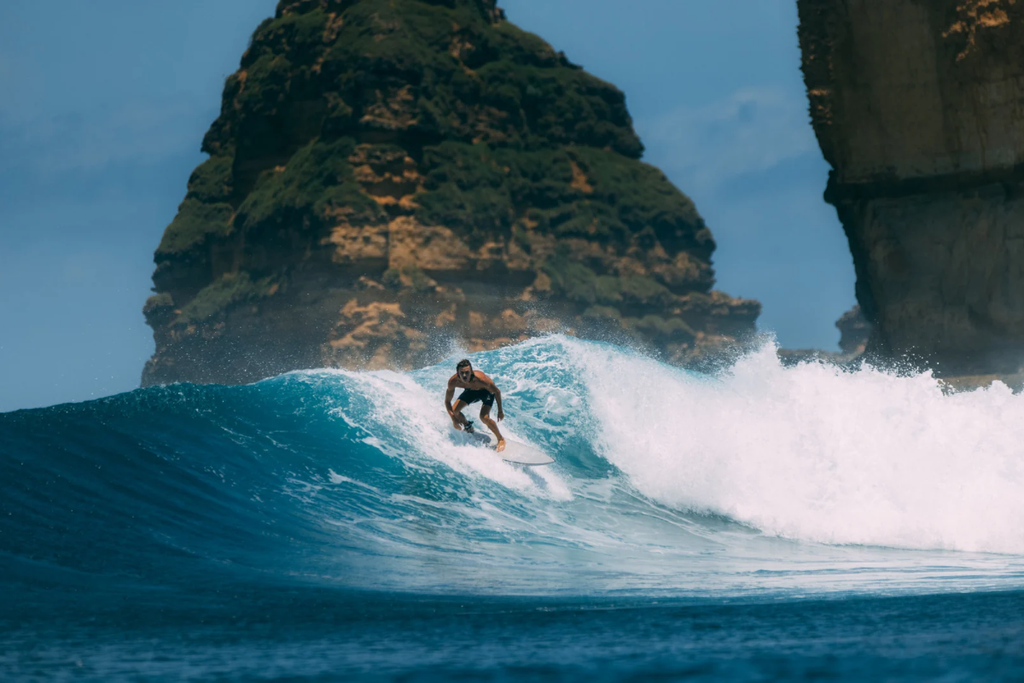
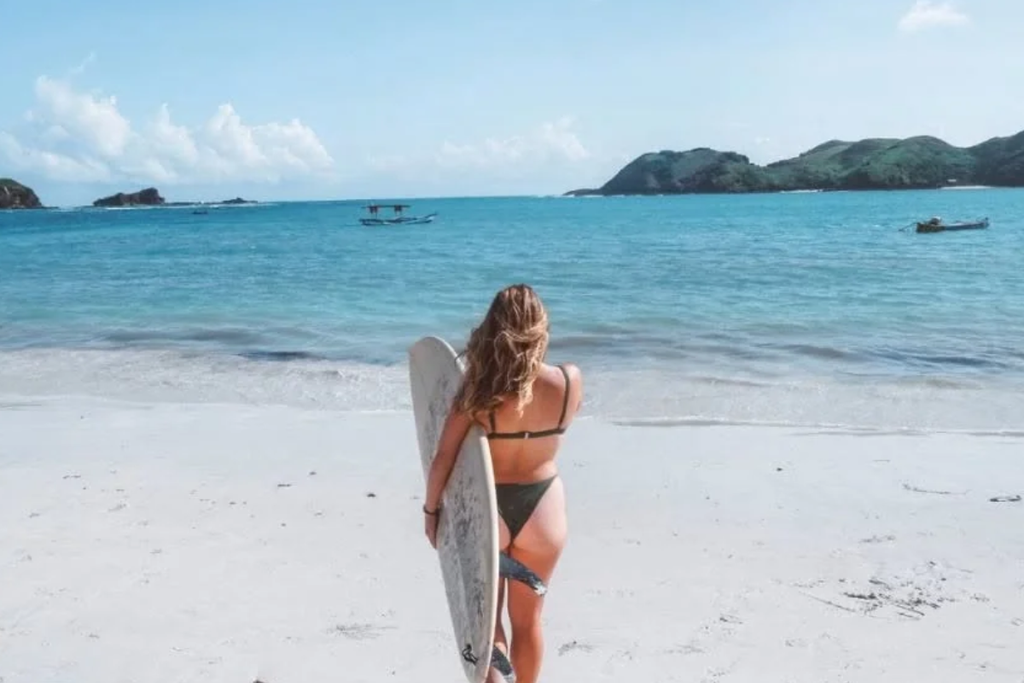
Never stood on a surfboard? Kuta Lombok is a good place to change that. The southern coast has waves for different experience levels, and local instructors can help you find a break that matches yours.
If it’s your first lesson, you’ll start with the basics: getting comfortable on the board, reading the waves, and, with a bit of luck, standing up before the session ends. Already know your way around a lineup? Ask about intermediate breaks and the day’s surf conditions.
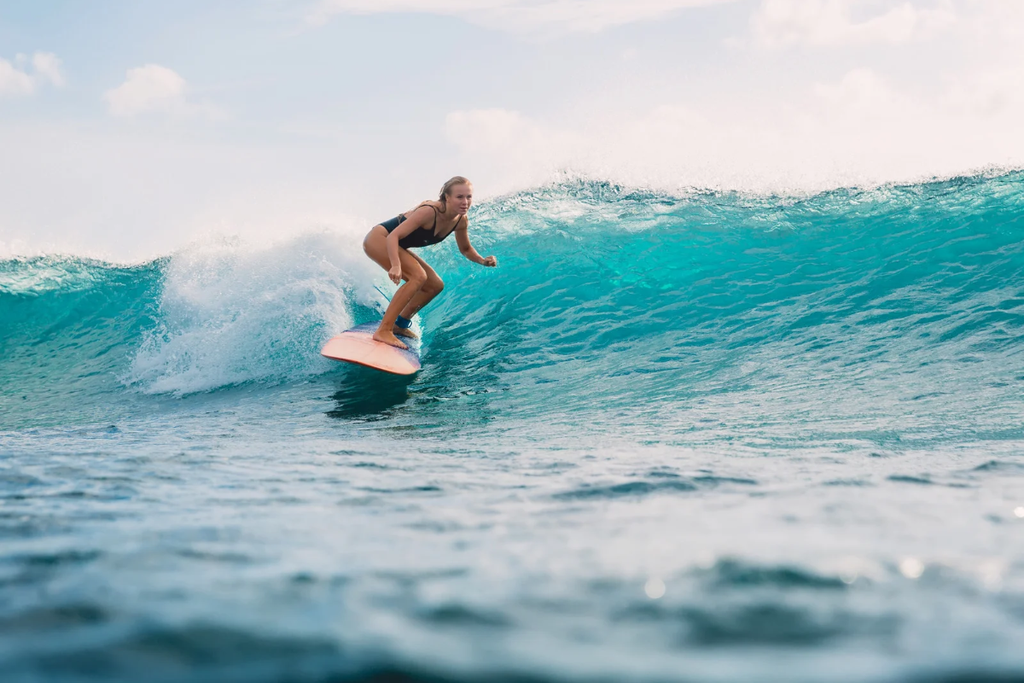
Estimated beginner surf lesson: Around IDR 550,000 ($33 USD) per person for a session. Prices vary depending on the lesson length, group size, and inclusions.
If you’d rather have your surf session sorted before you arrive, Mad Monkey has a few options in Kuta Lombok. You can book a beginner surf lesson, catch an afternoon session, or take on an intermediate-level lesson. Keen to spend more time chasing waves? There’s also a surf camp and a four-day surf camp.
Visit the Beaches Around Kuta Lombok
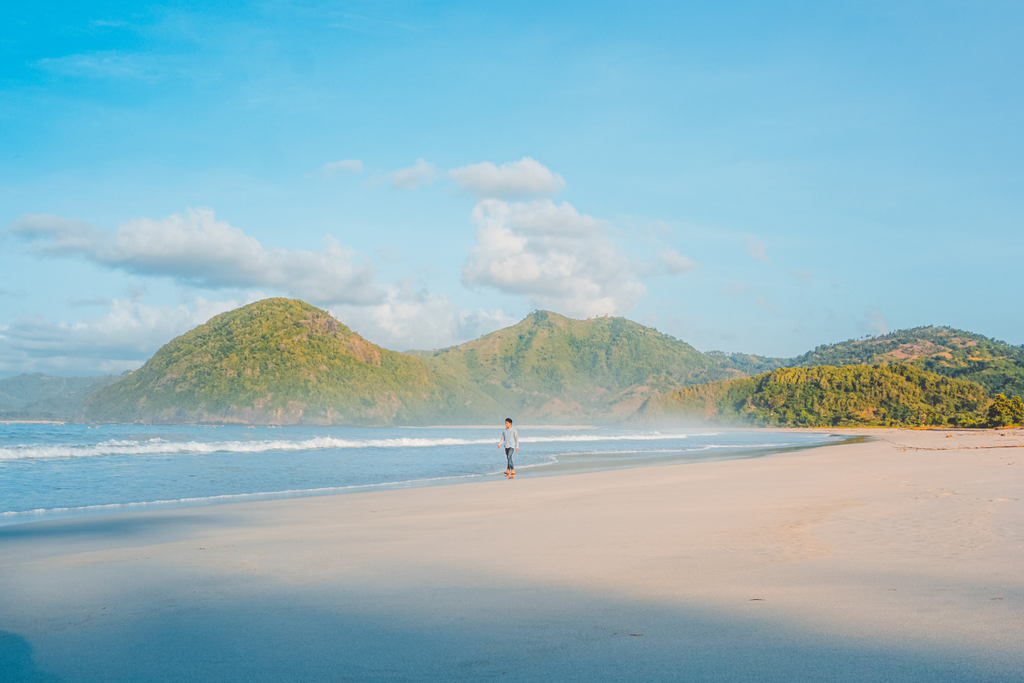
One beach day probably won’t cut it here. Kuta is surrounded by stretches of coastline worth exploring, from sheltered bays to long sandy beaches where surfers spend hours chasing waves.
If you’ve got a scooter or a driver, set aside a full day to explore. Here’s where to start:
- Tanjung Aan Beach: Around 15 minutes east of Kuta, this double-crescent bay is known for turquoise water, white sand, and its distinctive pepper-like sand grains. Swim in the sheltered inner bay, grab a drink by the beach, or walk up Bukit Merese for panoramic coastal views. The beach is generally free to access, but budget around IDR 10,000 ($0.60 USD) for parking. Some local access points may collect an additional fee, so carry small notes.
- Mawun Beach: Head around 20–25 minutes west of Kuta to reach this crescent-shaped bay tucked between green hills. It’s a good place to slow down, swim in the sheltered middle section, and find a spot under a beach umbrella. Expect a local entrance or parking charge of around IDR 10,000 ($0.60 USD), although fees can vary.
- Selong Belanak Beach: Around 35–45 minutes west of Kuta, this long sandy beach is popular with beginner surfers. You’ll find local warungs, board rentals, and surf instructors along the shore. There’s generally no separate beach entrance ticket, but bring around IDR 5,000–10,000 ($0.30–$0.60 USD) for parking.
- Kuta Beach and Mandalika: You don’t have to travel far for a coastal afternoon. Kuta Beach sits right by town, with cafés, restaurants and views across the bay. Explore the wider Mandalika area if you want to see more of this developing stretch of Lombok’s south coast.
How to get between the beaches: Tanjung Aan sits east of Kuta, while Mawun and Selong Belanak are west. From Kuta, ride east for Tanjung Aan, then head back through town before exploring the western beaches. Mawun and Selong Belanak can be combined in one trip, with roughly 20–30 minutes of riding between them depending on your route and road conditions. Allow a full day if you want time to swim, eat, and explore rather than rushing through each stop.
A scooter gives you the freedom to make your own beach-hopping route, with rentals in Kuta generally around IDR 70,000–100,000 ($4–$6) per day. If you’re not confident riding, arrange a local driver instead. There isn’t a reliable public transport network connecting these beaches, so don’t count on catching a bus between stops.
A few things to bring along:
- Cash in small denominations for parking, local fees, drinks and warungs
- Sunscreen, sunglasses and a hat. Shade can be limited on some beaches
- Drinking water and a towel
- Your driving licence and a helmet if you’re renting a scooter
The coastal roads are mostly paved, but some stretches are winding, and you may encounter loose sand, potholes, or livestock. Ride at a comfortable pace and avoid unfamiliar roads after dark. Beach conditions also change, so check the water before swimming, particularly at exposed sections.
Experience Sasak Culture in Lombok
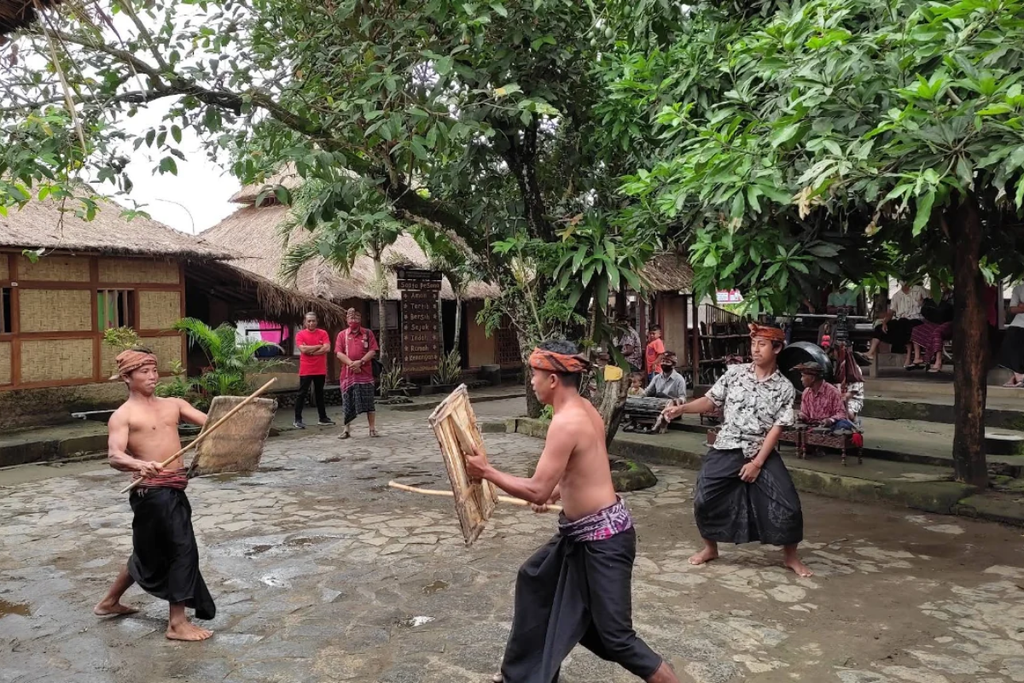
Lombok isn’t all surfboards and beach cafés. Head inland from Kuta, and you’ll find traditional Sasak villages where architecture, weaving and everyday customs offer a different perspective on the island.
One place worth adding to your route is Sade Traditional Village, around 15–20 minutes by car from Kuta Lombok. It’s home to the Sasak community and is known for its traditional houses, distinctive thatched roofs, and village layout.
Walk through the village with a local guide, and you’ll get a closer look at how traditional Sasak homes are built, how families use different spaces, and why certain customs remain part of daily life. You may also see local women demonstrating traditional weaving, a craft that plays an important role in Sasak culture.
How to get there: Sade is approximately 8–10 km from Kuta. You can reach it by scooter, private driver, or as part of a guided South Lombok cultural tour. The drive usually takes around 15–20 minutes, depending on traffic.
Entrance fee: Visitors are generally asked to make a donation or pay a local guide fee. Bring around IDR 25,000–50,000 (approximately $1.50–$3) per person as a guide, but confirm the current charge when you arrive.
A few things to keep in mind when visiting:
- Dress modestly and respect local customs.
- Ask permission before photographing residents or their homes.
- Consider buying locally made woven textiles directly from village artisans.
- Follow your guide’s advice when entering homes or community spaces.
A few hours in Sade adds a cultural stop to your Lombok itinerary between beach days and surf sessions. You’ll come away with a closer look at Sasak traditions, local craftsmanship, and the community that gives the island its distinct character.
When Is the Best Time to Visit Bali, Nusa Lembongan, the Gili Islands and Lombok?
Planning this route? May to September is generally the best time to go. It’s the dry season across this part of Indonesia, which means more chances of sunny beach days, good hiking weather, and smoother island-hopping conditions.
October to April brings the wet season. You can still travel during these months, and the landscapes turn beautifully green, but expect more rain and occasional rough seas that can affect fast-boat schedules.
| Season | What to expect |
|---|---|
| May–June | A good balance of drier weather and fewer peak-season crowds |
| July–August | Dry, sunny and busy. Book accommodation and boat tickets ahead |
| September | Generally good weather, with fewer crowds as peak season winds down |
| October–April | Wetter months, greener scenery and a greater chance of boat delays |
Mad Monkey Tip: If you want good weather without the July and August crowds, consider May, June or September. Whichever month you choose, check sea conditions before travelling between islands. Even during dry season, rough crossings can happen, so give yourself some flexibility on travel days.
What Are the Visa and Entry Requirements for Indonesia?
Before flying into Bali, check what you need to enter Indonesia. Visa requirements depend on your passport, and not everyone needs to pay for a Visa on Arrival.
Here’s what to sort out before your backpacking trip:
- Passport validity: Your passport generally needs at least six months of validity from your arrival date. You may also need proof of an onward or return ticket.
- Visa requirements: Eligible nationalities can enter visa-free for tourism, while others need a Visa on Arrival (VOA) or e-VOA. The standard VOA costs IDR 500,000 (approximately USD 28) and allows a 30-day stay, with one extension available for eligible travellers.
- All Indonesia Arrival Card: Complete the free digital arrival declaration within 72 hours before arrival. Save the QR code on your phone to present when requested.
- Bali tourist levy: Foreign tourists visiting Bali must pay IDR 150,000 (approximately USD 8.40). This is separate from your visa and arrival declaration.
Good news for this route: once you’ve cleared immigration on arrival, you won’t need separate visas for Nusa Lembongan, Gili Trawangan, or Lombok. They’re all part of Indonesia, so you can focus on the boat tickets rather than additional island entry permits.
Need help figuring out which visa applies to your passport? Our Mad Monkey Indonesia Visa Guide covers visa options, fees, application steps, and the documents you’ll need.
You can also complete your requirements through the official websites:
Mad Monkey Tip: The All Indonesia Arrival Card is free. Complete it through the official government website within the 72-hour window and save your QR code before heading to the airport. No need to pay a third-party website to do it for you.
Want to Explore Indonesia in 12 Days with an All-In Trip?
Imagine swapping ferry searches and accommodation bookings for more time chasing waterfalls, exploring islands, discovering local spots, and sharing the journey with fellow backpackers.
The Bali-to-Lombok adventure in this guide is just one way to experience Indonesia. If you’d like to discover the country through a group trip, Mad Monkey’s 12-day All In Indonesia Adventure brings together the destinations and experiences that make backpacking here so exciting, with the route organised for you.
Same spirit of island exploration, a different way to travel. Take a look at the Mad Monkey All In Indonesia trip and see where your next adventure could take you.
Frequently Asked Questions
Yes. Twelve days gives you time to experience all four destinations, from Uluwatu’s cliffside beaches and Nusa Lembongan’s snorkelling spots to Gili Trawangan’s island atmosphere and the surf breaks of South Lombok. You’ll need to plan your transfers carefully, as travelling between islands takes up a good part of some days.
The route combines road transfers and fast boats. Travel from Uluwatu to Sanur Harbour, then take a fast boat to Nusa Lembongan. From there, catch a direct fast boat to Gili Trawangan. To reach Kuta Lombok, take a boat to Bangsal Harbour and continue by road. Check departure harbours and schedules before booking, and leave some flexibility for delays.
Yes. Direct fast boats operate between Nusa Lembongan and Gili Trawangan. The crossing usually takes around two to three hours, depending on the operator and sea conditions. Boats may depart from Mushroom Bay or Jungut Batu, so check your ticket for the correct departure point.
It depends on the kind of island experience you’re after. Gili Trawangan offers a wider choice of accommodation, restaurants, social spots and nightlife. Over on Gili Air, you’ll find a quieter atmosphere, with laid-back beachside cafés and a slower pace. For this itinerary, Gili Trawangan makes a good base if you want a more social island stop with plenty of options for a four-night stay.
May to September is generally the best time for this route, as these months fall within the drier season. May, June, and September can offer a good balance of favourable weather and fewer crowds, while July and August are busier. October to April brings more rain and a greater chance of rough seas, which can affect boat crossings.
Absolutely! If you’d rather explore Indonesia with a planned itinerary and a group of fellow travellers, Mad Monkey’s 12-day All In Indonesia trip is another way to experience the country. It’s an option for travellers who want to spend less time organising logistics and more time discovering destinations, sharing experiences and meeting people along the way. Check out our Mad Monkey All In Indonesia trip for the itinerary, destinations, and what’s included.
Pin Now. Read Later.