






Contents
TL;DR:
- Do you need a visa? Travelers from certain countries can visit Vietnam visa-free for up to 45 days. US and Canadian passport holders generally need a visa.
- How much does it cost? $25 USD for a single-entry eVisa or $50 USD for multiple entry.
- How long does approval take? The official processing standard is three working days after a complete application and payment are received. Apply early to allow for delays.
- How long is it valid? An eVisa can be issued for up to 90 days, depending on the approved dates and entry type.
- Where do you apply? Use the official Vietnam eVisa portal.
Who Needs a Vietnam eVisa in 2026?
Planning a few days in Hanoi, a longer route down Vietnam’s coast, or a backpacking trip that crosses into neighboring countries? Your visa requirements depend on the passport you hold and how long you plan to stay. Some travelers can enter Vietnam visa-free, while others need an approved eVisa before departure.
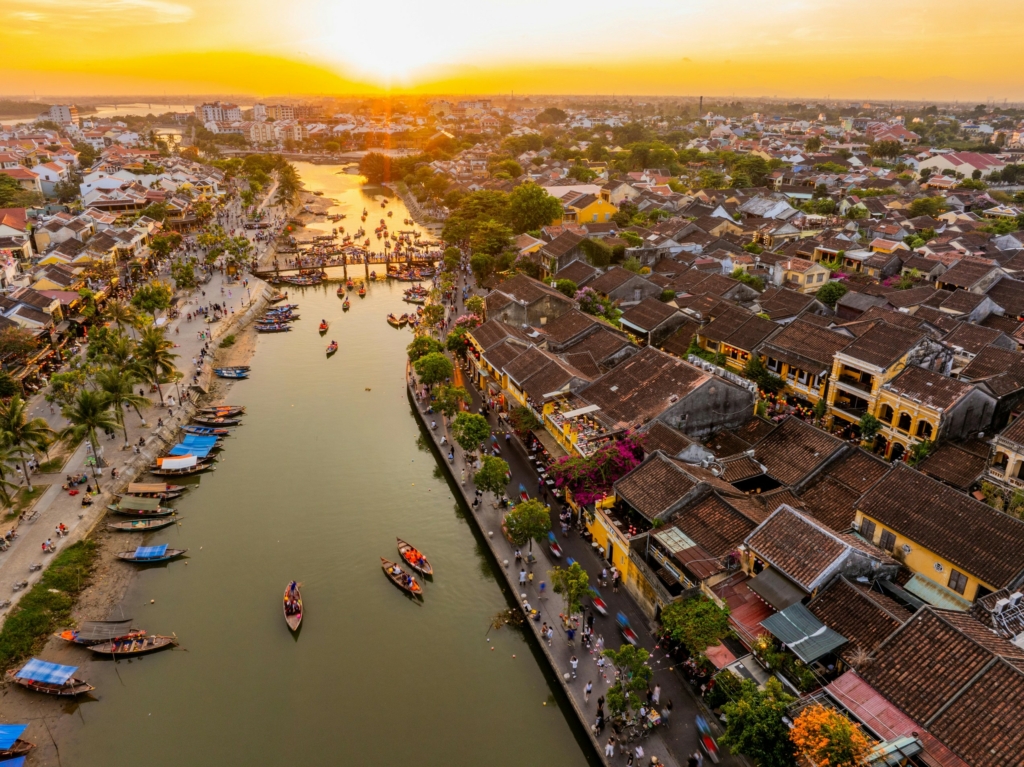
Which countries qualify for visa-free entry to Vietnam?
Vietnam currently has two specific visa-exemption policies covering 24 nationalities for stays of up to 45 days, provided travelers meet the relevant entry conditions.
The first group includes citizens of the United Kingdom, Germany, France, Italy, Spain, Denmark, Sweden, Norway, Finland, Russia, Japan, and South Korea. Under Resolution No. 44/NQ-CP, this exemption runs from March 15, 2025, through March 14, 2028.
A second group became eligible under Resolution No. 229/NQ-CP. It covers citizens of Belgium, Bulgaria, Croatia, the Czech Republic, Hungary, Luxembourg, the Netherlands, Poland, Romania, Slovakia, Slovenia, and Switzerland for tourism stays of up to 45 days. This policy runs from August 15, 2025, through August 14, 2028.
If you hold a US or Canadian passport, you’ll generally need a visa for a tourist visit unless a specific exemption applies. Other nationalities may qualify under separate visa-exemption arrangements, so the two groups above aren’t a complete list of every possible exemption.
Passport requirements matter, too. Travelers using these unilateral visa exemptions must have at least six months of passport validity remaining from their date of entry and meet the other applicable entry conditions. Check the Vietnam Ministry of Foreign Affairs’ visa-exemption list before travelling.
If you need an eVisa, apply through the official Vietnam eVisa portal and make sure your approved dates cover your planned stay.
Traveler Tip: Staying in Vietnam for more than 45 days? Check your visa options before booking the rest of your trip. Choose an entry arrangement that covers your full stay so you can explore without worrying about overstaying.

How to Apply for a Vietnam eVisa Online
Getting your Vietnam eVisa sorted before departure means one less thing to worry about when your trip begins. The application is completed online through Vietnam’s official immigration portal, so you can prepare your documents and submit your details before leaving home.
Start at evisa.gov.vn and follow the application instructions. You’ll need your passport or qualifying international travel document, a portrait photograph that meets the portal’s requirements, and details of your planned visit.
Here’s how to get through the process:
- Prepare your documents. Have a clear image of your passport’s information page and a suitable portrait photograph ready.
- Complete the application. Enter your personal details exactly as they appear on your passport, along with your planned entry and exit dates, entry checkpoint, and accommodation information.
- Choose your visa type. Select single entry for a trip involving one entry into Vietnam, or multiple entry if you plan to leave and return while your visa is valid.
- Pay the application fee. Follow the payment instructions on the official portal.
- Save your registration code. Keep it somewhere accessible so you can check your application status and retrieve the result when available.
Before submitting, double-check your passport number, name, and travel dates. Small errors can lead to delays, and an application receipt is not the same as an approved visa. Allow time for processing before your departure date.
Is evisa.gov.vn the official Vietnam visa website?
Yes. evisa.gov.vn is an official Vietnam Immigration Department portal. The department also lists thithucdientu.gov.vn as an official portal address.
Be careful when searching for visa assistance online. Some third-party agencies charge extra fees to handle applications, while fraudulent websites may imitate government services. Before uploading your passport or entering payment details, check that you’re on an official government website.
Traveler Tip: Save your registration code and keep a copy of your approved eVisa with your travel documents. If your application is still pending, don’t assume you can board a flight that requires you to have an approved visa.
How Much Does a Vietnam eVisa Cost?
| Visa type | Fee |
|---|---|
| Single entry | $25 USD |
| Multiple entry | $50 USD |
The fee is paid through the official Vietnam eVisa portal and is non-refundable if your application is refused. Check the payment page for the amount charged, and remember that your bank may apply its own currency conversion or transaction fees.
Which visa should you choose? If your trip stays entirely within Vietnam and you enter the country only once, a single-entry visa may be enough. Planning to visit Cambodia or Laos and return to Vietnam? A multiple-entry visa may be the better fit, provided it remains valid for your return.
Choose based on your actual itinerary rather than the price alone. Leaving Vietnam and coming back can change your entry requirements, so sort out the right visa before booking cross-border transport.
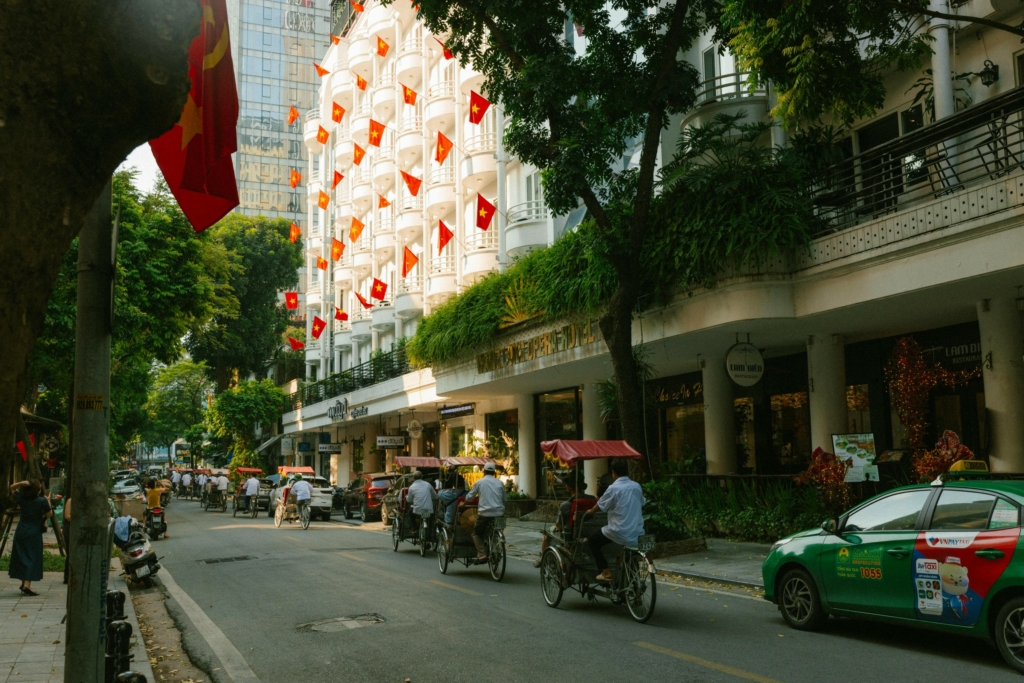
How Long Does a Vietnam eVisa Take to Process?
Vietnam’s official processing standard is three working days after a complete application and payment have been received. For a smoother start to your trip, it’s worth giving yourself a little extra time rather than leaving the application until the last minute.
Applying at least two weeks before departure gives you room to review your details, correct any mistakes, and handle unexpected delays without disrupting your travel plans.
Once your eVisa is approved, match the validity dates against your flight itinerary. This is especially important for late-night departures and early-morning arrivals, when your flight schedule might cross into a different calendar date. Having your approved visa ready before heading to the airport helps you start your Vietnam journey with one less thing to worry about.
What Documents Do You Need to Enter Vietnam?
Before leaving for Vietnam, keep your travel documents ready and easy to access. A little preparation makes check-in and arrival procedures easier to navigate.
Before heading to the airport, have these ready:
- Passport: Check the expiry date well ahead of departure. Vietnam’s unilateral visa-exemption rules require at least six months of passport validity. If you’re applying for an eVisa, follow the passport requirements shown in the official Vietnam eVisa portal.
- Approved eVisa: Save the PDF on your phone and carry a printed copy as a backup.
- Accommodation details: Keep your booking confirmation and first-stay address handy.
Which Airports and Border Crossings Accept Vietnam eVisas?
Vietnam eVisa holders must enter and exit through designated international border gates. These include Noi Bai International Airport in Hanoi, Tan Son Nhat International Airport in Ho Chi Minh City, and Da Nang International Airport.
Under Resolution No. 389/NQ-CP, issued in December 2025, Vietnam expanded its approved eVisa checkpoint list to 83 entry and exit gates, covering air, land, and waterway crossings. You can read the Vietnam Government announcement for details.
If you’re crossing overland from Cambodia, Laos, or China, confirm that your specific border gate accepts eVisa holders before booking transport. Not every international crossing is an approved eVisa checkpoint.

Do You Need to Complete Vietnam’s Pre-Arrival Information Form?
Vietnam’s Pre-arrival Information (PAI) system is separate from the eVisa application. According to a Vietnamese Embassy notice dated September 30, 2026, the system is being piloted on a voluntary basis at five international airports: Tan Son Nhat, Noi Bai, Da Nang, Cam Ranh, and Phu Quoc.
If you’re arriving at one of these airports, check the official PAI portal for the latest instructions. The system collects passenger, visa, and travel information and generates a QR code after submission. Completing it does not replace an eVisa if you need one.
Traveler Tip: Use official government websites rather than lookalike services offering to complete the declaration for a fee. Check the latest instructions for your arrival airport before departure, as procedures can change.
Where to Stay in Vietnam: Mad Monkey Hanoi and Hoi An
Looking for the best hostels in Vietnam? Hanoi and Hoi An offer two different sides of the country. In Hanoi, mornings start with strong Vietnamese coffee and steaming bowls of pho on busy pavements. In Hoi An, yellow-walled heritage houses, lantern-lined streets, and nearby beaches set the pace. Mad Monkey puts you close to these local experiences, with fellow travelers to meet along the way.
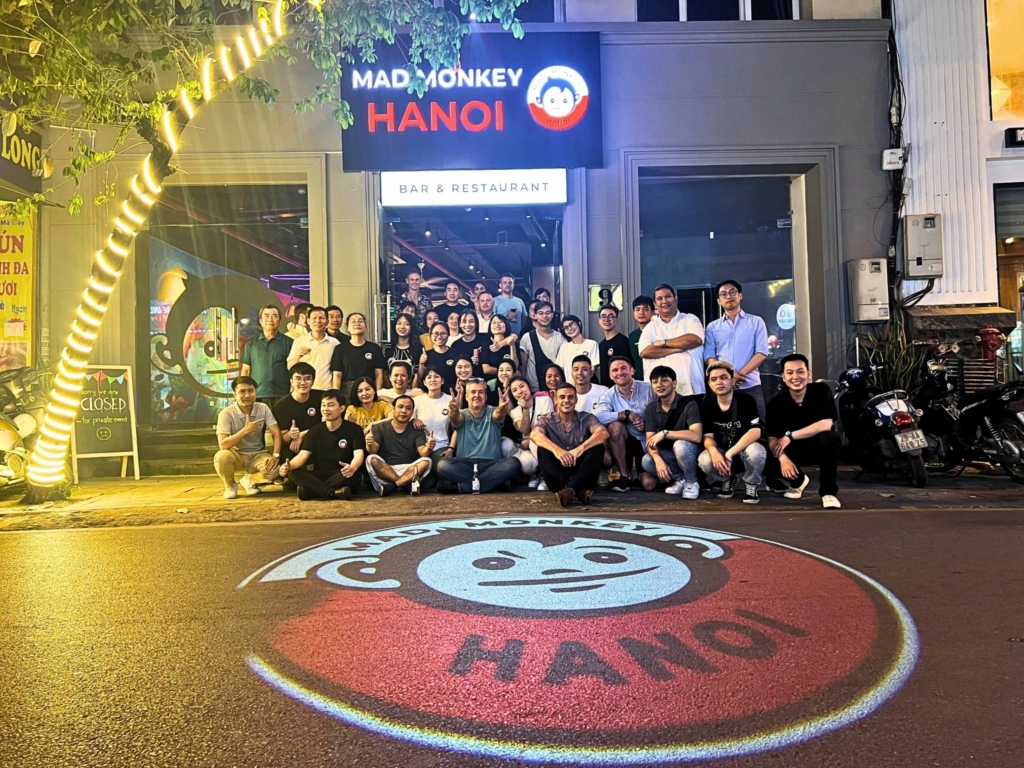
Mad Monkey Hanoi: Street Food by Day, Social Nights After Dark
Settle into Mad Monkey Hanoi in the Old Quarter, where street-food stalls, local cafés and historic streets are right outside. Back at the hostel, grab a bite at the restaurant, catch a game at the sports bar or join the daily Meet Up to get to know fellow travelers. Karaoke, pub quizzes and pub crawls keep the evenings social, while bookable experiences such as Ha Giang Loop tours, Ninh Binh day trips and Hanoi street-food tours make it easier to see more of northern Vietnam.
Whether you’re traveling solo or rolling in with friends, there’s room to find your people and plan the next leg of your journey.
Mad Monkey Hoi An: From Ancient Town to Cua Dai Beach
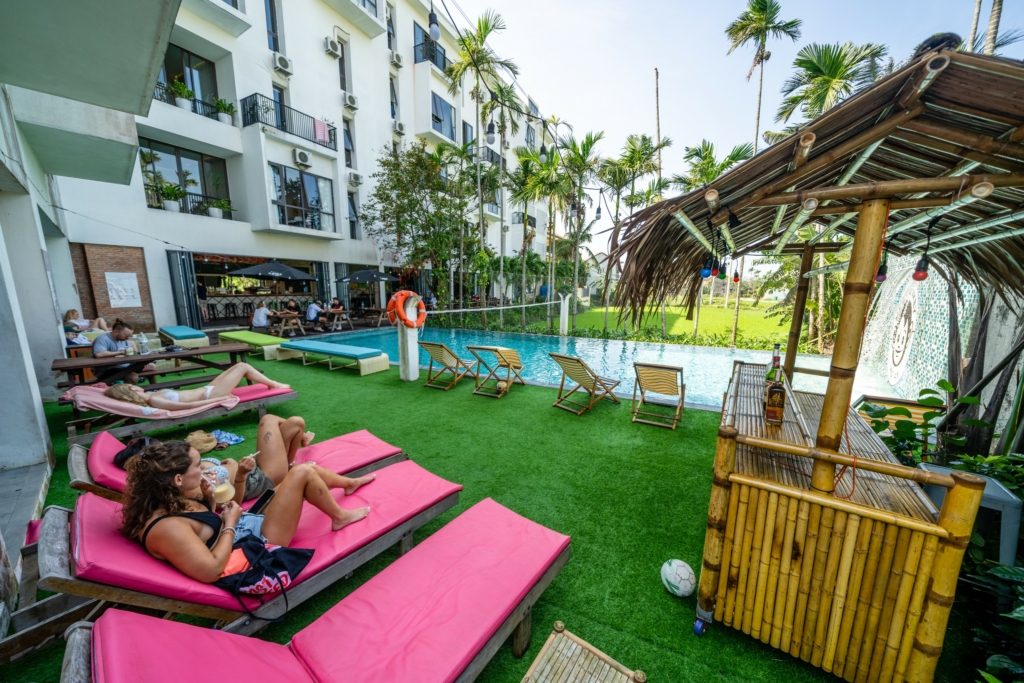
At Mad Monkey Hoi An, your days can move from exploring the Ancient Town to cooling off in the swimming pool. Refuel at the bar and restaurant, relax in the terrace garden, or join the daily Meet Up to connect with other backpackers. When you’re ready to get out and explore, experiences such as Vietnamese coffee-making classes, sunset river cruises, guided bicycle tours, and stand-up paddleboarding offer different ways to experience Hoi An.
Come back after a day out, take a dip, and see where the evening takes you, whether that’s karaoke, a pub crawl, or a few drinks with the people you’ve met.
Explore More of Vietnam with Mad Monkey ALL IN
Want to see more of Vietnam without spending hours piecing together transport and accommodation? Mad Monkey ALL IN makes exploring multiple destinations easier, with routes planned and key logistics taken care of. Spend less time working out the details and more time discovering Vietnam’s street-food culture, coastal landscapes, and backpacker towns with fellow travelers.
Your Vietnam Adventure Starts Here
From Hanoi’s street-food stalls and late-night conversations to Hoi An’s lantern-lit streets and beach days, Vietnam gives you plenty of reasons to stay a little longer. Try the dishes you can’t pronounce, take the scenic route, and say yes to exploring somewhere new with the people you meet along the way.
Get your Vietnam eVisa sorted before departure, then make room for the experiences that don’t fit neatly into a travel plan. Vietnam has a lot more to offer than a checklist of places to see.
FAQs: About the Vietnam eVisa
No, UK citizens can generally visit Vietnam visa-free for up to 45 days, provided they meet the current entry conditions. If you’re staying longer, check whether you need an eVisa or another visa option before booking your trip. Visa exemptions vary by nationality, so confirm your eligibility through Vietnam’s official immigration resources.
If your nationality requires an eVisa, apply and wait for approval before travelling. Don’t assume you can get the required visa at the airport. Apply through the official Vietnam eVisa portal and check that your approved visa covers your arrival date.
Choose based on your itinerary. A single-entry eVisa is suitable if you plan to enter Vietnam once and remain in the country throughout your trip. A multiple-entry eVisa is more suitable if you’re planning to visit Cambodia or Laos and return to Vietnam. Both options can be valid for up to 90 days, subject to the dates and conditions on your approved visa.
Don’t rely on being able to extend your stay. Extension options depend on current immigration rules and your individual circumstances. Before your permitted stay expires, contact the Vietnam Immigration Department or a qualified immigration professional to confirm your options. If you plan to stay longer, investigate the appropriate visa before travelling.
First, check your application status through the official portal using your registration details and review any instructions provided. The application fee is generally non-refundable if your eVisa is refused. If you apply again, carefully check your passport details, personal information, entry dates, and selected border checkpoint before submitting. Allow enough time for another application to be processed before your departure date.
Hanoi and Hoi An are great places to start. Mad Monkey Hanoi puts you in the Old Quarter, close to street food, cafés, and historic landmarks, with social events and tours to help you meet fellow travelers. Mad Monkey Hoi An combines a swimming pool, bar, restaurant, and organized activities with easy access to Hoi An’s Ancient Town and the route toward Cua Dai Beach. Both offer a social base for exploring Vietnam and connecting with other backpackers.
Pin Now. Read Later.


