




Contents
TL;DR:
- Best time to swim: November to April generally brings calmer conditions to Phuket’s west coast. May to October is southwest monsoon season, when stronger waves and rip currents become more common.
- Follow the flags: Red means no swimming. Only enter designated swimming areas when conditions permit, and lifeguards allow it.
- Know the beaches: Patong, Karon, Kata, Kamala and Surin can experience dangerous surf during monsoon season.
- Have a backup plan: If sea conditions aren’t suitable for swimming, explore Phuket’s inland attractions, local markets, cafés or cultural sites instead.
- Save emergency numbers: 1669 for medical emergencies, 191 for police, and 1155 for Tourist Police.
Why Is Swimming Dangerous in Phuket From May to October?
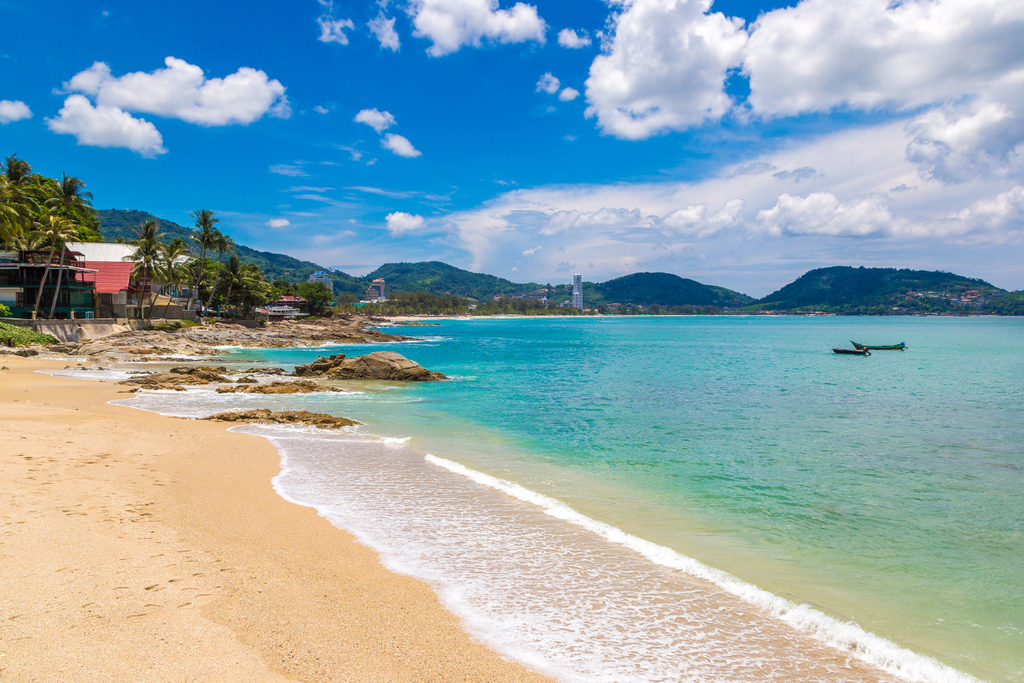
Every year, the southwest monsoon changes the character of Phuket’s west coast. From May to October, stronger winds and swells roll into the Andaman Sea, bringing rougher water and rip currents to beaches that are otherwise popular for swimming.
A rip current is a narrow channel of water moving away from the shore. It can carry swimmers beyond the breaking waves, sometimes faster than they can swim back. The tricky part is that it doesn’t always look dangerous. One stretch of water might appear unusually calm while the surrounding waves continue to break.
Patong Beach has seen the consequences firsthand. In June 2026, lifeguards rescued 33 swimmers caught in rip currents. Patong lifeguard supervisor Somprasong Saengchat reminded beachgoers that clear skies don’t necessarily mean safe swimming conditions. The Phuket News reported on the warning in July 2026.
Mad Monkey Phuket Insight: Don’t judge the sea by the weather. A sunny afternoon can still bring dangerous currents, so check the flags and ask lifeguards about conditions before swimming.
What Do Phuket Beach Flags Mean?
Beach flags are there for a reason, and knowing the difference can help you avoid a dangerous swim.
At Phuket’s lifeguard-supervised beaches, you’ll commonly encounter these colours:
| Flag | Meaning |
|---|---|
| Red | Dangerous conditions. Do not swim. |
| Yellow | Caution. Swimming may be permitted, but conditions carry increased risk. |
| Green | Generally calmer swimming conditions. Continue to exercise caution. |
| Red and yellow | Marks a designated lifeguard-supervised swimming area. |
Red-and-yellow flags are different from a red warning flag. They identify the area monitored by lifeguards, rather than indicating that the sea is closed to swimming.
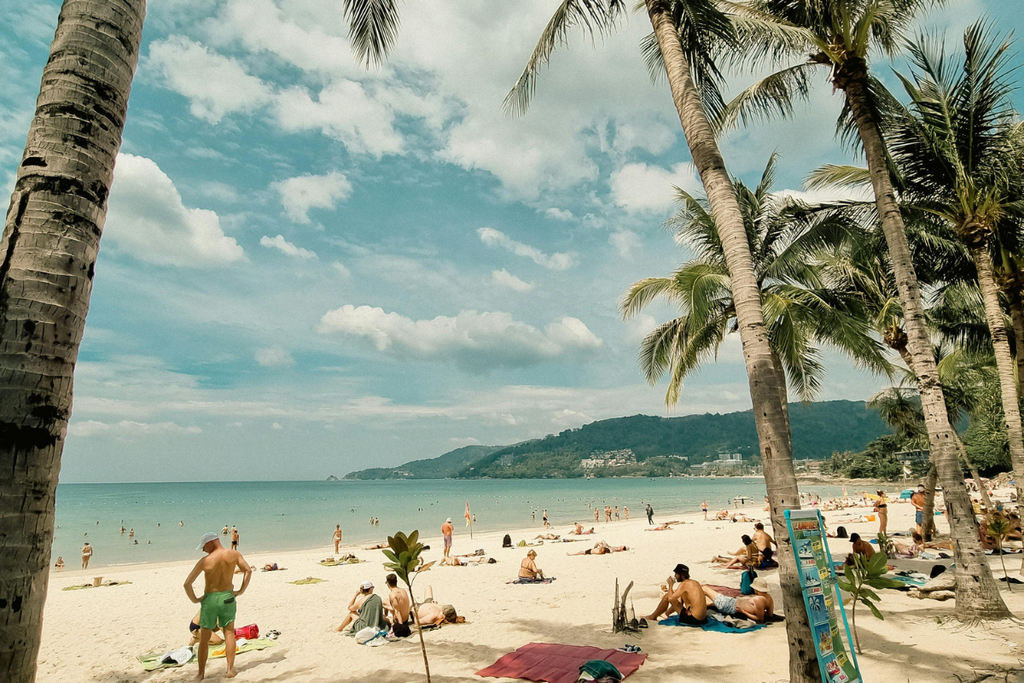
If a red warning flag is displayed, stay out of the water, even if the waves look manageable. Also, remember that not every beach has lifeguards or flags. The absence of a warning doesn’t automatically mean the sea is safe.
The Tourism Authority of Thailand advises visitors to respect beach warnings, particularly during the southwest monsoon. Check its marine safety guidance before your trip.
Which Phuket Beaches Are Riskier During Monsoon Season?
Phuket’s west coast has several popular beaches, but they don’t all have the same conditions or level of lifeguard coverage. During the southwest monsoon, stronger waves and rip currents can affect the entire coastline. Here’s what to know about the main beaches before planning a swim.
Patong Beach
Patong is usually buzzing with beachgoers, watersports, and vendors along the sand. But once the southwest monsoon arrives, the conditions in the water can change quickly. In June 2026, lifeguards rescued 33 swimmers caught in rip currents at Patong Beach. The busy shoreline can make the sea look inviting, but a crowded beach doesn’t necessarily mean safe swimming conditions.
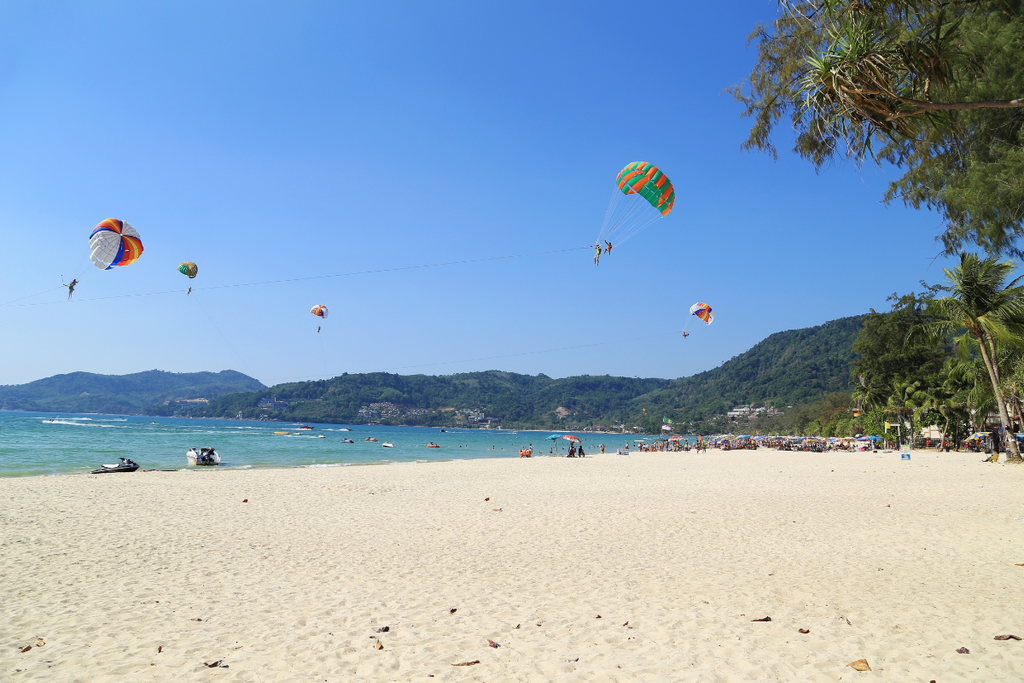
Safety Reminder: Check the beach flags before entering the water and swim only in designated areas when lifeguards permit it. If a red flag is displayed, stay out of the sea, even if other visitors are swimming. Avoid swimming alone or after drinking, and don’t venture into the water when lifeguards are off duty.
Karon Beach
Karon Beach stretches for roughly three kilometres, giving visitors plenty of room to spread out along the sand. But that also means swimming conditions aren’t necessarily the same from one end to the other. During the southwest monsoon, strong waves and rip currents can develop along exposed sections of the coastline, even when other areas appear manageable.
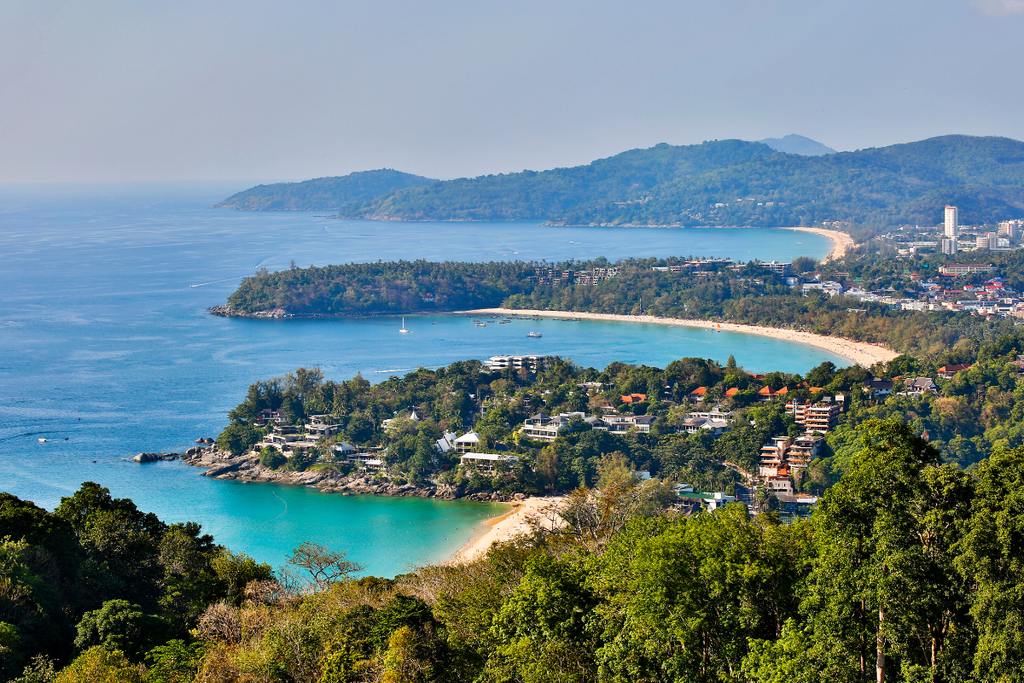
Swimming Tip: Don’t walk away from a supervised swimming area just to find a quieter patch of water. If lifeguards aren’t monitoring that section, you won’t have the same level of assistance if conditions turn dangerous.
Kata Beach
Kata Beach is a popular spot for surfing, particularly during Phuket’s southwest monsoon when stronger swells bring more activity to the water. But waves that attract surfers can make swimming difficult for everyone else. Breaking waves, changing water levels, and rip currents can catch inexperienced swimmers off guard, especially near surf zones.
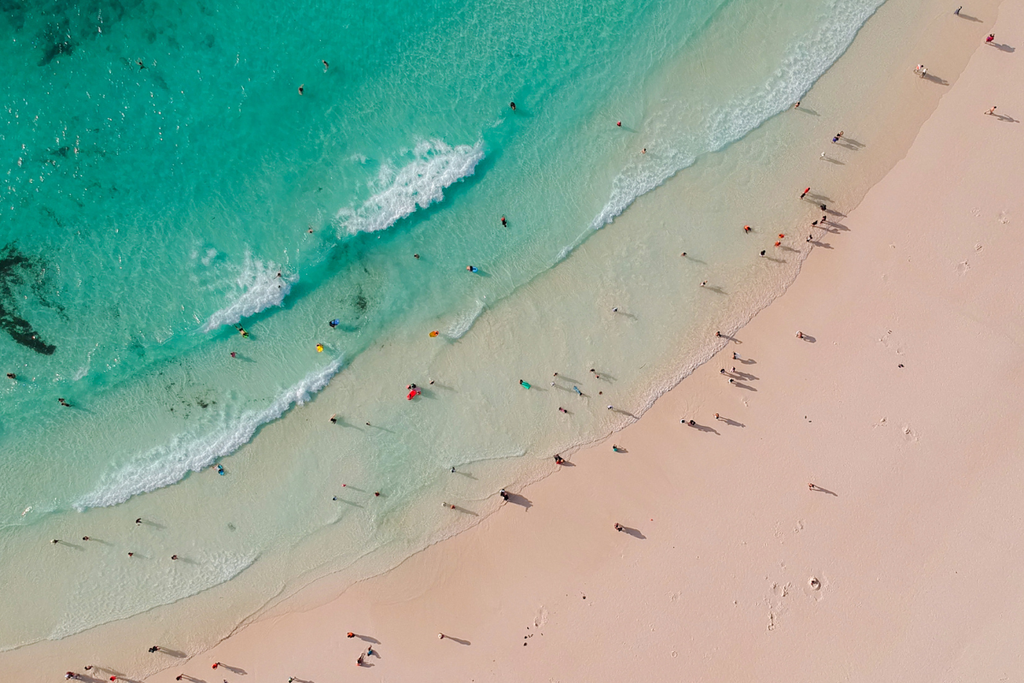
Surf Tip: If you’re visiting Kata to surf, pay attention to designated surf areas and local instructions. If you’re there for a swim, choose a supervised swimming zone away from surfers and never enter the water when red flags are displayed.
Kamala Beach
Kamala Beach has a more laid-back feel than Patong, with a village centre, beachfront restaurants and fewer crowds along the sand. It’s easy to assume the quieter setting means an easier swim, but Kamala is still exposed to the Andaman Sea during the southwest monsoon. Strong waves and rip currents can affect the beach, particularly when lifeguard coverage is limited.
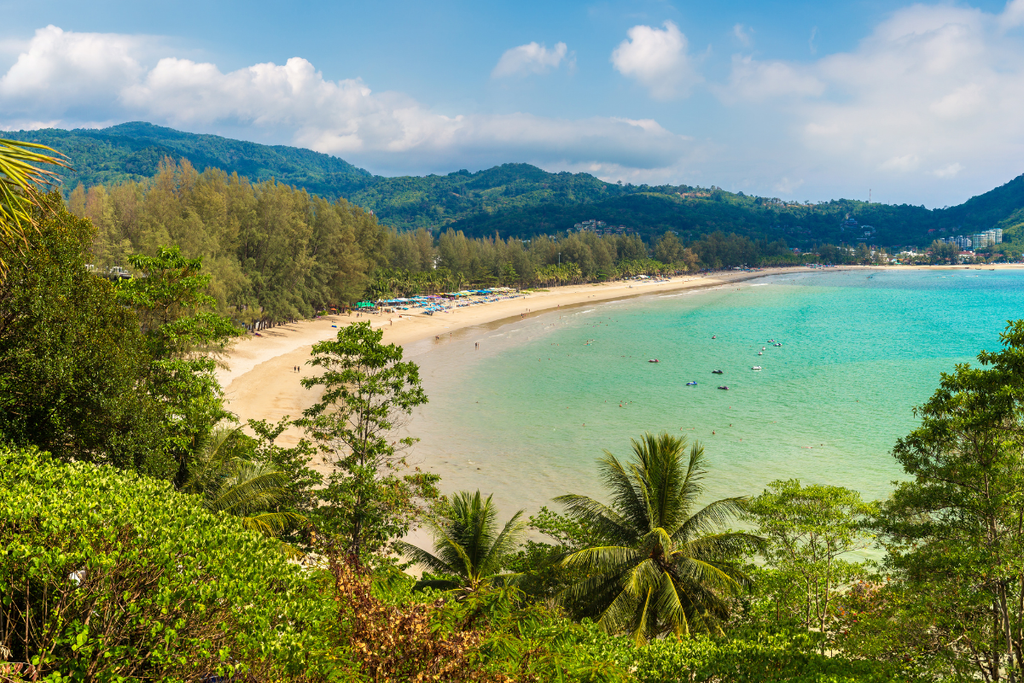
Swimming Reminder: If you’re planning to spend the afternoon at Kamala, check where lifeguards are stationed before choosing your spot. Don’t head into an unpatrolled stretch simply because the water looks calmer there.
Surin Beach
Surin Beach is known for its clear water and scenic stretch of sand, but the west-facing coastline is exposed to the Andaman Sea and its seasonal swells. During the southwest monsoon, rough surf can make entering the water risky, even on days when the beach looks relatively calm. Conditions can change quickly, so a clear sky isn’t a reliable sign that it’s safe to swim.
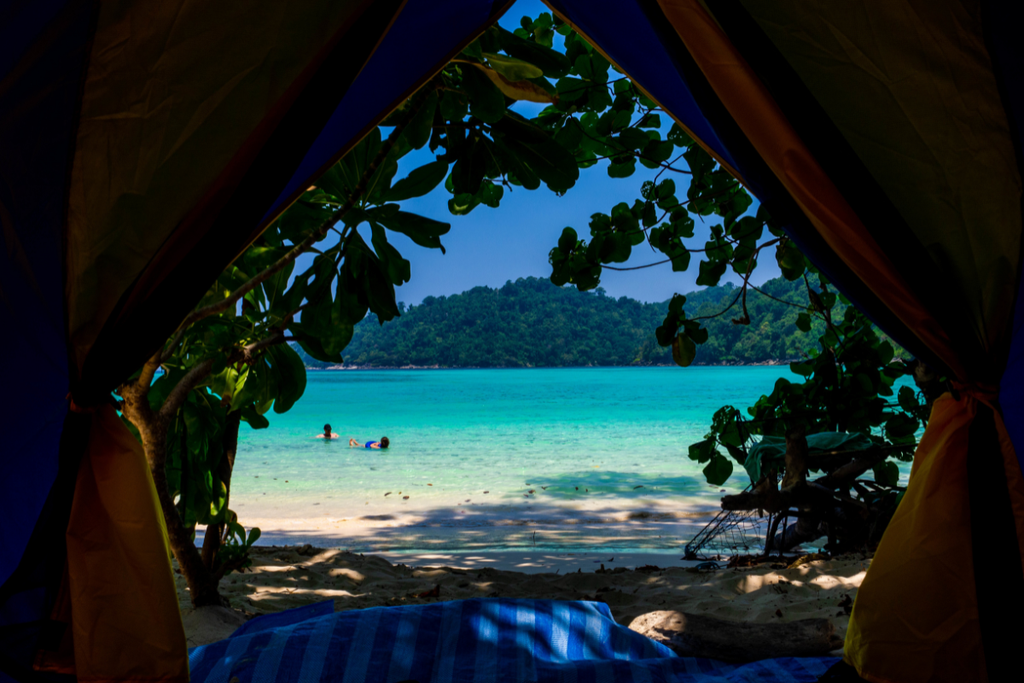
Safety Reminder: If red flags are displayed, stay out of the water. Surin is a beach to enjoy from the sand when the sea turns rough, so save the swim for a day when local conditions permit.
Mad Monkey Reminder: Phuket’s west coast can change quickly during monsoon season. A beach that looks calm isn’t necessarily safe for swimming. Check the flags, listen to local lifeguards and respect swimming restrictions. When red flags are up, keep your beach day on the sand.
Are There Safer Beaches to Visit in Phuket During Monsoon Season?
Not every beach in Phuket gets hit by the southwest monsoon in the same way. While the west coast takes the brunt of the seasonal swell, parts of the east and southeast coast are more sheltered and can have calmer swimming conditions.
One place worth checking out is Ao Yon Beach in Cape Panwa. Tucked into a sheltered bay on Phuket’s southeastern coast, it’s a quieter alternative to the exposed beaches around Patong and Karon. It’s worth considering when the west coast is looking rough, although conditions can still change with the tide and weather.
Ao Yon has limited lifeguard coverage, so ask about local conditions before getting in and stay out if the water looks rough or swimming restrictions are in place.
And if the sea isn’t playing along, there’s no shortage of things to do on dry land. Spend the afternoon exploring Phuket Old Town, wander through its local markets or find a café along one of its historic streets. You can always save the beach swim for another day.
When Is It Safe to Swim in Phuket?
If swimming is the priority on your Phuket itinerary, November to April is generally the better time to visit the island’s west coast beaches. The southwest monsoon has eased, the Andaman Sea is usually calmer, and conditions are more favourable for swimming.
From May to October, it’s a different story. Some days might bring sunshine and relatively calm water, while others come with strong waves and rip currents. Don’t let a blue sky or a green flag make you overconfident. Always check the latest beach warnings before getting in.
A few simple precautions can make a difference:
- Go swimming during daylight: You’ll have better visibility, and lifeguards are more likely to be on duty.
- Choose a supervised swimming area: Stay within the designated zone and follow lifeguard instructions.
- Leave the alcohol for later: Swimming after drinking affects your coordination and judgement, particularly when the water gets rough.
- Don’t swim alone: Go with someone who can raise the alarm if something goes wrong.
- Keep an eye on changing conditions: Check the flags again if you’re spending several hours at the beach.
One more thing: avoid swimming after dark, especially during monsoon season. Without good visibility or lifeguard supervision, spotting a rip current or getting help becomes much harder. Save the nighttime hours for Phuket’s restaurants and nightlife instead.
How Can You Stay Safe When Swimming in Phuket?
A beach day is better when you know what you’re getting into. Phuket’s sea conditions can change quickly, particularly during the southwest monsoon, so take a few minutes to check your surroundings before swimming.
Keep these precautions in mind:
- Check the beach flags: Red means no swimming. Follow lifeguard instructions and use designated swimming areas.
- Look at the water before entering: Watch for strong waves, unusual gaps in breaking surf, and water moving away from shore.
- Swim near lifeguards: Avoid isolated stretches of beach where help may not be available.
- Don’t swim after drinking: Alcohol affects your judgement, coordination and ability to respond to changing conditions.
- Avoid swimming alone or after dark: Poor visibility and limited supervision make emergencies harder to manage.
- Know your limits: Strong waves and currents can challenge even confident swimmers. Don’t go farther out than you can comfortably manage.
If you get caught in a rip current: Stay calm and float to conserve energy. Swimming directly against the current can quickly wear you out. Instead, try to swim parallel to the shore until you’re clear of the current, then make your way back to the beach. If you cannot escape, keep floating, raise one arm, and call for help.
Who to Call in a Beach Emergency in Phuket?
Save these numbers before heading to the beach. You don’t want to be searching for emergency contacts when someone needs help.
| Emergency service | Number |
|---|---|
| Medical emergencies and ambulance | 1669 |
| Police emergency | 191 |
| Tourist Police | 1155 |
When calling, give the operator the beach name, your nearest landmark, the number of people involved, and whether anyone is conscious or breathing.
Stay on the line and follow the operator’s instructions. If a lifeguard is nearby, alert them immediately.
For more travel assistance, Thailand’s Tourist Police also provide support to international visitors through their 1155 hotline.
Where to Stay and What to Do in Patong During Monsoon Season?
If you’re staying in northern Patong, Patong Beach is only a short walk from Mad Monkey Phuket, located at 15 Chaloemphrakiat Road. The beach is close to Jungceylon and Bangla Road, making it easy to fit into a day exploring this part of the island.
If the sea conditions aren’t suitable for swimming, Mad Monkey Phuket has an outdoor pool where guests can cool off without heading into the open water. It’s a handy alternative on days when the west coast is too rough for a swim.
A rough-weather day is also a good excuse to explore beyond the beachfront. Jungceylon has plenty of shopping and dining options, while Phuket Old Town is worth the trip for its Sino-Portuguese architecture, local markets and independent cafés.

Make the Most of Phuket’s Beaches, Whatever the Season
A Phuket beach day can look different during monsoon season. You might arrive at Patong expecting a swim, only to find red flags along the shore and waves rolling in harder than expected. It can be disappointing, especially when the beach is a big part of your trip, but knowing when to stay out of the water is part of travelling responsibly.
And when the sea settles, you can head back to the beach and enjoy it properly. Sometimes, the best decision on a Phuket trip is knowing when to wait for better conditions.
FAQs: Swimming Safely During Rainy Season in Phuket
It depends on the beach and the day’s conditions. From May to October, Phuket’s west coast sees stronger waves and rip currents because of the southwest monsoon. Swimming may still be possible when lifeguards permit it and designated swimming areas are open, but stay out of the water when red flags are displayed. Always check local conditions before swimming, even on sunny days.
Yes, but only when sea conditions allow and lifeguards have permitted swimming. Patong Beach has designated swimming areas monitored by lifeguards, but rip currents remain a concern during monsoon season. In June 2026, lifeguards rescued 33 swimmers caught in rip currents. Check the flags when you arrive and avoid swimming outside supervised areas.
The flags help visitors understand swimming conditions and identify supervised areas:
Red: Dangerous sea conditions. Swimming is prohibited.
Yellow: Caution. Conditions may be hazardous, so follow lifeguard instructions.
Green: Generally calmer conditions, but normal swimming precautions still apply.
Red and yellow: Marks a designated lifeguard-supervised swimming area.
Don’t confuse the red-and-yellow swimming-zone markers with a red warning flag. If lifeguards announce that the beach is closed to swimming, follow their instructions regardless of how calm the water looks.
Ao Yon Beach in Cape Panwa is worth considering because its sheltered position along Phuket’s southeastern coast can offer calmer conditions than exposed west-coast beaches such as Patong, Karon and Kata. However, sheltered doesn’t mean risk-free. Check tides, currents and local swimming restrictions, particularly where lifeguard coverage is limited.
Don’t try to swim directly back against the current.
Instead:
Stay calm and float to conserve energy.
Swim parallel to the shore to escape the current, if you’re able.
Once you’re out of the current, angle back towards the beach.
If you cannot escape, keep floating, raise an arm, and call for help.
If you see someone caught in a rip current, alert a lifeguard and call 1669 if medical assistance is needed. Throw them something that floats if possible, but don’t enter the water to attempt a rescue unless you’re trained and properly equipped.
Pin Now. Read Later.