




Contents
TL;DR
- Distance: Around 42 km from central Kampot to Bokor Hill Station. Allow approximately 1 hour and 20 minutes each way without sightseeing stops.
- Best time to visit: November to March generally offers clearer skies and better riding conditions. June to November is better for seeing Popokvil Waterfall with stronger water flow.
- Don’t miss: Lok Yeay Mao Statue, the Black Palace, Bokor Hill Station, Wat Sampov Pram and Popokvil Waterfall.
- What to bring: A valid driving licence, helmet, water, cash, offline maps and a light jacket. It gets noticeably cooler on the plateau.
How to Get from Kampot to Bokor Mountain?
Bokor Mountain sits around 42 km from central Kampot, so it’s close enough for a day trip but far enough to feel like you’ve left town behind. The ride takes roughly 1 hour and 20 minutes without stops, following National Road 3 before turning onto National Road 32 for the mountain climb.
Head out of Kampot in the direction of Sihanoukville. After roughly 11 km, look for the turn-off to Preah Monivong Bokor National Park. From there, the road winds uphill for another 32 km, cutting through thick forest before opening onto the mountain plateau.
This is where the ride gets good. The air starts to cool, the greenery gets denser and the road twists through the hills. You might spot macaques hanging around the roadside, or find yourself pulling over simply because the view has opened up behind you. On a clear day, there are glimpses of the coastline below. On a cloudy one, you might find yourself riding straight into the mist.
A few things worth knowing before you go:
- Fill your tank in Kampot or along National Road 3. There are no petrol stations on the mountain.
- Keep around 2,000 KHR (approximately $0.50 USD) handy for the motorbike entrance fee.
- Download your map before leaving. Mobile reception can be patchy around the plateau.
- Bring water and food, especially if you’re planning to spend several hours exploring.
The road is paved, but don’t let that tempt you into speeding through the bends. Take the climb at your own pace, keep an eye out for other vehicles and leave time for stops along the way. That’s part of the appeal of riding up Bokor in the first place. You’re not just getting from Kampot to the top; the mountain road is part of the experience.
What to See on Bokor Mountain Trip?
Bokor Mountain has more going on than its famous abandoned hotel. Along the mountain road, you’ll come across a giant guardian statue, a former royal residence, French colonial buildings, a Buddhist temple and a waterfall tucked into the national park. You can fit the main sights into a day trip from Kampot, although I’d leave enough time to explore rather than rushing from one stop to the next.
Lok Yeay Mao Statue and the Black Palace
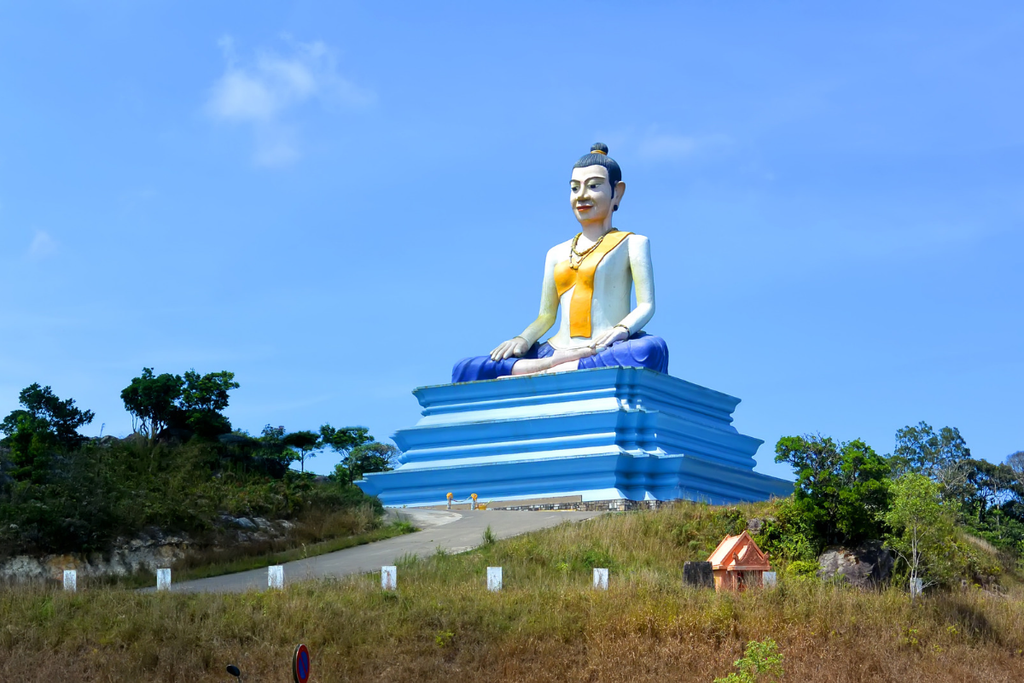
The giant Lok Yeay Mao Statue is one of the first landmarks you’ll come across on Bokor Mountain. Standing around 29 metres tall, it represents a guardian figure in Cambodian belief, traditionally associated with protection, particularly along the country’s coastal region.
It’s worth stopping for more than a photograph. The statue overlooks the surrounding countryside, and on a clear day you can see towards Kampot, Kep and the Gulf of Thailand. The views are particularly good in the morning, before clouds and mist start covering the mountain.
Not far from the statue is the Black Palace, also known as Damnak Sla Khmao. This former royal residence is associated with King Sisowath Monivong and dates back to 1936. Much of the building is now in ruins, but you can still get a sense of its former purpose from the remaining structure. It’s a quick stop and an interesting introduction to Bokor’s royal history.
Bokor Hill Station and the Old Catholic Church
If you’re interested in history, this is probably the part of Bokor you’ll enjoy most.
Bokor Hill Station was developed by the French during the early 1920s as a mountain retreat away from the heat of the Cambodian lowlands. The plateau’s cooler climate made it an appealing escape for colonial officials and visitors.
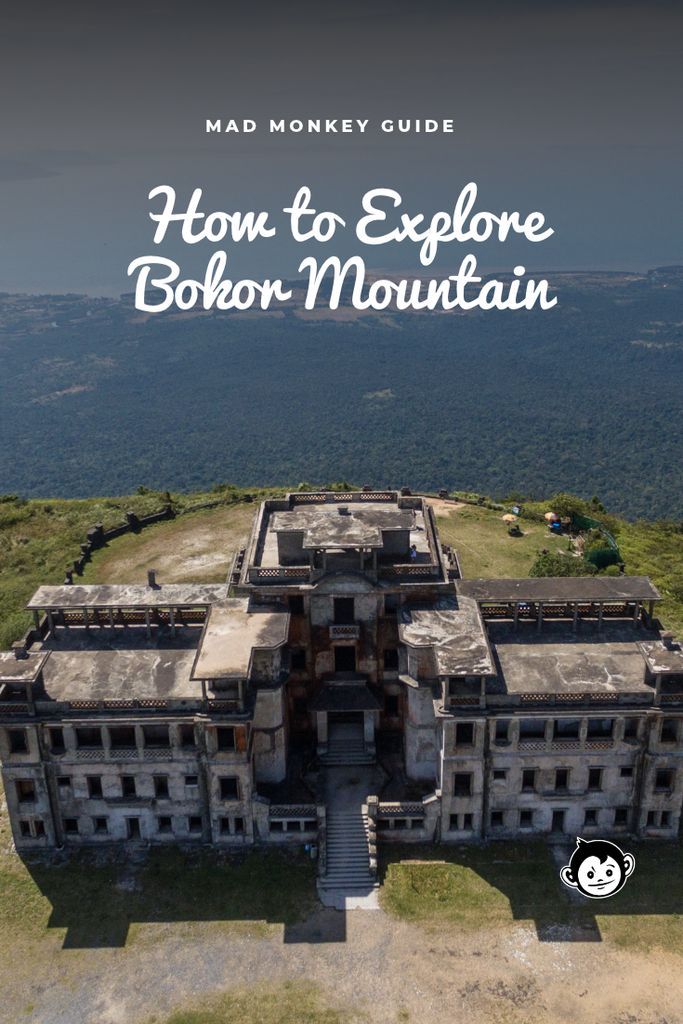
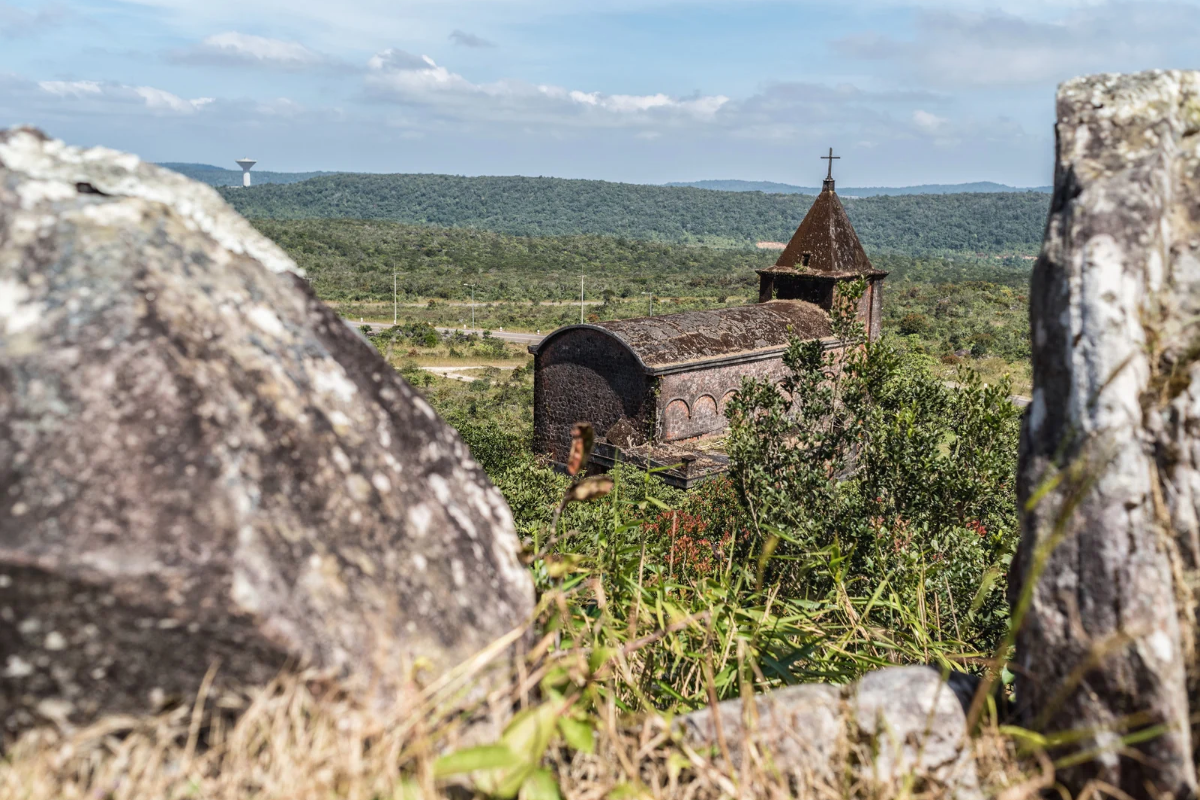
The centrepiece was the Bokor Palace Hotel, inaugurated in 1925. Other buildings followed, including a post office, villas and a Catholic church.
But the hill station didn’t have an easy history. The French abandoned it during the 1940s, and the area was revived as a resort under King Norodom Sihanouk in the 1960s. The Khmer Rouge took control of the plateau around 1972, and Bokor became a conflict zone for years afterwards.
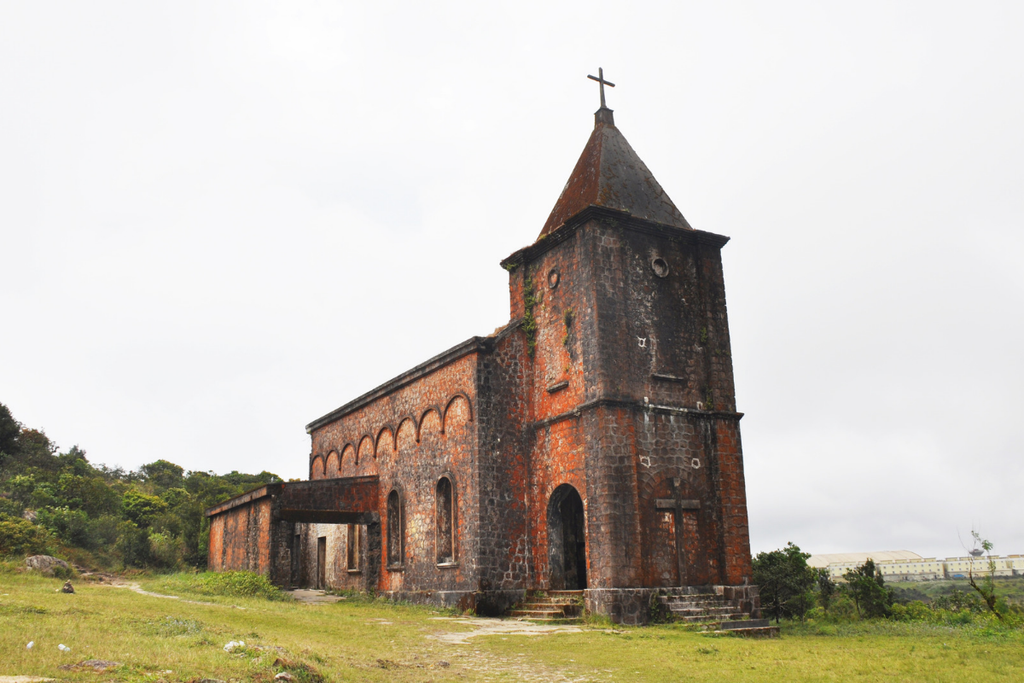
Today, the old buildings sit alongside newer developments, including hotels and a casino. It’s an unusual contrast, and one that makes the mountain more interesting than a collection of abandoned ruins.
Bokor Palace is another recognisable landmark. It was restored and reopened as a hotel in 2018, but its current visitor access has changed. Don’t assume the interior is open to casual visitors; check directly with the property before planning to go inside. You can still admire the building from the accessible areas.
One thing to remember: these are historical structures. Avoid climbing on deteriorating walls or entering restricted areas just for a photograph.
Wat Sampov Pram
After the colonial landmarks, Wat Sampov Pram offers a different side of Bokor.
Wat Sampov Pram is a Buddhist temple known for the five unusual rock formations behind it. Their shape resembles boats, which explains the temple’s name, commonly translated as Five Boats.
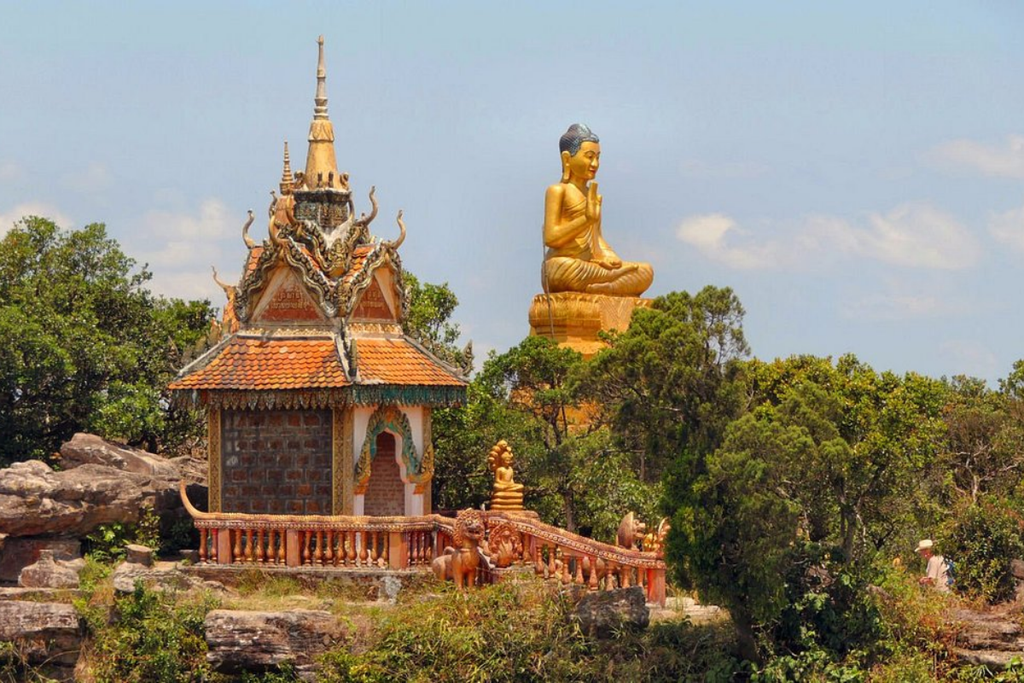
Built during the 1920s under King Sisowath Monivong, the temple is still a place of worship. It’s a worthwhile stop if you want to see another side of Bokor beyond its colonial history.
The rock formations are the main attraction, offering views across the surrounding landscape when visibility is good. It’s also a nice place to take a break before continuing towards Popokvil Waterfall.
Remember that this is an active religious site. Dress modestly, remove your shoes where required and keep noise down around worshippers.
Popokvil Waterfall
Popokvil Waterfall makes a good final stop on your Bokor Mountain route, especially if you’ve spent the morning exploring the historic buildings.
Located around 7.6 km beyond the hill-station area, the waterfall has two tiers flowing over broad rock formations. Its appearance changes quite a bit throughout the year. During the rainy season, generally June to November, the increased rainfall gives the falls a stronger flow. In the drier months, the water can be considerably lighter.
There are walking areas around the falls, and a restaurant nearby makes this a practical place to stop for lunch. Expect a small visitor charge of around 2,000 KHR (around $0.50 USD), which nclude a bottle of water. Bring some small cash and confirm the current charge when you arrive.
Mad Monkey Tip: Wear shoes with a decent grip, especially after rain. The rocks can be slippery, and there’s no need to get too close to the water for a photograph.
When Is the Best Time to Visit Bokor Mountain?
For a scooter trip up Bokor, November to March is generally the best time to go. It’s the drier part of the year, which means better chances of clear views and more comfortable conditions for the mountain road.
That doesn’t mean the rainy season is a bad time to visit. The forest turns a deeper green, the surrounding countryside looks completely different, and Popokvil Waterfall tends to have a stronger flow after rainfall. The trade-off is that Bokor can get foggy, wet and difficult to ride through.
Here’s what to expect throughout the year:
| Season | What to expect |
|---|---|
| November to February | Cooler, drier weather and better chances of clear coastal views |
| March to May | Hotter weather in Kampot, although the mountain is generally cooler |
| June to October | Greener scenery, more rain and stronger waterfall flow after rainfall |
At roughly 1,000 metres above sea level, Bokor has a noticeably different climate from Kampot town. Don’t be surprised if you need a light jacket once you reach the plateau, particularly when the wind picks up or the mist rolls in.
I’d also aim to leave Kampot around 7:30–8:00 AM. Morning is usually your best chance of catching the coastal views before clouds start gathering over the mountain. It also gives you plenty of daylight to explore the attractions and make the descent without rushing.
Mad Monkey Tip: Check the weather forecast for Bokor Mountain before setting off, rather than relying only on Kampot’s forecast. Conditions can be quite different at the summit, where fog and low clouds can roll in even when the town is sunny.
What Does a One-Day Bokor Mountain Scooter Itinerary Look Like?
You can cover Bokor’s main attractions in a day without having to rush, as long as you get an early start. I’d tackle the viewpoints and historic sites first, then make Popokvil Waterfall your lunch stop before heading back down.
Here’s a rough itinerary to help plan your ride:
| Time | Stop | What to do |
|---|---|---|
| 7:30 AM | Depart Kampot | Pick up your scooter, fill the tank and start the climb |
| 8:30 AM | Lok Yeay Mao Statue | Take in the coastal views and explore the statue grounds |
| 9:00 AM | Black Palace | Stop by the former royal residence |
| 9:45 AM | Bokor Hill Station | Visit the old Catholic church and see Bokor Palace |
| 11:00 AM | Wat Sampov Pram | Explore the old Catholic church and see Bokor Palace |
| 12:00 PM | Popokvil Waterfall | Walk around the falls and stop for lunch |
| 1:30 PM | Start the descent | Head back towards Kampot, allowing time for the mountain road |
| 3:00–4:00 PM | Arrive in Kampot | Return your scooter and enjoy the rest of the afternoon |
Treat these times as a guide rather than a strict schedule. You might want to spend longer at the hill station or stop for extra photographs along the way. That’s part of the fun of exploring Bokor independently.
Just don’t let the afternoon disappear before you start heading down. Fog and rain can affect visibility, and the mountain road is much less enjoyable after dark. Give yourself enough daylight for the return journey.
Is It Safe to Ride a Scooter Up Bokor Mountain?
The road up Bokor is paved, but that doesn’t mean it’s an easy ride. There are long uphill stretches, plenty of bends and a fairly lengthy descent. You’ll need to be just as careful coming down as you are on the way up.
If you’ve spent time riding around Kampot and are comfortable handling a scooter, the route is manageable with the right preparation. But if this is your first time on a motorbike, Bokor isn’t the place to learn. Consider hiring a driver or joining a guided trip instead.
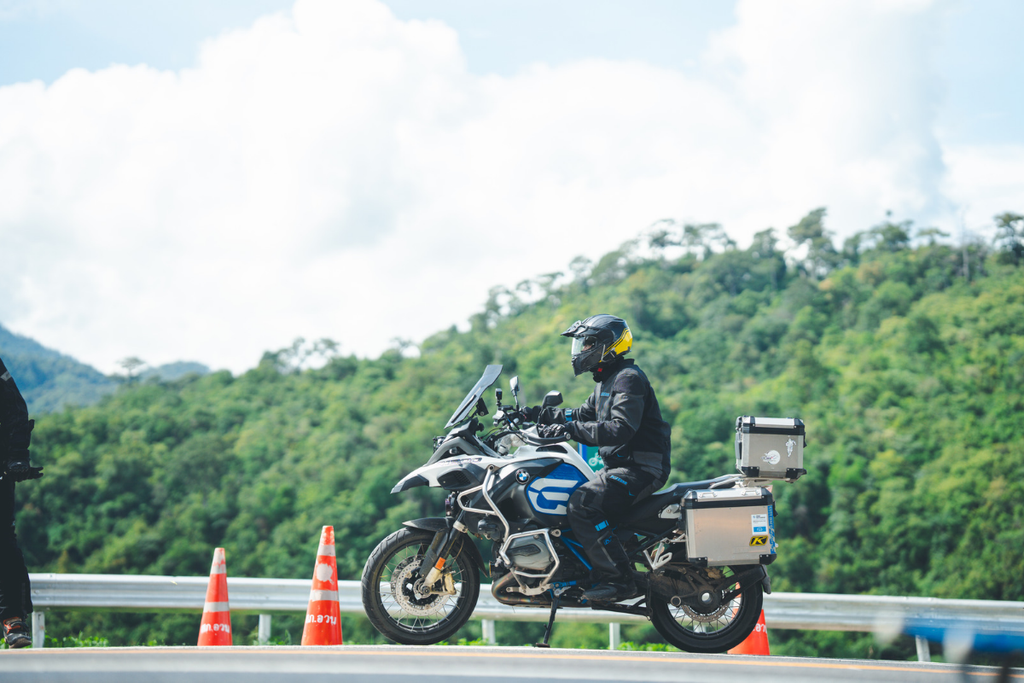
Before setting off, make sure your scooter is in good condition and keep a few things in mind:
- Brakes matter: Test them before leaving. You’ll need reliable brakes on the downhill sections.
- Wear a proper helmet: Both the driver and passenger should have one that fits.
- Get your paperwork sorted: Make sure your licence covers the motorcycle you’re renting and check that your travel insurance includes riding it.
- Take the bends slowly: Keep your distance from other vehicles and avoid overtaking on blind corners.
- Leave the monkeys alone: You may spot macaques along the roadside, but don’t feed or approach them.
- Pay attention to the weather: Rain can make the road slippery, while fog can reduce visibility considerably.
- Don’t leave the descent too late: Aim to be back in Kampot before dark, when visibility becomes more difficult.
Mad Monkey Tip: If the mountain disappears behind thick fog or heavy rain starts during your visit, don’t push on just to finish the itinerary. Find a safe place to stop and wait for conditions to improve.
If you’re not confident on a scooter, a guided trip or private driver is a much better option. You can still see the mountain without having to navigate the bends yourself.
Where to Rent a Scooter in Kampot for Bokor Mountain?
If you’re planning to ride up Bokor, sort out your scooter in Kampot before the day of the trip. There are rental shops around town, with standard scooters generally costing 20,000–40,000 KHR ($5–10 USD) per day. You’ll also want around 8,000–16,000 KHR ($2–4 USD) for fuel, although this depends on the bike and how much riding you do.
Most scooter rental shops are around Kampot town centre, particularly near the Old Market, Durian Roundabout and the riverside. You can compare a few shops before settling on a bike. If you need a local recommendation, the team at Mad Monkey Kampot may also be able to point you in the right direction. Just make sure you choose a scooter that’s in good condition and comfortable enough for Bokor’s long uphill climb and winding descent.
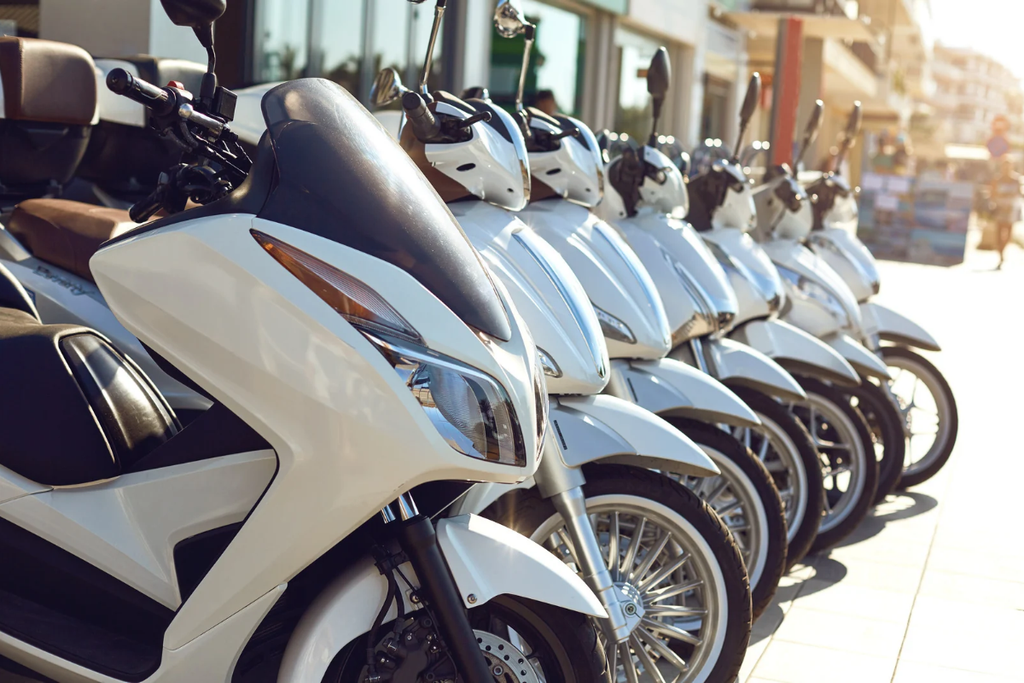
Before taking the keys, give the scooter a quick once-over. Check the following before leaving the rental shop:
- Brakes: Test both front and rear brakes to make sure they respond properly.
- Tyres: Look for worn tread, punctures or visible damage.
- Lights and indicators: Check the headlights, brake lights and turn signals.
- Mirrors: Make sure they’re secure and give you a clear view behind.
- Helmet: Get a properly fitting helmet for yourself and your passenger.
- Fuel: Check the fuel level and clarify the shop’s return policy.
- Existing damage: Photograph any scratches, dents or other marks before riding away.
A note on licences: You need a valid motorcycle licence covering the scooter’s engine size. An International Driving Permit should accompany your home-country licence, not replace the motorcycle entitlement. Check your travel insurance as well, since some policies exclude scooter accidents if you don’t meet their licensing or helmet requirements.
Where to Stay in Kampot for a Bokor Mountain Trip?
Bokor might be what brings you to Kampot, but there’s plenty of reason to stick around once you’re back down the mountain. Spend a few days exploring the riverside, check out the local pepper farms, find a favourite café and see where the evening takes you. Kampot has a way of making travellers stay longer than planned.
Mad Monkey Kampot is a good base for exploring it all. Located along Riverside Road, it’s well placed for exploring the town and heading up to Bokor. You’ll also find a social crowd of fellow backpackers, making it easy to meet new people to share a meal with, swap travel tips or plan your next Cambodian adventure.
After a day of exploring Bokor’s old buildings and viewpoints, having a social spot to return to makes the Kampot experience even better.
The Best Part of Bokor Mountain? It’s More Than the View
From winding forest roads and abandoned colonial buildings to hidden waterfalls and coastal viewpoints, Bokor makes for a day of exploring that’s anything but ordinary. Take your time, enjoy the detours and don’t worry about ticking off every stop.
So, fuel up, grab your camera and get ready to see a different side of Cambodia. Bokor is waiting, and the ride is half the fun.
FAQs: About Bokor Mountain
Bokor Hill Station is approximately 42 km from central Kampot. The drive takes around 1 hour and 20 minutes without stops. If you’re visiting the main attractions, allow a full day for the return journey and sightseeing.
Yes. Scooter rental shops are available around Kampot town centre, with standard rentals generally costing around 20,000–40,000 KHR ($5–10 USD) per day. Check the brakes, tyres and lights before leaving, and make sure you have the correct motorcycle licence and insurance coverage for the bike.
The road is paved, but the climb includes steep gradients, winding bends and a long descent. It’s better suited to riders who already have experience handling a scooter. Beginners or anyone uncomfortable on mountain roads should consider a guided tour or private driver.
Set aside around 6–8 hours for the return trip and sightseeing, depending on your transport and how long you spend at each attraction. This gives you time to visit Lok Yeay Mao Statue, the Black Palace, Bokor Hill Station, Wat Sampov Pram and Popokvil Waterfall without rushing.
The waterfall generally has stronger water flow during the rainy season, particularly after rainfall between June and November. During the dry season, the flow can be lighter. If seeing the waterfall is a priority, check recent weather conditions before making the trip.
Bokor Palace Hotel has been restored and reopened as a hotel. However, access to its interior may be restricted for non-guests. Check directly with the property before visiting if you want to explore inside. The exterior can be viewed from accessible areas.
Kampot is the most convenient base for visiting Bokor. Staying in town gives you easy access to scooter rentals, restaurants and transport options. Mad Monkey Kampot, along Riverside Road, is one accommodation option with a social atmosphere and convenient access to the town centre.
Pin Now. Read Later.